Source Laboratory Testing Hand Sheet Former for Paper Mills
Find 30 Laboratory Testing Hand Sheet Former options for paper quality control. Compare models like YT-DL125 and YT-SF2D, noting features such as manual control, 8-liter barrel capacity, and compliance with GB/T standards for accurate sample preparation; compare the available evidence and request quotations based on your requirements.
Key considerations
Products List


ISO 5269-2 Certified Laboratory Equipment Multifunction Fully Automatic Type Sheet Former
$5000.00 - $7000.00
MOQ: 1 Pieces

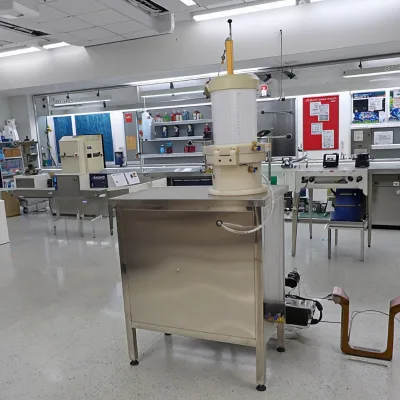
SKZ124A Diameter 200mm Sample Sheet Hand Sheet Former Equipment for Papermaking Laboratory
$1020.55 - $2041.09
MOQ: 1 pieces
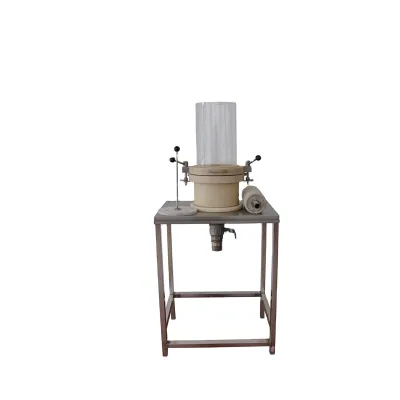
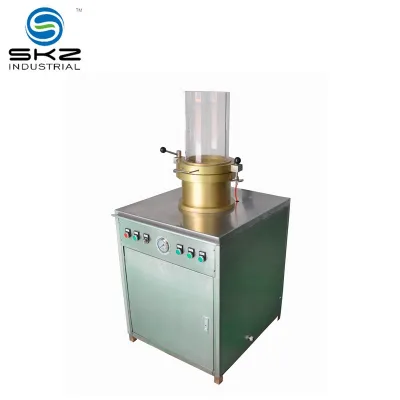
SKZ124B Automatic Lab Diameter 200mm Handsheet Former Tester Machine for Paper
$1785.96 - $3393.32
MOQ: 1 pieces
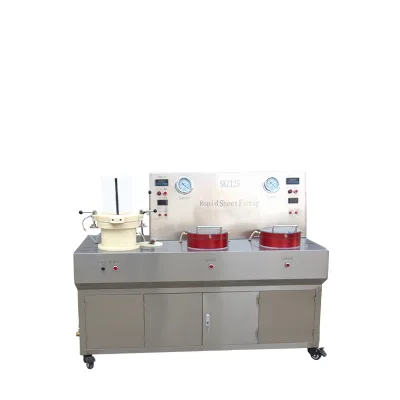
SKZ125 Lab Dry the Sheet Semi Sheet Former for Pulp Paper Sheet Making
$6888.68 - $7271.39
MOQ: 1 pieces
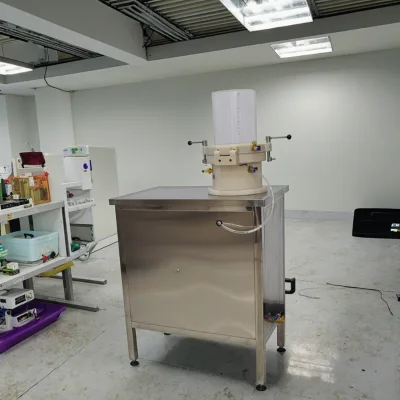
SKZ124A Auto Paper Sheet Making Vacuum Sheet Former test Device for Pulp
$1000.00 - $2000.00
MOQ: 1 pieces
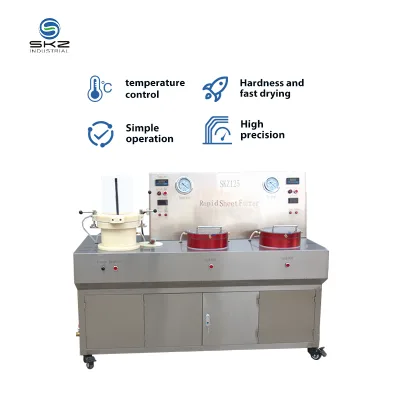
SKZ125 Industrial High Quality Handsheet Former Pulp Handsheet Former for Paper Pulp Making
$3856.10 - $7712.20
MOQ: 1 pieces

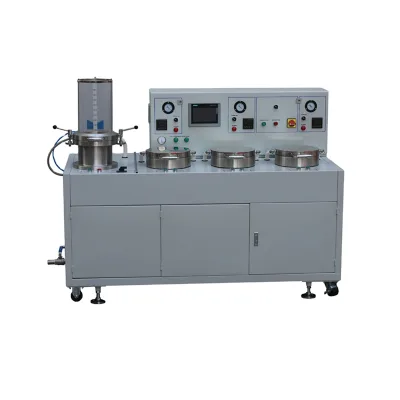
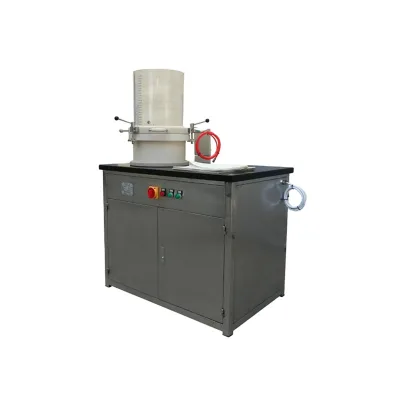
PL6-300-1 Water Circulation and Electric Sizing Handsheet Former for Laboratory Use
$3457.47 - $3580.95
MOQ: 1 units
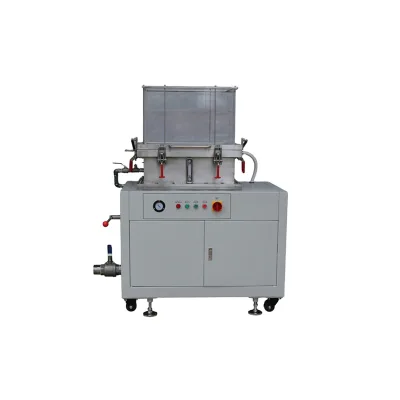
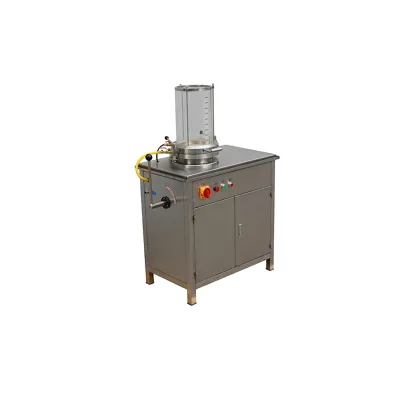

Manual Handsheet Forming Machine Paper Making Experimental Equipment
$5000.00 - $10000.00
MOQ: 1 Pieces

Paper Softness Tester to Test Instrument Simulates The Softness of The Hand
$100.00 - $5000.00
MOQ: 1 Pieces


Comprehensive Sourcing Guide
Laboratory Testing Hand Sheet Former Sourcing Guide
Procuring a Laboratory Testing Hand Sheet Former requires a precise understanding of the equipment’s role in paper and board sample preparation. These devices are essential for creating uniform test specimens that accurately reflect the properties of raw pulp or finished paper products. Buyers must recognize that the quality of the final test data is directly dependent on the consistency and repeatability of the sheet formation process. Therefore, selecting a machine that offers stable vacuum control and precise water-to-fiber ratios is critical for maintaining laboratory integrity.
The sourcing landscape for these specialized instruments often features manufacturers based in industrial hubs such as Hangzhou, Zhejiang, who provide both standard and customizable configurations. Buyers should evaluate whether the supplier offers integrated systems, such as those paired with Cobb absorption testers, to streamline workflow. Understanding the specific model designations, such as the YT-DL125, helps in identifying the exact capabilities regarding sample diameter and thickness. This clarity ensures that the purchased equipment aligns with the specific testing protocols required by your quality assurance department.
Product Scope and Observed Listing Signals
The market for hand sheet formers typically includes units designed for specific sample dimensions, such as a 125mm diameter, which is a common standard for various paper testing applications. Listings often highlight key operational parameters, including a barrel capacity of eight liters, which determines the volume of slurry that can be processed in a single cycle. Buyers should observe that these machines are frequently marketed with specific power ratings, such as 370W, indicating their energy efficiency and suitability for standard laboratory electrical outlets. This information helps in assessing the infrastructure requirements for installation.
Additionally, observed product signals often include detailed dimensional specifications, such as a footprint of 240mm in length, 288mm in width, and 435mm in height. The net weight of these units is typically around 22kg, suggesting they are portable enough for flexible laboratory arrangements but substantial enough to remain stable during operation. Some listings may also reference related equipment, such as electric heating dryers or vacuum pumps, indicating a broader ecosystem of compatible testing tools. Recognizing these signals allows buyers to anticipate the total space and utility needs for their testing environment.
Technical Specifications to Verify
When evaluating technical specifications, buyers must verify the compatibility of the hand sheet former with their existing testing standards, such as GB/T 1540, GB/T 5406, and QB/T 1671. These standards dictate the precise requirements for sample preparation, ensuring that the resulting sheets are representative of the material being tested. It is crucial to confirm that the machine’s design supports the required sample thickness range, typically between 0.1mm and 1.0mm, to accommodate various paper grades. This verification prevents discrepancies in test results caused by improper sample formation.
Furthermore, the control mechanism and power source are vital technical considerations. Buyers should confirm whether the unit operates on standard AC220V power and whether it features manual or automated controls based on their throughput needs. The presence of a matching product, such as the YT-Cobb125 Cobb Absorption Tester, suggests an integrated testing workflow that may enhance efficiency. Verifying these technical details ensures that the equipment integrates seamlessly into the laboratory’s operational framework and meets the rigorous demands of material testing protocols.
Compliance and Safety Documentation
Compliance with international and national standards is a non-negotiable aspect of sourcing laboratory equipment. Buyers must ensure that the hand sheet former adheres to relevant safety and performance standards, which may include ISO or TAPPI guidelines depending on the target market. Documentation should clearly state which specific standards the machine satisfies, providing assurance that the equipment is suitable for accredited testing environments. This documentation is essential for maintaining laboratory accreditation and ensuring that test results are recognized by external bodies.
Safety features and operational warnings should also be thoroughly reviewed in the product documentation. Buyers should verify that the equipment includes necessary safeguards against electrical hazards, given the use of heating elements and vacuum systems. Additionally, the packaging details, such as wooden cases or fumigation-free options, indicate the manufacturer’s attention to safe transport and handling. Ensuring that all compliance and safety documents are complete and accurate protects the buyer from regulatory issues and ensures the safe operation of the equipment in the laboratory.
Cost Drivers and Commercial Terms
The cost of a Laboratory Testing Hand Sheet Former is influenced by several factors, including the complexity of the vacuum system, the precision of the control mechanisms, and the inclusion of additional features like electric heating dryers. Buyers should expect price variations based on whether the unit is a standalone device or part of a larger testing system. Understanding these cost drivers helps in budgeting accurately and evaluating the value proposition of different suppliers. It is also important to consider the total cost of ownership, including maintenance and potential upgrades.
Commercial terms, such as minimum order quantities and payment conditions, vary among suppliers. In many cases, the minimum order quantity is one unit, allowing for flexible procurement for individual laboratories. Buyers should negotiate clear terms regarding shipping, insurance, and delivery timelines, especially if the equipment is sourced from international locations like Hangzhou, China. Clarifying these terms upfront prevents unexpected costs and ensures that the procurement process proceeds smoothly, aligning with the laboratory’s operational schedule and budget constraints.
Supplier Qualification and Quality Control
Selecting a qualified supplier is critical for ensuring the reliability and longevity of the hand sheet former. Buyers should verify the supplier’s manufacturing capabilities, including their experience in producing material testing machines and their adherence to quality control processes. Suppliers based in established industrial regions like Zhejiang often have robust supply chains and technical expertise, which can be a positive indicator of product quality. However, buyers should still conduct due diligence to confirm the supplier’s reputation and track record in the industry.
Quality control measures should be explicitly discussed with the supplier before placing an order. Buyers should inquire about the testing procedures used to verify the performance of each unit before shipment, including checks on vacuum pressure, heating consistency, and dimensional accuracy. Requesting certificates of conformity or test reports can provide additional assurance of product quality. Establishing a clear communication channel with the supplier for post-sale support and technical assistance is also essential for resolving any issues that may arise during installation or operation.
Long-Term Procurement Checks
Long-term procurement success depends on establishing a sustainable relationship with the supplier and ensuring ongoing support for the equipment. Buyers should verify the availability of spare parts, such as vacuum pumps or heating elements, to minimize downtime in case of maintenance needs. A supplier that offers comprehensive technical documentation and training materials can significantly enhance the laboratory’s ability to operate the equipment efficiently. This support is crucial for maintaining consistent test results over time.
Additionally, buyers should monitor the supplier’s commitment to product updates and improvements. The field of material testing is evolving, and suppliers that regularly update their equipment to meet new standards or incorporate advanced technologies provide better long-term value. Establishing a periodic review process for equipment performance and supplier service can help identify areas for improvement or potential upgrades. This proactive approach ensures that the laboratory remains equipped with reliable, up-to-date tools for accurate material testing.
FAQs
What standards does the Laboratory Testing Hand Sheet Former comply with?
The equipment complies with ISO5269/2, ISO5269/3, Tappi T-205, and DIN54358 standards. It also meets TAPPI and ISO requirements for paper testing. These certifications ensure accurate sample preparation for strength and absorption tests, allowing laboratories to maintain consistent quality control and meet international regulatory expectations for material testing procedures.
Can the Laboratory Testing Hand Sheet Former be customized for specific needs?
Yes, customization is available for this machine. Buyers can request modifications to suit specific laboratory workflows or unique testing requirements. This flexibility allows facilities to adapt the equipment for specialized applications, ensuring the machine integrates seamlessly into existing production lines while maintaining high precision and operational efficiency for diverse material testing tasks.
What is the power source and heating capacity of the dryer?
The unit uses an AC220V power source with a heating power of 1.5kw multiplied by two or three units depending on the model. The electric heating dryer operates at 220V, providing efficient drying for samples. This configuration ensures stable temperature control during the drying process, which is critical for achieving consistent results in paper strength testing.
What are the dimensions and weight of the Laboratory Testing Hand Sheet Former?
Dimensions vary by model, with common sizes being 1800mm by 710mm by 1300mm or 1880mm by 780mm by 1400mm. Net weights range from 22kg to 295kg. These specifications help laboratories plan floor space and load-bearing requirements. The compact design facilitates easy installation in standard testing environments while supporting robust performance for daily operations.
How is the control system operated on these machines?
Control options include computer control and manual control depending on the specific model. Computer-controlled versions offer automated precision, while manual versions provide direct operator oversight. This variety allows laboratories to choose the level of automation that best fits their workflow, ensuring accurate sample preparation for various paper and board testing applications with minimal error.
What is the barrel capacity of the hand sheet former?
The barrel capacity is 8 liters for the hand sheet former model. This volume supports efficient sample preparation for standard testing procedures. The capacity is optimized to handle typical laboratory sample sizes, ensuring consistent slurry mixing and sheet formation. This feature helps maintain uniformity across multiple tests, which is essential for reliable material strength and absorption data.