Source Lace Detachable Derby Hat for Travel, Party, and Daily Wear
Find 30 Lace Detachable Derby Hat options from verified suppliers. Compare materials like polyester and sinamay, styles including retro and plush designs, and customization features to select the best fit for your wholesale needs; compare the available evidence and request quotations based on your requirements.
Key considerations
Products List
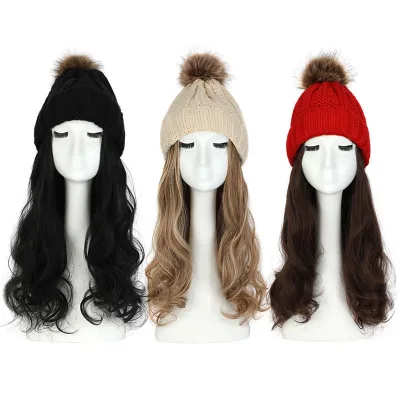
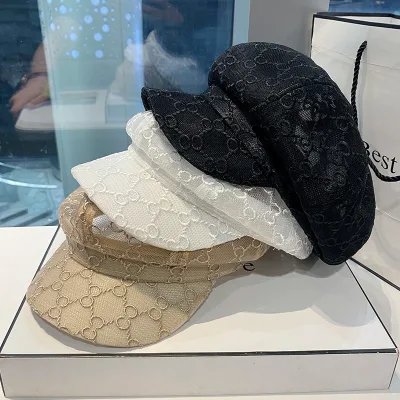


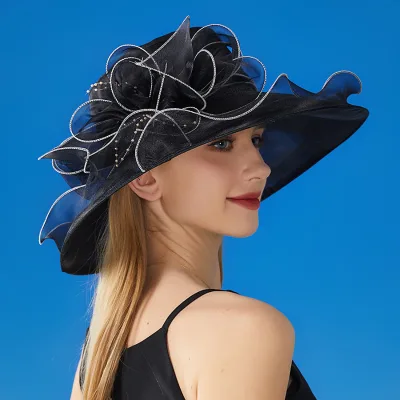
Ladies Ceremony Sinamay Church Hat Wholesale Women Feather Fascinator Hat for Sale
$5.99 - $15.99
MOQ: 30 Pieces







Comprehensive Sourcing Guide
Lace Detachable Derby Hat Sourcing Guide
Sourcing lace detachable derby hats requires a nuanced understanding of both aesthetic detailing and functional versatility. Buyers must distinguish between solid-color acrylic options and intricate lace designs, as the latter often involves more complex manufacturing processes like machine embroidery or plain dyeing. The observed market signals indicate a strong presence of products originating from Zhejiang, China, where suppliers leverage established textile infrastructure to offer competitive pricing and rapid turnaround times. This geographic concentration allows for efficient consolidation of orders, particularly when mixing styles such as beret hats, octagonal caps, or church-style headwear. Procurement teams should prioritize suppliers who demonstrate clear differentiation in fabric features, ensuring that the lace elements are securely attached and maintain their structural integrity during wear.
The term "derby" in this context often overlaps with various hat styles, including octagonal and beret designs, which may feature detachable elements or customizable logos. Buyers should verify whether the lace is an integral part of the crown or a separate accessory, as this impacts both the product’s durability and the ease of maintenance. Observed listings highlight materials ranging from acrylic and polyester to 100% sinamay, each offering distinct tactile qualities and price points. It is crucial to align the material choice with the intended use case, whether for daily casual wear, outdoor activities, or formal occasions like parties and performances. Understanding these material distinctions helps in selecting the right balance between cost-efficiency and premium appearance, ensuring the final product meets the specific aesthetic and functional requirements of the target market.
Product Scope and Observed Listing Signals
The current market landscape for lace detachable derby hats reveals a diverse array of product attributes that buyers must carefully evaluate. Observed listings show a wide price range, with some items priced as low as $0.01, suggesting the availability of basic, high-volume options, while others reach up to $26, indicating premium materials or intricate designs. Minimum order quantities (MOQs) vary significantly, ranging from 5 to 500 pieces, allowing for flexibility in order sizing. This variability is particularly useful for buyers testing new markets or fulfilling small-batch custom orders. The observed product names often include descriptors like "embroidered lace octagonal hat" or "church hats," which helps in identifying specific style preferences. Buyers should note that while some products are labeled as "solid" pattern types, others may feature embossed printing or custom logos, adding layers of complexity to the sourcing process.
Seasonality and application scenes are also key signals in the observed data. Many products are marketed for spring, autumn, and winter use, with some explicitly mentioning summer applicability, which suggests a year-round demand for versatile headwear. The applicable scenes listed include travel, outdoor activities, daily wear, and parties, indicating that these hats are positioned as multi-functional accessories. Colors observed range from classic options like red, gray, black, white, and khaki to customizable choices, allowing buyers to tailor inventory to seasonal trends or brand identities. The single gross weights, typically between 0.25 kg and 0.4 kg, provide insight into shipping costs and packaging efficiency. Buyers should use these signals to segment suppliers based on their specialization, whether in high-volume basic styles or low-volume, high-customization premium items, ensuring a balanced and responsive supply chain.
Technical Specifications to Verify
Verifying technical specifications is critical to ensuring that the lace detachable derby hats meet quality and fit expectations. Buyers should confirm the head circumference, which is often listed as 56-58 cm or one size fits all, to ensure compatibility with the target demographic. The model numbers, such as Q13955 or Q13543, serve as unique identifiers for specific designs, allowing for precise reordering and quality consistency. It is essential to verify the hat style, whether it is a beret, octagonal, or church hat, as this affects the silhouette and how the lace is integrated. The brim and crown construction should be inspected to ensure they are sturdy and well-formed, preventing deformation during shipping or wear. Additionally, the fabric type, whether polyester, acrylic, or sinamay, must be confirmed to match the desired texture and durability, as these materials behave differently in terms of care and longevity.
Packaging and labeling details are also important technical aspects to verify. The single package size, often around 10x10x10 cm or 10x10x20 cm, impacts storage and shipping logistics, so buyers should calculate the total volume for their orders. The packing method, such as OPP bags, should be assessed for its protective qualities, ensuring that the lace and delicate structures are not damaged during transit. Customization options, including logo placement and color variations, should be clearly defined in the technical specifications to avoid misunderstandings. Buyers should also check the printing methods, such as embossed or machine embroidery, to ensure the lace details are securely attached and visually appealing. By meticulously verifying these technical specifications, buyers can minimize the risk of receiving products that do not meet their quality standards or fit requirements, thereby reducing returns and customer dissatisfaction.
Compliance and Safety Documentation
Compliance and safety documentation are essential for ensuring that lace detachable derby hats meet regulatory standards in target markets. Buyers should request certificates of conformity and material safety data sheets to verify that the fabrics, such as polyester or acrylic, are free from harmful substances. While specific standards like EN 12492 are mentioned in some contexts, buyers must confirm the applicable regulations for their region, as requirements for textile products can vary significantly. It is crucial to ensure that the lace and any detachable components are securely fastened to prevent choking hazards, especially if the hats are marketed towards younger demographics, although the observed data indicates an adult target audience. Buyers should also verify that the dyes used in the coloring process, such as red, black, or white, are compliant with local environmental and safety regulations.
Documentation should also cover the manufacturing process, including any certifications related to ethical labor practices and environmental impact. Buyers should inquire about the supplier’s quality management systems and whether they conduct regular internal audits to ensure consistent product quality. It is advisable to request test reports for flammability, colorfastness, and tensile strength, particularly for hats intended for outdoor or performance use. These tests help ensure that the hats can withstand regular wear and tear without deteriorating or posing safety risks. By maintaining a robust compliance framework, buyers can protect their brand reputation and avoid legal issues associated with non-compliant products. This proactive approach to documentation not only safeguards against regulatory penalties but also builds trust with consumers who are increasingly concerned about the safety and sustainability of the products they purchase.
Cost Drivers and Commercial Terms
Understanding the cost drivers and commercial terms is vital for effective budgeting and negotiation in the sourcing of lace detachable derby hats. The primary cost drivers include the material type, with sinamay and high-quality lace typically commanding higher prices than standard acrylic or polyester. The complexity of the design, such as machine embroidery or embossed printing, also adds to the production cost, as does the level of customization, including logo placement and color variations. Buyers should analyze the MOQs, which range from 5 to 500 pieces, to determine the most cost-effective order size. Larger orders often benefit from economies of scale, reducing the per-unit cost, but may require higher upfront investment and storage capacity. It is important to negotiate clear pricing tiers based on volume, ensuring that the supplier offers competitive rates for repeat orders.
Commercial terms, including delivery time and payment conditions, should be carefully negotiated to align with the buyer’s cash flow and inventory needs. Observed delivery times range from 7 to 12 days, which is relatively fast, but buyers should confirm if this applies to standard or customized orders. Customization may extend the lead time, so it is crucial to plan accordingly to avoid stockouts. Payment terms, such as deposits and balance payments, should be structured to mitigate risk, with a portion held until quality inspection is complete. Buyers should also consider shipping costs, which are influenced by the single gross weight and package size, and negotiate freight terms to optimize logistics expenses. By understanding these cost drivers and commercial terms, buyers can make informed decisions that balance cost-efficiency with quality and delivery reliability, ensuring a profitable and sustainable sourcing strategy.
Supplier Qualification and Quality Control
Supplier qualification and quality control are foundational to securing a reliable supply of lace detachable derby hats. Buyers should conduct thorough due diligence on potential suppliers, verifying their business licenses, production capabilities, and past performance. It is advisable to request samples to assess the quality of the lace, the precision of the embroidery, and the overall construction of the hat. Quality control measures should include regular inspections during production and before shipment, focusing on critical points such as the attachment of detachable elements, the consistency of color, and the absence of defects. Buyers should establish clear quality standards and communicate them effectively to the supplier, ensuring that both parties have a shared understanding of expectations. Implementing a robust quality control process helps to minimize defects and ensures that the products meet the desired aesthetic and functional criteria.
Building a strong relationship with the supplier is also key to maintaining consistent quality over time. Buyers should engage in regular communication, providing feedback on product performance and addressing any issues promptly. It is beneficial to conduct periodic audits of the supplier’s facilities to ensure that they adhere to the agreed-upon quality standards and ethical practices. Buyers should also consider diversifying their supplier base to mitigate risks associated with single-source dependency. By investing in supplier qualification and quality control, buyers can ensure a steady supply of high-quality lace detachable derby hats, reducing the likelihood of disruptions and enhancing customer satisfaction. This proactive approach to supplier management fosters trust and collaboration, leading to a more resilient and efficient supply chain.
Long-Term Procurement Checks
Long-term procurement checks are essential for maintaining the integrity and competitiveness of the Lace Detachable Derby Hat supply chain. Buyers should regularly review supplier performance metrics, including on-time delivery rates, defect rates, and responsiveness to issues. These metrics provide valuable insights into the supplier’s reliability and help identify areas for improvement. It is also important to stay updated on market trends and consumer preferences, as these can influence the demand for specific styles and materials. Buyers should periodically reassess their product portfolio, considering the introduction of new designs or the discontinuation of underperforming items. This agility allows buyers to respond quickly to changes in the market and maintain a relevant and appealing product offering.
Additionally, buyers should monitor regulatory changes and industry standards that may impact the sourcing of lace detachable derby hats. Staying informed about new compliance requirements or sustainability initiatives helps buyers to proactively adjust their sourcing strategies and avoid potential disruptions. Building a network of industry contacts and participating in trade shows can provide valuable insights into emerging trends and best practices. By conducting regular long-term procurement checks, buyers can ensure that their sourcing strategy remains aligned with business goals and market dynamics. This continuous evaluation and adaptation process helps to sustain a competitive advantage and drive long-term success in the procurement of lace detachable derby hats.
FAQs
What materials are used for lace detachable derby hats?
These hats are typically crafted from durable materials such as polyester or sinamay to ensure longevity and structure. Some variations may incorporate acrylic blends for added warmth and texture. The choice of material often depends on the intended season and style, with synthetic fibers offering versatility in dyeing and embroidery processes for a polished finish.
Can I customize the logo on these hats?
Yes, customization is available for many Lace Detachable Derby Hat models. Buyers can often request custom logos to be embroidered or printed onto the fabric. This service allows businesses to brand their products effectively for retail or promotional purposes, ensuring the final item aligns with specific corporate identity requirements or design preferences.
What is the typical MOQ for these hats?
The minimum order quantity usually ranges from 5 to 500 pieces, depending on the specific supplier and product model. Some manufacturers offer low MOQs starting at 5 or 10 pieces to accommodate smaller orders or sampling needs. Buyers should verify the exact MOQ with the supplier before placing an order to ensure it fits their procurement volume.
How long is the delivery time for these hats?
Delivery times generally range from 7 to 12 days after order confirmation. This timeframe allows for production, quality checks, and packaging preparation. Expedited shipping options may be available for urgent orders, but standard lead times should be considered when planning inventory replenishment or seasonal launches to avoid stockouts or delays in market availability.
What styles are available for lace detachable derby hats?
Available styles include retro, plush, and dobby patterns, often featuring solid colors or embroidered lace details. Common colors include white, black, gray, and khaki, with some options for custom color matching. The hats may come with or without brims and crowns, offering versatility for casual, outdoor, or party wear scenarios across different seasons.
Are these hats suitable for all head sizes?
Many models are designed with adjustable features or one-size-fits-all constructions to accommodate various head circumferences. Specific sizes like 56-58cm or 58-60cm are common, ensuring a comfortable fit for most adults. Buyers should check the detailed size specifications provided by the supplier to ensure the selected hat model meets the target demographic's sizing requirements.