Source Large Capacity Automatic Filling Machine for Tea, Drinks, Cosmetics
Find 30 large capacity automatic filling machines for tea, drinks, and cosmetics. Compare specifications, power ratings, and sealing functions from verified Chinese manufacturers to find the right equipment for your production line; compare the available evidence and request quotations based on your requirements.
Updated
Key considerations
Products List
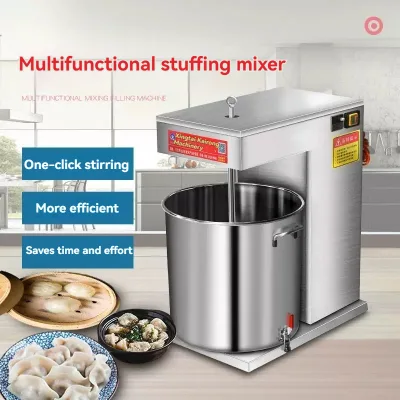


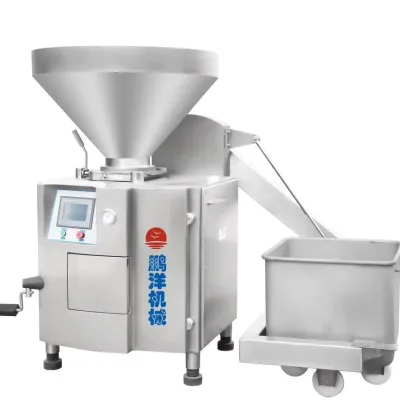


The Latest Fully Automatic High Quality Multi Head Liquid Filling Machine
$4000.00 - $12000.00
MOQ: 1 Sets
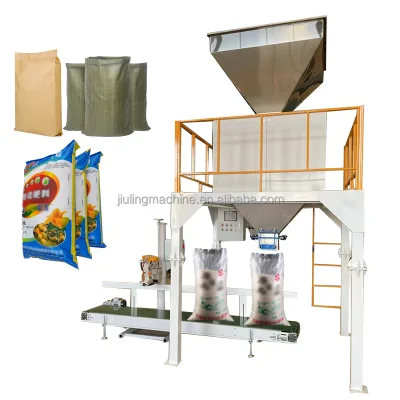

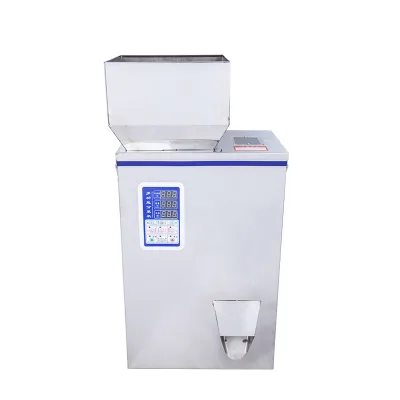


High-Quality Liquid Filling Machine for Precise Filling of Various Liquids
$9300.00 - $15000.00
MOQ: 1 Pieces


$13000.00 - $19000.00
MOQ: 1 Pieces


Comprehensive Sourcing Guide
Large Capacity Automatic Filling Machine Sourcing Guide
Procuring large capacity automatic filling machines requires a strategic approach to align machinery capabilities with production volume targets. Buyers must evaluate the distinction between form-filling-sealing units and standalone filling systems, as the latter often support higher throughput for liquids and powders. The observed market includes models with capacities ranging from 5,000 to 52,000 bottles per hour, indicating a significant variance in operational scale. Understanding these capacity tiers is essential for matching equipment to specific line speeds and minimizing bottlenecks in high-volume manufacturing environments.
Selection also depends on the material compatibility and automation level required for the target product. Automatic grade machines dominate the supply, offering consistent performance for diverse packaging materials such as aluminum foil, plastic, and PET/PE seals. Buyers should prioritize machines constructed from 304 stainless steel to ensure hygiene and durability, particularly for food, beverage, and cosmetic applications. Verifying the driven type, whether electric or mechanical, ensures the equipment integrates smoothly with existing factory power infrastructure and maintenance protocols.
Product Scope and Observed Listing Signals
The current market landscape for large capacity automatic filling machines reveals a wide price spectrum, observed between $250 and $3,000,000 USD. This variance reflects differences in automation depth, material quality, and production capacity. Most listings indicate a minimum order quantity of one unit, suggesting flexibility for both pilot trials and full-scale deployment. Buyers should note that while entry-level prices may appear attractive, they often correspond to smaller footprint machines or basic functionality, whereas higher price points typically encompass advanced features like full customization and integrated sealing technologies.
Product attributes highlight a strong focus on versatility, with machines supporting applications for tea, snacks, drinks, cosmetics, and cleaning detergents. The observed listings emphasize automatic operation, with power supplies typically rated at AC 380V/50Hz for industrial use. Some models feature specific forming functions such as bag molding, while others focus on rigid package packaging for bottles. This diversity allows buyers to select equipment tailored to their specific product form, whether it involves powders, liquids, or semi-solids, ensuring optimal packaging integrity and efficiency.
Technical Specifications to Verify
Technical verification must begin with the machine’s physical dimensions and weight, which impact factory layout and installation requirements. Observed specifications include models with dimensions such as 13007001530mm and 33006001800mm, with weights ranging from 110kg to 650kg. Buyers should confirm the single package size and gross weight to plan logistics and crane requirements accurately. Additionally, the power consumption, observed between 1500W and 4000W for forming functions, and heat sealing power up to 3.5kw, must be validated against the facility’s electrical capacity to prevent overloads.
The sealing mechanism and material compatibility are critical technical factors. Machines often utilize PE, PP, or PET/PE sealing materials, requiring verification of seal strength and consistency for the chosen packaging film. The driven type, whether electric or mechanical, influences maintenance frequency and operational noise. Buyers should also check the frequency of use, with some machines designed for several packaging cycles, and ensure the automatic grade aligns with the desired level of human intervention. Confirming the material type, such as grain or specific powders, ensures the filling mechanism is appropriately calibrated for the product’s viscosity and flow characteristics.
Compliance and Safety Documentation
Compliance verification is paramount for industrial machinery, particularly when operating at high speeds and capacities. Buyers should request evidence of CE certification, which is a common standard observed in the market, to ensure adherence to European safety and health requirements. This certification often indicates that the machine meets essential safety standards for electrical components, moving parts, and emergency stop mechanisms. Without proper certification, buyers risk operational shutdowns and liability issues, especially when exporting or operating in regulated markets.
Safety documentation should also include detailed user manuals and maintenance guides that outline safe operating procedures. Buyers must verify that the machine includes necessary safety guards and interlocks to protect operators from moving parts. The use of 304 stainless steel for main materials not only ensures hygiene but also contributes to the machine’s durability and resistance to corrosion, which is crucial for long-term compliance with food and cosmetic safety standards. Ensuring that all electrical components are properly insulated and grounded is another critical step in maintaining a safe working environment.
Cost Drivers and Commercial Terms
Cost drivers for large capacity automatic filling machines include the level of customization, material quality, and production capacity. Full customization options, such as tailored dimensions or specific sealing functions, can significantly increase the base price. Buyers should also consider the cost of ancillary equipment, such as conveyors or labeling machines, which may be required for a complete packaging line. The observed price range suggests that significant investments are required for high-capacity, fully automated systems, while smaller, semi-automatic units offer a more budget-friendly entry point.
Commercial terms should be carefully negotiated to include warranty coverage, spare parts availability, and after-sales support. Most listings offer a one-year warranty, which is standard but should be verified for coverage of labor and parts. Buyers should also inquire about lead times, which can vary based on customization requirements and production schedules. Clear terms regarding payment methods, shipping responsibilities, and installation support are essential to avoid unexpected costs and delays. Ensuring that the supplier provides comprehensive training for operators is also a valuable component of the commercial agreement.
Supplier Qualification and Quality Control
Supplier qualification involves assessing the manufacturer’s experience, production capabilities, and quality control processes. Buyers should verify the supplier’s location, with many manufacturers based in regions like Quanzhou and Henan in China, known for their industrial manufacturing hubs. Checking the supplier’s track record in producing similar machines for industries like food, beverage, and cosmetics can provide insights into their expertise and reliability. Requesting references or case studies from previous clients can further validate the supplier’s ability to deliver high-quality equipment.
Quality control measures should include factory audits and pre-shipment inspections to ensure the machine meets specified standards. Buyers should verify that the supplier conducts rigorous testing of key components, such as motors, seals, and control systems, before dispatch. Documentation of these tests, including performance data and safety checks, should be provided to the buyer. Additionally, ensuring that the packaging, such as fumigation-free wooden boxes or wooden cases, protects the machine during transit is crucial to prevent damage and ensure timely installation.
Long-Term Procurement Checks
Long-term procurement success depends on establishing a strong relationship with the supplier for ongoing support and upgrades. Buyers should verify the availability of spare parts and technical support to minimize downtime during the machine’s lifecycle. Regular maintenance schedules and training programs for operators can extend the machine’s lifespan and maintain optimal performance. Buyers should also stay informed about technological advancements in filling and sealing machinery to identify opportunities for future upgrades or replacements.
Monitoring the machine’s performance metrics, such as throughput, seal quality, and energy consumption, is essential for identifying potential issues early. Buyers should establish a feedback loop with the supplier to address any operational challenges or performance deviations promptly. Regular reviews of the machine’s condition and performance can help in planning for future expansions or modifications to the production line. By maintaining a proactive approach to procurement and maintenance, buyers can ensure the long-term efficiency and reliability of their large capacity automatic filling machines.
FAQs
What is the power consumption of these automatic filling machines?
The power consumption varies by model, with options including 1500W, 2200W, 3000W, and 4000W. Some units require AC 380V/50Hz power supply and feature a heat sealing power of 3.5kw. Buyers should select the appropriate wattage based on their specific production line requirements and available electrical infrastructure to ensure optimal performance and energy efficiency.
Can these machines handle different packaging materials like aluminum foil?
Yes, these machines support various packaging materials, including aluminum foil and plastic. They are designed for bag moulding and can seal materials such as PE, PP, and Pet/PE. The automatic grade ensures consistent operation, making them suitable for diverse applications ranging from tea and snacks to cosmetics and oil products with different material properties.
What is the typical weight and dimension of the equipment?
Equipment weights range from 110kg to 650kg net weight, with gross weights up to 120kg or 300kg depending on the model. Dimensions vary significantly, with some units measuring 100x65x115 cm per package and others reaching 3300x600x1800mm. Buyers must verify specific model specifications to ensure the machine fits their factory floor space and handling capabilities.
Are these machines customizable for specific production needs?
Full customization is available for these automatic filling machines. Buyers can tailor forming, filling, and sealing functions to match their unique product requirements. The machines support various applications, including tea, drinks, dairy, and cosmetics. Customization options allow for adjustments in capacity and packaging types, ensuring the equipment integrates seamlessly into existing production workflows and meets specific operational goals.
What is the warranty period for these automatic filling machines?
The standard warranty period for these machines is one year. This coverage typically includes support for the automatic grade components and sealing mechanisms. Buyers should confirm specific warranty terms with suppliers, as conditions may vary based on the model and origin. A one-year warranty provides essential protection for the electric and mechanical parts during initial operation.
Which industries can benefit from these filling and sealing machines?
These machines serve multiple industries, including food, beverage, and personal care. They are suitable for packaging tea, snacks, vegetables, fruits, dairy products, hair care, skin care, cosmetics, and cleaning detergents. The versatile design supports both rigid packages and bag moulding, making them ideal for manufacturers needing reliable filling and sealing solutions across diverse product categories and packaging formats.