Source Sport Style Front Bumper for Trucks, SUVs, and Cars
Explore 30 listings for Sport Style Front Bumper options suitable for trucks, SUVs, and cars. Buyers can compare materials like plastic and steel, customization levels, and origin locations including China and Taiwan to find the right auto parts.
Key considerations
Products List
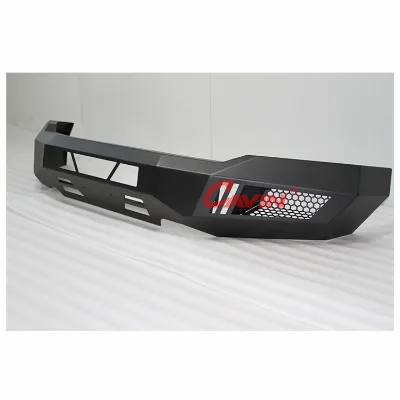


High-Quality & Durable Front Bumper Made in China with Competitive Price
$100.00 - $399.00
MOQ: 1 Pieces

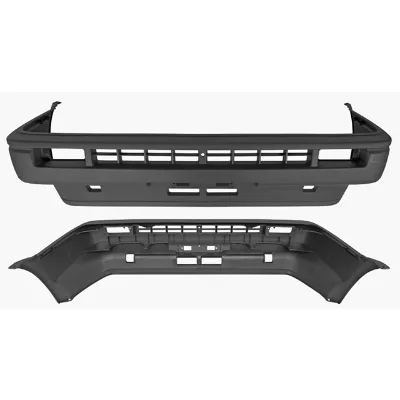


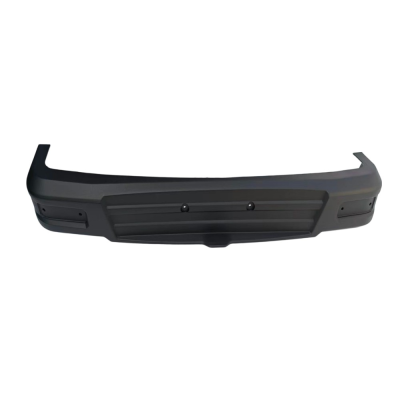


Comprehensive Sourcing Guide
Strategic Sourcing Guide for Sport Style Front Bumpers
Understanding Technical Specifications and Design Variations
When sourcing a Sport Style Front Bumper, the primary objective is to align the physical dimensions and material composition with the specific vehicle architecture while ensuring the aesthetic intent of a "sport" design is met. The market presents a diverse array of configurations, ranging from heavy-duty steel constructions to lightweight plastic assemblies. In the current supply landscape, buyers must verify that the product model dimensions align precisely with their vehicle's mounting points. For instance, specific listings indicate a standardized model size of 1090mm in length, 250mm in width, and 155mm in height, which serves as a critical reference point for compatibility checks.
Material selection is the second pillar of technical specification. The supply chain offers both plastic and steel variants, each serving different performance and aesthetic goals. Plastic components are frequently cited as the standard for modern sport bumpers due to their ability to absorb impact and allow for complex, aerodynamic molding. Conversely, steel options are often found in heavy-duty applications or specific aftermarket designs where structural rigidity is prioritized over weight reduction. Buyers must confirm the material grade, as some suppliers specify standards such as 201 Stainless Steel for specific components, while others rely on generic plastic formulations. The finish is equally critical; observed market data indicates that sport style bumpers typically arrive in Black or Silver, with some options offering customizable colors to match vehicle branding.
The "sport style" designation often implies specific aerodynamic features, such as integrated fog light housings, aggressive lower grilles, or vented designs. While specific aerodynamic performance metrics are rarely standardized across all suppliers, the physical form factor must accommodate these features. Buyers should verify the "Position" attribute, ensuring the product is explicitly listed as a "Front Bumper" rather than a rear or side component. Furthermore, the condition of the part is a non-negotiable specification; the market predominantly supplies "New" condition items, though buyers must distinguish between brand-new OEM replacements and aftermarket modifications. The "Type" attribute often clarifies the specific nature of the part, such as whether it is a complete assembly or a cover, which directly impacts installation complexity.
Compliance, Certification, and Regulatory Standards
Navigating the regulatory landscape for automotive parts requires a rigorous verification of certifications and standards. In the global B2B market, the CE certification is a frequently observed compliance marker for products originating from China, indicating adherence to specific health, safety, and environmental protection standards. However, the presence of a CE mark does not automatically guarantee compliance with the regulations of the buyer's specific destination country, such as FMVSS in the United States or ECE regulations in Europe. Buyers must treat the CE certification as a baseline observation and verify if additional, region-specific certifications are required for the Sport Style Front Bumper to be legally installed and operated.
Standardization is another critical area where buyers must exercise caution. While some product listings reference specific dimensional standards, such as a length of 1090mm and width of 250mm, these are often model-specific rather than universal industry standards. The "prod_standard" attribute in supplier data can vary significantly, ranging from precise dimensional lists to general terms like "customizable." This variability suggests that there is no single, universal standard for all sport style front bumpers. Instead, buyers must rely on the "OEM Support" attribute to ensure that the part is designed to meet the original equipment manufacturer's specifications for their specific vehicle make and model.
Origin and manufacturing location also play a role in compliance. The supply chain includes products originating from various regions, including Shandong, Guangdong, and Taiwan. Each region may have different local regulatory frameworks and quality control cultures. For example, products from "Guangdong, China (Mainland)" or "Taiwan" may carry different implied standards of manufacturing rigor compared to other regions. Buyers should verify the "Place of Origin" and ensure that the supplier can provide documentation proving that the manufacturing process adheres to the safety and environmental standards required in the target market. Additionally, the "Quality" attribute, often stated as "100% Tested," should be scrutinized to understand the scope of these tests, ensuring they cover structural integrity and fitment rather than just cosmetic appearance.
Cost Drivers and Pricing Structures
The pricing of sport style front bumpers is influenced by a complex interplay of material costs, manufacturing complexity, and order volume. The observed market price range is vast, spanning from $1 to $200,000 USD. This extreme variance indicates that the market includes everything from simple, low-cost plastic covers to highly engineered, custom-fabricated steel assemblies with advanced coatings. Buyers must understand that the "low-end" of this range likely corresponds to basic plastic components with minimal customization, while the "high-end" reflects heavy-duty steel parts, custom finishes, or bulk industrial orders.
Material composition is a primary cost driver. Steel components, particularly those made from specific grades like 201 Stainless Steel, generally command a higher price point than standard plastic counterparts due to the raw material cost and the energy-intensive nature of steel fabrication. Conversely, plastic bumpers benefit from lower material costs and faster molding cycles, often resulting in a more competitive price. However, the complexity of the mold required to achieve a "sport style" aesthetic can increase the unit cost of plastic parts, especially if the design includes intricate vents or integrated lighting housings.
Order volume and Minimum Order Quantity (MOQ) significantly impact the final cost per unit. The observed MOQ range in the market is 1 to 500 units. Suppliers offering an MOQ of 1 are typically catering to sample orders or small-scale customization, which often carries a premium price per unit. In contrast, suppliers with an MOQ of 500 are likely offering bulk pricing structures that reduce the unit cost through economies of scale. Buyers should note that the "Selling Units" attribute often specifies "Single item," which may imply that the listed price is for a single unit, but bulk discounts may be available upon negotiation. Additionally, the "Customization" attribute is a key cost factor; while customization is available, the degree of customization required—whether it is a simple color change or a complete redesign—will directly influence the final price.
Typical Applications and Vehicle Compatibility
Sport style front bumpers are designed for a wide range of vehicle applications, but their fitment is strictly dependent on the specific make, model, and year of the vehicle. The market data indicates that these parts are primarily intended for "Car" and "Truck" applications, with specific mentions of "SUV Car" and "Pickup" models. This suggests that the sport style aesthetic is particularly popular in the light truck and SUV segments, where buyers often seek to enhance the rugged or aggressive appearance of the vehicle.
The "Car Make" attribute in supplier listings often states "Other," which implies that the parts may be universal or designed for a wide range of generic models rather than a single specific manufacturer. However, for a successful procurement, buyers must verify the compatibility with their specific vehicle. The "Model Number" and "Product Name" fields are critical here; for example, a product listed as "Car Rear Bumper" is clearly not suitable for a front bumper application, highlighting the importance of precise keyword matching. Buyers should look for listings that explicitly state the vehicle compatibility, such as "Pickup" or "SUV," and cross-reference these with their own vehicle specifications.
The "Application" attribute further clarifies the intended use. While some parts are listed for general "Car" use, others are specifically targeted at "Truck" applications. This distinction is vital because truck bumpers often require higher impact resistance and different mounting points compared to passenger car bumpers. The "Position" attribute, which distinguishes between "Front Bumper" and "Rear Bumper," is the most critical filter for buyers. A Sport Style Front Bumper must be explicitly identified as such to ensure it fits the front fascia of the vehicle. Additionally, the "Condition" being "New" ensures that the part is ready for immediate installation without the need for refurbishment, which is a common requirement for aftermarket upgrades.
Supplier Evaluation and Supply Chain Reliability
Evaluating suppliers for sport style front bumpers requires a deep dive into their operational capabilities, including production capacity, logistics, and communication channels. The "Supply Ability" attribute provides a quantitative measure of a supplier's capacity, with some listings indicating a capacity of 300 pieces per month. This figure is crucial for buyers planning large-scale procurement; a supplier with a low monthly capacity may struggle to meet high-volume orders or tight deadlines. Buyers should verify if the supplier can scale production to meet their specific volume requirements, especially if they are sourcing for a fleet or a large retail operation.
Logistics and shipping are equally important factors in supplier evaluation. The "Port of dispatch" and "Port" attributes reveal the logistical hubs from which the supplier operates. Listings mention ports in "Taiwan," "Guangzhou," and "Shandong," indicating that the supply chain is distributed across different regions. Buyers must consider the shipping costs and lead times associated with these ports, as well as the reliability of the shipping routes. The "Packaging Details" attribute, which often specifies "1pc in a carton" or "Bubble Bags and EPE," is another indicator of the supplier's attention to detail. Proper packaging is essential to prevent damage during transit, especially for delicate plastic or painted components.
Communication and sample availability are also key indicators of supplier reliability. The "for Sample" attribute often states "Contact with Our Sales," suggesting that samples are available but require direct negotiation. This is a standard practice in B2B procurement, allowing buyers to verify the quality and fitment of the product before committing to a large order. Buyers should prioritize suppliers who are responsive and willing to provide samples, as this demonstrates a commitment to quality assurance. Additionally, the "Payment Terms" attribute, such as "T/T" (Telegraphic Transfer), is a standard industry practice, but buyers should ensure that the terms are clear and secure, with options for escrow or letter of credit if the order value is high.
Quality Control and Long-Term Procurement Considerations
Quality control is the final and perhaps most critical aspect of sourcing sport style front bumpers. The "Quality" attribute often claims "100% Tested," but buyers must verify the scope and methodology of these tests. Does the testing cover dimensional accuracy, material strength, paint adhesion, or impact resistance? The "Warranty" attribute, which is frequently listed as "12 Months" or "12 Monthes," provides a baseline assurance of quality. However, the warranty terms should be carefully reviewed to understand what is covered, such as manufacturing defects versus damage caused by improper installation.
Long-term procurement considerations involve assessing the supplier's ability to maintain consistency and provide after-sales support. The "Customization" attribute indicates that suppliers are willing to adapt their products to specific buyer needs, which is a significant advantage for long-term partnerships. However, buyers should ensure that the customization process is well-documented and that the supplier can replicate the custom specifications for future orders. The "OEM Support" attribute is also a strong indicator of a supplier's capability to produce parts that meet original equipment standards, which is essential for maintaining vehicle integrity and safety.
Finally, buyers should consider the "prod_packing" and "prod_standard" attributes as indicators of the supplier's attention to detail. Consistent packaging standards, such as the use of "Corrugated Boxes" or "EPE and Bubble Bag," suggest a professional approach to logistics. Similarly, adherence to specific standards, whether dimensional or material-based, indicates a commitment to quality. By thoroughly evaluating these factors, buyers can ensure that their procurement of sport style front bumpers is not only cost-effective but also reliable and sustainable in the long term.
| Attribute Category | Key Observation | Buyer Verification Action |
|---|---|---|
| Dimensions | 1090250155mm (Specific Model) | Verify fitment against vehicle chassis. |
| Material | Plastic, Steel (201 Stainless) | Confirm material grade for durability needs. |
| Certification | CE (Observed) | Check for region-specific compliance (e.g., DOT, ECE). |
| MOQ | 1 - 500 units | Negotiate volume discounts based on order size. |
| Warranty | 12 Months | Review terms for defect coverage and claims process. |
| Origin | China (Shandong, Guangdong), Taiwan | Assess logistics costs and lead times from specific ports. |
| Packaging | Carton, EPE, Bubble Bag | Ensure packaging prevents transit damage. |
FAQs
What certifications are available for sport style front bumpers?
CE certification is available for these products. This indicates adherence to specific health, safety, and environmental protection standards, though buyers must verify if additional region-specific certifications are required for their destination country.
Which materials are used for sport style front bumpers?
Products are available in both plastic and steel materials. Plastic is common for modern designs, while steel options like 201 Stainless Steel offer structural rigidity for heavy-duty applications or specific aftermarket designs.
Can I customize the dimensions of a Sport Style Front Bumper?
Customization is available for product dimensions and specifications. While some models have fixed sizes like 1090mm length, many listings offer customizable standards to align with specific vehicle mounting points and aesthetic requirements.
What is the minimum order quantity for these bumpers?
The minimum order quantity ranges from 1 to 500 units. An MOQ of 1 allows for sample orders, while higher quantities often unlock bulk pricing structures through economies of scale for larger procurement needs.
How are sport style front bumpers packaged for shipping?
Packaging varies by supplier but often includes corrugated boxes, cartons, PP film, or bubble bags with EPE. Proper packaging is essential to prevent damage to delicate plastic or painted components during transit.
Which vehicle applications are compatible with these bumpers?
These parts are designed for car, truck, SUV, and pickup applications. Buyers must verify the specific position, such as front or rear, and ensure the product model aligns with their vehicle make and model.