Portable Vacuum Milk Warmer Suppliers and Manufacturers
Compare 33 verified suppliers offering portable vacuum milk warmers with varying lead times, response speeds, and certifications like ISO9001:2015 and FDA. Review product specifications including voltage, material, and MOQ to select the right partner for your needs; review the available evidence before requesting comparable quotations from suitable candidates.
Updated
Suppliers List
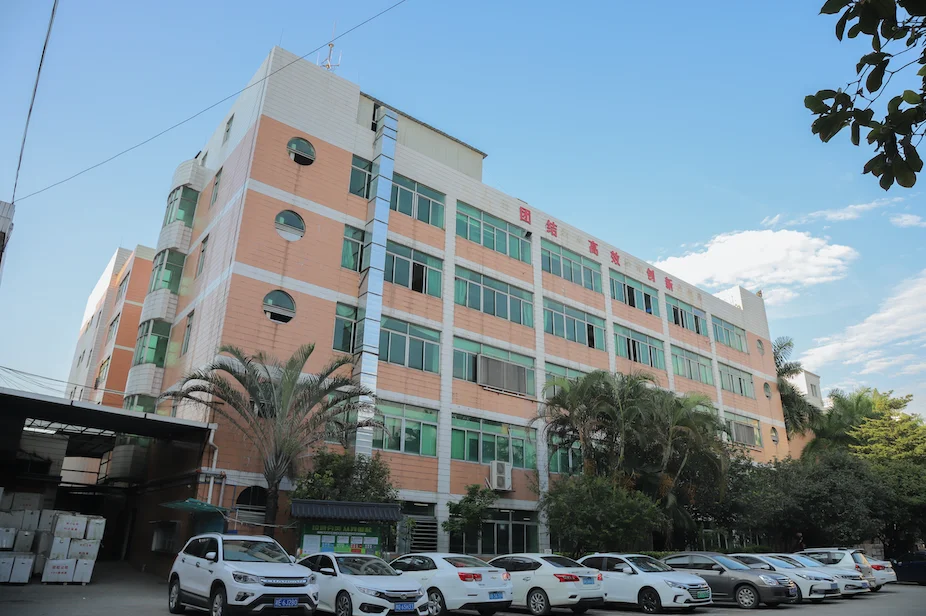
Wuxi Owgels Medical Instruments Co., Ltd.
- Trading Company
- Jiangsu, China
- Lead time7 days
- Avg. response≤ 3h
Main productsBaby care products,medical products
Main marketsSoutheast Asia(50.00%), Central America(5.00%), North America(5.00%), South Asia(4.00%), Southern Europe(4.00%), Northern Europe(4.00%), Eastern Europe(4.00%), Western Europe(4.00%), Eastern Asia(4.00%), Mid East(4.00%), Oceania(4.00%), Africa(4.00%), South America(4.00%)

Joystar Electrical Appliances Manufacturing Co., Ltd.
- Verified by SGS
- Combined
- China Guangdong
- Lead time30 days
- Avg. response≤ 2h
Main productsBottle Sterilizer Baby Bottle Warmer
Main marketsOthers(foreignTradeCapacity.exportBusinessCapacityMarketOther),Europe


Portable Milk Warmer for Travel, Portable Bottle Warmer with Fast Heating
$16.00 - $17.00
MOQ: 1000 pieces

Wireless Car USB Portable Travel Wireless Travel USB Portable Milk Warmer
$17.00 - $18.00
MOQ: 1000 pieces

Rechargeable Portable USB Travel Infant Baby Feeding Heat Milk Bottle Warmer
$17.00 - $18.00
MOQ: 1000 pieces

Travel Wireless Cordless Baby Feeding Rechargeable Portable Milk Bottle Warmer
$17.00 - $18.00
MOQ: 1000 pieces

Shenzhen Fitconn Technology Co., Ltd.
- Verified by SGS
- Trading Company,Manufacturer/Factory
- China Guangdong
- Lead time23 days
- Avg. response≤ 10h
Main productsCompressor Nebulizer, Mesh Nebulizer, Anti Decubitus Air Mattress, Blood Pressure Monitor, Pulse Oximeter, Fetal Doppler, Themometer, DC Compressor Nebulizer, Glucose Meter, Mini Masager
Main marketsSouth America,Eastern Europe,Mid East,Eastern Asia,Oceania,Western Europe


Milk Heater Quick Heating USB Electric Portable Outdoor Baby Feeding Milk Bottle Warmer
$18.20 - $18.40
MOQ: 500 Pieces


Mini Milk Heater Electric Portable Rechargeable Baby Bottle Warmer for Baby Milk
$17.90 - $18.40
MOQ: 500 Pieces

High Quality Smart Touch Screen Electric Bottle Warmer Portable Baby Milk Warmer
$9.90 - $10.99
MOQ: 500 Pieces


Shanghai David International Trade Co., Ltd.
- Verified by TUVRHEINLAND
- Combined
- China Shanghai
- Lead time15 days
- Avg. response≤ 9h
Main productsPromotional Gifts, Gift Sets, Tshirts, Hats, Hot Packs, Hot Cold Packs, Ice Packs, Bags, Umbrellas, Water Bottles
Main marketsSouth America,Africa,Southeast Asia/ Mideast,East Asia(Japan/ South Korea),Domestic,Europe,Australia,North America

- Verified by CTI
- Trading Company
- China Zhejiang
- Lead time23 days
- Avg. response≤ 15h
Main productsEarring, Vase, Scented Candles, Hair Ties, Bags
Main marketsSouth America,Europe,North America


Hot Selling Portable Wireless Baby Milk Warmer Heating Milk Baby Formula Bottle Warmer
$20.90 - $22.00
MOQ: 1000 Pieces

Shenzhen Qianhai Zhilin E-Commerce Co., Ltd.
- Trading Company
- Lead time旺季: "1 - 889":15,"> 889":"To be negotiated", 淡季: "1 - 889":15,"> 889":"To be negotiated"
- Avg. response≤ 4h
Main productsElectric Foot File Callus Remover, Dermaplaning Tool, Makeup Airbrush Kit, Electric Manicure Pedicure Tool, Water Oxygen Jet Spray Pen
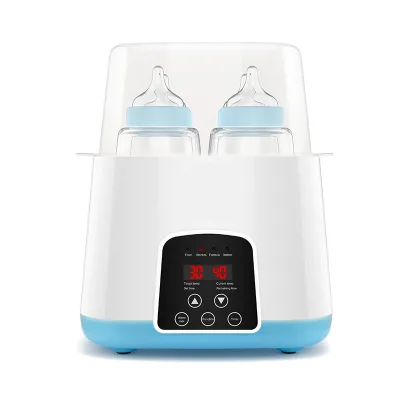
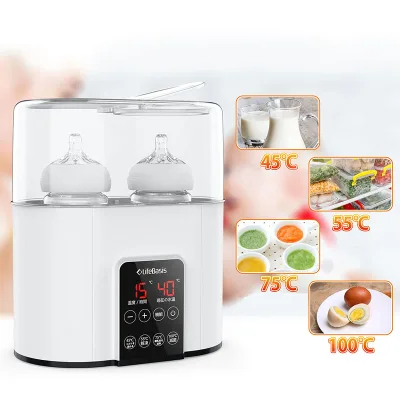
$8.80 - $10.40
MOQ: 20 pieces
Shenzhen Atibei Technology Co., Ltd.
- Trading Company, Agent, Distributor/Wholesaler
- Guangdong, China
- Lead time2 days
- Avg. response≤ 3h
Main productsBaby Tray,Infant spoon,baby bottle,Radiation-proof clothes for pregnant women,maternity belly support belt
Main marketsNorth America(28.00%), Eastern Europe(20.00%), Domestic Market(15.00%), South America(11.00%), Northern Europe(10.00%), Southeast Asia(6.00%), Eastern Asia(5.00%), Africa(5.00%)

Guangdong RoRo Baby Products Co., Ltd.
- Verified by TUVRHEINLAND
- Manufacturer/Factory
- China Guangdong
- Lead time23 days
- Avg. response≤ 4h
Main productsBaby Bottle Baby Feeding Bottle Baby Feeder, Nipple Teat Baby Bottle Nipple, Pacifier Soother Baby Pacifier, Teether Baby Teether Baby Soother, Water Cup Baby Drink Cup Baby Training Cup, Food Container Milk Powder Box Milk Powder Case, Baby Water Bottle, Breast Pump Breast Shield Silicone Breast Pump, Manual Breast Pump Baby Bowl Baby Spoon, Fruit Feeder Glass Bottle Food Feeder Baby Care
Main marketsSouth America,Eastern Europe,Mid East,North America,Southeast Asia,Eastern Asia,Oceania,Western Europe,Africa

Wenzhou Shifengxu Technology Co., Ltd.
- Verified by SGS
- Combined
- China Zhejiang
- Lead time15 days
- Avg. response≤ 5h
Main marketsDomestic
Guangzhou Jingpeng Electronic Technology Co., Ltd.
- Manufacturer, Trading Company
- Guangdong, China
- Lead time7 days
- Avg. response≤ 4h
Main productsnight light,table lamp,solar lamp,grow light,led strip
Main marketsNorth America(60.00%), South Asia(5.00%), Southern Europe(5.00%), Northern Europe(5.00%), Western Europe(5.00%), Eastern Asia(5.00%), Southeast Asia(5.00%), Eastern Europe(5.00%), South America(5.00%)
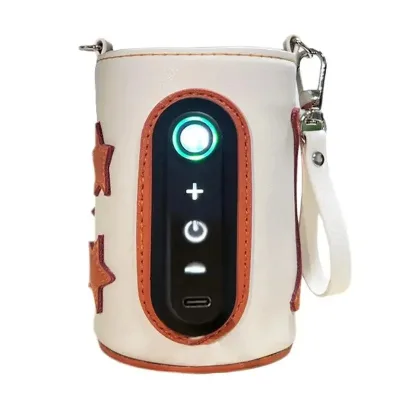
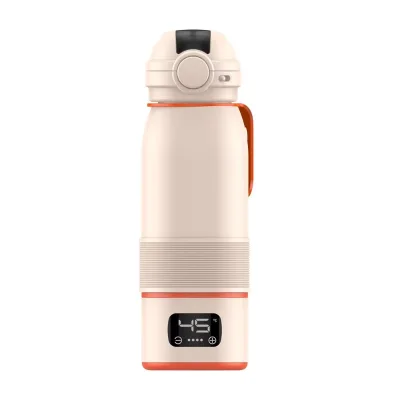
$32.3853 - $34.7491
MOQ: 2 pieces
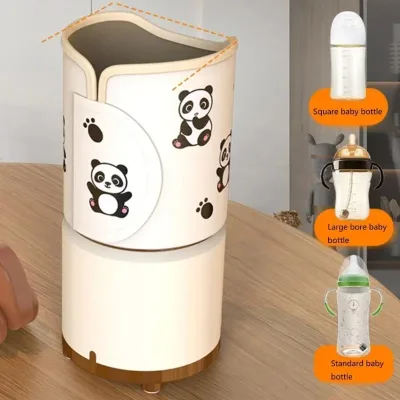
$11.256 - $14.8377
MOQ: 1 pieces
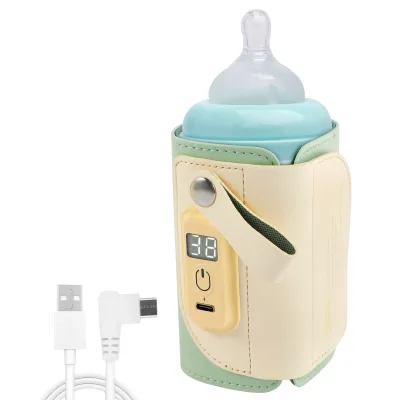
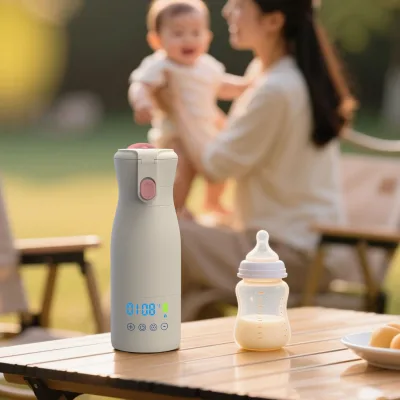
$31.1659 - $36.6501
MOQ: 10 pieces
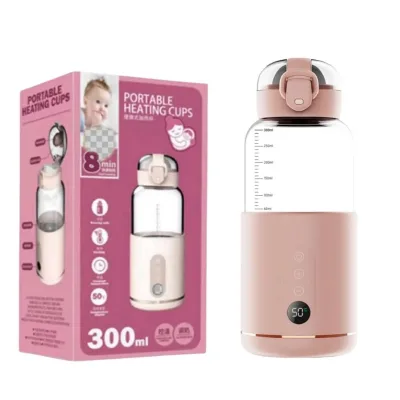
Foshan Dearfrog Mother And Baby Products Co., Ltd.
- Verified by TüVRheinland
- Manufacturer, Trading Company
- Lead time20 days
- Avg. response≤ 9h
Main productsBottle Warmer, Water Warmer, Food Warmer, Baby Bottle Washer
Main marketsNorth America(30%), Domestic Market(16%), Southeast Asia(10%)
Shenzhen Joyren Maternal And Baby Products Co., Ltd.
- Verified by TüVRheinland
- Manufacturer, Trading Company
- Lead time30 days
- Avg. response≤ 4h
Main productsBaby Safety & Care Products, Stroller Accessories, Cars Accessories, Baby On The Go Products, Baby Other Product
Main marketsWestern Europe(50%), North America(20%), Eastern Asia(20%)
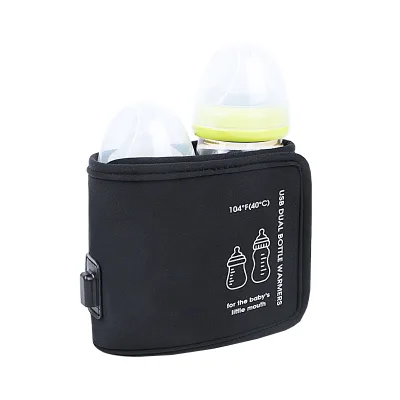
$4.8325 - $4.9868
MOQ: 1000 pieces
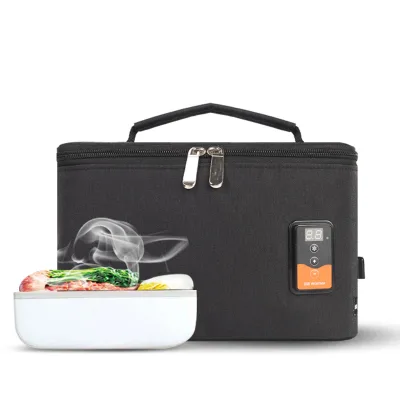
2021 New Design Smart Display USB Food Warmer Baby Bottle Warmer Portable Car Food Warmer
$8.7708 - $9.0689
MOQ: 3

- Trading Company
- China Zhejiang
- Lead time30 days
- Avg. response≤ 13h
Main productsHome Appliance, Cookware Set, Thermos, Home Storage, Furniture, Pet Supplies, Garden Tools, Outdoor Supplies, Baby Supplies, Houesehold Items
Main marketsSouth America,Africa,Southeast Asia/ Mideast,East Asia(Japan/ South Korea),Domestic,Europe,Australia,North America

Milk Warmer Baby Bottle Warmer for Breastmilk, Portable Bottle Warmer for Travel
$6.20 - $7.26
MOQ: 1000 Pieces


- Verified by SGS
- Trading Company
- China Zhejiang
- Lead time15 days
- Avg. response≤ 10h
Main productsFan, Heater Fan, Air Fryer, Toaster, Rice Cooker, Vacuum Cleaner, Coffee Machine, Hairdressing Appliance, Electric Toothbrush, Steam Iron
Main marketsEurope,Australia

Cost-Effective Mini Milk Heater Electric Portable Rechargeable Baby Bottle Warmer
$17.90 - $18.40
MOQ: 500 Pieces


Quality Guaranteed Baby Electric Milk Bottle Warmer Portable Round Screen
$11.50 - $13.00
MOQ: 100 Pieces
Xuzhou Solam Electrical Appliances Co., Ltd.
- Trading Company
- Jiangsu, China
- Lead time20 days
- Avg. response≤ 2h
Main productsHome Appliances,washing machines,water dispenser,air fryer,rice cooker
Main marketsNorth America(30.00%), Southeast Asia(25.00%), Western Europe(15.00%), Domestic Market(10.00%), South Asia(5.00%), Eastern Europe(5.00%), Africa(4.00%), South America(3.00%), Mid East(3.00%)
Fimilla (Shanghai) Maternity & Baby Articles Co., Ltd.
- Manufacturer
- Shanghai, China
- Lead time30 days
- Avg. response≤ 3h
Main productsBreast Pump,Baby Bottle Warmer,Baby bottle sterilizer,Baby food makers,Baby care products
Main marketsDomestic Market(50.00%), Southeast Asia(15.00%), North America(10.00%), Eastern Asia(6.00%), Western Europe(5.00%), Oceania(5.00%), Mid East(5.00%), South America(4.00%)
Shenzhen Fitconn Technology Co., Ltd.
- Verified by TüVRheinland
- Manufacturer, Trading Company
- Lead time20 days
- Avg. response≤ 4h
Main productsNebulizer, Digital Thermometer, Fetal Doppler, Blood Pressure Monitor, Medical Air Mattress
Main marketsMid East(15%), North America(10%), South America(10%)
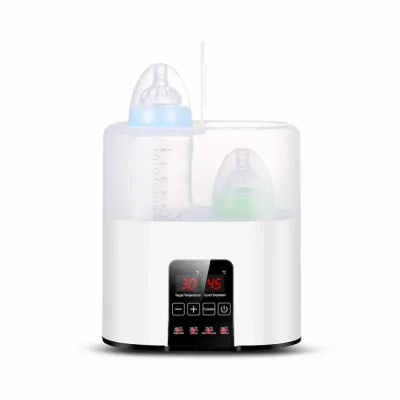
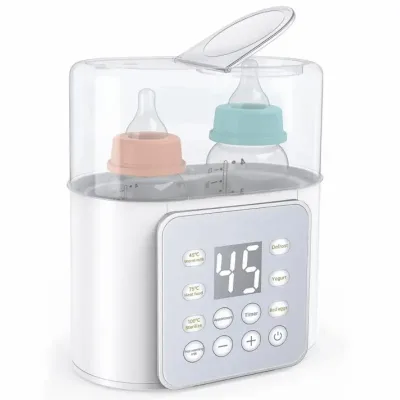
$10.1325 - $12.4064
MOQ: 2 pieces
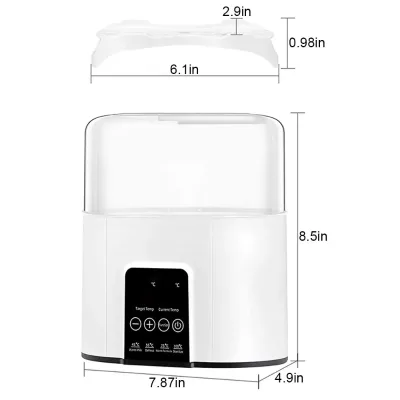
Shenzhen Dechuang Xinghua Technology Co., Ltd.
- Manufacturer
- Guangdong, China
- Lead time5 days
- Avg. response≤ 4h
Main productsSmall Appliances,Personal Blender,Portable Blender,Food Processors,Ice Cream Makers
Main marketsNorth America(34.00%), Western Europe(33.00%), Eastern Asia(15.00%), South Asia(10.00%), Africa(8.00%)
$15.00 - $20.00
MOQ: 18 pieces

Jinjiang Jiaxing Import and Export Co., Ltd.
- Verified by CTI
- Manufacturer/Factory
- China Fujian
- Lead time120 days
- Avg. response≤ 2h
Main productsShoes, Slipper, Clothes, Promotion Gifts, Silicone Products, Outdoor Sports Products, Bags, Fashion Accessories, Consumer Electronics
Main marketsSouth America,Eastern Europe,Mid East,North America,Southeast Asia,Eastern Asia,Oceania,Western Europe,Africa
Liupima (dongguan) Technology Co., Ltd.
- Manufacturer, Trading Company
- Guangdong, China
- Lead time14 days
- Avg. response≤ 2h
Main productsWater Dental Flosser, Electric Cleaning Brush, Ultrasonic Dental Scaler, Small Household Appliances
Main marketsNorth America(45.00%), Eastern Europe(15.00%), Mid East(15.00%), Southeast Asia(10.00%), Western Europe(5.00%), Southern Europe(5.00%), Northern Europe(5.00%)
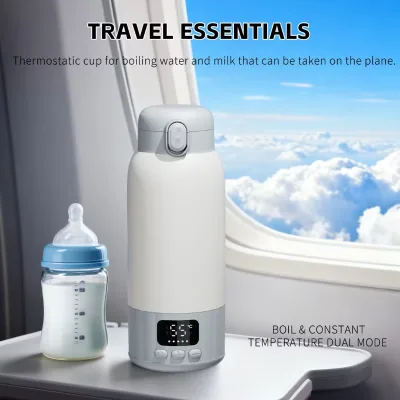
$20.7054 - $26.9176
MOQ: 1 pieces
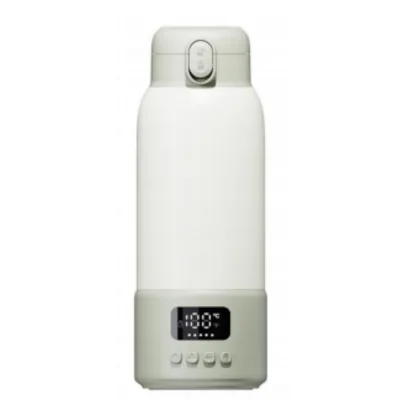
$25.8824 - $32.0932
MOQ: 1 pieces
Zhejiang Hangjia Industry And Trade Co., Ltd.
- Verified by TüVRheinland
- Manufacturer, Trading Company
- Lead time20 days
- Avg. response≤ 2h
Main productsBaby Electric Appliance, Steel Strip, Steel Pipe, Air Purifier
Main marketsSoutheast Asia(30%), North America(23%), Western Europe(23%)

Shenzhen Hanyu International Trade Co., Ltd.
- Verified by BV
- Trading Company
- China Guangdong
- Lead time15 days
- Avg. response≤ 1h
Main productsNose Care Appliance, Electric Nasal Aspirator, Baby Care Device, Nebulizer, Bottle Warmer, Breast Pump
Main marketsSouth America,Africa,Southeast Asia/ Mideast,East Asia(Japan/ South Korea),Europe,Australia,North America

Powered Wireless Fast-Heating Milk Constant Temperature Portable Bottle Warmer
$24.98 - $28.88
MOQ: 100 Pieces

USB Rechargeable Adjustable Temperature Wireless Baby Milk Bottle Warmer Portable
$3.99 - $5.49
MOQ: 100 Pieces

15000mAh Pasteurization 90W Rapid Milk Heating Wireless USB Portable Baby Bottle Warmer
$25.99 - $29.99
MOQ: 100 Pieces
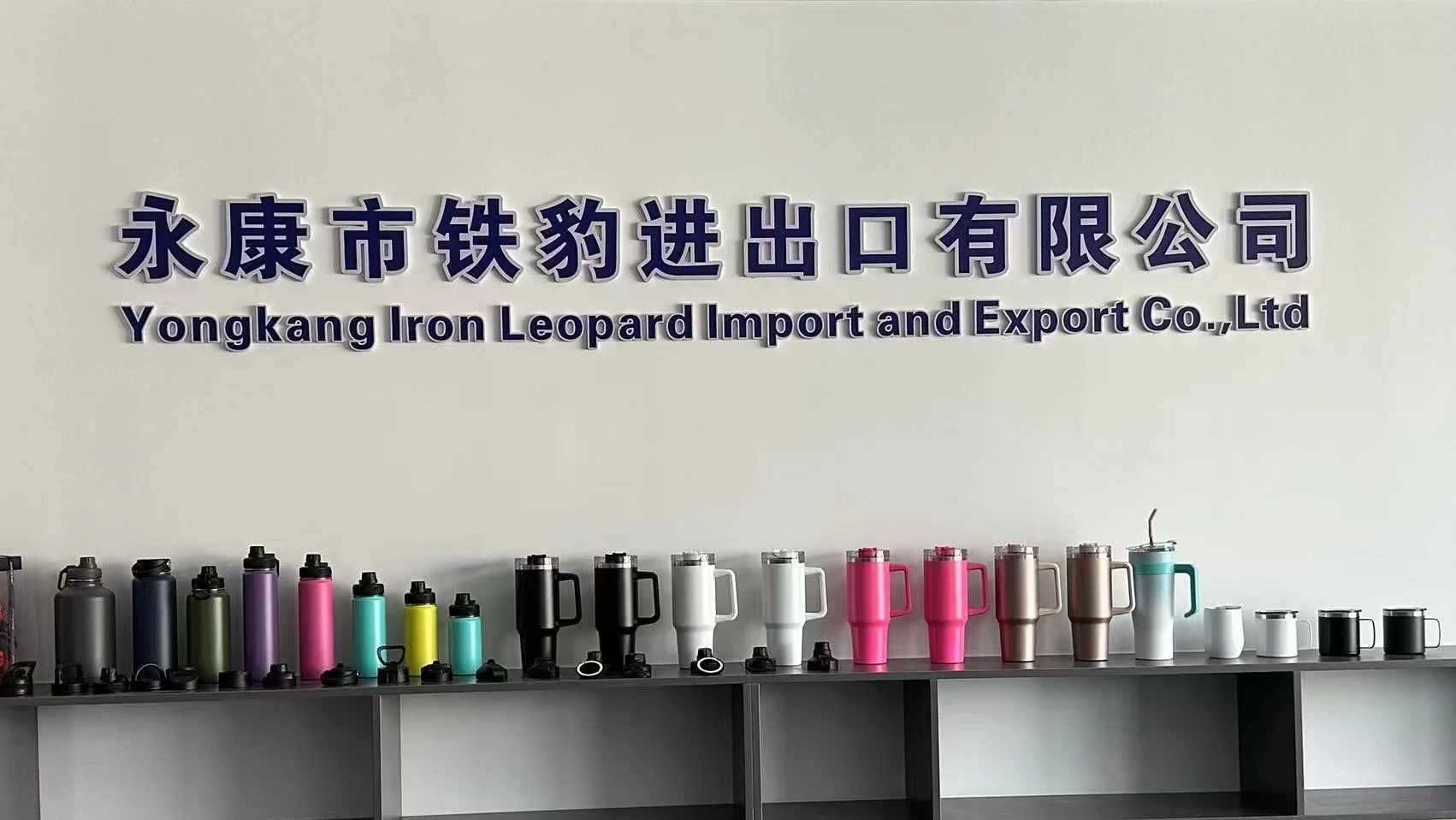
Yongkang Iron Leopard Import And Export Co., Ltd.
- Trading Company
- Zhejiang, China
- Lead time0 days
- Avg. response≤ 5h
Main productsWater Bottle, Tumbler, Lunch Box, Plastic Water Bottle, Glass Water Bottle
Main marketsNorth America(60.00%), Western Europe(20.00%), Mid East(15.00%), South America(5.00%)

Foshan Kinterest Mother and Baby Product Co., Ltd.
- Manufacturer
- Guangdong, China
- Lead time25 days
- Avg. response≤ 5h
Main productsBottle warmer,Breast pump,Feeding bottle,Milk powder Formula Dispenser,Portable Warmer Bowl
Main marketsNorth America(50.00%), Western Europe(10.00%), Southern Europe(10.00%), Eastern Europe(10.00%), Northern Europe(10.00%), Oceania(5.00%), South America(5.00%)
Foshan Wuke Smart Technology Co., Ltd.
- Verified by SGS Group
- Manufacturer, Trading Company
- Lead time30 days
- Avg. response≤ 2h
Main productsRechargeable Lunch Box, Rechargeable Fans, Rechargeable Baby Bottle Warmers, Rechargeable Hair Dryer, Rechargeable Kettle, Rechargeable Sealer
Main marketsNorth America(40%), Western Europe(40%), Mid East(10%)
Shenzhen Dear Baby Technology Co., Ltd.
- Trading Company
- Guangdong, China
- Lead time25 days
- Avg. response≤ 2h
Main productsBreast Pump, Bottle Warmer, Feeding Products, Mom Care Products, Baby Care Products
Main marketsNorth America(30.00%), Western Europe(25.00%), Southeast Asia(15.00%), Oceania(15.00%), Africa(5.00%), Mid East(5.00%), South America(5.00%)
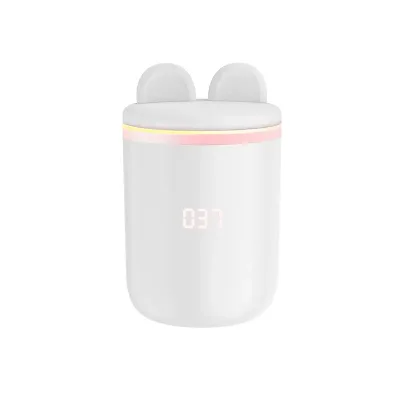
$21.5667 - $23.622
MOQ: 1 pieces
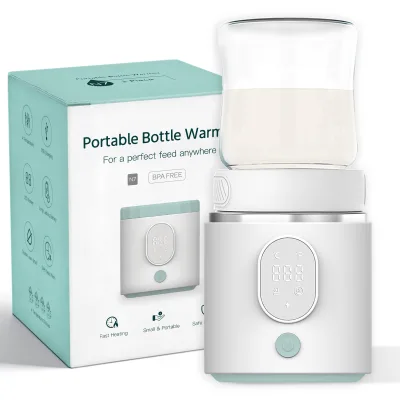
$19.5115 - $23.622
MOQ: 24 pieces
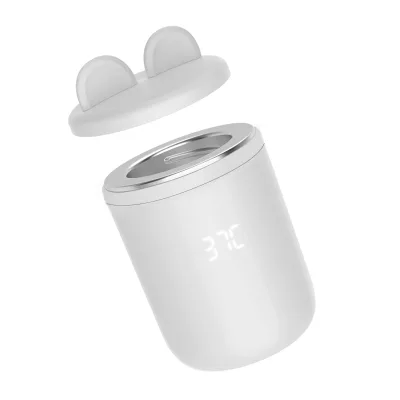
Guangdong Bruce Technology Co., Ltd.
- Verified by TüVRheinland
- Manufacturer, Trading Company
- Lead time45 days
- Avg. response≤ 4h
Main productsBreast Pump, Baby Food Processor, Baby Bottle Warmer, UV Sterilizer, Formula Dispenser
Main marketsNorth America(25%), Western Europe(25%), Southeast Asia(15%)
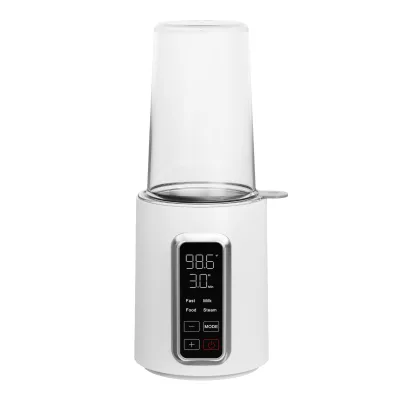
$10.8111 - $12.3555
MOQ: 1000 pieces
Shenzhen Junyi Hardware Manufacturing Mold Co., Ltd.
- Trading Company
- Guangdong, China
- Lead time0 days
- Avg. response≤ 4h
Main productsWireless Charging Mouse Pad, Portable Fans, Makeup Mirror, Mobile Phone Accessories, Digital Voice Recorders
Main marketsNorth America(45.00%), Western Europe(10.00%), Southern Europe(10.00%), Northern Europe(10.00%), South America(5.00%), Oceania(4.00%), Eastern Asia(4.00%), Africa(4.00%), Mid East(4.00%), Southeast Asia(4.00%)
Shenzhen Lianxinyuan E-Commerce Co., Ltd.
- Manufacturer, Trading Company, Distributor/Wholesaler, Other
- Guangdong, China
- Lead time3 days
- Avg. response≤ 1h
Main productsTraffic tools,charger,Electronic products,integrated circuit,Solar products
Main marketsNorth America(30.00%), Northern Europe(15.00%), South America(15.00%), South Asia(10.00%), Southern Europe(10.00%), Eastern Europe(10.00%), Western Europe(10.00%)
Yiluo Baby Products (hubei) Co., Ltd.
- Trading Company
- Hubei, China
- Lead time15 days
- Avg. response≤ 2h
Main productsBaby Stroller, Baby Walker, Baby Carrier, Baby Car Seat, Baby Bed
Main marketsNorth America(40.00%), Africa(20.00%), South America(15.00%), Western Europe(15.00%), Oceania(10.00%)
Foshan Shunde Lonsun Electrical Appliance Co., Ltd.
- Verified by TüVRheinland
- Manufacturer, Trading Company
- Lead time45 days
- Avg. response≤ 5h
Main productsBottle Warmer, Bottle Sterilizer, Baby Food Processor, Breast Pump, UV Sterilizer
Main marketsSouth America(58%), Western Europe(10%), Southern Europe(10%)
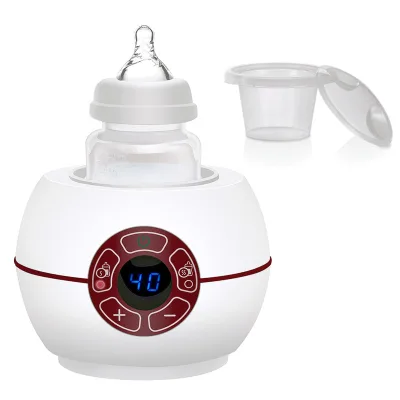
Mini Custom Logo High Quality Electric Baby Milk Bottle Warmer with Fast Heating and EU Plug
$9.2292 - $10.2538
MOQ: 1 pieces
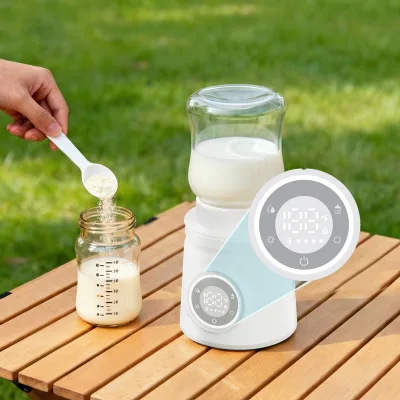
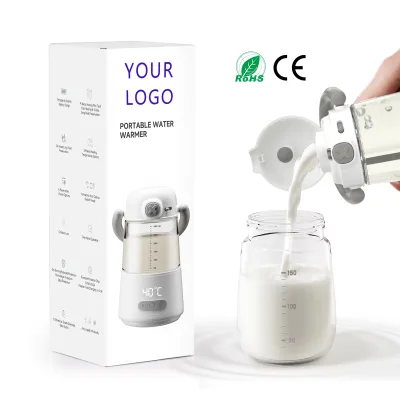
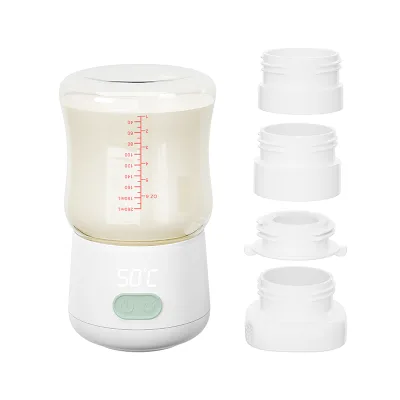
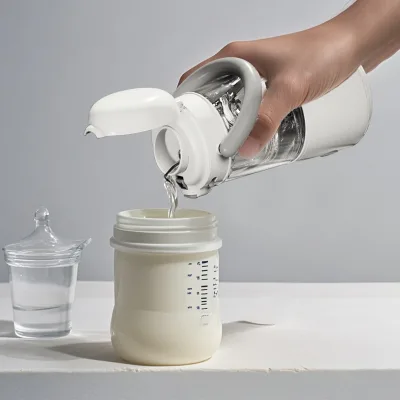
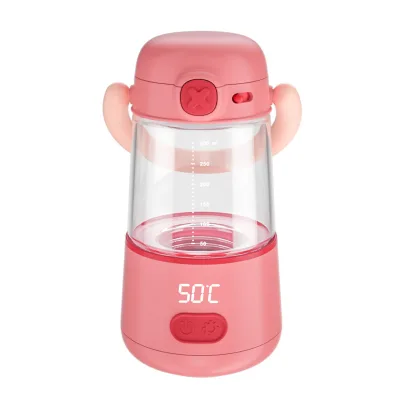
Manufacture Oem 40w White Portable Baby Bottle Warmer Battery Operated
$23.6055 - $24.8308
MOQ: 1 pieces
Guangzhou Lucky Electronic Trade Co., Ltd.
- Manufacturer, Trading Company, Distributor/Wholesaler
- Guangdong, China
- Lead time10 days
- Avg. response≤ 5h
Main productsHydrogen water generator,Heating kettle,small kitchen electrical appliances,household appliances,home and office tools
Main marketsNorth America(20.00%), South Asia(10.00%), Southern Europe(10.00%), Northern Europe(10.00%), Central America(10.00%), Western Europe(10.00%), Eastern Europe(10.00%), South America(10.00%), Eastern Asia(2.00%), Mid East(2.00%), Oceania(2.00%), Africa(2.00%), Southeast Asia(2.00%)
Guangzhou Wandai Technology Co., Ltd.
- Trading Company
- Guangdong, China
- Lead time7 days
- Avg. response≤ 8h
Main productsMilk Powder Formula Machine/Baby Warmer/Breast Pump,baby formula,portable baby formula milking maker,portable foldable kettle,Itching instrument
Main marketsNorth America(50.00%), Northern Europe(15.00%), Southeast Asia(15.00%), Eastern Europe(10.00%), Mid East(5.00%), South America(5.00%)
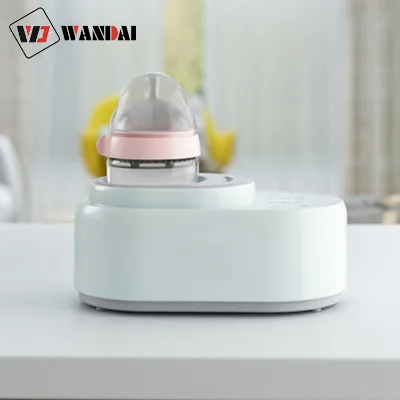
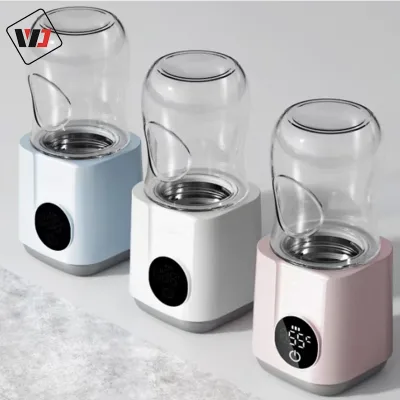
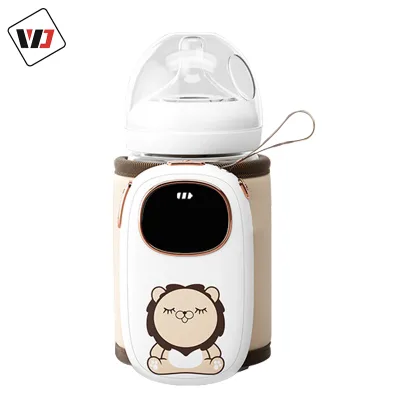
Best Selling Wireless Milk Water Warmer Household Surround Heating Baby Bottle Milk Warmer
$17.6479
MOQ: 1000 Minimum




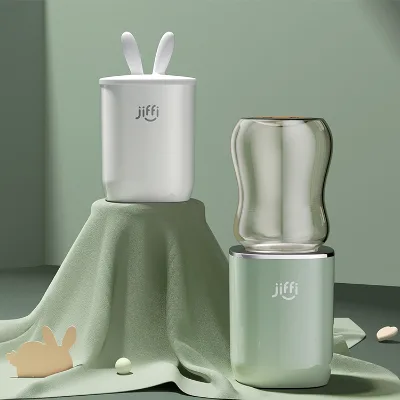
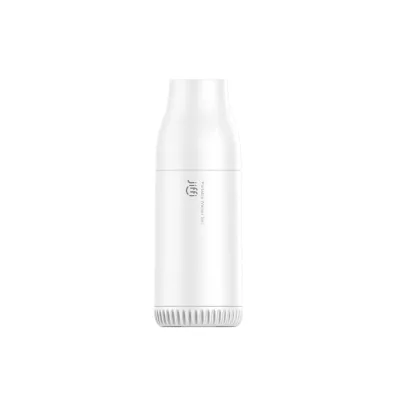
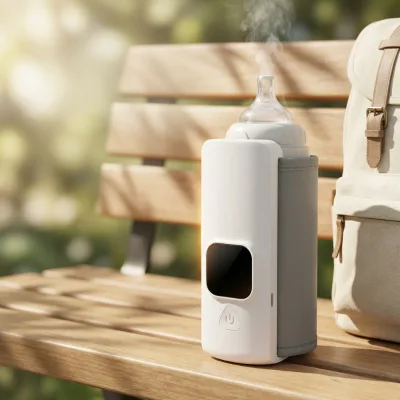
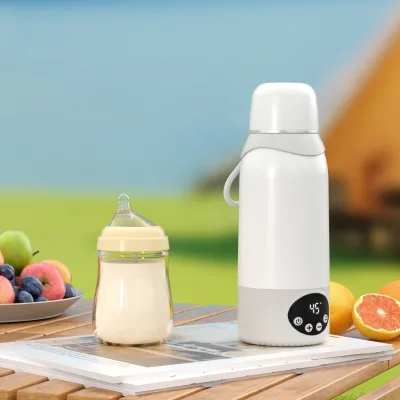


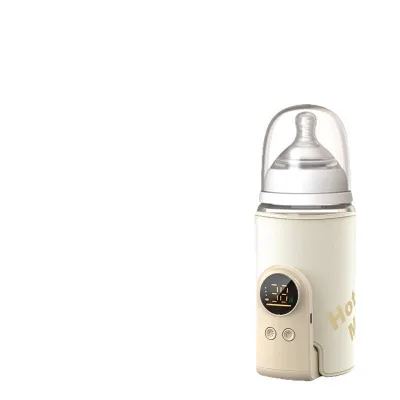
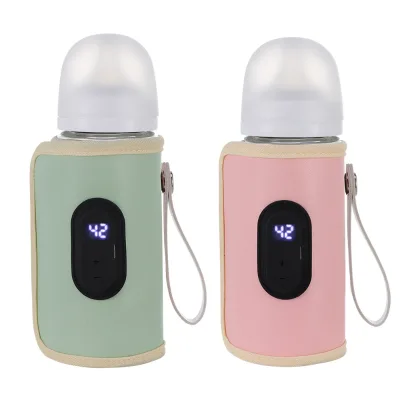
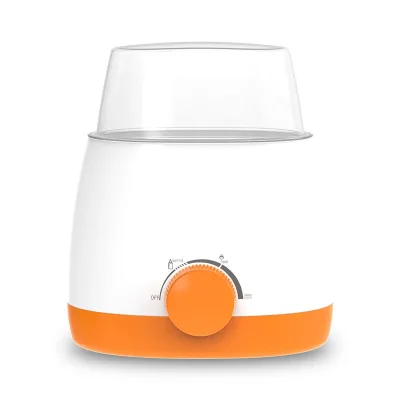
Comprehensive Sourcing Guide
Portable Vacuum Milk Warmer Supplier Concentration and Factory Types
The current supplier landscape for portable milk warming devices reveals a distinct geographic and structural concentration that buyers must navigate carefully. Evidence indicates that manufacturing activity is heavily clustered in Jiangsu and Guangdong provinces within China, with specific facilities located in Jiangsu producing items like the Qua-04 model. These suppliers often operate as trading companies or combined entities, meaning they may not own the physical production lines but instead manage the supply chain and quality control processes. This structure is critical for buyers to understand, as it affects communication channels, customization capabilities, and the transparency of the manufacturing process. The presence of trading companies suggests that while product variety might be high, direct factory engagement for deep technical modifications could be more complex than dealing with a pure manufacturer.
Furthermore, the types of companies listed include those with specific capabilities such as ODM and OEM services, alongside those offering their own brands. This diversity allows buyers to choose between standard off-the-shelf products and customized solutions tailored to specific brand requirements. For instance, some suppliers explicitly state acceptance of OEM and ODM orders, which is vital for businesses looking to create unique product identities. However, the distinction between a trading company and a combined entity or factory can impact lead times and minimum order quantities. Buyers should recognize that suppliers in Jiangsu might have different operational rhythms compared to those in Guangdong, potentially influencing shipping logistics and production scheduling. Understanding these structural differences helps in selecting a partner that aligns with the buyer's specific operational needs and scale of operation.
How to Verify Portable Vacuum Milk Warmer Suppliers
Verifying the legitimacy and capability of suppliers requires a multi-layered approach that goes beyond simple profile reviews. Buyers should prioritize suppliers who display specific verification badges, such as SGS verification, which serves as an external validation of the company's business practices and product quality standards. Additionally, checking for system certifications like ISO9001:2015 is crucial, as it indicates a standardized approach to quality management throughout the production process. These certifications are not merely decorative; they represent a commitment to consistent quality and operational efficiency, which is particularly important for baby care products where safety and reliability are paramount. Buyers must actively look for these credentials in the supplier's profile to ensure they are dealing with a reputable entity.
Beyond certifications, buyers should assess the supplier's responsiveness and historical performance metrics. A response time of under two hours, as seen with some suppliers, indicates a high level of operational efficiency and customer service readiness, which is essential for resolving issues quickly during the sourcing process. It is also important to verify the supplier's main product focus; companies specializing in baby care and medical products are likely to have deeper expertise and better quality control measures than general traders. Buyers should request detailed product specifications and test reports to confirm that the items meet international safety standards, such as FDA certification, which is listed for some models. This due diligence ensures that the supplier is not only legitimate but also capable of delivering products that meet the rigorous demands of the baby care market.
What to Compare Across Portable Vacuum Milk Warmer Suppliers
When evaluating multiple suppliers, buyers must compare key operational metrics to determine the best fit for their business needs. Lead time is a critical factor, with some suppliers offering a seven-day turnaround while others may require up to thirty days. This variance can significantly impact inventory management and order fulfillment strategies, so buyers should align their expectations with the supplier's stated capabilities. Additionally, minimum order quantities (MOQ) vary widely, ranging from one thousand to two thousand pieces, which affects the initial investment and risk exposure for new buyers. Understanding these thresholds helps in planning production runs and managing cash flow effectively, ensuring that the order size is feasible for the buyer's current market demand.
Price and product specifications are also essential comparison points. Prices for portable milk warmers can range from approximately six dollars to seventeen dollars, depending on features, materials, and customization options. Buyers should compare the value proposition of each option, considering factors like material quality (e.g., PET, PP, or PU), voltage requirements, and additional features such as app control or fast heating capabilities. It is also important to note the single package size and weight, as these factors influence shipping costs and storage requirements. By systematically comparing these attributes, buyers can identify suppliers that offer the best balance of cost, quality, and service, ensuring that their sourcing decisions are data-driven and aligned with their strategic goals.
Common Portable Vacuum Milk Warmer Sourcing Risks
One of the primary risks in sourcing portable milk warmers is the potential mismatch between product specifications and actual delivery. Buyers must be vigilant about verifying technical details such as voltage, plug type, and power consumption, as these can vary significantly between models and regions. For example, some products operate on 9V or 7.4V with USB plugs, while others may require 220-240V, which could lead to compatibility issues if not carefully checked. Additionally, the material composition, such as the use of PET or PP, must be confirmed to ensure it meets safety standards for baby products. Failure to verify these details can result in products that are unusable in the target market, leading to costly returns and reputational damage.
Another significant risk is the reliability of after-sales service and warranty support. While some suppliers offer overseas call centers and one-year warranties, the effectiveness of these services can vary. Buyers should inquire about the specific terms of the warranty and the process for claiming repairs or replacements. It is also important to assess the supplier's ability to handle defects and provide timely support, as this can impact customer satisfaction in the end market. Additionally, buyers should be cautious of suppliers who do not provide clear information about their customization capabilities or quality control processes. Ensuring that the supplier has robust mechanisms for addressing issues is crucial for maintaining a stable and successful supply chain.
Portable Vacuum Milk Warmer Regional Sourcing and Logistics
The geographic location of suppliers plays a significant role in determining logistics costs and delivery times. Suppliers located in Jiangsu and Guangdong provinces offer different logistical advantages, with Guangdong often being a hub for export-oriented manufacturing due to its proximity to major ports. Buyers should consider the shipping routes and transit times associated with each location, as these factors can impact the overall cost and speed of delivery. For instance, suppliers in Jiangsu might have different shipping options compared to those in Guangdong, which could affect the buyer's ability to meet tight deadlines. Understanding these regional differences helps in optimizing the supply chain and reducing logistical bottlenecks.
Furthermore, buyers should evaluate the packaging and labeling requirements to ensure compliance with international shipping regulations. The single package size and weight, such as 26.5x11x11 cm for some models, are critical for calculating freight costs and determining the number of units that can be shipped per container. Buyers should also consider the durability of the packaging to protect the products during transit, especially for electronic items that may be sensitive to shock and vibration. By carefully planning the logistics strategy, buyers can minimize costs and ensure that products arrive in good condition, ready for sale in the target market. This proactive approach to logistics management is essential for maintaining a competitive edge in the global marketplace.
Portable Vacuum Milk Warmer Commercial Terms and Order Planning
Commercial terms and order planning are critical components of a successful sourcing strategy. Buyers should negotiate clear payment terms, such as the use of escrow services, to protect their financial interests and ensure that funds are only released upon satisfactory delivery of the goods. This is particularly important for new suppliers or large orders, as it provides a layer of security against potential fraud or non-delivery. Additionally, buyers should establish clear communication channels for order tracking and updates, ensuring that they are informed of any delays or issues that may arise during production and shipping. This transparency helps in managing expectations and maintaining a strong relationship with the supplier.
Order planning should also take into account the supplier's production capacity and lead times to avoid stockouts or overstock situations. Buyers should work with suppliers to forecast demand and plan production runs accordingly, ensuring that inventory levels are optimized for market conditions. It is also important to consider the flexibility of the supplier in handling rush orders or changes in specifications, as this can be crucial for responding to market trends. By developing a robust order planning process, buyers can enhance their operational efficiency and reduce the risk of supply chain disruptions, ultimately leading to a more resilient and profitable business operation.
FAQs
What is the typical minimum order quantity for portable vacuum milk warmers?
Most listings set the MOQ at 1,000 pieces, though some models require 2,000 pieces. The MOQ varies by model, materials, and whether customization such as branding or packaging is requested. Buyers testing a new market can expect the 1,000-piece tier on several travel-style warmers, while heavily customized orders usually sit at the higher end of that range.
How long do lead times usually run for these warmers?
Lead times range from about 7 days for ready-stock portable warmers up to roughly 30 days for larger or customized production runs. Trading companies and combined manufacturer-traders both operate in this category, so confirm the quoted lead time in writing. Factor in extra time for quality inspection and shipping before committing to retail launch dates.
How quickly do suppliers respond to buyer inquiries?
Suppliers in this category typically respond within about 2 to 3 hours during working hours. Response speed matters most during sampling and pre-shipment stages, so send detailed questions covering voltage, plug type, and certification in a first message. Slower replies during quotation often predict slower communication once an order is in production.
Which certifications should buyers verify before ordering?
Verify food-contact safety for materials such as PP and PET, plus electrical safety for the heating element and battery. At least one listed model carries FDA certification, and one supplier holds an ISO9001:2015 quality management certificate. Ask for the specific certificate documents rather than logo claims, and confirm they apply to the exact model you plan to order.
What features distinguish travel-oriented portable milk warmers?
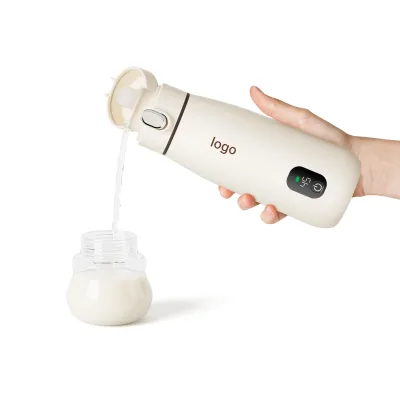
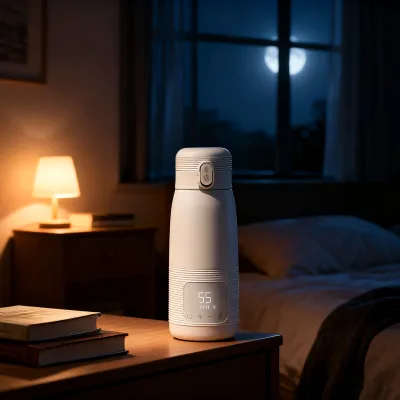
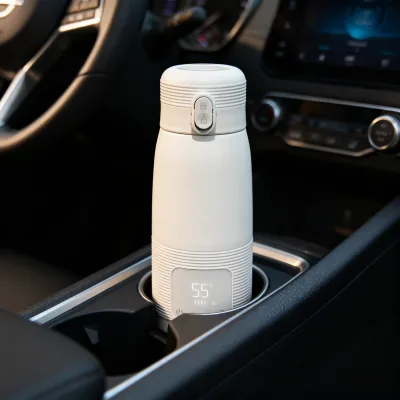
Travel models are typically USB or battery powered at 7.4V to 9V, with power ratings around 18W to 80W for fast heating. Rechargeable cordless designs suit outdoor use, while car USB versions suit road trips. Check single package size, which commonly runs near 26 cm in height, to confirm the unit fits stroller caddies and diaper bags.
Where are the main production hubs for these warmers?
Active suppliers are concentrated in Guangdong and Jiangsu provinces in China, with Guangdong suppliers often focused on bottle sterilizers and warmers as main products. Location affects shipping port access and factory visit options for combined manufacturer-traders. Confirm the actual place of origin on product specifications, since some listings list China broadly while others name the province.
What price ranges should buyers expect per unit?
Listed prices generally fall between about 6 and 17 US dollars per unit depending on the model. Basic electric warmers sit near the lower end, while rechargeable travel models with PU or higher-wattage heating command 15 to 17 dollars. Quoted prices usually reflect single-item sales at MOQ, so request tiered pricing for larger volumes.