Source Laser Cut Sink Caddy for Kitchen, Office, and Home
Find 30 Laser Cut Sink Caddy options for kitchen organization, office storage, and home utility. Compare stainless steel and metal models with single-phase standing designs, custom logos, and table-top installation for your sourcing needs; compare the available evidence and request quotations based on your requirements.
Key considerations
Products List


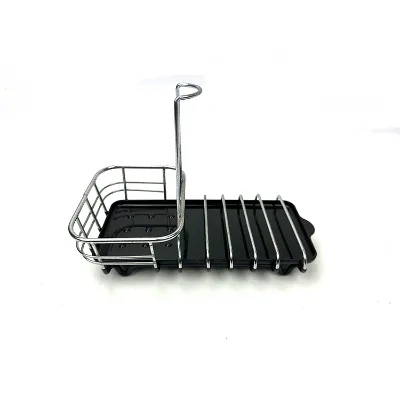

Premium Stainless Steel Kitchen Sink with Laser-Cut Design for Modern Homes
$1500.00 - $7000.00
MOQ: 1 Sets

Premium Stainless Steel Sinks with Laser-Cut Precision for Modern Kitchens
$15000.00 - $70000.00
MOQ: 1 Sets

Premium Stainless Steel Kitchen Sink with Laser Finish for Modern Homes
$1500.00 - $7000.00
MOQ: 1 Sets


CNC Laser-Cut Stainless Steel Commercial Kitchen Sink
$230.00 - $2700.00
MOQ: 1 Sets
Henger Manufacturing (Shandong) Machinery Technology Co., Ltd.

$1000.00 - $2000.00
MOQ: 5 Pieces


Comprehensive Sourcing Guide
Laser Cut Sink Caddy Sourcing Guide
Sourcing laser cut sink caddies requires a clear understanding of the intersection between precision metal fabrication and functional kitchen storage. These products typically utilize stainless steel or other metals processed through advanced laser fusion cutting techniques to achieve clean edges and complex geometric patterns. Buyers must distinguish between simple storage racks and multifunctional units that integrate with sink environments, ensuring the selected model meets both aesthetic and utility demands. The manufacturing process often involves CNC systems and specialized laser generators, which directly influence the final product’s dimensional accuracy and surface finish quality.
Procurement decisions should be guided by observed listing signals that reflect market availability and customization capabilities. Current market data indicates a wide price range and flexible minimum order quantities, suggesting a competitive landscape with options for both small-scale trials and bulk procurement. Key attributes such as material composition, installation type, and surface finishing are critical differentiators. Buyers should verify whether the supplier offers standard or customized colors, logos, and packaging solutions, as these elements significantly impact brand alignment and logistical efficiency for end-users in kitchen settings.
Product Scope and Observed Listing Signals
The product scope for laser cut sink caddies encompasses a variety of structural designs, including single-phase, non-folding racks that stand directly on countertops or within sink basins. Observed listings highlight models with specific dimensional standards, such as those measuring approximately 200 by 118 by 100 millimeters, which define the footprint and capacity of the storage unit. These caddies are often classified as eco-friendly and stocked items, indicating a readiness for immediate shipment and a focus on sustainable material sourcing. The application is primarily centered around kitchen organization, serving as a sink caddy to hold cleaning supplies, sponges, or utensils in a tidy manner.
Listing signals also reveal significant customization potential, with suppliers offering tailored colors, logos, and packaging configurations to meet specific brand requirements. The standard packing method often involves individual white boxes within master cartons, ensuring protection during transit while maintaining a professional presentation. Buyers should note that while some models are designed for table-top installation, others may be integrated into sink structures, requiring careful verification of the installation type. The availability of customized features allows businesses to align the product with their existing kitchen appliance lines or retail branding strategies effectively.
Technical Specifications to Verify
Technical verification must begin with the material composition, as stainless steel is a predominant choice for its durability and resistance to corrosion in wet kitchen environments. Buyers should confirm the exact grade of metal used, as this impacts longevity and maintenance requirements. Additionally, the surface finishing process, often described as matte or stain-resistant, plays a crucial role in the product’s aesthetic appeal and ease of cleaning. The dimensional tolerance of the laser-cut components should be strictly monitored, with acceptable deviations typically falling within a narrow range to ensure proper fit and function within the sink area.
The structural integrity of the caddy is defined by its gantry-type or standing design, which must support the intended load without deformation. Buyers need to verify the number of tiers and the overall classification, such as non-folding racks, to ensure the design matches the storage needs. Furthermore, the integration of multifunctional designs should be assessed to determine if the caddy offers additional features like drainage or modular compartments. The precision of the laser cutting process, often driven by high-power generators and intelligent exhaust systems, ensures that the final product meets tight manufacturing standards and maintains a consistent quality across production batches.
Compliance and Safety Documentation
Compliance documentation is essential for ensuring that laser cut sink caddies meet international safety and quality standards, particularly when they are intended for use in residential or commercial kitchens. Buyers should request certificates of conformity that verify the material’s food-safe properties, especially if the caddy comes into direct contact with cleaning agents or food items. Although specific certification names are not universally standardized for this niche, verifying that the stainless steel meets relevant hygiene and corrosion-resistance benchmarks is critical for market acceptance and consumer trust.
Safety considerations also extend to the manufacturing process, where buyers should ensure that suppliers adhere to occupational health and safety regulations during production. Documentation should confirm that the laser cutting and assembly processes do not introduce hazardous residues or sharp edges that could pose a risk to users. Additionally, buyers should verify that the product packaging complies with environmental regulations, particularly if eco-friendly claims are made. Ensuring that all documentation is up-to-date and verifiable helps mitigate liability risks and supports smooth customs clearance in international trade transactions.
Cost Drivers and Commercial Terms
Cost drivers for laser cut sink caddies are primarily influenced by the material cost of stainless steel, the complexity of the laser cutting design, and the level of customization required. High-power laser systems and precision CNC equipment contribute to higher initial manufacturing costs but offer superior quality and consistency. Buyers should analyze the price range observed in the market, which can vary significantly based on these factors, to determine a fair benchmark for negotiations. Understanding the breakdown of costs helps in identifying areas where savings can be achieved without compromising on quality or durability.
Commercial terms, including minimum order quantities and payment conditions, are critical components of the procurement strategy. Observed MOQs can range from small batches to large volumes, allowing buyers to scale their orders according to demand forecasts. It is important to negotiate clear terms regarding lead times, shipping methods, and warranty periods, which are often standardized at one year for such products. Buyers should also consider the cost implications of customized packaging and logo printing, as these add-ons can impact the overall unit price and require careful budgeting to maintain profitability.
Supplier Qualification and Quality Control
Supplier qualification involves a thorough assessment of the manufacturer’s technical capabilities, particularly their proficiency with laser cutting and CNC systems. Buyers should verify the supplier’s experience in producing metal storage solutions and their ability to maintain consistent quality across large production runs. Key technical attributes, such as the use of reputable laser generators and intelligent exhaust systems, indicate a supplier’s commitment to advanced manufacturing practices. Additionally, the supplier’s ability to handle customized orders, including specific colors and logos, demonstrates their flexibility and customer-centric approach.
Quality control measures must be rigorously enforced to ensure that each unit meets the specified dimensional tolerances and surface finish requirements. Buyers should implement pre-shipment inspections to check for defects such as rough edges, incorrect dimensions, or packaging damage. Establishing a clear quality agreement with the supplier, including acceptance criteria and rejection protocols, helps maintain high standards. Regular audits of the supplier’s production line and quality management systems can further ensure that the laser cut sink caddies consistently meet the buyer’s expectations and regulatory requirements.
Long-Term Procurement Checks
Long-term procurement checks focus on maintaining a stable supply chain and ensuring continuous product quality over time. Buyers should establish regular performance reviews with suppliers to assess their ability to meet delivery schedules and maintain consistent quality levels. Monitoring market trends and technological advancements in laser cutting can help buyers stay ahead of competitors by adopting new designs or materials. Building a strong relationship with the supplier facilitates better communication and collaboration, leading to improved product development and problem-solving capabilities.
Additionally, buyers should periodically re-evaluate their sourcing strategy to identify potential risks and opportunities for cost optimization. This includes assessing the supplier’s financial stability, production capacity, and compliance with evolving environmental and safety regulations. By staying informed about industry developments and maintaining open lines of communication, buyers can ensure that their procurement of laser cut sink caddies remains efficient, cost-effective, and aligned with their long-term business goals. Continuous improvement and adaptability are key to sustaining a successful sourcing partnership in this dynamic market.
FAQs
What material is used for the Laser Cut Sink Caddy?
The product is constructed from stainless steel and metal to ensure durability. This material choice supports the kitchen application while allowing for customized colors and logos. The surface finishing is available in a matte or stain finish to match modern styles.
Can I customize the logo and color of the sink caddy?
Yes, customization is available for both the logo and the color of the product. Buyers can request specific colors and have their own logo printed on the item. This service applies to the simple modern style designed for table top installation in kitchen environments.
What is the minimum order quantity for this product?
The minimum order quantity is 1000 pieces for this specific item. While the observed range shows lower values, the documented fact sets the standard requirement at 1000 units. This applies to the stainless steel sink caddy with single phase tiers and non-folding rack classification.
How is the product packed and what are the dimensions?
The product is packed in a standard carton package with 24 pieces per master carton. Dimensions vary by model, such as 200 by 118 by 100 millimeters or 21 by 11.8 by 18.8 centimeters. Tolerances are kept within plus or minus 5 millimeters for precision.
What warranty is provided for the kitchen sink caddy?
A one-year warranty is provided for the product to ensure customer satisfaction. This coverage applies to the stainless steel construction and metal components used in the sink caddy. The warranty supports the eco-friendly and stocked features of the simple modern design.
Which installation type is suitable for this sink caddy?
The suitable installation type is table top or standing type for kitchen use. This design allows the unit to function as a sink caddy without requiring wall mounting. The single phase tier and non-folding rack structure support stable placement on countertops.