Source Laser Cut Pizza Patches for uniforms, bags, and jackets
Explore 30 listings for Laser Cut Pizza Patches featuring embroidered and needle-punched styles. Buyers can compare customization options, materials like twill and polyester, and lead times from various suppliers.
Key considerations
Products List


Wholesale Custom Colorful Logo Woven Fabric Patch Laser Cut Embroidery Patches
$0.30 - $0.45
MOQ: 100 Pieces

Free Design Custom Fabric Embroidered Patch Badges Letter Patches for Clothing
$0.30 - $0.45
MOQ: 100 Pieces





Comprehensive Sourcing Guide
Strategic Sourcing Guide for Laser Cut Pizza Patches
Understanding Product Specifications and Technical Attributes
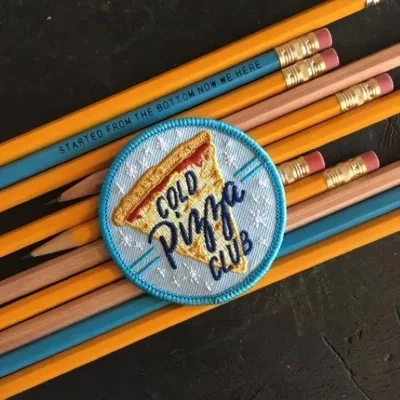
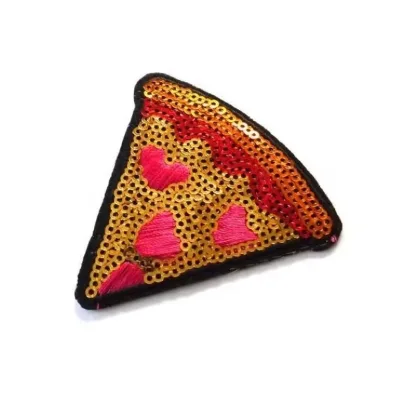
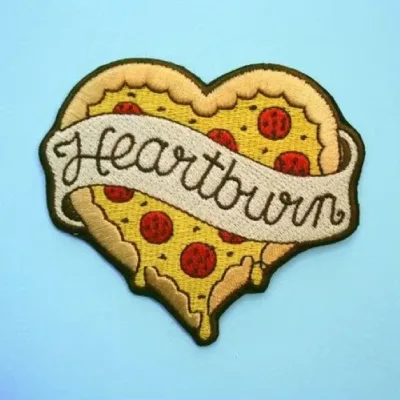
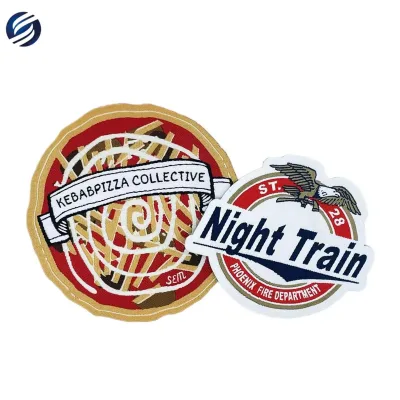
When sourcing Laser Cut Pizza Patches, buyers must first distinguish between the specific manufacturing techniques and material compositions that define the final product. The core keyword implies a decorative textile element, typically used for apparel or bag customization, where the "pizza" motif is the central design feature. Based on available industry data, these patches are frequently categorized as embroidered or needle-punched items, though the laser cutting aspect specifically refers to the finishing edge treatment. The production process often involves a combination of machine embroidery for the design details and laser cutting or overlock stitching for the border.
The material composition is a critical technical variable. Suppliers often utilize polyester twill as the foundation fabric due to its durability and smooth surface for embroidery. However, other foundation fabrics such as felt, cotton, canvas, and satin are also common in the market. The thread used for the embroidery itself is typically polyester yarn, though cotton and metallic yarns may be specified for premium finishes. A key technical specification to verify is the maximum color count per pattern. Industry standards for this type of custom patch often allow for up to nine colors per design, utilizing Pantone color matching to ensure brand consistency.
The physical dimensions and shape are highly customizable. While standard round shapes with a diameter of approximately 6 centimeters are observed in certain product lines, buyers should expect the ability to request custom sizes and shapes to fit specific design requirements. The backing material is another technical consideration; options include paper, iron-on adhesive, or self-adhesive layers, which determine the application method. The "laser cut" attribute specifically suggests a clean, sealed edge that prevents fraying, a feature that is often contrasted with traditional overlock borders. Buyers should confirm whether the laser cutting is applied to the entire perimeter or if it is combined with other finishing techniques like overlocking to ensure structural integrity.
Compliance, Certification, and Safety Standards
In the realm of textile accessories, compliance and safety are paramount, particularly when the product is intended for children or general consumer use. While specific certification data for every supplier is not universally available in standard product listings, buyers must proactively verify that their chosen vendor adheres to relevant safety standards. The presence of a "Nickel-Free" attribute in similar product categories indicates a strong focus on hypoallergenic properties, which is essential for items worn directly against the skin.
Buyers should explicitly request documentation regarding chemical compliance, such as REACH or CPSIA, depending on the target market. Although some general product descriptions may mention "Eco-Friendly" features, this is an observation rather than a guaranteed certification. To substantiate eco-friendly claims, suppliers should provide third-party test reports confirming the absence of harmful substances like azo dyes or heavy metals. The "CE" marking is sometimes referenced in broader textile contexts, but its specific applicability to small textile patches requires verification against current EU regulations for non-food contact items.
Furthermore, the manufacturing method, described as "Machine Embroidery Supply" or "Needle-Punched," implies industrial processes that must meet occupational safety standards. Buyers should ensure that the supplier's facilities adhere to labor safety regulations and environmental standards regarding waste disposal, especially when laser cutting is involved, as this process can generate particulate matter. The "OEM" (Original Equipment Manufacturer) standard suggests that the supplier is capable of meeting specific client requirements, which often includes adherence to strict quality and compliance protocols. It is the buyer's responsibility to request proof of these standards rather than assuming they are met based on general product descriptions.
Cost Drivers and Pricing Structure Analysis
The pricing of Laser Cut Pizza Patches is influenced by a complex interplay of factors, including material costs, design complexity, order volume, and finishing techniques. The observed market price range for similar embroidered patches varies significantly, with some listings indicating prices between $0.02 and $2.19 USD per unit. This wide range reflects the disparity between mass-produced standard designs and custom, high-detail embroidery.
The primary cost driver is the level of customization. Custom designs requiring unique patterns, specific Pantone colors, or complex multi-color embroidery will incur higher costs than pre-existing templates. The maximum of nine colors per pattern is a standard constraint that can impact pricing; designs exceeding this limit may require additional setup fees or alternative production methods. Additionally, the choice of backing material affects the final price. Self-adhesive or iron-on backings often cost more than standard paper-backed options due to the additional processing steps.
Order volume is another critical determinant of cost. The Minimum Order Quantity (MOQ) for these products typically ranges from 10 to 1,000 units, with specific product lines showing an MOQ of 200 pieces. Larger orders generally benefit from economies of scale, reducing the unit cost. However, buyers must balance the desire for lower unit prices with the need to manage inventory risk. The supply capacity of a manufacturer, often cited as 10,000 pieces per week, indicates that high-volume orders can be fulfilled without significant delays, but rush orders may incur premium charges.
Other cost factors include the lead time and payment terms. Standard production lead times are observed between 8 to 15 days, while sample lead times are shorter, typically 3 to 7 days. Expedited production will naturally increase costs. Payment methods such as T/T, L/C, and Western Union are standard, but the terms associated with these methods can influence the overall financial arrangement. Buyers should request detailed quotations that break down costs by material, labor, and finishing to understand the true cost drivers.
Typical Applications and Usage Scenarios
Laser Cut Pizza Patches are versatile decorative elements suitable for a wide array of applications. The primary usage category is personal decoration, where these patches are applied to clothing, bags, hats, and other textile accessories. The "Anywhere" wearing way attribute suggests that these patches are designed for high flexibility in application, allowing them to be placed on various surfaces of a garment or accessory.
The "Unisex" and "No Limited" age group attributes indicate that these products are suitable for a broad demographic, from children to adults. This makes them ideal for casual wear, school uniforms, and promotional merchandise. The "Daily Life" suitability reinforces their role as everyday fashion accessories rather than specialized industrial gear. The "Sew-on" style mentioned in some product attributes suggests a traditional, durable application method, while the availability of adhesive backings offers a temporary or semi-permanent alternative for quick customization.
In the context of branding, these patches serve as effective tools for corporate identity and event promotion. Companies can utilize custom pizza-themed designs for food service branding, team uniforms, or promotional events. The ability to customize the background color, such as green or yellow, allows for alignment with brand colors. The "Full or Partial Embroidered" craft options provide flexibility in design execution, enabling brands to create high-contrast logos or subtle, textured accents.
Supplier Evaluation and Sourcing Strategy
Evaluating suppliers for Laser Cut Pizza Patches requires a thorough assessment of their capabilities, reliability, and communication standards. Buyers should prioritize suppliers who demonstrate transparency in their production processes and provide clear specifications for their products. The "Supply Capacity" of 10,000 pieces per week is a strong indicator of a manufacturer's ability to handle large orders, but it should be verified against the specific supplier's current workload.
Key evaluation criteria include the supplier's experience with custom designs and their ability to meet specific technical requirements such as color matching and edge finishing. The "Customization Available" attribute is common, but the depth of customization varies. Buyers should inquire about the supplier's design support capabilities, including whether they offer vector file conversion or design consultation. The "OEM" standard suggests that the supplier is experienced in working with client-specific requirements, which is a positive sign for complex projects.
Communication and responsiveness are also critical. The "Sample Lead Time" of 3 to 7 days indicates that a reputable supplier should be able to provide a physical sample quickly for quality verification. Buyers should test the sample for color accuracy, edge quality, and adhesion strength before committing to a large order. Additionally, the "Payment Method" options, such as T/T and L/C, should be reviewed to ensure they align with the buyer's financial policies and risk management strategies.
Quality Control and Long-Term Procurement Considerations
Implementing a robust quality control (QC) process is essential for ensuring the consistency and durability of Laser Cut Pizza Patches. Buyers should establish clear acceptance criteria for color accuracy, stitch density, and edge finish. The "Laser Cutting" and "Overlock" border options should be inspected for fraying or uneven cuts, which can compromise the patch's appearance and longevity. The "Eco-Friendly" claim should be validated through material testing to ensure that the production process does not involve harmful chemicals.
Long-term procurement considerations involve building a sustainable relationship with a reliable supplier. Consistency in quality is paramount; a supplier who delivers high-quality samples should be capable of maintaining that standard across bulk production. Buyers should also consider the supplier's ability to scale production as their demand grows. The "Customized" size and shape options offer flexibility for future product lines, but buyers must ensure that the supplier can maintain precision across different dimensions.
Lead time management is another long-term consideration. While standard production times are 8 to 15 days, supply chain disruptions can cause delays. Buyers should maintain a buffer stock or establish a relationship with multiple suppliers to mitigate risks. The "Any size is welcome" standard suggests flexibility, but buyers should confirm that the supplier can accommodate rush orders or changes in design specifications without significant cost penalties.
Comparative Analysis of Patch Finishing Options
To aid in decision-making, buyers should compare the different finishing options available for Laser Cut Pizza Patches. The following table outlines the key differences between common border and backing types:
| Feature | Laser Cut Border | Overlock Border | Paper Backing | Iron-On Backing | Self-Adhesive Backing |
|---|---|---|---|---|---|
| Edge Finish | Clean, sealed, no fraying | Stitched, slightly raised | N/A (requires sewing) | N/A (requires ironing) | N/A (peel and stick) |
| Durability | High | High | High (if sewn well) | Medium (may peel) | Medium (may peel) |
| Application | Sew-on | Sew-on | Sew-on | Iron-on | Peel-and-stick |
| Cost Factor | Moderate | Moderate | Low | Moderate | Moderate |
| Best Use | Premium apparel | Casual wear | Heavy-duty items | Quick customization | Temporary use |
This comparison highlights that while laser cut borders offer a premium finish, the choice of backing and application method depends on the specific use case. Buyers should select the option that best balances durability, ease of application, and cost for their intended market.
Conclusion and Procurement Best Practices
Sourcing Laser Cut Pizza Patches requires a strategic approach that balances technical specifications, cost efficiency, and quality assurance. By understanding the nuances of material composition, finishing techniques, and customization options, buyers can make informed decisions that align with their brand values and market demands. The flexibility of custom designs and the availability of various finishing options make these patches a versatile choice for a wide range of applications.
Buyers should prioritize suppliers who demonstrate transparency, reliability, and a commitment to quality. Establishing clear communication channels and verifying sample quality are essential steps in the procurement process. By adhering to these best practices, buyers can secure a steady supply of high-quality Laser Cut Pizza Patches that meet their specific requirements and contribute to the success of their products.
FAQs
How long does production take for custom Laser Cut Pizza Patches?
Production lead time ranges from 8 to 15 days for standard orders. Sample preparation requires only 3 to 7 days before bulk manufacturing begins.
What materials are used for making embroidered pizza patches?
Suppliers typically use polyester twill as the foundation fabric for durability. Other options include felt, cotton, canvas, and satin depending on the design requirements.
Which customization options are available for patch shapes and sizes?
Buyers can request fully customized shapes and sizes to fit specific designs. Standard options include round shapes with a diameter of 6 centimeters or any custom dimension.
Can I order small quantities of Laser Cut Pizza Patches?
Minimum order quantities typically start at 10 pieces for some listings. Specific product lines may require a minimum of 200 pieces per order for production.
What payment methods are accepted for these textile accessories?
Accepted payment methods include T/T, PayPal, Western Union, and L/C. These options provide flexibility for international buyers and different transaction sizes.
How many colors can be included in a single patch design?
A single pattern can include up to nine distinct colors. Buyers can specify Pantone colors to ensure brand consistency across the custom embroidery work.
What backing options are available for applying the patches?
Backing options include paper, iron-on adhesive, and self-adhesive layers. The choice depends on whether the user prefers sewing or direct application methods.