Source Laundry Linen Storage Bag for Hotels, Homes, and Nursing Facilities
Explore 30 verified options for the Laundry Linen Storage Bag, featuring materials like polyester, cotton, and Oxford fabric. Buyers can compare customization, waterproofing, and folding styles for use in hotels, nursing homes, and residential settings.
Key considerations
Products List


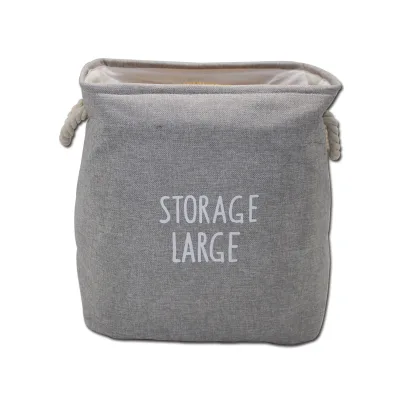
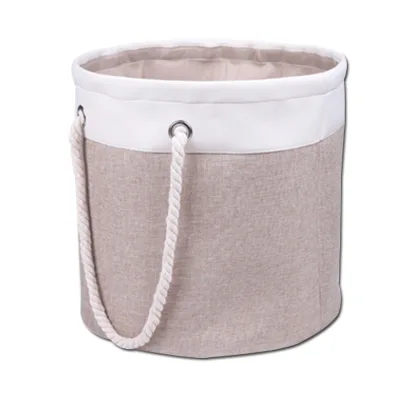
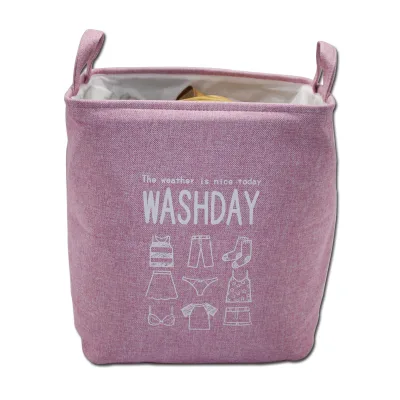

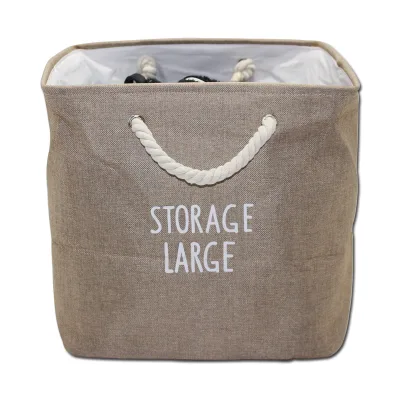


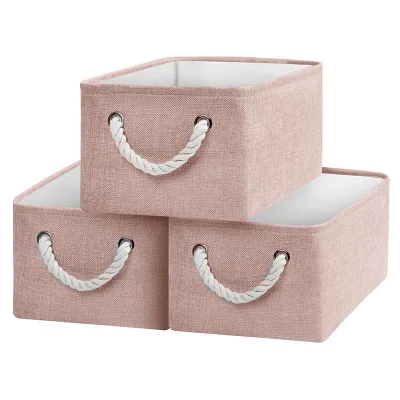
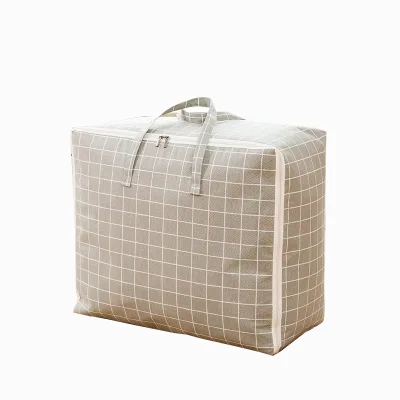
Large Linen Foldable Collapsible Tall Dirty Clothes Basket Laundry Hamper Bag
$2.77 - $3.32
MOQ: 500 Pieces




Comprehensive Sourcing Guide
Laundry Linen Storage Bag Sourcing Guide
Sourcing laundry linen storage bags requires a nuanced understanding of material durability, functional design, and supply chain transparency. These bags serve as critical tools in hospitality, healthcare, and residential settings, where the efficient transport and storage of soiled or clean linens are paramount. Buyers must navigate a market characterized by diverse material compositions, ranging from heavy-duty Oxford fabrics to breathable cotton blends, each offering distinct advantages in terms of weight, strength, and aesthetic appeal. The decision to source these items involves balancing cost-efficiency with the need for robust construction that can withstand frequent washing, heavy loads, and rigorous handling in high-traffic environments.
The procurement process is further complicated by the variability in product specifications and supplier capabilities. While some manufacturers offer standardized models with fixed dimensions and materials, others provide extensive customization options, including tailored sizes, colors, and branding. This flexibility is essential for businesses seeking to align their storage solutions with specific operational workflows or brand identities. However, customization introduces additional complexity in terms of minimum order quantities (MOQs), lead times, and quality control protocols. Buyers must therefore establish clear requirements early in the sourcing process to ensure that the selected supplier can meet their specific needs without compromising on quality or delivery schedules.
Product Scope and Observed Listing Signals
The current market for laundry linen storage bags exhibits a wide range of product types, materials, and design features, reflecting the diverse needs of various end-users. Observed listings indicate a strong presence of polyester and cotton-based bags, with some products featuring Oxford fabric exteriors and PE linings for enhanced durability and moisture resistance. The shape and style of these bags vary significantly, with options ranging from horizontal square designs to round, foldable structures. These variations are not merely aesthetic but are driven by functional requirements, such as ease of stacking, space efficiency, and compatibility with existing laundry infrastructure. Buyers should carefully evaluate these physical attributes to ensure that the selected bags align with their operational constraints and storage capabilities.
In addition to material and design, other key attributes observed in the market include waterproofing capabilities, zipper closures, and reinforced handles. These features contribute to the overall functionality and longevity of the bags, making them suitable for demanding environments such as nursing homes, hotels, and commercial laundries. The color options also vary, with black, grey, and customizable colors being common choices. Some suppliers offer OEM services, allowing buyers to customize the bags with their own branding or specific design elements. This level of customization can be a significant differentiator for businesses looking to create a cohesive and professional image. However, it is important to verify the supplier's ability to maintain consistent quality across customized orders, as this can impact the overall effectiveness of the storage solution.
Technical Specifications to Verify
When evaluating laundry linen storage bags, buyers must prioritize the verification of technical specifications that directly impact performance and durability. Material composition is a critical factor, with options such as polyester, cotton, and Oxford fabric offering different levels of strength, breathability, and resistance to wear and tear. For instance, Oxford fabric is often preferred for its high tensile strength and durability, making it suitable for heavy-duty applications. Similarly, the presence of a PE lining can provide essential moisture resistance, protecting the contents from dampness and potential contamination. Buyers should request detailed material specifications and, if possible, conduct physical tests to assess the quality and suitability of the materials for their intended use.
Dimensional accuracy and structural integrity are equally important considerations. The size of the bags, whether standardized or customized, must align with the storage and transport requirements of the buyer. Observed listings indicate a range of sizes, from small 7x10 inch bags to larger 38x72 cm options, catering to different volumes of linen. Additionally, the closure mechanism, typically a zipper, should be robust and easy to operate, ensuring secure containment of the contents. Reinforced handles are another key feature that enhances usability, allowing for comfortable and safe handling of heavy loads. Buyers should verify these specifications through product samples or detailed technical drawings to ensure that the bags meet their operational needs and can withstand the rigors of daily use.
Compliance and Safety Documentation
Compliance with relevant safety and quality standards is a non-negotiable aspect of sourcing laundry linen storage bags, particularly for industries such as healthcare and hospitality. Buyers must ensure that the products meet all applicable regulatory requirements, including those related to material safety, flammability, and chemical content. While specific certification statuses may vary by supplier and region, it is essential to request documentation that verifies compliance with recognized standards. This may include test reports from accredited laboratories, material safety data sheets (MSDS), and certificates of conformity. These documents provide assurance that the bags are free from harmful substances and are safe for use in environments where hygiene and safety are paramount.
In addition to regulatory compliance, buyers should also consider the environmental impact of the materials used in the bags. With increasing emphasis on sustainability, there is a growing demand for eco-friendly products that minimize waste and reduce carbon footprints. Suppliers may offer options made from recycled materials or biodegradable fabrics, which can align with a buyer's corporate social responsibility goals. However, it is important to verify the authenticity of these claims and ensure that the materials meet the necessary performance criteria. Buyers should engage in open dialogue with suppliers to understand their sustainability practices and explore opportunities for collaboration on environmentally responsible sourcing initiatives.
Cost Drivers and Commercial Terms
The cost of laundry linen storage bags is influenced by a variety of factors, including material quality, customization requirements, and order volume. Observed price ranges indicate significant variability, with costs ranging from low-cost, mass-produced items to higher-priced, premium-quality bags. Material selection plays a crucial role in determining the final price, with durable fabrics such as Oxford and reinforced polyester commanding higher prices due to their superior performance and longevity. Customization options, such as tailored sizes, colors, and branding, also add to the cost, as they require additional production steps and resources. Buyers should carefully evaluate these cost drivers to determine the most cost-effective solution that meets their quality and functional requirements.
Commercial terms, including minimum order quantities (MOQs), payment terms, and lead times, are also critical considerations in the sourcing process. Observed MOQs range from small quantities of 1 piece to larger orders of 1000 pieces, reflecting the flexibility of different suppliers. Buyers with smaller volume needs may find it challenging to secure competitive pricing, while those with larger orders can leverage their volume to negotiate better terms. Payment terms, such as advance payments or letters of credit, can also impact the overall cost and cash flow management. Additionally, lead times for production and delivery should be clearly defined and agreed upon to ensure timely receipt of the products. Buyers should establish clear communication channels with suppliers to manage expectations and mitigate potential risks associated with delays or quality issues.
Supplier Qualification and Quality Control
Selecting a reliable supplier is essential for ensuring the consistent quality and timely delivery of laundry linen storage bags. Buyers should conduct thorough due diligence to assess the supplier's capabilities, including their production capacity, quality control processes, and track record. This may involve reviewing the supplier's certifications, visiting their facilities, or requesting references from existing clients. Suppliers that offer OEM services and have a history of successful customization projects are often better equipped to meet specific buyer requirements. Additionally, buyers should verify the supplier's ability to maintain consistent quality across batches, as this is critical for long-term operational efficiency.
Quality control measures should be integrated into the sourcing process to minimize the risk of receiving defective or substandard products. Buyers should establish clear quality standards and inspection criteria, which can be verified through pre-shipment inspections or third-party quality assurance services. These inspections can help identify potential issues early in the production process, allowing for timely corrective actions. Furthermore, buyers should maintain open communication with suppliers to address any quality concerns and foster a collaborative relationship. By prioritizing supplier qualification and robust quality control, buyers can ensure that they receive high-quality laundry linen storage bags that meet their operational needs and contribute to their overall success.
Long-Term Procurement Checks
Long-term procurement success depends on the ability to continuously monitor and evaluate the performance of laundry linen storage bags in real-world applications. Buyers should establish key performance indicators (KPIs) to assess factors such as durability, ease of use, and customer satisfaction. Regular feedback from end-users, such as hotel staff or laundry workers, can provide valuable insights into the practical performance of the bags and highlight areas for improvement. This feedback loop should be integrated into the procurement process to drive continuous improvement and ensure that the products remain aligned with evolving operational needs.
Additionally, buyers should periodically review their supplier relationships to ensure that they continue to meet their quality, cost, and delivery expectations. This may involve conducting regular supplier audits, renegotiating contracts, or exploring alternative suppliers if necessary. By maintaining a proactive approach to supplier management, buyers can mitigate risks and capitalize on opportunities for cost savings and innovation. Furthermore, staying informed about industry trends and technological advancements can help buyers identify new solutions that enhance their laundry operations. By committing to long-term procurement checks and continuous improvement, buyers can build a resilient and efficient supply chain that supports their business objectives.
FAQs
What materials are used for laundry linen storage bags?
These bags are constructed from materials like polyester, cotton, fabric, and oxford. Some options feature a cotton linen outer with a polyester lining. The specific material depends on the selected model and customization requirements.
Can the size of the storage bag be customized?
Yes, the size can be customized to meet specific needs. Available standard sizes include 14 by 18 inches, 7 by 10 inches, and 38 by 72 cm. Buyers can request dimensions that fit their particular storage requirements.
How is the product packed for shipment?
Products are typically packed as one piece per bag and ten pieces per carton. Some models allow for customized packing arrangements. Each item is individually wrapped in an OPP bag before being placed in the master carton.
What is the minimum order quantity for these bags?
The minimum order quantity varies by product model, ranging from one piece to one thousand pieces. Specific models may require a minimum of 200 pieces. Buyers should check the specific model details for exact MOQ requirements.
Are these bags suitable for use in hotels and nursing homes?
Yes, these bags are designed for usage in nursing homes, hotels, and laundry facilities. They serve as perfect storage tools for books, toys, clothes, and other sundries. The durable handles and waterproof features support heavy-duty use.
Can the color of the bag be customized?
Yes, the color can be customized to match specific branding or preferences. Standard options include black and grey, but buyers can request other colors. Customization is available for various product models to suit different aesthetic needs.
What is the lead time for production?
Lead times are not explicitly stated in the provided product facts. Buyers should contact suppliers directly to confirm production schedules. Factors like customization and order volume will influence the final delivery timeline.