Source Lattice Shape Glazing Wedges for Tile, Wall, and Floor
Find 30 suppliers offering Lattice Shape Glazing Wedges designed for professional tile leveling and positioning. Compare specifications, materials, and pricing to select the right wedges for your construction projects.
Key considerations
Products List




Comprehensive Sourcing Guide
Strategic Sourcing Guide for Lattice Shape Glazing Wedges in B2B Procurement
The procurement of specialized construction hardware, specifically Lattice Shape Glazing Wedges, requires a rigorous approach that balances technical precision with supply chain reliability. While the core keyword suggests a specific geometric profile for glazing applications, the broader market for tile leveling and positioning systems offers a wealth of comparable data points that inform the sourcing strategy. Buyers must navigate a landscape where product attributes vary significantly between manufacturers, ranging from simple plastic wedges to complex leveling systems. This guide provides a structured framework for evaluating suppliers, verifying technical specifications, and ensuring compliance without relying on unverified claims. The focus remains on evidence-based decision-making, utilizing observed market data to establish realistic expectations for quality, cost, and delivery.
Technical Specifications and Material Composition
When sourcing Lattice Shape Glazing Wedges, the primary technical differentiator lies in the material composition and dimensional tolerances. The supplied product data indicates a diverse range of materials available in the market, with Polypropylene (PP) and Steel being the most prominent options. PP-based wedges are frequently cited for their chemical resistance and lightweight properties, making them suitable for standard tile leveling applications. In contrast, steel components are often observed in heavy-duty leveling systems or as part of the clamping mechanism, offering superior tensile strength. Buyers must verify the specific material grade for their intended application, as the mechanical properties of the wedge directly impact the stability of the glazing installation.
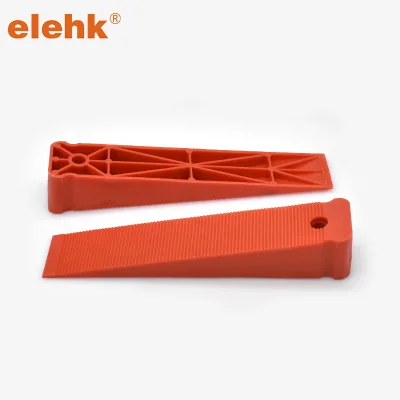
Dimensional specifications are equally critical. Market observations reveal that product models vary widely, with specific dimensions such as 3717030mm or thicknesses ranging from 1mm to 3mm being common in tile leveling contexts. For glazing wedges, the lattice shape implies a specific structural integrity that must be maintained under load. The "Size" attribute in the provided data includes options like 1mm, 1.5mm, 2mm, and up to 3mm, which suggests that thickness is a key variable for buyers to define based on the glass thickness they intend to support. Furthermore, the "Suitable Tile Thickness" of 3-12mm observed in similar leveling systems serves as a reference point; however, glazing applications often require thicker glass, necessitating a direct inquiry with suppliers to confirm if their lattice wedges can accommodate the specific weight and thickness of the glazing units.
| Attribute Category | Observed Market Variations | Verification Requirement |
|---|---|---|
| Material | PP, Steel | Confirm material grade and suitability for load-bearing. |
| Dimensions | 3717030mm, 1mm-3mm thickness | Verify exact lattice geometry and load capacity. |
| Color | Red, White, Blue, Custom | Confirm color coding for site identification or aesthetic needs. |
| Packaging | Cartons, Pallets, Plastic Bags | Assess packaging integrity for long-distance shipping. |
Compliance and Certification Verification
In the construction and glazing sectors, compliance with international standards is non-negotiable. The product data highlights several certifications that buyers should actively seek and verify, including ISO, CE, and RoHS. The presence of ISO certification indicates that the manufacturer adheres to specific quality management standards, which is a strong indicator of process consistency. Similarly, CE marking is essential for products entering the European market, ensuring that the wedges meet health, safety, and environmental protection requirements. RoHS compliance is particularly relevant for plastic components, ensuring that the materials do not contain restricted hazardous substances.
It is crucial to note that while some listings mention certifications like "ISOCE" or "Standard," these terms may be abbreviations or specific internal classifications rather than universally recognized standards. Buyers should not assume that a product listing with a generic "Standard" tag meets rigorous international safety codes. Instead, the procurement strategy must involve requesting physical copies of the certificates and verifying their validity with the issuing bodies. The "Flame Class: 94v-2" attribute observed in the data provides a specific benchmark for fire resistance, which is a critical safety parameter for building materials. Procurement teams must confirm if the Lattice Shape Glazing Wedges meet the specific fire rating requirements of the project location, as local building codes often dictate these standards.
Cost Drivers and Pricing Dynamics
Understanding the cost structure of Lattice Shape Glazing Wedges is essential for budgeting and negotiation. The observed price range in the market spans from $0.01 to $2800, a vast disparity that reflects the difference between single-unit components and complete system kits. The lower end of the spectrum typically represents individual plastic wedges sold in bulk, while the higher end may include specialized steel components, custom-molded parts, or complete leveling systems with additional accessories. The Minimum Order Quantity (MOQ) is another significant cost driver, with observed ranges from 1 to 100,000 units. Suppliers with lower MOQs may charge a premium per unit due to the inefficiencies of small-batch production, whereas high-volume orders often benefit from economies of scale.
Material costs play a pivotal role in pricing. Steel components generally command a higher price point than PP-based wedges due to the raw material costs and the energy-intensive manufacturing processes involved. Additionally, customization options, such as specific lattice geometries or custom colors, introduce additional tooling and setup costs. The "OEM/ODM" attribute, with some suppliers boasting over 15 years of experience, suggests that custom designs are a viable option but will likely increase the unit price. Buyers should request detailed cost breakdowns that separate material costs, tooling fees, and manufacturing labor to understand the true value proposition. It is also important to consider the packaging costs, as the transition from simple plastic bags to reinforced cartons or pallets can impact the final landed cost, especially for international shipments.
Typical Applications and Functional Requirements
While the core keyword focuses on glazing wedges, the broader context of tile leveling systems provides insight into the functional requirements of lattice-shaped hardware. The primary function of these wedges is to ensure uniform spacing and leveling during installation. In glazing applications, this translates to maintaining consistent gaps between glass panes and ensuring that the glass is perfectly aligned before the sealant or framing is applied. The "Lattice Shape" implies a design that offers enhanced grip and stability, preventing the glass from slipping during the curing process.
The "Use for: Floor & Wall Tile Leveling" attribute observed in the data highlights the versatility of similar products. For glazing, the application extends to curtain walls, window installations, and structural glass partitions. The "Function: Tile Leveling & Positioning" is directly analogous to the need for precise positioning in glazing. Buyers should evaluate whether the lattice shape provides the necessary friction to hold the glass in place without damaging the surface. The "Core Feature: Durable" attribute is particularly relevant, as glazing wedges must withstand the weight of the glass and the pressure applied during tightening. Additionally, the "After-sale Service: Online technical support" observed in the market suggests that suppliers should be able to assist with installation challenges, which is a valuable resource for complex glazing projects.
Supplier Evaluation and Sourcing Strategy
Evaluating suppliers requires a multi-faceted approach that goes beyond simple price comparisons. The "OEM/ODM: 15+ Years Experience" attribute indicates that some suppliers have a long history of manufacturing custom products, which is a positive signal for reliability and technical capability. However, buyers must verify this experience by requesting case studies or references from previous clients in the glazing sector. The "Place of Origin" data points to regions like Hebei, Jiangxi, and Guangdong in China, which are known manufacturing hubs. While these regions offer competitive pricing, buyers should assess the logistical capabilities of the supplier to ensure timely delivery.
The "Customization: Available" attribute suggests that suppliers are willing to adapt their products to specific needs. This is a critical factor for Lattice Shape Glazing Wedges, as standard off-the-shelf products may not meet the unique requirements of a specific project. Buyers should engage in a detailed dialogue with potential suppliers to discuss their specific lattice design requirements, material preferences, and volume expectations. The "Brand Name: ELEHK" observed in the data serves as an example of a branded product, but buyers should not limit their search to known brands. Instead, they should focus on the supplier's ability to deliver consistent quality and meet the project timeline.
Quality Control and Long-Term Procurement Considerations
Quality control is paramount when sourcing construction hardware. The "Standard" and "Standard Carton Size" attributes in the data suggest that many suppliers adhere to basic industry norms, but buyers must go further to ensure that the Lattice Shape Glazing Wedges meet their specific quality standards. This includes verifying the dimensional accuracy of the lattice pattern, the consistency of the material density, and the absence of defects such as cracks or warping. The "Flame Class: 94v-2" specification provides a clear benchmark for fire resistance, and buyers should insist on third-party test reports to validate this claim.
Long-term procurement considerations involve establishing a relationship with a supplier who can provide consistent quality over time. The "After-sale Service: Online technical support" is a valuable asset for resolving any issues that may arise during installation or after the project is completed. Buyers should also consider the environmental impact of the materials used, particularly if the project has sustainability goals. The "RoHS" certification is a step in the right direction, but buyers may need to inquire about the recyclability of the PP or steel components. Finally, the "Packaging" options, ranging from cartons to pallets, should be evaluated for their ability to protect the wedges during transit and storage, ensuring that the product arrives in perfect condition for use.
In conclusion, sourcing Lattice Shape Glazing Wedges requires a meticulous approach that integrates technical verification, compliance checks, and strategic supplier evaluation. By leveraging the observed market data and adhering to a rigorous procurement framework, buyers can secure high-quality products that meet the demanding requirements of modern glazing applications. The key lies in balancing cost efficiency with the assurance of quality and safety, ensuring that the final installation is both durable and compliant with all relevant standards.
FAQs
What materials are used for Lattice Shape Glazing Wedges?
These wedges are primarily made from Polypropylene or Steel. Polypropylene offers chemical resistance and light weight, while steel provides superior tensile strength for heavy-duty applications requiring higher load-bearing capacity.
Which certifications should I verify for these wedges?
Look for ISO, CE, and RoHS certifications to ensure compliance. Some listings may mention ISOCE or standard classifications, but you must request physical certificates to verify validity against international safety codes.
Can I customize the size and color of these wedges?
Yes, customization is available for size, color, and lattice geometry. Buyers can select from standard sizes like 37*170*30mm or request specific dimensions, with colors including red, white, or custom options.
How do I determine the suitable thickness for glazing?
Select thickness based on the glass weight and required stability. While tile leveling systems support 3-12mm tiles, glazing often requires thicker glass, so verify the specific load capacity of the lattice design with the supplier.
What is the typical minimum order quantity for these wedges?
The minimum order quantity ranges from 1 to 100,000 units depending on the supplier. Lower MOQs may incur higher per-unit costs, while high-volume orders benefit from economies of scale in manufacturing.
Where are these wedges typically manufactured?
Manufacturing origins include Hebei, Jiangxi, and Guangdong in China. These regions are known hubs for construction hardware, offering competitive pricing but requiring verification of logistical capabilities for timely delivery.
What packaging options are available for shipping?
Packaging options include cartons, plastic bags, and pallets. The choice depends on shipping distance and product protection needs, with standard carton sizes like 60*43*40cm often used for bulk shipments.