Source Laundry Cart Options for Hotel, Hospital, and Kitchen Use
Explore 30 available Laundry Cart models designed for hotel, hospital, and kitchen environments. Compare specifications such as stainless steel construction, wheel types, and folding styles to find the right solution for your facility's operational needs; compare the available evidence and request quotations based on your requirements.
Key considerations
Products List


Zinc Plating Storage Metal Large Capacity Front Load Wire Laundry Cart
$35.00 - $45.00
MOQ: 100 Pieces


Chrome Plating Storage Metal Large Capacity Front Load Wire Laundry Cart
$35.00 - $45.00
MOQ: 100 Pieces

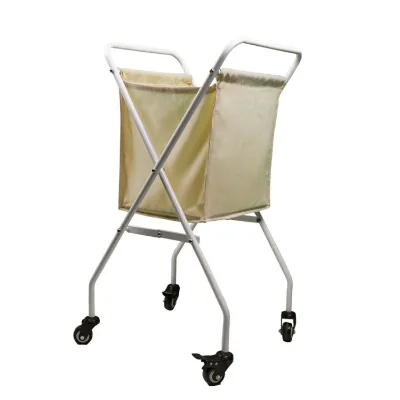
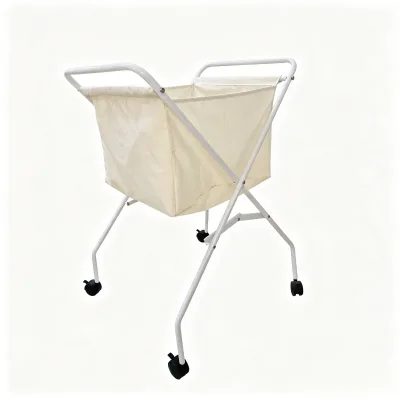
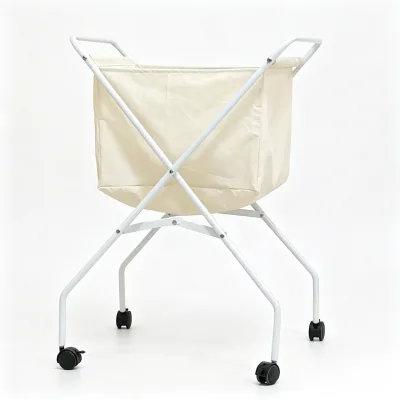
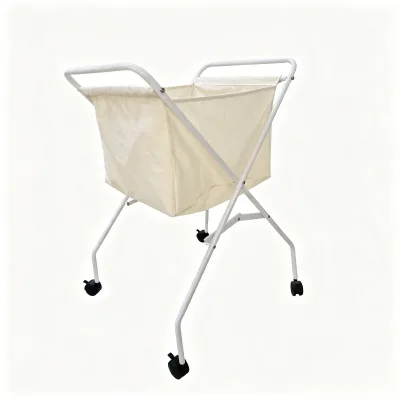


Metal Commercial Wire Laundry Cart with Rolling Wheels, Rolling Laundry Basket
$43.33 - $129.99
MOQ: 20 Pieces


Comprehensive Sourcing Guide
Laundry Cart Sourcing Guide
Procuring laundry carts requires a strategic approach that balances material durability with operational efficiency in high-traffic environments. Buyers must first distinguish between the various product types available, as the market includes items ranging from simple slippers to complex stainless steel utility carts. The core keyword "Laundry Cart" specifically points to wheeled, often foldable, units designed for transporting linens and garments in hotels, hospitals, and commercial laundries. Understanding this distinction is critical to avoid misordering, as generic listings may include unrelated footwear or small accessories that do not meet industrial hygiene or load-bearing requirements.
The sourcing landscape is dominated by manufacturers in Guangdong, China, particularly Guangzhou, which serves as a major hub for hospitality and healthcare equipment. These suppliers typically offer customization options and various packing specifications, such as export cartons or flatpack deliveries, which directly impact shipping costs and storage requirements. Buyers should verify the specific model numbers, such as the D-series or 803-series, to ensure they are evaluating the correct product category. This initial filtering process helps narrow down the field to suppliers who specialize in heavy-duty, wheeled utility solutions rather than general merchandise.
Product Scope and Observed Listing Signals
The observed product scope reveals a diverse array of items, necessitating careful filtering to identify true laundry carts. Listings indicate the presence of slippers, which are clearly unrelated to the core keyword, alongside specific models like D-023, D-025A/B, and the 803-series. These cart models are characterized by features such as solid wheels, stainless steel or metal construction, and styles that are either unfolding or foldable. The presence of attributes like "Double-Deck" and "Height Adjustable" suggests a range of capacities and ergonomic designs suitable for different operational needs, from compact storage to high-volume transport.
Observed listing signals also highlight specific physical dimensions and packing details that are crucial for logistics planning. For instance, some carts measure approximately 980x580x890mm, while others are larger, such as 1440x780x686mm. Packing specifications vary from 1 bin per box to export cartons, with gross weights around 16.8kg for certain models. These signals indicate that buyers must verify the exact model against their facility's door widths, elevator capacities, and storage constraints. The variation in wheel types, including swivel wheels with brakes, further underscores the need to match specific product features to the floor conditions and safety protocols of the intended application environment.
Technical Specifications to Verify
Technical verification begins with confirming the material composition, as stainless steel and metal are the primary materials observed for these carts. Stainless steel is preferred for its corrosion resistance and ease of cleaning in wet laundry environments, while metal variants may offer cost advantages but require protective coatings. Buyers must verify the thickness of the metal and the quality of the welds, especially for double-deck models that bear significant weight. The condition of the product is typically listed as new, but the finish and surface handling, such as plastic coatings or polished metal, should be inspected to ensure they meet hygiene standards and resist chemical degradation from laundry detergents.
Wheel configuration and mobility are critical technical specifications that directly impact operational efficiency. Observed models feature four wheels, with some including swivel mechanisms and brakes for stability and control. Wheel diameters vary, with observations of φ100mm and φ120mm options, which affect the ease of movement over different floor surfaces. Buyers should verify the load-bearing capacity of the wheels and the smoothness of their rotation. Additionally, the folded versus unfolded state and the folding mechanism's durability are important for carts that need to be stored compactly when not in use, ensuring that the folding joints do not weaken over time with frequent use.
Compliance and Safety Documentation
Compliance and safety documentation are essential for ensuring that laundry carts meet industry standards for hygiene and structural integrity. Buyers should request documentation that verifies the material safety, particularly if the carts are used in healthcare settings where infection control is paramount. While specific certifications are not listed in the observed data, buyers must inquire about compliance with local health and safety regulations for equipment used in hospitals and hotels. This includes verifying that the materials do not leach harmful substances and that the design prevents the accumulation of dirt and bacteria in hard-to-reach areas.
Safety features such as wheel brakes and stable base designs are critical for preventing accidents in busy laundry rooms. Buyers should verify that the brake mechanisms are robust and easy to engage, ensuring the cart remains stationary when loaded or during unloading processes. Additionally, the structural stability of the cart, especially for double-deck models, must be confirmed to prevent tipping. Documentation should also include weight capacity ratings to ensure that the cart can safely handle the maximum expected load without deformation or failure. This verification process helps mitigate risks associated with equipment failure and ensures a safe working environment for staff.
Cost Drivers and Commercial Terms
Cost drivers for laundry carts include material quality, wheel configuration, and packing efficiency. Stainless steel models typically command higher prices due to the cost of raw materials and manufacturing complexity, while metal carts may be more economical. The inclusion of specialized features, such as swivel wheels with brakes or double-deck designs, also influences the final price. Buyers should consider the total cost of ownership, which includes maintenance and replacement costs, rather than just the initial purchase price. Observations indicate a wide price range, suggesting that significant variations exist based on these factors, and buyers must align their budget with their specific quality and durability requirements.
Commercial terms, including minimum order quantities (MOQ) and packing specifications, play a significant role in the procurement process. Observed MOQs range from 1 to 1000 units, with specific models like the 803-106 having an MOQ of 30 and the 803-101 requiring 50 units. Packing details, such as flatpack delivery or export cartons, affect shipping costs and storage needs. Buyers should negotiate terms that align with their inventory management strategies, considering whether bulk purchases offer sufficient discounts to justify higher MOQs. Understanding these commercial terms helps in planning cash flow and logistics, ensuring that the procurement process is smooth and cost-effective.
Supplier Qualification and Quality Control
Supplier qualification is a critical step in ensuring the reliability and quality of laundry carts. Buyers should verify the supplier's location, with many observed products originating from Guangdong, China, a region known for its manufacturing capabilities. It is important to assess the supplier's experience in producing hospitality and healthcare equipment, as this indicates their understanding of industry-specific requirements. Buyers should request references or case studies to evaluate the supplier's track record and reliability. Additionally, verifying the supplier's production capacity and lead times is essential to ensure timely delivery, especially for large orders or urgent replacements.
Quality control measures should be clearly defined and agreed upon before placing orders. Buyers should inquire about the supplier's quality assurance processes, including inspections during production and before shipment. Observations indicate that products are typically in new condition, but buyers must verify the consistency of this quality across batches. Implementing a pre-shipment inspection protocol can help identify defects early, reducing the risk of receiving substandard products. Buyers should also establish clear communication channels for addressing any quality issues post-delivery, ensuring that the supplier is responsive and willing to resolve problems promptly.
Long-Term Procurement Checks
Long-term procurement checks involve monitoring the performance and durability of laundry carts over time. Buyers should track the frequency of maintenance and repairs required for different models to assess their long-term reliability. Observations indicate that carts are used in various settings, including hotels, laundries, and hospitals, each with different wear patterns. By analyzing maintenance data, buyers can identify which models offer the best value and durability for their specific applications. This data-driven approach helps in making informed decisions about future purchases, ensuring that the procurement strategy aligns with operational needs and budget constraints.
Supplier relationship management is also crucial for long-term success. Buyers should maintain open communication with suppliers to stay updated on new product developments and improvements. Regular feedback on product performance can help suppliers refine their designs and address any recurring issues. Additionally, buyers should periodically review market trends and competitor offerings to ensure they are getting the best value for their money. By staying informed and proactive, buyers can optimize their procurement strategy, ensuring that their laundry carts continue to meet the evolving demands of their operations efficiently and cost-effectively.
FAQs
What are the standard dimensions for the D-026 Laundry Cart?
The D-026 Laundry Cart measures 980 by 580 by 890 millimeters. This specific size is designed to fit standard hotel laundry rooms efficiently. The unit weighs 16.8 kilograms gross and comes packed in cartons. It features a stainless steel construction with solid wheels for durability.
Can I customize the Laundry Cart for specific hotel requirements?
Yes, customization is available for these laundry carts to meet specific operational needs. Buyers can request modifications to suit particular hotel layouts or workflow demands. The manufacturer supports tailored solutions while maintaining the core structural integrity and material quality of the stainless steel frame.
What is the minimum order quantity for the 803-106 model?
The minimum order quantity for the 803-106 model is thirty units. This specific model includes four swivel wheels with two featuring brakes. It is packed in flatpack delivery format to optimize shipping volume. Buyers should consider this MOQ when planning bulk procurement for their facilities.
Which materials are used in the construction of these carts?
These carts are primarily constructed from stainless steel and metal components. This material choice ensures resistance to corrosion and heavy usage in laundry environments. The surface handling involves plastic elements for specific parts. The durable build supports long-term use in hotels and hospitals.
How are the laundry carts packaged for international shipping?
Packaging varies by model, with options including export cartons and flatpack delivery. Some units are packed one piece per box, while others use one bin per box. The packing CBM ranges from 0.064 to 0.153 depending on the specific model selected. This ensures efficient logistics and protection during transit.
What wheel configurations are available for the wheeled laundry carts?
Available configurations include four solid wheels or four swivel wheels with brakes. Wheel diameters range from 100mm to 120mm depending on the model. These wheels facilitate smooth movement across various floor types in laundry rooms. The design prioritizes stability and ease of maneuverability for staff.