Source Leather Gatefold Menu Cover for Hotel Restaurant Coffee Shop
Find 30 Leather Gatefold Menu Cover options from Chinese suppliers with varying styles like luxury and modern designs. Buyers can compare materials including PU and real leather, customization features, and supply capabilities for hotel, restaurant, and coffee shop applications.
Key considerations
Products List
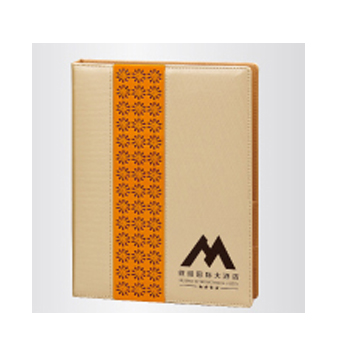
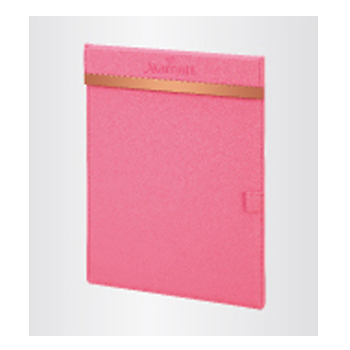
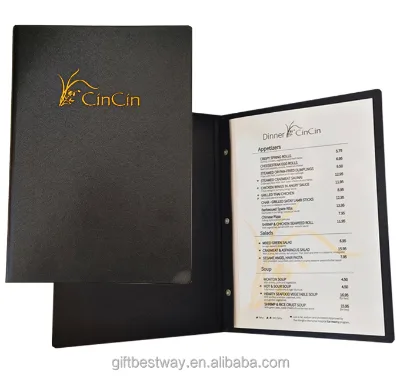
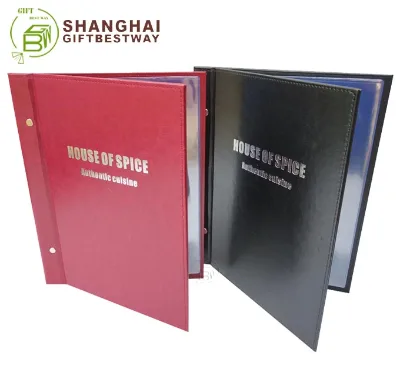
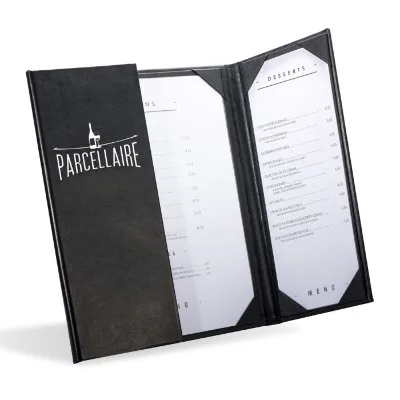
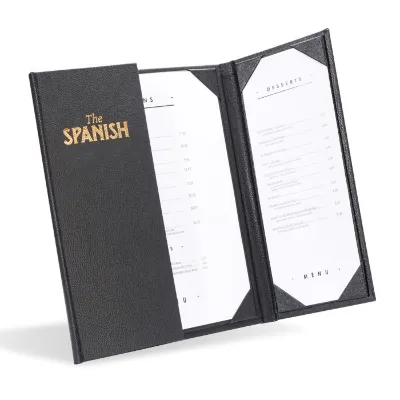
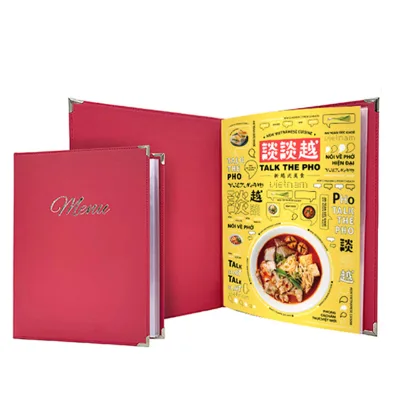
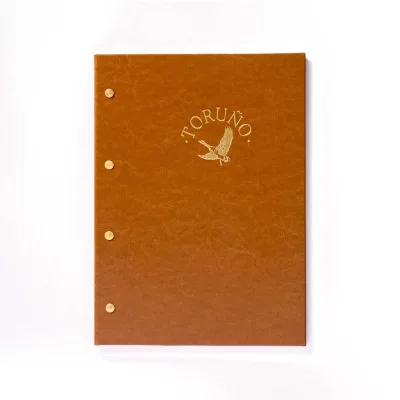


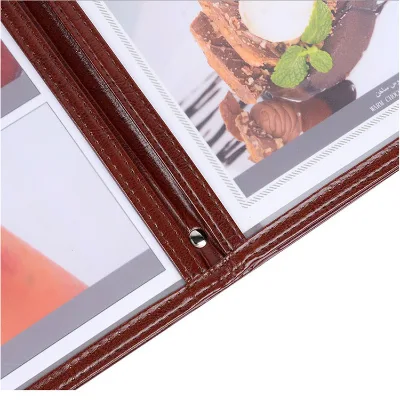
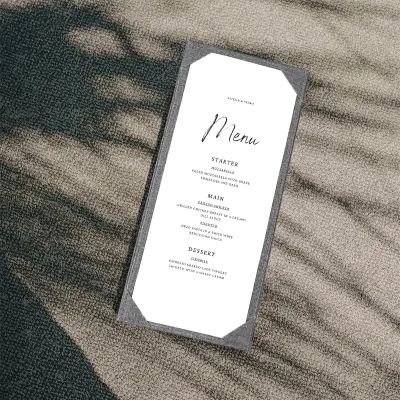
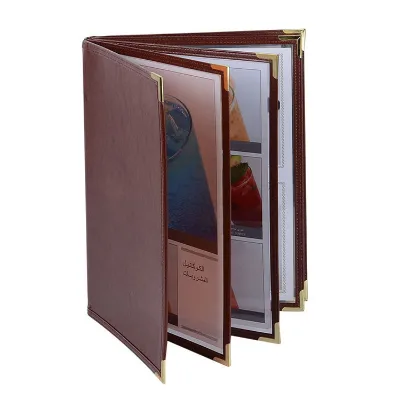
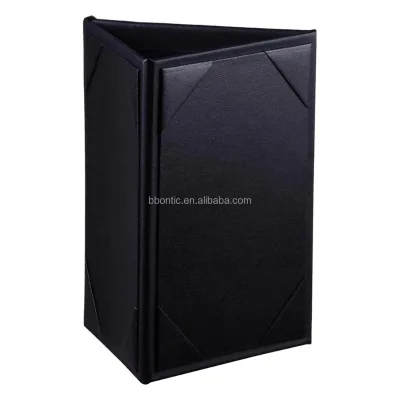
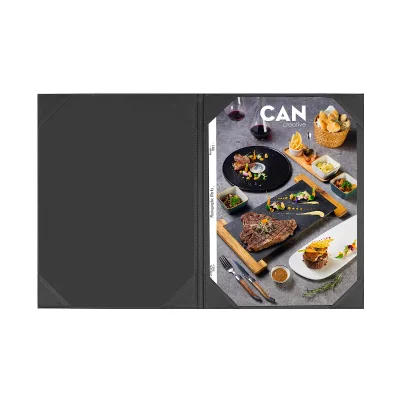
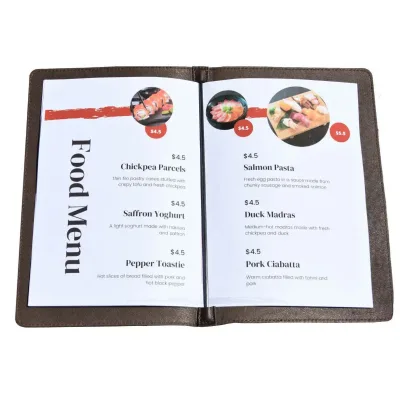


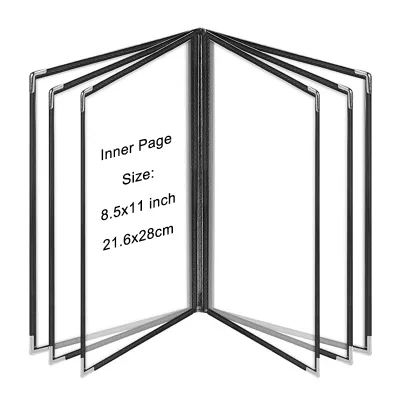
Comprehensive Sourcing Guide
Strategic Sourcing Guide for Leather Gatefold Menu Covers
Understanding Product Specifications and Material Variations
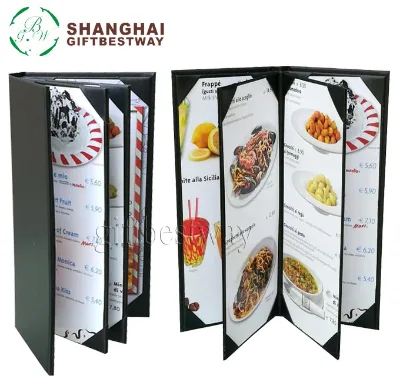
When sourcing leather gatefold menu covers, buyers must first establish a clear understanding of the technical specifications that define the product category. The core keyword "Leather Gatefold Menu Cover" implies a specific structural design where the cover opens to reveal multiple pages, often used in high-end hospitality settings. Based on observed market data, these products are frequently categorized under "Other Hotel & Restaurant Supplies" and are designed with specific insert sizes to accommodate standard paper formats. Common insert dimensions include 1/2 A4 and 1/3 A4, ensuring that the menu pages fit securely within the cover's internal binding.
Material composition is a critical differentiator in this sector. While the general category is defined by leather, suppliers often offer a range of material options to suit different budget and aesthetic requirements. These options typically include faux leather, real leather, fabrics, and binding paper. The specific material choice significantly impacts the tactile experience and durability of the final product. For instance, some listings highlight "good pu leather" or generic "pu leather" as the primary material, while others specify "real leather" as a premium alternative. Buyers should verify the exact material composition with the supplier, as the term "leather" can sometimes be used loosely to describe high-quality synthetic alternatives.
The physical dimensions of the menu cover are equally important for operational compatibility. Standard sizes often align with A4 specifications, with single package sizes observed around 32x25x2 cm. The weight of the product is another key specification, with typical single gross weights recorded around 0.7 kg. These metrics are essential for logistics planning, particularly when calculating shipping costs and storage requirements. The structural integrity of the gatefold mechanism must also be evaluated to ensure that the cover opens and closes smoothly without damaging the internal pages or the binding.
Compliance, Certification, and Environmental Standards
In the B2B procurement of hospitality supplies, compliance with environmental and safety standards is increasingly important. Many modern menu covers are marketed with specific features such as "Eco-friendly" claims. When evaluating suppliers, buyers should request documentation to substantiate these claims, particularly regarding the materials used in the production of faux leathers or treated real leathers. The sourcing process should involve verifying whether the materials meet specific regional environmental regulations, such as REACH in Europe or similar standards in North America, although specific certification numbers should not be assumed without direct supplier confirmation.
Safety compliance is another vital aspect, especially for products used in food service environments. While menu covers do not come into direct contact with food, they are handled frequently by staff and guests. Buyers should inquire about the chemical treatments used on the leather or synthetic materials to ensure they do not release harmful volatile organic compounds (VOCs) that could affect indoor air quality in dining areas. Additionally, the inks used for printing logos or designs on the menu covers should be non-toxic and compliant with relevant safety standards.
It is crucial to note that specific certification statuses, such as ISO 9001 or specific leather industry certifications, are not universally present in all product listings. Buyers must treat the presence of certifications as a variable that requires direct verification rather than an inherent attribute of the product category. When a supplier claims a product is "Eco-friendly," the buyer should ask for third-party test reports or material safety data sheets (MSDS) to validate these assertions. This due diligence ensures that the procurement aligns with the sustainability goals of the hospitality business and mitigates potential reputational risks associated with non-compliant materials.
Cost Drivers and Pricing Dynamics
The pricing of leather gatefold menu covers is influenced by a complex interplay of factors, including material quality, customization complexity, and order volume. The observed market data indicates a price range from approximately $0.51 to $10.03 per unit. This wide variance suggests that the cost is heavily dependent on the specific material selected and the level of customization required. Lower-priced items often correspond to standard PU leather options with minimal customization, while higher-priced items likely involve real leather, intricate embossing, or complex branding elements.
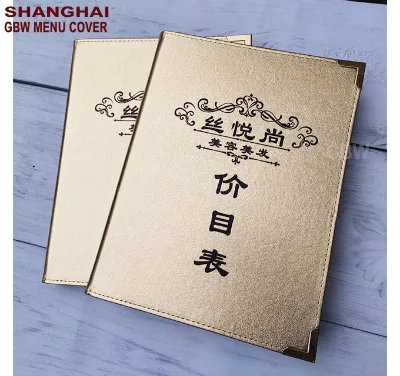
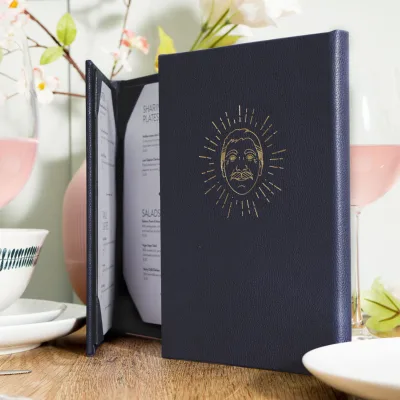
Customization is a primary cost driver in this category. Suppliers frequently offer options for customized logos, including techniques such as blind debossing, foil stamping, and silk screen printing. The choice of logo application method significantly affects the unit cost. For example, foil stamping generally incurs higher tooling and labor costs compared to silk screen printing. Additionally, the complexity of the design and the number of colors used in the logo can further influence the final price. Buyers should request detailed quotes that break down the costs associated with different customization options to make informed budgeting decisions.
Order volume also plays a significant role in pricing dynamics. The minimum order quantity (MOQ) for these products typically ranges from 10 to 500 pieces. Suppliers may offer tiered pricing structures where the unit cost decreases as the order quantity increases. However, buyers must balance the benefits of bulk purchasing against the risks of inventory holding and the potential for obsolescence if the menu design changes frequently. The supply ability of the manufacturer, which can range from 800 pieces per month to 10,000 pieces per month, also impacts pricing. Manufacturers with higher production capacities may offer more competitive rates due to economies of scale, but buyers should verify that the supplier can meet their specific delivery timelines without compromising quality.
Typical Applications and Design Aesthetics
Leather gatefold menu covers are primarily designed for use in hospitality environments where aesthetics and durability are paramount. The observed usage data highlights applications in hotel rooms, restaurants, coffee shops, and other similar venues. The "Luxury" and "Modern Design" styles are common attributes associated with these products, reflecting the need for menu covers to complement the interior design and branding of the establishment. The choice of style is often dictated by the target demographic and the overall ambiance of the venue. For instance, a high-end hotel may prefer a sleek, minimalist design with real leather, while a casual coffee shop might opt for a more rugged, fabric-based option.
The functional design of the gatefold cover is tailored to accommodate various menu formats. The ability to hold 1/2 A4 or 1/3 A4 inserts allows for flexibility in menu layout and content. This versatility is particularly useful for establishments that frequently update their menus or offer different sections, such as appetizers, main courses, and desserts, which can be organized within the same cover. The "Single item" selling unit suggests that these products are often purchased individually or in small batches for specific needs, rather than as part of a larger bulk order for an entire chain.
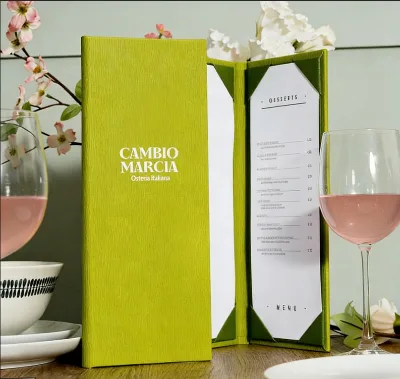
Color options are another critical consideration for buyers. Common colors observed in the market include grey, black, and brown, which are versatile enough to match a wide range of interior design schemes. The availability of custom colors may be an option for larger orders, allowing businesses to align the menu covers with their brand identity. The visual appeal of the menu cover is not just about aesthetics; it also serves as a tactile extension of the brand experience. A well-crafted menu cover can enhance the perceived value of the dining experience, making it an essential component of the overall service offering.
Supplier Evaluation and Production Capabilities
Evaluating suppliers for leather gatefold menu covers requires a comprehensive assessment of their production capabilities, location, and logistical infrastructure. The place of origin for these products is predominantly China, with specific manufacturing hubs identified in Guangdong, Shanghai, and Guangzhou. Each of these regions offers distinct advantages in terms of supply chain efficiency and manufacturing expertise. Guangdong, for instance, is known for its robust manufacturing base, while Shanghai may offer advantages in logistics and international trade facilitation.
Buyers should verify the supplier's supply ability to ensure they can meet demand fluctuations. The observed supply abilities range from 800 pieces per month to 10,000 pieces per month, indicating a wide spectrum of production capacities. For smaller businesses or those with sporadic needs, a supplier with a lower supply ability might be sufficient. However, larger chains or those with high-volume requirements should prioritize suppliers with higher production capacities to ensure consistent supply and potential cost savings.
The port of dispatch is another critical factor in supplier evaluation. Common ports include Guangzhou and Shanghai, which are major shipping hubs with well-established connections to international markets. Buyers should consider the proximity of the port to their own logistics network to minimize shipping costs and lead times. Additionally, the packaging details, such as "in carton" or "1pc/film 40pcs/ctn," should be reviewed to ensure that the packaging is robust enough to protect the products during transit. Proper packaging is essential to prevent damage, especially for leather goods that can be susceptible to moisture and physical impact.
Quality Control and Long-Term Procurement Considerations
Implementing a robust quality control (QC) process is essential for ensuring the long-term success of Leather Gatefold Menu Cover procurement. Given the tactile and visual nature of the product, QC should focus on both functional and aesthetic criteria. Buyers should establish clear acceptance criteria for material quality, stitching integrity, and logo application. For example, the logo should be aligned correctly, with no smudging or misalignment, and the leather surface should be free from defects such as scratches, discoloration, or uneven texture.
Long-term procurement considerations also involve the durability and maintenance of the menu covers. Leather products, whether real or synthetic, require specific care to maintain their appearance and functionality over time. Buyers should inquire about the recommended cleaning and maintenance procedures from the supplier to ensure that the menu covers can withstand the rigors of daily use in a hospitality environment. Additionally, the supplier should be able to provide a reliable source for replacement parts or reorders, ensuring that the business can maintain consistency in its branding and design over the long term.
Lead times and production schedules are also critical factors in long-term planning. While some suppliers may offer quick turnaround times of 3-5 days, others may require longer lead times depending on the complexity of the order and the current production load. Buyers should develop a contingency plan to account for potential delays, especially during peak seasons or when dealing with custom orders. Establishing a strong relationship with the supplier and maintaining open communication can help mitigate risks and ensure a smooth procurement process.
Comparative Analysis of Product Attributes
To facilitate informed decision-making, buyers can utilize a comparative analysis of key product attributes. The following table summarizes the observed variations in specifications, materials, and capabilities across different product listings.
| Attribute | Option A | Option B | Option C |
|---|---|---|---|
| Material | Leather | Good PU Leather | PU Leather / Faux Leather |
| Origin | China (Guangdong) | Shanghai, China | China |
| Model Number | CDLP23 | 1041-25 | Model H |
| Insert Size | Not Specified | 1/2 A4, 1/3 A4 | A4 |
| Style | Luxury | Modern Design | Luxury |
| MOQ | 10 pcs | 10 pcs | Not Specified |
| Supply Ability | 800 pcs/Month | 10,000 pcs/Month | 500 pcs (Transmitter) |
| Port | Guangzhou | Shanghai | Not Specified |
| Logo Option | Accept Customized | Blind deboss / Foil stamping | As customer required |
This table highlights the diversity in the market and underscores the importance of aligning product selection with specific business needs. Buyers should carefully review each attribute to ensure that the chosen product meets their functional, aesthetic, and logistical requirements. By leveraging this comparative analysis, buyers can make more strategic decisions and optimize their procurement processes for maximum efficiency and value.
FAQs
What materials are available for leather gatefold menu covers?
Suppliers offer options including faux leather, real leather, fabrics, and binding paper. Specific listings highlight good PU leather or generic PU leather as common choices to suit different budget and aesthetic requirements for hospitality venues.
Which insert sizes fit standard leather gatefold menu covers?
The covers are designed to accommodate 1/2 A4 and 1/3 A4 insert sizes. This flexibility allows establishments to organize various menu sections securely within the cover's internal binding structure.
How can I customize the logo on a leather menu cover?
You can request customized logos using blind debossing, foil stamping, or silk screen printing. The specific technique chosen will influence the unit cost and the final visual appearance of the branding on the cover.
What is the typical minimum order quantity for these products?
The minimum order quantity typically ranges from 10 to 500 pieces depending on the supplier. Buyers should verify the specific MOQ with the manufacturer as it varies based on customization and material selection.
Can I find suppliers with high monthly production capacity?
Yes, suppliers offer supply abilities ranging from 800 to 10,000 pieces per month. Higher capacity manufacturers may provide more competitive rates due to economies of scale for larger orders.
Where are leather gatefold menu covers typically manufactured?
Products originate from China, with manufacturing hubs in Guangdong, Shanghai, and Guangzhou. These regions provide distinct advantages in supply chain efficiency and logistics for international buyers.