Source Leather Jacket Ashtray for Business Gifts, Home Decor, and Collections
Explore 30 listings for a Leather Jacket Ashtray suitable for business gifts, holiday presents, and home decoration. Buyers can compare hand-made options with natural styles and sky blue finishes from suppliers in Xiamen and Guangdong.
Key considerations
Products List

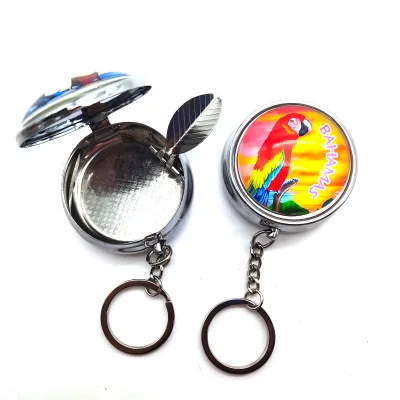


Sleek Design Easy-Clean Compact Car Interior Ashtray Portable Car Ashtray
$1.08 - $1.20
MOQ: 850 Pieces


Stylish Appearance Anti-Scratch Premium Car Interior Portable Car Ashtray
$0.99 - $1.10
MOQ: 950 Pieces
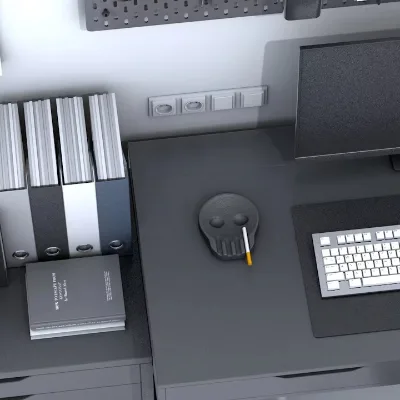




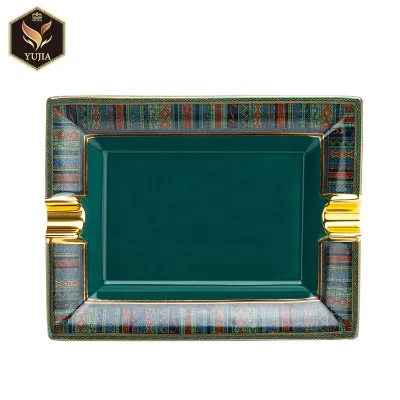


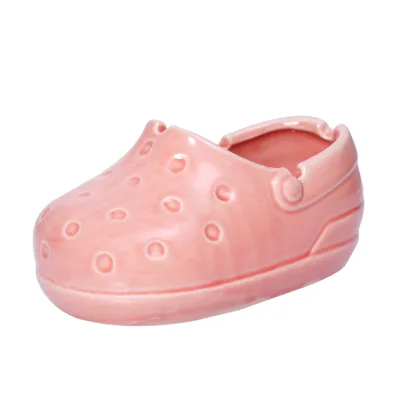
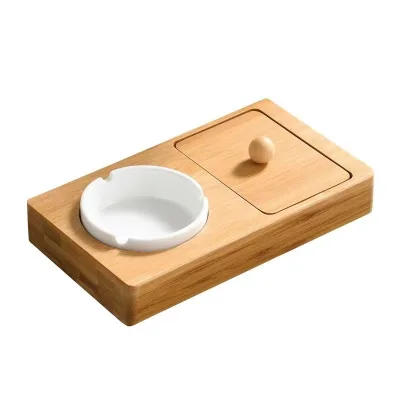
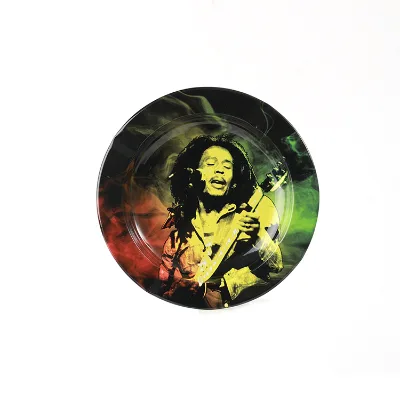
Comprehensive Sourcing Guide
Leather Jacket Ashtray Sourcing Guide
Sourcing leather ashtrays requires a nuanced understanding of material properties, aesthetic versatility, and functional durability. While the core keyword suggests a specific niche, the broader market offers diverse interpretations ranging from genuine leather accessories to ceramic or wooden alternatives that mimic natural textures. Buyers must distinguish between products explicitly made from leather and those that serve similar decorative or functional purposes in home or business settings. The procurement strategy should focus on verifying material authenticity, assessing surface treatments, and ensuring the final product aligns with the intended use case, whether for corporate gifting, retail resale, or interior decoration.
This guide provides a structured approach to evaluating suppliers and products in this category. It emphasizes the importance of verifying technical specifications, such as dimensions and packaging standards, which vary significantly across different manufacturers. By focusing on observable listing signals and critical verification steps, buyers can mitigate risks associated with quality inconsistencies and supply chain disruptions. The following sections detail the essential considerations for sourcing high-quality leather ashtrays and related accessories, ensuring that procurement decisions are grounded in factual data and industry best practices.
Product Scope and Observed Listing Signals
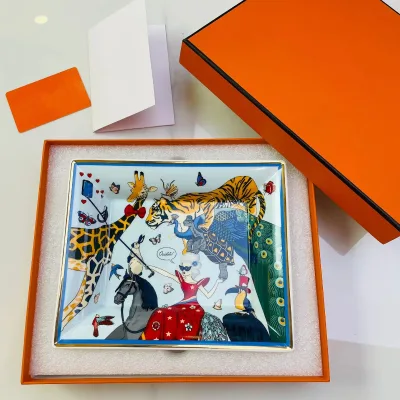
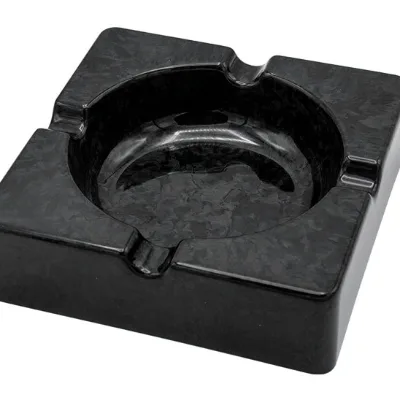
The current market landscape for ashtrays includes a wide variety of materials, with leather being a premium option often associated with luxury branding and natural aesthetics. Observed listings indicate that leather products are frequently marketed as hand-made items with painted surface treatments, emphasizing a natural style suitable for home decoration or art collection. These items often come in specific colors, such as sky blue, and are packaged individually in OPP bags, suggesting a focus on retail-ready presentation. Buyers should note that while leather is a primary material for some listings, other products in the same category may be made from ceramic, wood, or ABS plastic, each offering different durability and aesthetic profiles.
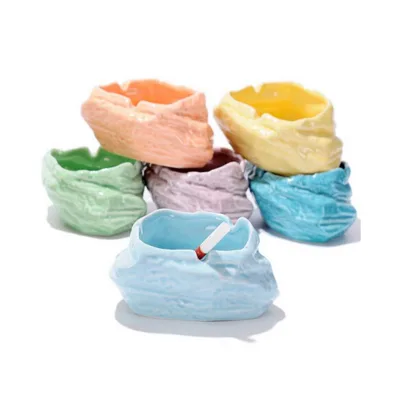
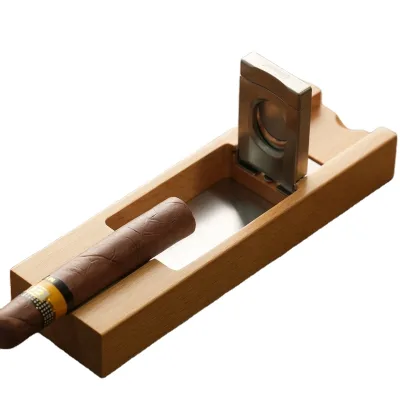
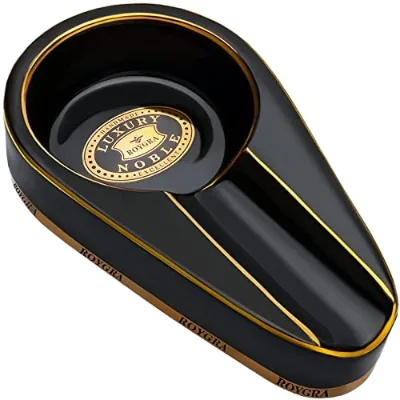
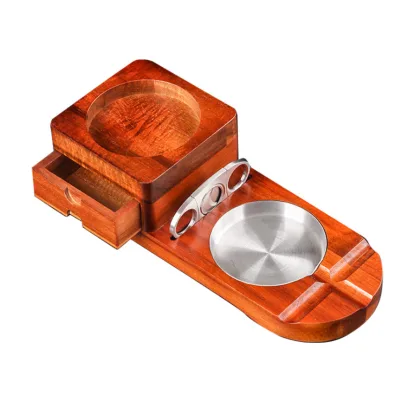
In addition to leather options, the market features ceramic ashtrays with irregular shapes and contemporary designs, as well as wooden ashtrays that may include additional features like stainless steel cigar cutters. These alternatives often highlight customization capabilities, allowing buyers to tailor colors, logos, and sizes to their specific brand requirements. For instance, ceramic ashtrays may be described as portable with customized logos, while wooden variants might be marketed as car armrest boosters or business gifts. Understanding these distinctions is crucial for buyers who need to match product attributes with their target audience’s preferences, whether they prioritize portability, aesthetic uniqueness, or functional integration with other accessories.
Technical Specifications to Verify
When evaluating leather ashtrays, buyers must verify critical dimensions and packaging standards to ensure compatibility with their distribution channels. Standard sizes observed in the market include dimensions such as 8.0 x 3.7 cm, which are suitable for compact storage and display. Packaging methods vary, with some products using individual OPP bags for simplicity, while others employ more robust solutions like PP bags combined with polyfoam and inner boxes for export cartons. These packaging choices directly impact shipping costs and product protection, making it essential for buyers to align packaging specifications with their logistics requirements and the fragility of the material.
For non-leather alternatives, such as ceramic or wooden ashtrays, specifications may include customized sizes and specific model numbers that indicate unique design features. Ceramic ashtrays might be listed with dimensions like 12.6*5.6 cm, while wooden variants could have single package sizes of 22.8X8.1X3.8 cm. Buyers should also verify the presence of additional components, such as stainless steel cutters in wooden ashtrays, which add value but also require quality checks for metal durability. Ensuring that all technical specifications are clearly defined in the purchase order helps prevent discrepancies in product delivery and ensures that the final goods meet the expected functional and aesthetic standards.
Compliance and Safety Documentation
Safety and compliance are paramount when sourcing ashtrays, particularly those intended for holding soot and cigarette butts. Buyers should request documentation that verifies the material’s safety for its intended use, including any relevant certifications for leather treatment processes or ceramic glazes. While specific certification statuses may not be explicitly listed in all product descriptions, buyers must proactively inquire about compliance with international standards for consumer goods, especially if the products are destined for markets with strict regulatory requirements. This includes verifying that surface treatments, such as paint on leather or ceramic, do not contain harmful substances that could leach out during use.
Additionally, buyers should assess the functional safety of the product, ensuring that it effectively holds soot and cigarette butts without risk of spillage or fire hazard. For products with additional features, such as integrated cigar cutters, buyers should verify the safety of metal components, including their resistance to corrosion and sharpness levels. Documentation should also cover the origin of materials, with many products originating from regions like Xiamen or Guangdong in China, where buyers can leverage local industry knowledge to assess manufacturing practices. Clear communication with suppliers regarding safety standards helps build trust and ensures that the products meet the legal and ethical expectations of the end consumers.
Cost Drivers and Commercial Terms
The cost of leather ashtrays is influenced by several factors, including material quality, customization options, and packaging complexity. Hand-made processes and natural styles often command higher prices due to the labor-intensive nature of production. Customization, such as adding logos or specific colors, can further impact costs, as it requires additional setup and production time. Buyers should also consider the impact of packaging choices on overall costs, with more elaborate packaging solutions increasing both material and labor expenses. Understanding these cost drivers allows buyers to negotiate more effectively and align their budget with the desired product quality and features.
Minimum Order Quantities (MOQs) and lead times are critical commercial terms that affect procurement planning. Observed MOQs can range from 500 pieces for leather items to higher quantities for customized ceramic or wooden products. Buyers should clarify these terms early in the sourcing process to ensure they can meet production schedules and inventory requirements. Additionally, payment terms and shipping costs should be negotiated based on the product’s weight and dimensions, which vary significantly between leather, ceramic, and wooden ashtrays. By understanding the commercial landscape, buyers can optimize their procurement strategy to balance cost efficiency with supply chain reliability.
Supplier Qualification and Quality Control
Supplier qualification is a key step in ensuring the reliability of leather ashtray sourcing. Buyers should verify the supplier’s manufacturing capabilities, including their experience with hand-made processes and surface treatments like painting. Quality control measures should be established to inspect materials for authenticity, ensuring that leather products are made from genuine materials rather than synthetic alternatives. Buyers should also assess the supplier’s ability to meet customization requests, such as specific colors or logo placements, without compromising product integrity. Regular communication and clear quality standards help maintain consistency in product delivery.
For products with additional features, such as ceramic ashtrays with customized logos or wooden ashtrays with integrated cutters, buyers should implement rigorous quality checks. These checks should include verifying the durability of metal components, the stability of ceramic glazes, and the precision of wooden cuts. Suppliers should be required to provide samples for approval before mass production, allowing buyers to assess the final product’s quality firsthand. By establishing a robust quality control framework, buyers can minimize the risk of defects and ensure that the products meet their brand’s standards for excellence and customer satisfaction.
Long-Term Procurement Checks
Long-term procurement success depends on continuous monitoring of supplier performance and market trends. Buyers should regularly review supplier quality metrics, including defect rates and delivery times, to identify areas for improvement. Building a strong relationship with suppliers through consistent communication and fair negotiation practices can lead to better pricing and priority service. Additionally, staying informed about emerging trends in ashtray design, such as new materials or innovative features, allows buyers to adapt their product offerings to meet changing consumer preferences. This proactive approach ensures that the procurement strategy remains competitive and responsive to market dynamics.
Sustainability and ethical sourcing are increasingly important considerations for long-term procurement. Buyers should evaluate suppliers’ environmental practices, including their use of sustainable materials and waste reduction strategies. For leather products, this may involve verifying the source of the leather and ensuring that tanning processes comply with environmental standards. By prioritizing sustainability, buyers can enhance their brand’s reputation and appeal to environmentally conscious consumers. Regular audits and feedback loops with suppliers help maintain high standards and drive continuous improvement in the supply chain, ensuring long-term success and resilience in the market.
FAQs
What materials are used for leather jacket ashtrays?
Leather is the primary material used for these ashtrays, offering a durable and stylish finish. Some products also feature painted surfaces to enhance the natural style and provide specific color options like sky blue for home decoration or business gifts.
Can I customize the size and logo of the ashtray?
Yes, customization is available for both size and logo. Buyers can request specific dimensions or use the standard size of 8.0 x 3.7 cm, while logos can be added to suit branding needs for holiday gifts or art collections.
How are these leather ashtrays packaged for shipping?
Packaging varies by product type, with options including individual OPP bags or more robust solutions like PP bags with polyfoam and export cartons. This ensures the items remain protected during transit to their final destination.
Which origin locations supply these leather ashtrays?
Products originate from locations such as Xiamen and Guangdong in China. These regions are known for producing hand-made items that meet specific standards for home decoration and business gift purposes.
What is the minimum order quantity for leather ashtrays?
The minimum order quantity is typically 500 pieces, though some listings may show ranges from 1 to 2000 units depending on the specific supplier and product model. Buyers should verify the exact MOQ for their selected item.
Are these ashtrays suitable for home decoration?
Yes, these ashtrays are explicitly suitable for home decoration and can also serve as business gifts or art collections. Their natural style and hand-made processing make them versatile additions to various interior settings.