Source Leather Net Pool Table Pockets for Racing, Entertainment, and Custom Projects
Source Leather Net Pool Table Pockets for racing, entertainment, and custom projects. Compare 30 listings featuring solid wood rails, 25mm Jiujiang slate, and high-speed felt options from Jiangxi and Guangdong manufacturers.
Key considerations
Products List


Classic No Pockets Three Cushion Pool Table Carom French Billiards Tables
$999.00 - $1500.00
MOQ: 2 set




Pool Table Dining Table Tennis Table Meeting Room Table Multifunctional Pool Table
$430.00 - $480.00
MOQ: 1 Pieces


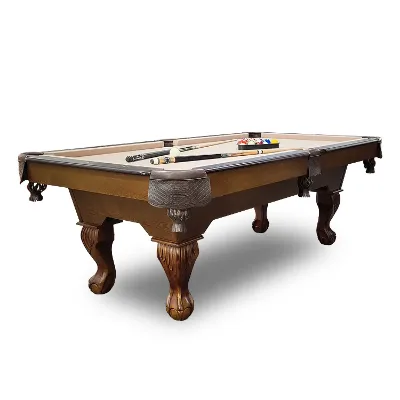
Pool Table Billiard Table Classic Wooden Pool Table Solid Oak Billiard Table
$1050.00 - $1150.00
MOQ: 1 Pieces

Billiard Table Pool Table High-End Wooden Pool Table Contemporary Solid Wood Pool Table
$400.00 - $450.00
MOQ: 1 Pieces


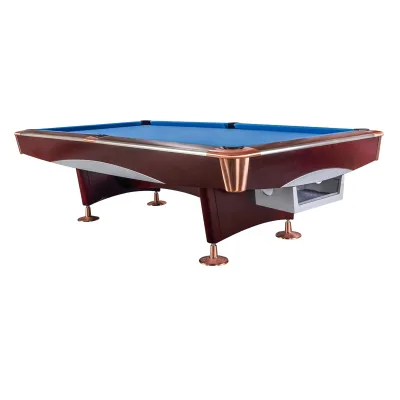
7FT Pool Table with Solid Wood Frame and Waterproof Leather Pockets, Durable
$800.00 - $1599.00
MOQ: 1 Pieces


Comprehensive Sourcing Guide
Leather Net Pool Table Pockets Sourcing Guide
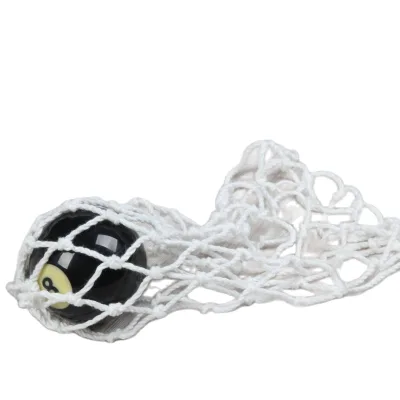
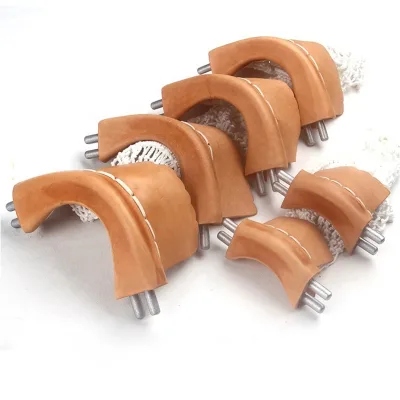
Sourcing high-quality Leather Net Pool Table Pockets requires a nuanced understanding of both the aesthetic demands of modern billiards furniture and the functional requirements of competitive play. These components serve as the critical interface between the playing surface and the ball return system, influencing not only the visual appeal of the table but also the durability and sound profile during gameplay. Buyers must distinguish between standard fabric pockets and those enhanced with leather accents or full leather construction, as the latter often commands a premium due to material costs and specialized craftsmanship. The decision to source leather net pockets typically stems from a desire for a luxury finish, improved resistance to wear, and a more professional aesthetic that aligns with high-end entertainment venues or serious home game rooms.
The procurement process for these specific components involves navigating a market where customization is prevalent, and material specifications can vary significantly between suppliers. While the core function remains consistent—capturing and directing balls into the pocket well—the execution varies based on the underlying frame material, the stitching technique, and the type of leather or leather-like material used. Buyers need to establish clear definitions of what constitutes "leather" in their procurement specifications, whether it refers to genuine top-grain leather, bonded leather, or high-performance synthetic alternatives that mimic the look and feel of leather. This clarity is essential for avoiding discrepancies between sample approval and bulk production, ensuring that the final product meets the expected quality standards for both durability and appearance.
Product Scope and Observed Listing Signals
The current market landscape for billiards table components reveals a diverse range of products, with leather pockets often appearing as part of broader table configurations or as standalone replacement parts. Observed listing signals indicate that many suppliers offer customized options, allowing buyers to select specific materials for rails, cushions, and pockets to match their design preferences. For instance, some listings highlight the use of solid wood for rails and leather pockets, suggesting a traditional or high-end construction method that prioritizes stability and classic aesthetics. These signals suggest that buyers should look for suppliers who provide detailed breakdowns of material composition, particularly distinguishing between the pocket frame material and the pocket bag material itself.
In addition to material specifications, observed data points to a variety of standard sizes and configurations available in the market, ranging from 6ft to 9ft tables. This variability means that sourcing leather net pockets requires careful attention to dimensional compatibility, especially if the pockets are intended for replacement or integration into a custom-built table. Buyers should note that some suppliers offer professional exporting packaging, which is crucial for protecting delicate leather components during transit. The presence of specific model numbers and origin locations, such as Jiangxi or Guangdong in China, provides a baseline for identifying potential suppliers, but buyers must verify that these entities have the specific capability to produce or source high-quality leather pocket assemblies that meet their exact requirements.
Technical Specifications to Verify
When evaluating potential suppliers for Leather Net Pool Table Pockets, verifying the technical specifications of the materials is paramount. Buyers should request detailed information on the type of leather used, including its thickness, grain, and treatment process, as these factors directly impact durability and resistance to cracking or fading. It is also essential to verify the construction of the pocket net itself, ensuring that the stitching is robust and the mesh density is appropriate for the intended use, whether for casual entertainment or professional racing and competitive play. The integration of the leather with the pocket frame must be secure, with attention paid to the quality of adhesives or mechanical fasteners used in the assembly.
Furthermore, buyers must confirm the compatibility of the leather pockets with the table’s slate and cushion system. The thickness and rigidity of the pocket assembly can affect the ball’s trajectory and rebound characteristics, so it is crucial to ensure that the pockets are designed to work harmoniously with the specific slate thickness and cushion rubber hardness of the table. Suppliers should provide technical drawings or detailed descriptions of how the pockets attach to the rail and slate, including any necessary hardware or mounting points. Verifying these technical details helps prevent installation issues and ensures that the final assembled table performs as expected, maintaining the integrity of the game’s physics and the aesthetic cohesion of the design.
Compliance and Safety Documentation
While leather pockets are primarily aesthetic and functional components, compliance with safety and environmental standards is still a relevant consideration for B2B buyers. Buyers should inquire about the chemical composition of the leather and any finishes or treatments applied to it, ensuring that they comply with relevant regulations regarding volatile organic compounds (VOCs) and hazardous substances. This is particularly important for products intended for indoor use in residential or commercial settings, where air quality and material safety are of concern. Suppliers should be able to provide documentation or test reports confirming that their materials meet applicable safety standards, although specific certification requirements may vary by region and end-use.
Additionally, buyers should verify that the manufacturing processes used by suppliers adhere to general workplace safety and environmental management practices. While specific certifications like ISO 27001:2022 relate to information security and may not be directly relevant to physical product manufacturing, broader quality management systems can indicate a supplier’s commitment to consistent quality and process control. Buyers should look for suppliers who demonstrate a structured approach to quality assurance, including regular inspections and testing of raw materials and finished goods. This due diligence helps mitigate risks associated with product liability and ensures that the sourced components are produced in a responsible and compliant manner.
Cost Drivers and Commercial Terms
The cost of Leather Net Pool Table Pockets is influenced by several key factors, including the type and quality of leather, the complexity of the design, and the volume of the order. Genuine leather, particularly top-grain or full-grain varieties, will naturally command a higher price than bonded leather or synthetic alternatives. Buyers should also consider the labor intensity involved in crafting and attaching the leather pockets, as hand-stitched or custom-designed pockets may incur higher production costs. Understanding these cost drivers allows buyers to make informed decisions about material selection and budget allocation, balancing aesthetic preferences with financial constraints.
Commercial terms, such as minimum order quantities (MOQ), payment terms, and lead times, also play a significant role in the procurement process. Buyers should negotiate terms that align with their inventory needs and cash flow requirements, keeping in mind that custom orders may have longer lead times and higher MOQs. It is advisable to clarify all costs upfront, including shipping, packaging, and any potential customs duties, to avoid unexpected expenses. Establishing clear commercial terms with suppliers helps ensure a smooth transaction process and fosters a collaborative relationship that can benefit future procurement activities.
Supplier Qualification and Quality Control
Qualifying suppliers for Leather Net Pool Table Pockets requires a thorough assessment of their manufacturing capabilities, quality control processes, and track record. Buyers should request samples of the leather pockets to evaluate the material quality, stitching integrity, and overall finish. It is also important to verify the supplier’s ability to meet specific customization requirements, such as unique colors, sizes, or design elements. Suppliers with a history of producing high-quality billiards components and positive customer feedback are generally more reliable choices, as they have demonstrated their ability to deliver consistent results.
Implementing a robust quality control process is essential to ensure that the sourced leather pockets meet the specified standards. Buyers should establish clear acceptance criteria and inspection protocols, including visual inspections for defects, dimensional checks for compatibility, and functional tests for durability. Regular communication with suppliers during the production process can help identify and address potential issues early, reducing the risk of receiving non-conforming goods. By prioritizing supplier qualification and rigorous quality control, buyers can minimize risks and ensure that they receive high-quality Leather Net Pool Table Pockets that meet their expectations.
Long-Term Procurement Checks
Long-term procurement success with Leather Net Pool Table Pockets depends on maintaining strong relationships with suppliers and continuously monitoring performance. Buyers should conduct periodic reviews of supplier performance, assessing factors such as on-time delivery, product quality, and responsiveness to issues. Establishing a feedback loop with suppliers can help drive continuous improvement and ensure that any emerging issues are addressed promptly. Additionally, buyers should stay informed about market trends and technological advancements in billiards components, allowing them to make proactive decisions about material selection and design updates.
Regularly updating procurement specifications and requirements based on changing business needs and market conditions is also crucial for long-term success. Buyers should be prepared to adapt their sourcing strategies in response to fluctuations in material costs, supply chain disruptions, or shifts in customer preferences. By maintaining a flexible and informed approach to procurement, buyers can ensure that they continue to source high-quality Leather Net Pool Table Pockets that meet their evolving needs and maintain a competitive edge in the market.
FAQs
What material are the pool table pockets made of?
The pockets are constructed from leather material. This design ensures durability and a smooth ball roll, which is essential for professional billiards tables used in racing and entertainment venues.
Can I customize the specifications of the billiards table?
Yes, customization is available for these products. Buyers can select from various standard sizes including 6ft, 7ft, 8ft, and 9ft models to suit specific venue requirements and space constraints.
Which slate thickness is used for the table surface?
The tables utilize 3PCS 25mm Jiujiang Slate for the playing surface. This specific slate thickness provides the necessary stability and flatness required for high-speed table cloth performance.
How is the product packed for international shipping?
Products are packed in professional exporting cartons and wooden boxes. Some models also use strong fumigated wooden crates to ensure safety during transport from Jiangxi, China to global destinations.
What is the net weight of the standard billiards table?
The net weight varies by model, with observed values of 500kg and 550kg. These weights reflect the solid wood construction and heavy slate components included in the final assembly.
Where are these billiards tables manufactured?
These tables originate from Jiangxi, China, specifically Jiujiang City. The manufacturing location is known for producing high-quality slate and wooden components for professional entertainment equipment.