Source Leather Grain Paper Cover for Binding, Packaging, and Gifts
Explore 30 listings for Leather Grain Paper Cover options featuring embossed textures, moisture-proof materials, and custom sizes. Buyers can compare specifications like GSM, packing methods, and OEM capabilities to find suitable solutions for binding covers and gift packaging.
Key considerations
Products List


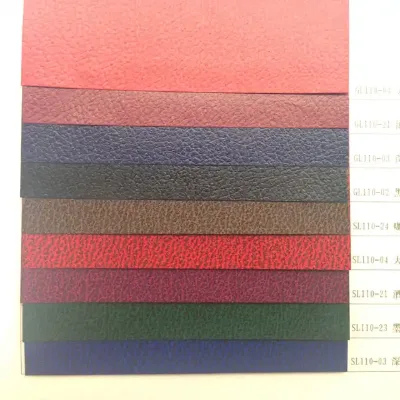
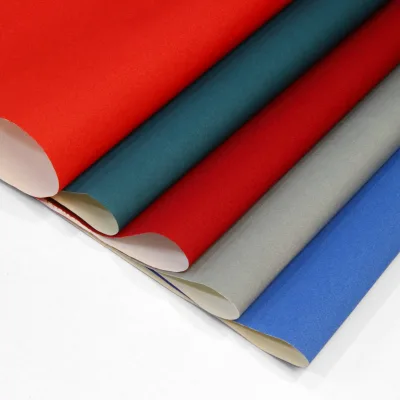
Embossed Paper Board/Leather Grain Paper Board Using for File Covering
$1250.00 - $1500.00
MOQ: 1 Tons

Leather Grain Binding Cover/Binding Cover Paper Light Color/Darker Color/Deep Color
$1250.00 - $1500.00
MOQ: 1 Tons


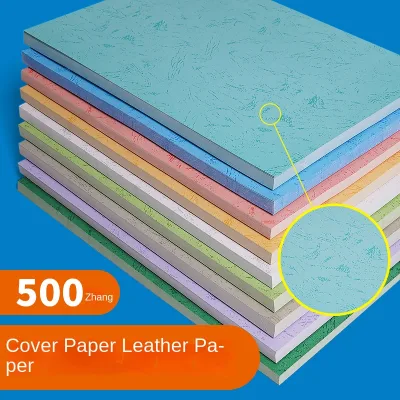
A4 Colourful Embossed Leather Grain Papers Binding Cover Embossed Papers
$0.10 - $0.11
MOQ: 100 Pieces






Comprehensive Sourcing Guide
Strategic Sourcing Guide for Leather Grain Paper Covers
The global market for specialized paper products has seen a significant shift toward materials that mimic premium textures while maintaining cost efficiency. Among these, the Leather Grain Paper Cover has emerged as a critical component for industries ranging from high-end gift packaging to document binding and corporate branding. For procurement professionals, navigating this category requires a disciplined approach that separates marketing aesthetics from verifiable technical specifications. This guide synthesizes available product data and industry standards to provide a framework for sourcing leather grain paper covers that meet rigorous B2B requirements.
Technical Specifications and Material Composition
Understanding the physical and chemical properties of leather grain paper is the first step in defining a precise procurement specification. The core material for these products is typically derived from wood pulp, often processed to achieve a specific grammage range. Available data indicates that the grammage for such paper products can vary significantly, spanning from 50 GSM to 1000 GSM. This wide range allows buyers to select materials based on the intended structural integrity; lighter weights are suitable for decorative wrapping, while heavier weights are required for binding covers or document bags that must withstand frequent handling.
The defining characteristic of this category is the surface texture. The product attributes explicitly identify a "Leather" texture, often achieved through embossing processes. Specific model descriptions reference "Embossed Leather Grain Paper" and "Leather Grain Binding Cover Paper," confirming that the tactile experience is a primary design feature. This texture is not merely cosmetic; it often serves to enhance grip and provide a premium feel without the cost of genuine leather. The material composition may also include a coating layer, described in the data as "Coated," which can influence the surface finish, whether matte or glossy, and its resistance to wear.
In terms of physical dimensions, the standard sizes observed include A4 and A3 formats, with some suppliers offering custom dimensions up to 700x1000mm. The standardization of sizes like 297x210mm (A4) is common, but the market also supports bespoke requirements. Buyers must verify if the supplier can accommodate specific size requests, as the standard offerings may not cover all niche applications. Furthermore, the product origin is predominantly China, with specific manufacturing hubs noted in regions like Shandong. This geographic concentration suggests a mature supply chain but necessitates careful logistics planning for international buyers.
Compliance, Certification, and Quality Assurance
In the B2B sector, compliance is not optional; it is a prerequisite for market entry and risk mitigation. When sourcing leather grain paper covers, buyers must verify that the supplier holds recognized quality management certifications. The available data points to the existence of ISO9001 and SGS certificates for certain products in this category. These certifications indicate that the manufacturing process adheres to international standards for quality control and consistency. However, buyers should not assume that every listing in this category possesses these credentials. Verification of the specific certificate for the ordered batch is essential to ensure that the material meets safety and environmental regulations, particularly if the end product is intended for food packaging or direct consumer gifts.
Environmental and safety compliance is another critical area. While the data mentions "Moisture Proof" as a feature, it does not explicitly confirm biodegradability or specific chemical restrictions. For buyers targeting eco-conscious markets, it is necessary to request detailed Material Safety Data Sheets (MSDS) and confirm the absence of hazardous substances. The "OEM" (Original Equipment Manufacturer) capability listed in the attributes suggests that suppliers are willing to customize the product, which often involves adjusting the chemical composition of the coating or the embossing process. This customization capability must be balanced against the need to maintain compliance with the target market's regulations.
Quality assurance protocols should also extend to the packaging and shipping process. The data indicates various packing methods, including "Master Carton," "Shrink Wrapping & Carton," and "Cartons & Pallets." The choice of packaging can significantly impact the condition of the paper upon arrival, especially given its susceptibility to moisture and physical damage. A robust quality control plan should include pre-shipment inspections to verify that the packaging meets the required standards for protection during transit.
Cost Drivers and Pricing Dynamics
The pricing of leather grain paper covers is influenced by a complex interplay of factors, including material costs, processing complexity, and order volume. The observed price range in the market is vast, extending from $0.01 to $5000. This wide disparity reflects the difference between basic raw material costs and high-value, customized solutions. For instance, a simple sheet of embossed paper will cost significantly less than a custom-sized, coated, and branded binding cover.
Order volume is a primary driver of unit cost. The Minimum Order Quantity (MOQ) varies widely, with some listings indicating an MOQ of 100 pieces, while others suggest thresholds up to 10,000 units. Buyers must align their order volume with the supplier's MOQ to achieve optimal pricing. Small orders may incur higher per-unit costs due to the fixed costs of setup and production runs. Conversely, large orders can leverage economies of scale but require significant capital outlay and storage capacity.
Additional cost drivers include the complexity of the customization. Features such as UV printing, specific color assortments, and unique embossing patterns add to the production time and cost. The data mentions "UV Printing" as a capability, which is a more expensive process than standard ink printing due to the curing requirements and equipment involved. Similarly, the "Multi-Color" and "Assorted" attributes suggest that color matching and inventory management for varied SKUs can increase logistics costs. Buyers should request detailed cost breakdowns that separate material, processing, and logistics costs to understand the true value proposition of each supplier.
Typical Applications and Usage Scenarios
Leather grain paper covers serve a diverse range of applications, driven by their aesthetic appeal and functional durability. The primary usage categories identified in the product data include "Gifts," "Gift Packaging," and "Food Packaging." In the gift sector, the leather texture provides a luxurious feel that elevates the perceived value of the item inside, making it a popular choice for corporate gifts, wedding favors, and holiday packaging. The "Without Zipper" and "Without Lock" attributes suggest that these covers are often used as sleeves, wraps, or outer casings rather than secure containers.
Beyond gift packaging, these materials are extensively used in document binding and administrative applications. The specific mention of "Document Bag" and "Binding Cover Paper" indicates their utility in creating professional-looking file folders, report covers, and presentation binders. The "Moisture Proof" feature is particularly valuable in these contexts, protecting documents from humidity and accidental spills. Additionally, the "Antique" style attribute points to a niche market for vintage or retro-themed designs, suitable for artisanal products or specialty stationery.
The versatility of the material also extends to industrial and commercial uses. The "Leather Grain Binding" specification suggests applications in bookbinding and manual covers, where durability and a professional appearance are paramount. The ability to produce these covers in various sizes, from A4 to custom dimensions, allows for their use in a wide array of industries, from education to corporate administration. Buyers should carefully evaluate the specific requirements of their end-use case to ensure the selected material meets the necessary performance criteria.
Supplier Evaluation and Selection Criteria
Selecting the right supplier is critical for ensuring product consistency and supply chain reliability. When evaluating potential partners, buyers should prioritize suppliers who demonstrate transparency in their specifications and certifications. The presence of ISO9001 and SGS certificates is a strong indicator of a supplier's commitment to quality, but it should be verified against the specific product being ordered. Buyers should also assess the supplier's customization capabilities, as the "OEM" and "Customization: Available" attributes suggest that many suppliers can tailor products to specific needs.
Lead time is another crucial factor in supplier selection. The data indicates a standard lead time of 20 days, but this can vary based on order complexity and volume. Buyers must confirm the lead time for their specific order to ensure it aligns with their production schedule. Shipping options, including "Sea/Air/Train," offer flexibility, but the choice of shipping method will impact both cost and delivery speed. For urgent orders, air freight may be necessary, while sea freight is more cost-effective for large, non-urgent shipments.
Geographic location also plays a role in supplier evaluation. With a significant concentration of manufacturers in China, particularly in Shandong, buyers should consider the logistics implications of sourcing from this region. Proximity to major ports can reduce shipping times and costs, but buyers must also be aware of potential trade barriers or tariffs. A comprehensive supplier evaluation should include a review of their production capacity, quality control processes, and ability to scale operations to meet fluctuating demand.
Long-Term Procurement and Quality Control Strategies
Establishing a long-term procurement strategy for leather grain paper covers requires a focus on consistency, reliability, and continuous improvement. Quality control should be integrated into every stage of the supply chain, from raw material sourcing to final delivery. Buyers should implement a rigorous inspection protocol that includes pre-production samples, in-process checks, and final acceptance testing. This approach helps to identify and rectify issues before they escalate into costly problems.
To maintain long-term relationships with suppliers, buyers should foster open communication and collaborative problem-solving. Regular reviews of performance metrics, such as defect rates and on-time delivery, can help identify areas for improvement. Additionally, buyers should stay informed about market trends and technological advancements in paper manufacturing. The ability to adapt to new materials or processes can provide a competitive advantage and ensure that the product remains relevant in a changing market.
Finally, buyers should consider the environmental impact of their procurement decisions. As sustainability becomes a key priority for many businesses, sourcing paper products from suppliers who prioritize eco-friendly practices can enhance brand reputation and meet regulatory requirements. By focusing on these long-term considerations, buyers can build a resilient supply chain that delivers value and quality over time.
Comparison of Product Attributes
| Attribute Category | Observation from Data | Procurement Implication |
|---|---|---|
| Material | Wood Pulp, PU Leather, Fabric, Moisture Proof | Verify specific composition for end-use safety and durability. |
| Texture | Leather, Embossed, Antique | Confirm tactile quality matches design requirements. |
| Dimensions | A4, A3, 297x210mm, Custom | Ensure supplier can meet specific size constraints. |
| Packaging | Master Carton, Shrink Wrap, Pallets | Assess protection level for transit safety. |
| Certification | ISO9001, SGS | Mandatory verification for quality and compliance. |
| Lead Time | 20 Days (Standard) | Plan production schedules around this baseline. |
| MOQ | 100 pieces to 10,000 units | Align order volume with cost efficiency goals. |
| Origin | China (Shandong) | Factor in logistics and potential trade considerations. |
By adhering to these guidelines and leveraging the available data, procurement professionals can make informed decisions that balance cost, quality, and performance when sourcing leather grain paper covers.
FAQs
Can leather grain paper covers be customized for specific sizes?
Yes, customization is available for various sizes including A4, A3, and custom dimensions up to 700x1000mm. Buyers can request specific requirements as the standard offerings support bespoke needs beyond the typical A4 format.
What certifications do Leather Grain Paper Cover manufacturers hold?
Some products in this category hold ISO9001 and SGS certificates to ensure quality management standards. Buyers should verify these credentials for specific batches to confirm compliance with international safety and environmental regulations.
Which material properties make these covers suitable for gifts?
The covers feature a leather texture achieved through embossing and are often moisture proof for durability. They are explicitly designed for gift packaging and document binding, offering a premium feel without the cost of genuine leather.
How long is the lead time for ordering these paper covers?
The standard lead time for production is typically 20 days from order confirmation. This duration may vary based on order complexity, volume, and specific customization requirements like UV printing or unique embossing patterns.
What is the minimum order quantity for leather grain paper covers?
The minimum order quantity can range from 100 pieces to 10,000 units depending on the supplier. Buyers must align their order volume with these thresholds to achieve optimal pricing and avoid higher per-unit costs.
Can buyers source these covers from manufacturers in Shandong?
Yes, specific manufacturing hubs are located in Shandong, China, which is a primary origin for these products. Sourcing from this region offers access to a mature supply chain but requires careful logistics planning for international delivery.
What packaging methods are used for shipping these paper products?
Products are typically packed in master cartons, shrink-wrapped with cartons, or shipped on pallets. The packaging choice impacts protection against moisture and physical damage during transit, ensuring the paper arrives in good condition.