Source LED 3D Tunnel Infinity Mirror for Hotel, Home, and Festival
Source the LED 3D Tunnel Infinity Mirror for hotel, home, and festival applications. Compare 30 options featuring IP44 waterproofing, fogless copper-free mirrors, and customizable sizes from 500mm to 900mm. Find suppliers offering CE, RoHS, and UL certified lighting with modern or antique styles.
Key considerations
Products List


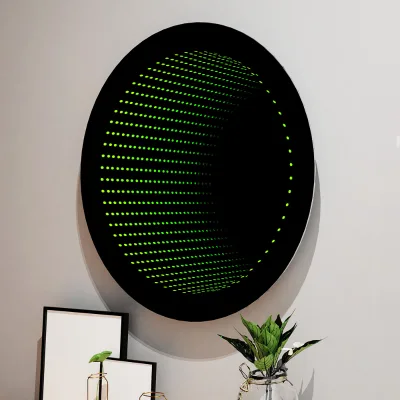


Custom Magic LED 3D Decorative Infinity Mirror Tunnel Mirror for Bar
$50.33 - $160.00
MOQ: 10 Square Meters


Rectangle Wall Mounted Magic Tunnel 3D LED Light Infinity Mirror Bathroom Mirror
$65.31 - $68.91
MOQ: 50 Pieces


Decoration 3D Tunnel Light LED Mirror Wall Hanging Lights Infinity Mirror
$65.31 - $68.91
MOQ: 50 Pieces

Customized Wall Mounted Tunnel Mirror Decorative 3D LED Infinity Mirror
$1.00 - $1.20
MOQ: 1 centimeters

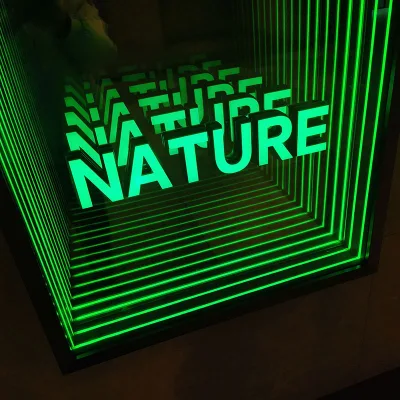

Comprehensive Sourcing Guide
LED 3D Tunnel Infinity Mirror Sourcing Guide
Procuring LED 3D tunnel infinity mirrors requires a nuanced understanding of both optical engineering and electrical safety, particularly for commercial installations in hotels, bathrooms, and landscaping projects. Buyers must distinguish between standard decorative lighting and specialized optical devices that create depth illusions using LED strips and copper-free mirrors. The market offers various shapes, including round, rectangular, and oval designs, with customization options for size and color finishes such as gold, silver, or black. Understanding these variations is critical for aligning product selection with specific interior design themes and functional requirements.
The sourcing process involves evaluating multiple technical parameters, from IP ratings to LED chip specifications, to ensure durability and performance. Observed listings indicate a wide price range and varying minimum order quantities, reflecting the diversity of manufacturing capabilities and material choices. Buyers should focus on verifying the frame material, whether metal or glass, and the specific LED configurations, such as 2835 or 5050 chips, which impact brightness and energy efficiency. This guide provides a structured approach to navigating these complexities and securing reliable supply chains for high-quality infinity mirrors.
Product Scope and Observed Listing Signals
The product scope encompasses a diverse array of infinity mirrors designed for wall hanging applications, featuring single-sided or specialized optical constructions. Listings reveal products with antique or modern styles, often equipped with fogless, waterproof, and rustproof properties suitable for humid environments like bathrooms. The observed data highlights specific models, such as RC-S042, which may feature dimensions like 600mm, 700mm, or 800mm diameters for round variants, or rectangular sizes like 50x70cm up to 75x120cm. These variations cater to different spatial constraints and aesthetic preferences, allowing buyers to select units that fit specific architectural contexts.
Customization is a prevalent feature, with suppliers offering tailored sizes, colors, and even custom designs to meet unique project needs. The observed listings indicate that products can be customized in terms of shape, including rectangular, round, and oval options, as well as color finishes like clear, gold, silver, or black. Additionally, some units are equipped with dimmable light features, offering three-color temperature options to enhance ambiance. Buyers should carefully review product descriptions to confirm whether the listed attributes apply to the specific SKU, as customization options may vary significantly between suppliers and product lines.
Technical Specifications to Verify
Verifying technical specifications is paramount to ensuring the longevity and performance of LED 3D tunnel infinity mirrors. Key attributes to confirm include the IP rating, with many products offering IP44 waterproofing to withstand moisture in bathrooms or outdoor landscaping applications. The LED strip specifications, such as the use of 2835 or 5050 chips, and the voltage requirements, which may range from 12V DC to 220-240V AC, must align with the local electrical infrastructure. Additionally, the color rendering index (CRI) of 90 or higher ensures accurate color representation, enhancing the visual appeal of the illuminated tunnel effect.
The construction materials and finishing processes also play a crucial role in product quality. Buyers should verify the frame material, which can be metal or glass, and the lens material, often specified as 5mm copper-free mirror to prevent oxidation and maintain clarity. The finish, whether silver, gold, or black, should be checked for durability and resistance to corrosion. Furthermore, the thickness of the mirror glass, typically 4mm or 5mm, impacts the structural integrity and optical precision. Confirming these details helps avoid discrepancies between ordered specifications and delivered products, ensuring a seamless installation process.
Compliance and Safety Documentation
Compliance with international safety and environmental standards is essential for importing and installing LED infinity mirrors, particularly in regulated markets. Buyers must verify that products hold relevant certifications, such as CE, RoHS, UL, or SAA, which attest to electrical safety, electromagnetic compatibility, and restricted hazardous substances. These certifications are critical for passing customs inspections and ensuring that the products meet local regulatory requirements. The absence of proper documentation can lead to shipment delays, additional testing costs, or even product recalls, making it imperative to request valid certificates from suppliers before placing orders.
In addition to certifications, buyers should inquire about the testing procedures and quality control measures implemented by the manufacturer. While specific test results are not always disclosed, understanding the supplier’s internal quality assurance processes can provide insight into product reliability. For instance, verifying that the LED strips are waterproof and the mirrors are copper-free can help mitigate risks of failure in humid environments. Buyers should also confirm the voltage compatibility with their local power grid, as mismatched voltages can cause equipment damage or safety hazards. Ensuring compliance and safety documentation is a foundational step in responsible procurement.
Cost Drivers and Commercial Terms
The cost of LED 3D tunnel infinity mirrors is influenced by several factors, including material quality, customization level, and order volume. Observed price ranges vary significantly, reflecting differences in LED chip types, frame materials, and additional features like dimmable lighting or specific IP ratings. Buyers should consider the total cost of ownership, which includes not only the unit price but also shipping, customs duties, and potential installation costs. Higher customization levels, such as unique sizes or colors, may incur additional charges, so it is important to clarify all potential costs upfront to avoid budget overruns.
Commercial terms, including minimum order quantities (MOQ) and payment terms, also impact the overall procurement strategy. MOQs can range from single units to thousands, depending on the supplier’s production capacity and business model. Buyers should negotiate favorable terms, such as flexible MOQs for initial orders or extended payment periods for larger contracts. Additionally, understanding the packaging details, such as individual cartons with wooden framing or PE bags with foam protection, is crucial for minimizing damage during transit. Clear communication regarding commercial terms helps establish a transparent and mutually beneficial relationship with suppliers.
Supplier Qualification and Quality Control
Selecting a qualified supplier is critical to ensuring consistent product quality and reliable delivery. Buyers should assess the supplier’s manufacturing capabilities, including their experience with LED lighting and mirror fabrication. Verifying the supplier’s location, such as Shandong or other known manufacturing hubs, can provide insight into their supply chain efficiency and logistical advantages. Additionally, checking the supplier’s reputation through customer reviews or industry references can help gauge their reliability and commitment to quality. A thorough supplier qualification process reduces the risk of receiving substandard products or experiencing delays in delivery.
Quality control measures should be integrated into the procurement process to ensure that products meet specified standards. Buyers should request samples for initial evaluation to verify optical performance, build quality, and electrical safety. Establishing clear quality acceptance criteria, such as acceptable defect rates or performance benchmarks, helps maintain consistency across orders. Regular audits or third-party inspections can further ensure that the supplier adheres to agreed-upon quality standards. By prioritizing supplier qualification and robust quality control, buyers can mitigate risks and secure a steady supply of high-quality LED 3D tunnel infinity mirrors.
Long-Term Procurement Checks
Long-term procurement success depends on continuous monitoring of supplier performance and market trends. Buyers should establish key performance indicators (KPIs) to track metrics such as on-time delivery, product defect rates, and responsiveness to issues. Regular communication with suppliers helps address any emerging challenges promptly and fosters a collaborative relationship. Additionally, staying informed about advancements in LED technology and mirror design can help buyers identify opportunities for product upgrades or cost savings. Proactive engagement with suppliers ensures that the procurement strategy remains aligned with evolving business needs and market conditions.
Sustainability and regulatory changes also require ongoing attention in the long term. Buyers should monitor updates to environmental regulations, such as restrictions on hazardous substances or energy efficiency standards, to ensure continued compliance. Evaluating the supplier’s commitment to sustainable practices, such as using eco-friendly materials or energy-efficient production processes, can enhance brand reputation and meet growing consumer demand for green products. By implementing systematic long-term procurement checks, buyers can build a resilient supply chain that supports business growth and adapts to future challenges effectively.
FAQs
What certifications are available for these LED mirrors?
These LED mirrors come with CE, RoHS, UL, and SAA certifications. These documents ensure compliance with international safety and environmental standards for electrical products. Buyers can verify specific certificates based on their target market requirements before placing orders.
Can I customize the size and shape of the mirror?
Yes, customization is available for both size and shape. Standard options include round, rectangular, and oval designs with diameters ranging from 600mm to 900mm. Custom dimensions and specific design requests can be accommodated to meet unique project specifications.
What is the IP rating for waterproof performance?
The mirrors feature an IP44 waterproof rating, making them suitable for bathroom environments. This rating protects against splashing water from any direction. The LED strips are also waterproof, ensuring durability and safety in humid conditions typical of residential and hotel bathrooms.
How is the lighting controlled and what colors are offered?
The lighting offers three color options and is dimmable for adjustable ambiance. The LED strips use 2835 or 5050 chips with a CRI of 90 for accurate color rendering. Voltage options include 220-240V and 110-130V to suit different regional electrical standards.
What materials are used for the frame and mirror surface?
Frames are constructed from metal with finishes like silver, gold, or black. The mirror surface uses 5mm copper-free glass to prevent rust and ensure longevity. Some models feature antique or modern styles, combining durable materials with aesthetic design for various interior applications.
What is the typical packaging method for shipping?
Products are packed individually in cartons with wooden framing for extra protection. Alternative packaging includes PE bags, foam, and cartons to prevent damage during transit. This safe packaging ensures the mirrors arrive in perfect condition, ready for installation in hotels, homes, or commercial spaces.