Source Eco Friendly French Press for Home, Office, and Travel
Compare 30 Eco Friendly French Press options from verified Chinese suppliers. Browse glass and metal models with customizable logos, various capacities, and certifications like FDA and SGS to find the right coffee maker for your needs.
Key considerations
Products List
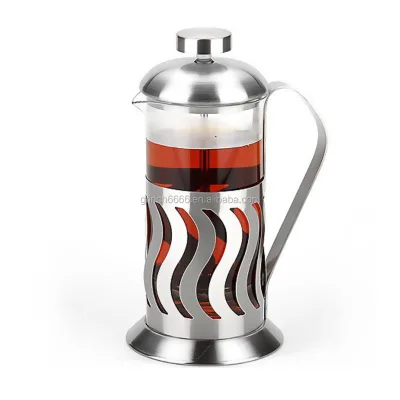
OEM High quality Stainless Steel French Press, french press, microwavable french press
$1.00 - $5.00
MOQ: 1000 Minimum
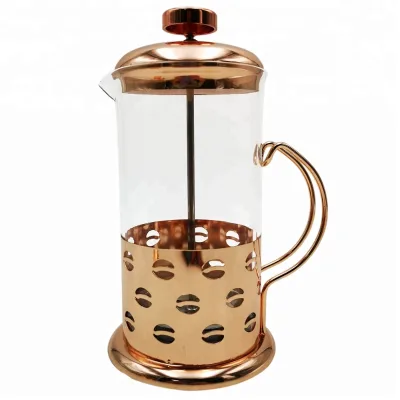
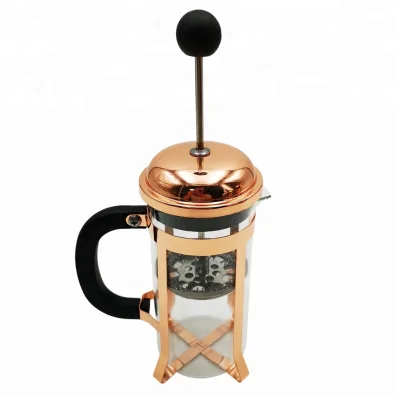
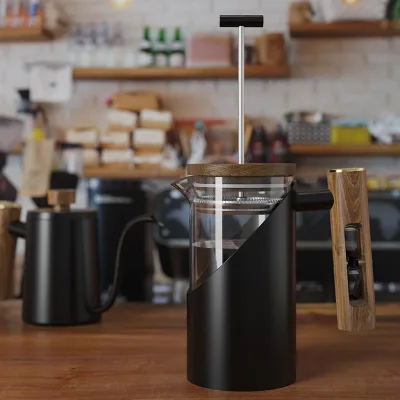
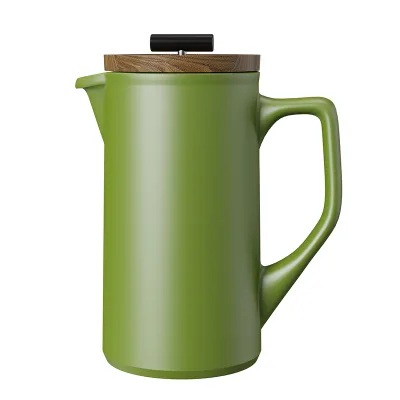
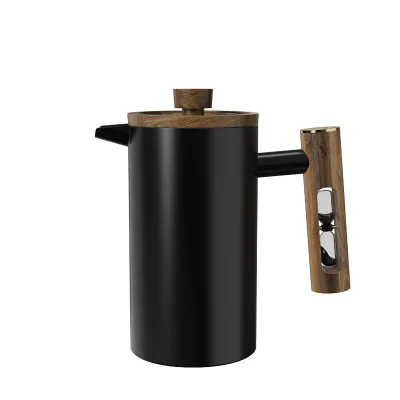
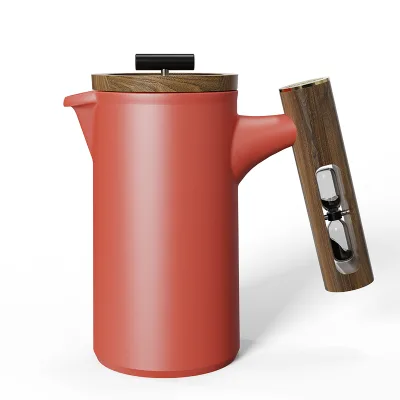
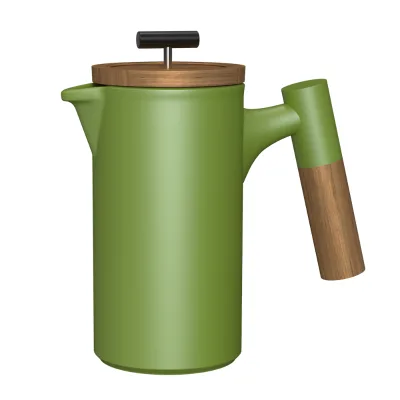
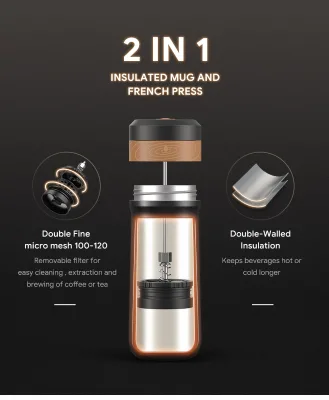
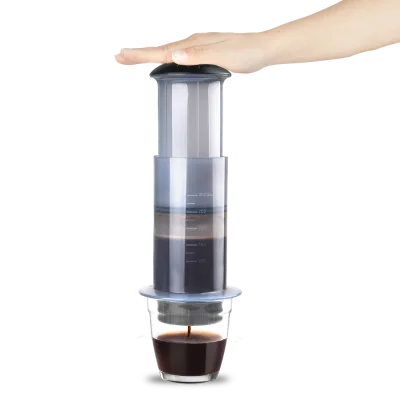
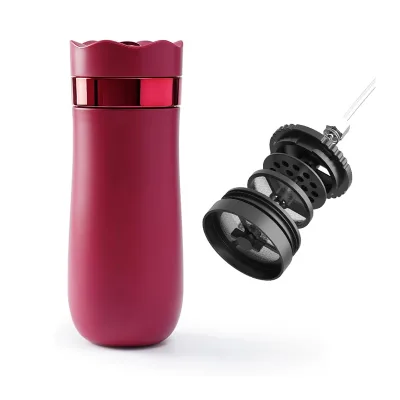
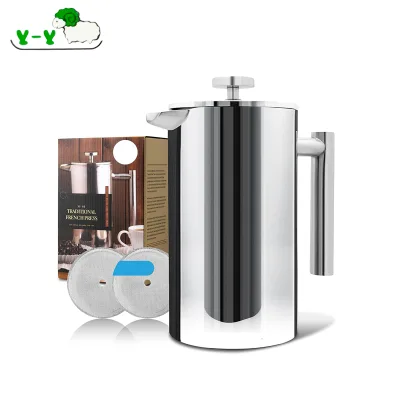
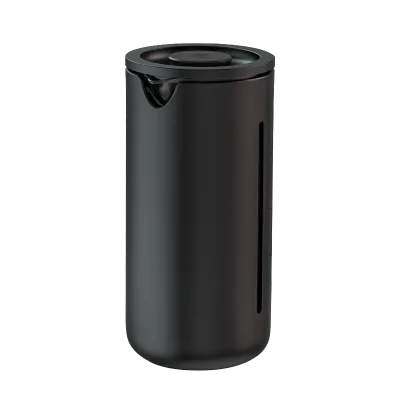
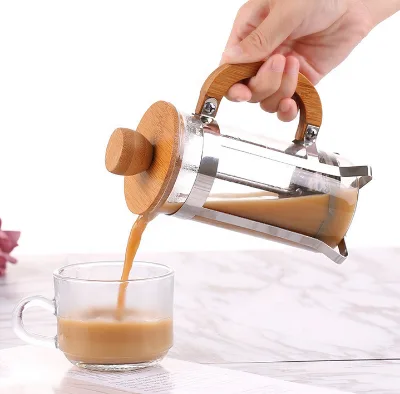
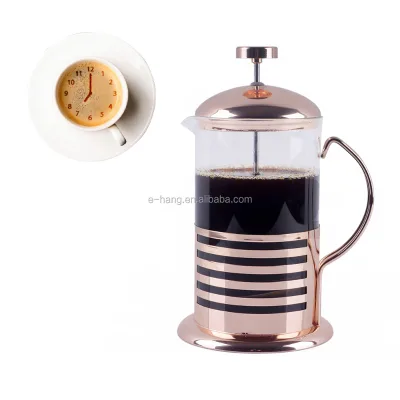
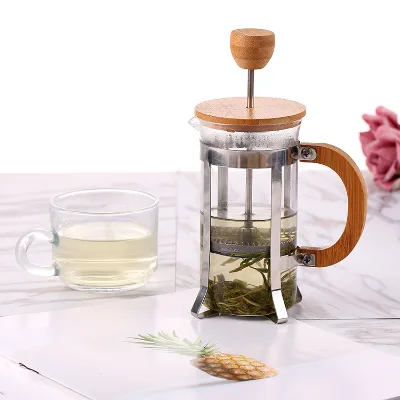


Comprehensive Sourcing Guide
Strategic Sourcing Guide for Eco-Friendly French Press Coffee Makers
Understanding Product Definitions and Core Material Variations
The term "eco-friendly french press" in the B2B marketplace often encompasses a range of products that prioritize sustainability through material selection, durability, and manufacturing processes. When evaluating potential inventory, buyers must first distinguish between the primary material compositions observed in current listings. The supply chain presents distinct categories, primarily driven by the choice of glass, metal, and composite materials. One prevalent variation utilizes high-borosilicate glass, a material chosen for its thermal shock resistance and ability to maintain product purity without leaching chemicals. This glass is often paired with 304 stainless steel bodies, which provide structural integrity and corrosion resistance. Another significant category involves metal constructions, specifically copper or stainless steel variants, which offer a different aesthetic and thermal profile compared to glass models.
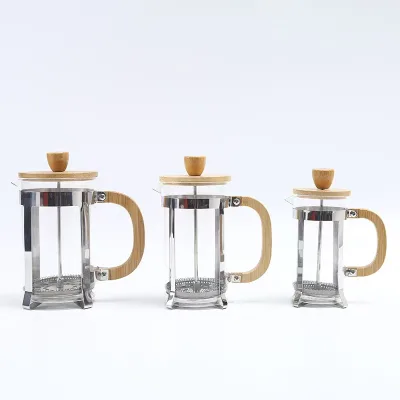
A critical observation in the current market is the integration of natural materials to enhance the eco-friendly narrative. Products are frequently listed with walnut handles and walnut lids, utilizing wood sourced from renewable forestry practices. These wooden components are not merely aesthetic; they serve a functional purpose by providing heat insulation for the user while reducing the reliance on plastic or synthetic polymers. The combination of these materials—glass, stainless steel, and wood—creates a product profile that aligns with the "Eco-Friendly" attribute often cited in supplier catalogs. Buyers should note that while some listings specify "Copper French Press," others focus on "Glass French Press," and the sourcing strategy must account for these distinct material requirements to ensure the final product matches the intended brand positioning.
Technical Specifications and Functional Attributes
When defining the technical requirements for a procurement order, the specifications of the French press are paramount. The market data indicates a standard capacity range that buyers should consider for their target demographics. Available sizes typically include 350ML, 600ML, 800ML, and 1000ML. This range allows suppliers to cater to both individual consumers and small households, as well as larger groups. The physical dimensions are also standardized, with specific models noting a height of approximately 19cm for the 800ml capacity, which is a crucial metric for packaging and logistics planning.
The brewing mechanism is another essential technical specification. The majority of these products operate on a "Pressing Type" water flowing method, which is the traditional and most efficient mechanism for French press coffee extraction. This method ensures that the coffee grounds are fully immersed before being separated by the plunger. Furthermore, the product design often includes a "Double Wall" feature in certain glass models, which improves thermal retention and prevents the exterior from becoming too hot to touch. The "Hourglass Timer" is a notable functional addition found in specific high-end variations, allowing users to precisely time their brew cycle without external devices. These timers are integrated into the design, often alongside the walnut lid, creating a cohesive user experience. Buyers must verify that the "boiling water" applicability is confirmed for their chosen model, as this ensures the product can withstand the high temperatures required for proper coffee extraction without degrading the material or the seal.
Compliance, Certification, and Regulatory Standards
Navigating the regulatory landscape is a critical component of sourcing eco-friendly drinkware. The supply chain for these products is heavily regulated to ensure safety and environmental compliance. The most frequently cited certifications in the current market data include FDA, Lfgb, and Sgs. These certifications are not merely marketing terms but represent adherence to specific safety and quality standards. FDA compliance indicates that the materials used are safe for food contact according to United States regulations. Lfgb certification is a German standard that is widely recognized globally for its rigorous testing of food contact materials, ensuring that no harmful substances migrate into the beverage. SGS certification provides third-party verification of product quality and safety, offering buyers an additional layer of assurance regarding the integrity of the manufacturing process.
It is important for buyers to understand that certification status can vary by model and manufacturer. While some listings explicitly state "FDA, Lfgb, Sgs," others may only list "Lfgb, Sgs." This discrepancy suggests that not every product in the "eco-friendly" category carries the full suite of certifications. Therefore, procurement teams must verify the specific certification documentation for each model number, such as YS-F191 or YS-F382, before placing an order. The absence of a specific certification in a listing should not be interpreted as a lack of quality but rather as a need for direct verification with the supplier. Additionally, the "anti-corrosion coating" attribute is noted as "Not Equipped" in some specifications, which implies that the corrosion resistance is achieved through the inherent properties of the 304 stainless steel or the glass material itself, rather than through chemical coatings that might raise environmental concerns.
Cost Drivers and Supply Chain Economics
The pricing structure for eco-friendly French presses is influenced by several key factors, including material costs, customization levels, and production complexity. The observed price range in the market is vast, spanning from 0.04 USD to 110,000 USD, though this wide range likely reflects the inclusion of bulk raw materials, complete sets, or specialized custom orders rather than unit prices for standard single items. For standard single-item units, the cost is driven by the specific combination of materials. High-borosilicate glass and 304 stainless steel are more expensive than standard glass or aluminum, directly impacting the unit cost. The inclusion of natural materials like walnut handles and lids also adds to the cost due to the sourcing and processing requirements of the wood.
Customization is another significant cost driver. The market data indicates that "OEM Package" and "Customized Color Box" are standard offerings, allowing brands to create unique packaging. However, the "Customized Logo" and "Customized Color" options require additional setup costs and potentially longer lead times. The Minimum Order Quantity (MOQ) is a critical economic factor, with observed ranges from 1 to 2000 units, though a specific model (YS-F191) lists an MOQ of 1000pcs. This high MOQ suggests that for certain models, economies of scale are necessary to achieve viable pricing. Buyers must balance the desire for customization and lower unit costs against the financial risk of holding inventory. The "Supply Ability" of 20,000 units per month indicates that suppliers have the capacity to handle large orders, but the actual lead time and production scheduling will depend on the specific order volume and the complexity of the customization requested.
Supplier Evaluation and Geographic Considerations
Selecting the right supplier requires a careful evaluation of their geographic location, production capabilities, and logistical readiness. The primary places of origin for these products are identified as Zhejiang, China, and Guangdong, China. These regions are known for their robust manufacturing ecosystems, particularly in glass and metal processing. Zhejiang is often associated with glassware production, while Guangdong has a strong presence in metal fabrication and electronics, which may influence the quality of the stainless steel components. The port of dispatch is another critical logistical detail; suppliers may ship from Ningbo or Xiamen. Ningbo is a major port with extensive container capacity, while Xiamen offers efficient logistics for southern China exports. Buyers should verify the specific port of dispatch for their chosen supplier to accurately calculate shipping costs and transit times.
Supplier evaluation should also focus on the "Brand Name" and "Product Name" consistency. Many listings show "OEM" as the brand name, indicating that the supplier is willing to produce under the buyer's brand. However, some products are listed under specific brand names like "DHPO," which suggests that the supplier may also have their own branded lines. Buyers seeking a purely OEM relationship must ensure that the supplier's policies align with their desire for exclusivity and brand control. The "Packing Details" vary from "PC/POLYBAG, SET/WHITE BOX" to "Customized Color Box," and the buyer must assess the supplier's ability to meet specific packaging requirements without compromising the structural integrity of the product during transit. The "Selling Units" are typically listed as "Single item," but the "Quantity" field sometimes shows "1," which may refer to the unit of measurement for the MOQ rather than the packaging configuration.
Quality Control and Long-Term Procurement Strategy
Implementing a robust quality control (QC) strategy is essential for maintaining the integrity of eco-friendly French press products. Given the use of glass and metal, the primary QC focus should be on thermal shock resistance, structural integrity, and finish quality. The "High-Borrocilicate Glass" specification implies a need for rigorous testing to ensure the glass does not shatter under rapid temperature changes. Similarly, the "304 Stainless Steel Body" must be inspected for weld quality and surface finish to prevent rust or corrosion over time. The "Walnut Handle" and "Walnut Lid" require inspection for cracks, splinters, and finish consistency, as wood is a natural material that can vary in quality.
For long-term procurement, buyers should consider the "Production" capabilities of the supplier. The ability to produce "Glass French Press With Hourglass" indicates a level of manufacturing sophistication that may be required for future product lines. Buyers should also evaluate the supplier's responsiveness to "Customized Logo" requests and their ability to maintain consistency across large batches. The "Type" of product, whether "Coffee Tools" or "French Press Coffee maker," should be clearly defined in the contract to avoid ambiguity. Finally, the "Usage" specification, such as "espresso coffee maker" or "Copper French Coffee Press," must be verified to ensure the product meets the intended application. By focusing on these technical and operational details, buyers can build a sustainable supply chain that delivers high-quality, eco-friendly products consistently.
Application Scenarios and Market Positioning
The versatility of eco-friendly French presses allows them to be positioned in various market segments, from premium home brewing to commercial hospitality. The "Coffee & Tea Sets" category suggests that these products are often part of a broader collection, appealing to consumers who value a cohesive aesthetic in their kitchenware. The "Double Wall" feature and "Hourglass Timer" make these products particularly attractive to the premium segment, where users are willing to pay for enhanced functionality and design. The "Copper French Press" variant offers a distinct luxury appeal, catering to buyers who prefer a metallic aesthetic over the traditional glass look.
In terms of application, the "Boiling Water" applicability ensures that these products are suitable for a wide range of brewing methods, from standard coffee to tea infusions. The "Pressing Type" mechanism is universally understood, making the product accessible to a broad audience. However, the specific capacity options (350ML to 1000ML) allow buyers to target different use cases. Smaller capacities like 350ML are ideal for individual use or travel, while larger capacities like 1000ML are better suited for family use or office settings. The "Eco-Friendly" attribute, combined with the use of natural materials like walnut and high-quality glass, positions these products well for consumers who are conscious of their environmental impact. By understanding these application scenarios, buyers can tailor their sourcing strategy to meet the specific needs of their target market, ensuring that the products they procure align with both functional requirements and brand values.
FAQs
What certifications do Eco Friendly French Press products have?
Products typically hold FDA, Lfgb, and Sgs certifications for food safety. Some listings may only specify Lfgb and Sgs, so verify the specific model documentation before ordering to ensure compliance with your target market regulations.
Which materials are used in Eco Friendly French Press construction?
Common materials include high-borosilicate glass, 304 stainless steel, and walnut wood for handles and lids. Metal variants also exist, but the eco-friendly profile often relies on the combination of durable glass and renewable wood components.
What capacity sizes are available for these coffee makers?
Standard capacities range from 350ML to 1000ML, including 600ML and 800ML options. Specific models like the 800ml variant often feature a height of approximately 19cm, suitable for both individual and small household use.
Can I request a customized logo on these coffee makers?
Yes, customized logos are acceptable and commonly offered as an OEM service. Suppliers provide options for customized color boxes and packaging, though this may require meeting specific minimum order quantities to proceed with branding.
What is the minimum order quantity for these products?
The minimum order quantity varies, with observed ranges from 1 to 2000 units. Specific models like YS-F191 require an MOQ of 1000 pieces, while other suppliers may offer lower thresholds depending on the customization level.
Where are these products manufactured and shipped from?
Products originate from Zhejiang and Guangdong provinces in China. Shipments are dispatched from major ports such as Ningbo or Xiamen, depending on the specific manufacturer and the logistics capabilities of the supplier.