Source LED Carbon Fiber Steering Wheel for Racing, Tuning, and Custom Builds
Compare 30 listings for LED Carbon Fiber Steering Wheel options from Chinese manufacturers. Evaluate customization features, material specifications, and delivery times to find suitable automotive interior components for your sourcing needs; compare the available evidence and request quotations based on your requirements.
Key considerations
Products List
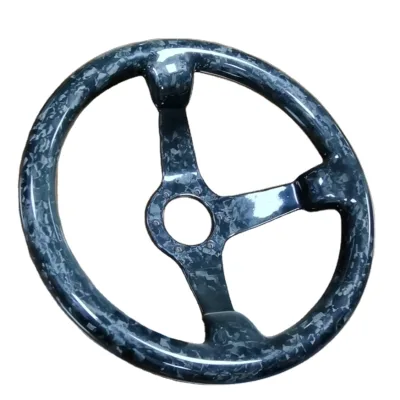

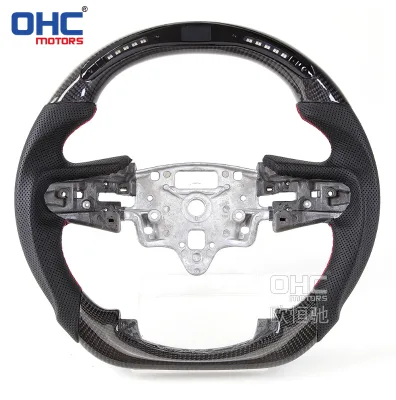
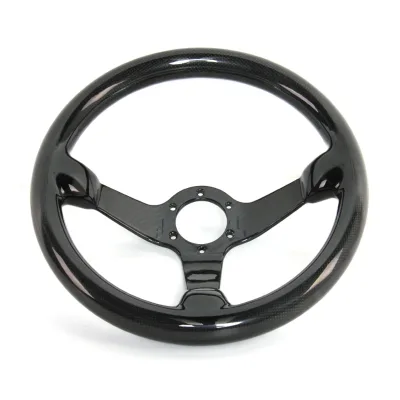
High Quality Shape Racing Car Steering Wheel Carbon Fiber Car Steering Wheel
$99.00 - $119.99
MOQ: 10 pieces


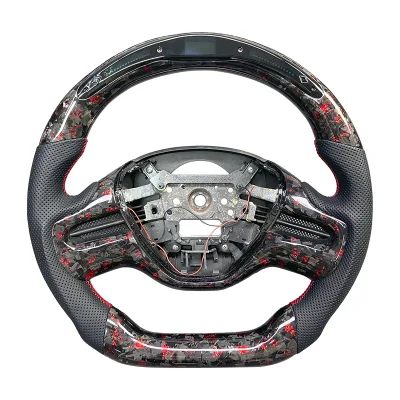
Performance Carbon Fiber Genuine Leather Automotive Sports Steering Wheel
$580.00 - $686.00
MOQ: 1 pieces


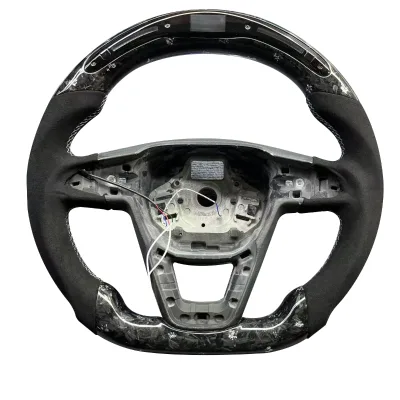
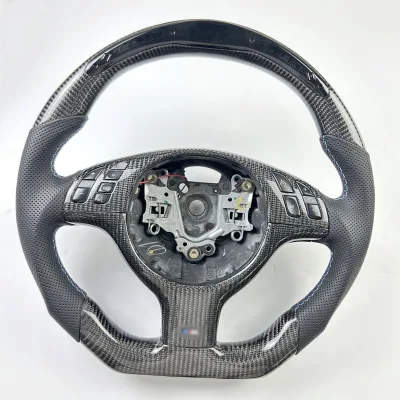
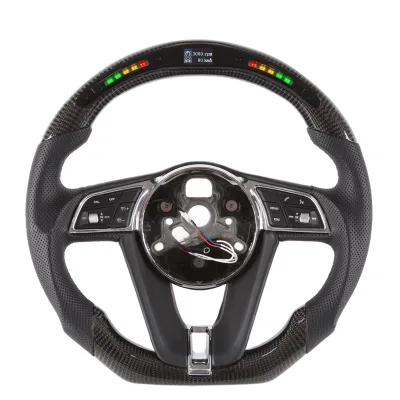
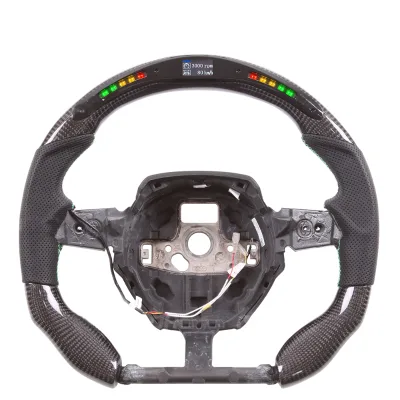
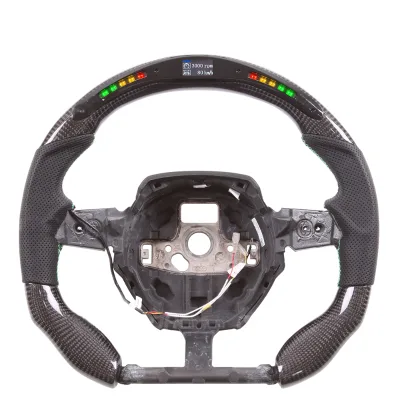
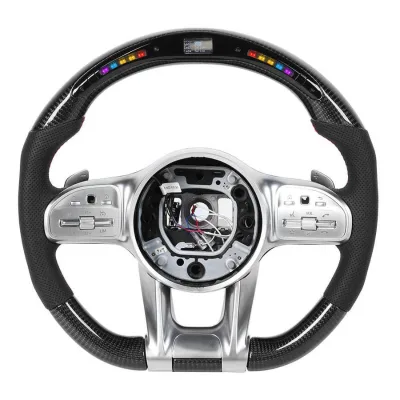
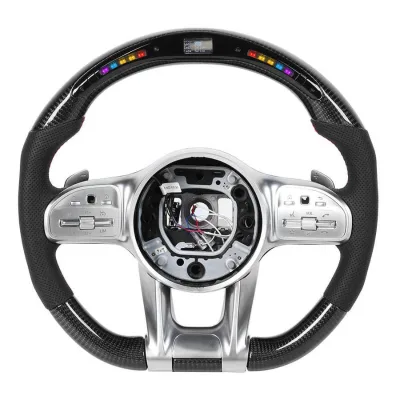
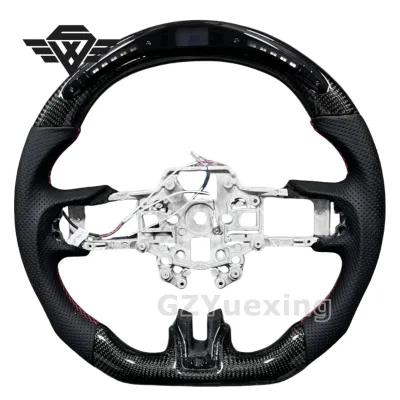
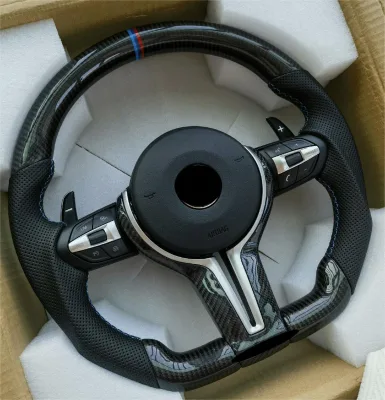

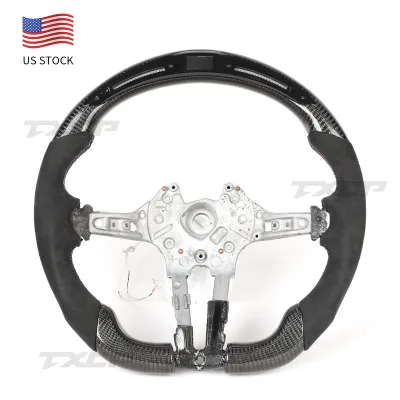
Custom Carbon Fiber Steering Wheel Suitable for Various Vehicle Models
$210.00 - $220.00
MOQ: 1 Pieces

$2000.00 - $2500.00
MOQ: 1 Pieces
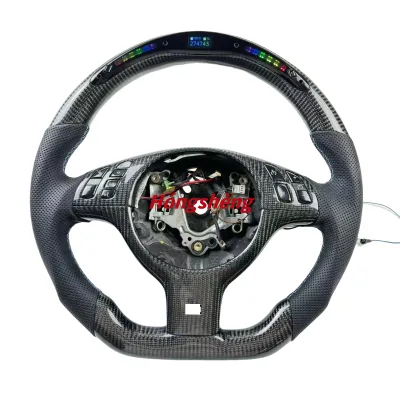

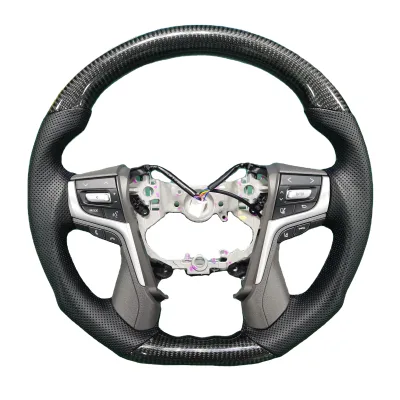
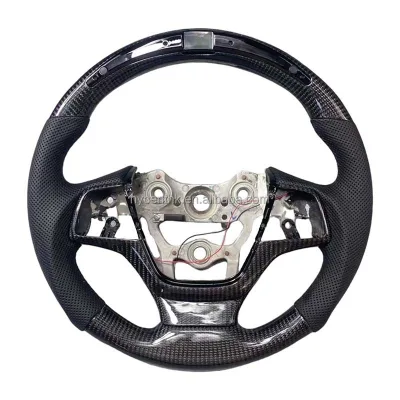
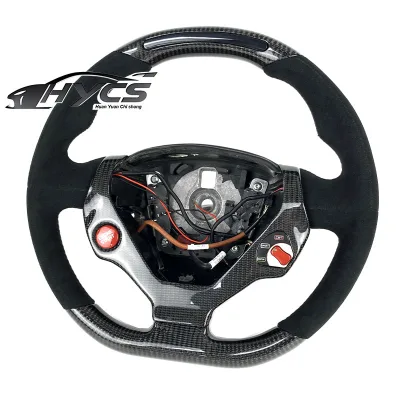
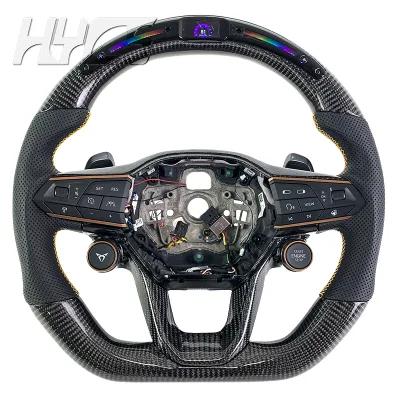

$8.30 - $10.00
MOQ: 1 Pieces

$8.30 - $10.00
MOQ: 1 Pieces
Comprehensive Sourcing Guide
LED Carbon Fiber Steering Wheel Sourcing Guide
The market for LED carbon fiber steering wheels presents a specialized segment where aesthetic customization meets functional integration. Buyers observe a product range defined by high-carbon content and specific surface treatments, often featuring texture finishes that enhance grip and visual appeal. The core material composition is consistently reported as 100% carbon fiber, ensuring the lightweight properties essential for performance driving while maintaining structural integrity.
Procurement decisions must account for the variability in customization options, as many listings offer tailored dimensions and colors to match specific vehicle interiors. While some suppliers provide universal fitment brackets, others focus on specific car models, requiring careful verification of bracket depth and thickness against the target vehicle's steering column. This flexibility allows for bespoke solutions but demands precise communication of requirements to avoid compatibility issues during installation.
Product Scope and Observed Listing Signals
Buyers should note that observed listings frequently highlight a working temperature of 200 degrees, indicating the material's resistance to heat generated by internal electronics or external environmental factors. The product scope extends beyond standard steering wheels to include integrated LED lighting systems, though specific electrical configurations vary significantly between suppliers. The presence of carbon fiber black as a primary color option suggests a dominant aesthetic preference, yet customized colors remain a viable alternative for branding or personalization.
Commercial signals in the market reveal a wide disparity in minimum order quantities, ranging from single units to fifty-piece batches. This variance allows small retailers to test the market with low-risk orders while larger distributors can secure volume pricing. The single package size often fluctuates between compact dimensions suitable for individual shipping and larger boxes designed for bulk transport, directly impacting logistics costs and storage requirements for the buyer.
Technical Specifications to Verify
Verification of the steering wheel diameter is critical, as observed specifications often cite 320mm as a standard size, though customization is frequently available. Buyers must confirm the bracket depth and thickness, typically listed around 50mm and 5mm respectively, to ensure proper mounting on the vehicle's steering column. The product model numbers, such as SY-GZFXP0381B, serve as unique identifiers that help distinguish between different manufacturing batches and design iterations.
Chemical composition data provided in listings includes specific limits for sulfur, nitrogen, and volatile content, which are essential for assessing material purity and durability. The ash content is often reported at a maximum of 0.01%, indicating a high level of refinement in the carbon fiber production process. Buyers should request detailed material safety data sheets to confirm that these chemical profiles align with safety standards for automotive interiors, particularly regarding off-gassing and fire resistance.
Compliance and Safety Documentation
Safety compliance is a primary concern when sourcing automotive components, and buyers should verify that products carry recognized certifications such as CE. While the listings mention CE certification, it is imperative to confirm that this applies specifically to the LED integration and electrical safety of the steering wheel, not just the carbon fiber material itself. Documentation should explicitly state compliance with relevant automotive safety standards to ensure the product does not pose a risk during operation.
Quality assurance documentation must also address the condition of the product, which is consistently listed as new, and the expected lifespan of the manufacturing mold. The mold life is often estimated between one and two years, which can influence the consistency of product quality over time. Buyers should request proof of quality control processes to ensure that the high-quality claims are backed by rigorous testing protocols before mass production begins.
Cost Drivers and Commercial Terms
Pricing in this sector is influenced heavily by the level of customization, with observed ranges spanning from affordable single-unit prices to premium costs for bespoke designs. The payment methods accepted by suppliers, including L/C, T/T, and Western Union, offer flexibility but also introduce varying levels of financial risk. Buyers must evaluate the trade-off between lower prices and the security of payment terms, especially when dealing with international suppliers from regions like Guangdong or Zhejiang.
Lead times are a significant cost driver, with delivery windows typically ranging from seven to fifteen days for standard orders. However, expedited delivery options may be available for an additional fee, which can be crucial for time-sensitive projects. The single gross weight of the product, often around 1.35 to 1.4 kilograms, also affects shipping costs, making it essential to calculate total landed costs including freight and duties before finalizing procurement agreements.
Supplier Qualification and Quality Control
Supplier qualification requires a thorough review of their production capabilities, particularly regarding the customization of size and shape. The ability to produce customized sizes and colors indicates a flexible manufacturing process, but buyers must ensure that the supplier has the technical expertise to maintain consistency across different batches. The brand name Fenway appears in some listings, suggesting a specific manufacturer, though buyers should verify the authenticity and reputation of the brand before committing to large orders.
Quality control measures should include checks on the surface treatment, such as texture finishes, to ensure they meet the desired tactile and visual standards. The high-quality claim associated with these products should be validated through sample testing, focusing on the durability of the carbon fiber weave and the reliability of the LED components. Establishing a clear quality agreement with the supplier is essential to mitigate the risk of receiving substandard goods that could compromise vehicle safety.
Long-Term Procurement Checks
Sustaining a successful procurement relationship involves regular audits of the supplier's production capacity and adherence to agreed-upon specifications. Buyers should monitor the consistency of the carbon fiber content and the stability of the chemical composition over time to prevent degradation in product quality. The application of the product in cars requires ongoing verification that the steering wheel remains compatible with evolving vehicle models and safety regulations.
Long-term checks also include assessing the supplier's ability to support fast delivery and manage inventory fluctuations. The support for fast delivery is a valuable asset, but it must be balanced against the risk of rushing production, which could lead to quality issues. Establishing a feedback loop with the supplier to address any defects or performance issues promptly will help maintain the high standards required for automotive components in a competitive market.
FAQs
What is the material composition of the carbon fiber steering wheel?
The steering wheel is made from 100% carbon fiber material. It features a black color finish and is designed for high quality automotive applications. The product is new condition and suitable for universal car fitment, ensuring durability and a premium aesthetic for vehicle interiors.
Can the steering wheel size and shape be customized?
Yes, customization is available for both size and shape. The standard diameter is 320mm, but dimensions can be adjusted to specific requirements. Buyers can request customized colors and sizes to match their vehicle's interior design, ensuring a perfect fit and personalized look for the steering wheel.
What is the minimum order quantity for this product?
The minimum order quantity varies by supplier, ranging from 1 piece to 50 pieces. Some listings specify an MOQ of 10 pieces, while others support single item purchases. This flexibility allows buyers to order small quantities for testing or larger batches for bulk installation needs.
How long does delivery take for the steering wheel?
Delivery time is typically 7 to 15 days after order confirmation. Fast delivery support is available for many suppliers. This lead time applies to standard production runs, allowing buyers to plan their inventory and installation schedules effectively while ensuring timely receipt of the customized carbon fiber steering wheels.
What certifications and payment methods are accepted for this item?
The product holds CE certification, ensuring compliance with relevant standards. Accepted payment methods include L/C, D/P, T/T, Western Union, and Money Gram. These options provide flexibility for international transactions, allowing buyers to choose the most secure and convenient payment method for their sourcing needs.
Where is the carbon fiber steering wheel manufactured?
The product originates from Guangdong and Zhejiang provinces in China. These regions are known for advanced manufacturing capabilities in automotive accessories. Buyers can expect consistent quality and efficient logistics from these locations, supporting reliable supply chains for global distribution and installation of the carbon fiber steering wheels.