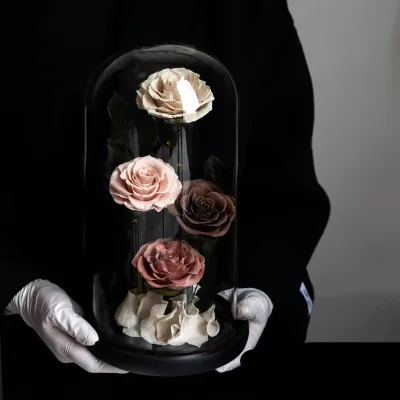
Source LED Glass Dome Forever Rose for Gifts, Decor, and Events
Find 30 LED Glass Dome Forever Rose options from China suppliers. Compare crystal glass domes, preserved Yunnan roses, and custom lighting for home decor, Christmas gifts, and special occasions.
Key considerations
Products List
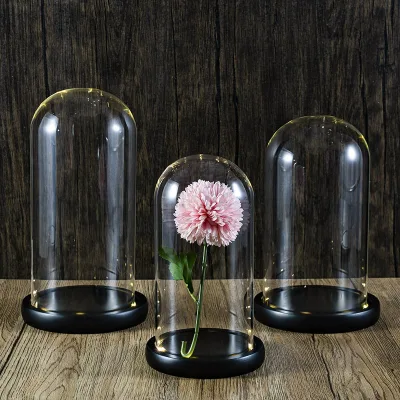


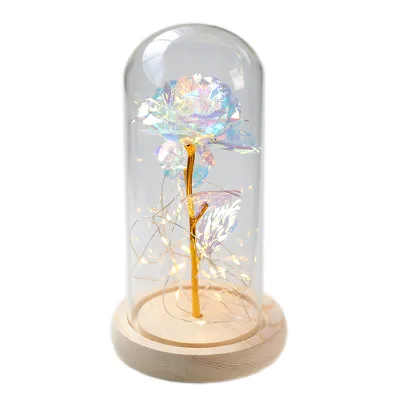


Hot Sale Eternal Glass Dome Rose Flower Preserved Wedding Gifts for Veterans Day
$40.11 - $46.20
MOQ: 10 Pieces


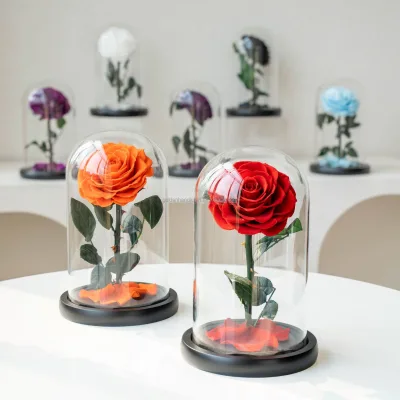
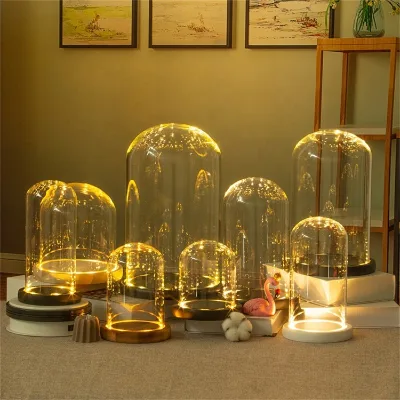
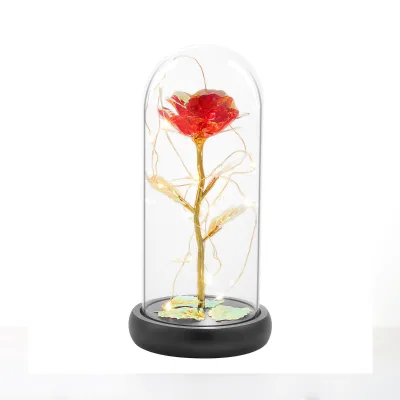
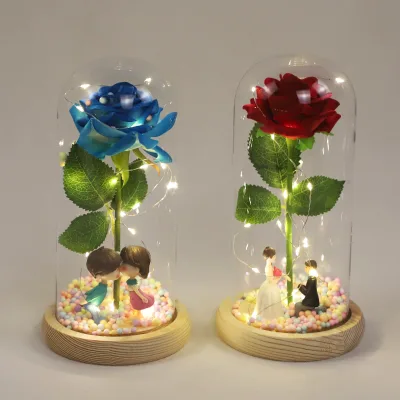
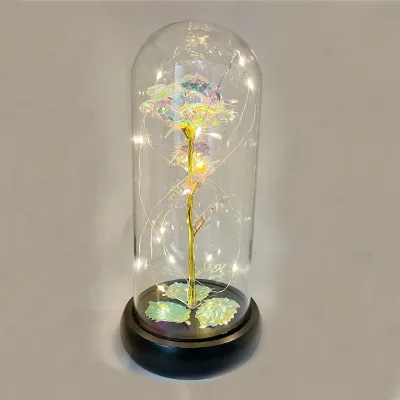
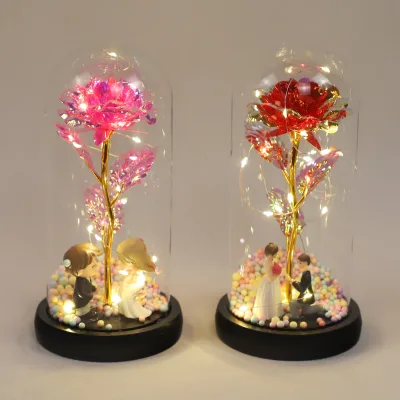
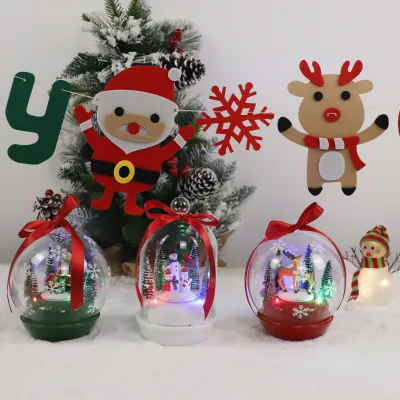
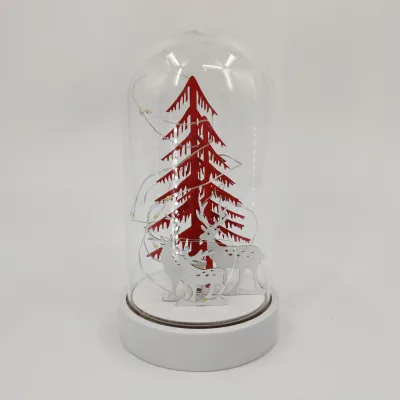

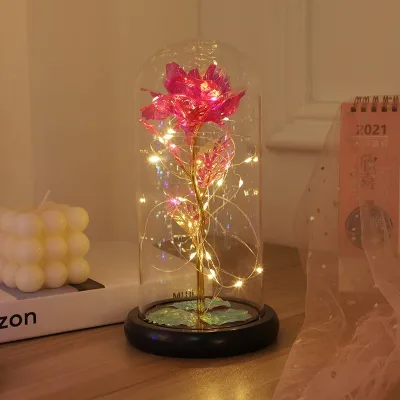
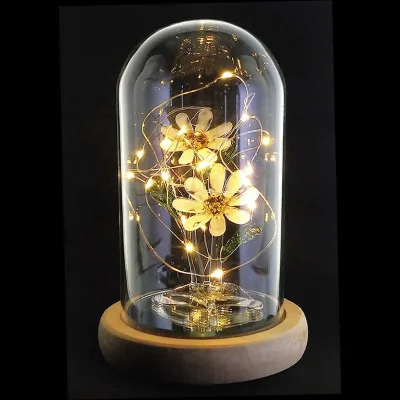


Rose Light, for Girl Friend, Birthday, Glass LED, Room Decor, Valentine's Day
$6.50 - $8.90
MOQ: 100 Pieces

Tiffany Art Stained Glass Leadlight Skylight Dome for Decoration
$200.99 - $1200.00
MOQ: 1 Square Meters


Comprehensive Sourcing Guide
LED Glass Dome Forever Rose Sourcing Guide
Sourcing preserved rose flowers encased in glass domes with integrated lighting requires a careful balance between aesthetic preservation and electrical safety. These products combine delicate botanical materials with functional LED components, creating a unique category where durability, visual appeal, and power reliability are equally critical. Buyers must navigate the distinction between standard decorative glass jars and specialized domes designed to protect organic matter from oxidation and physical damage. The presence of lighting elements introduces additional complexity regarding battery life, heat management, and waterproofing standards, which are not typically concerns for simple glassware procurement.
The market for these items is characterized by high customization potential, allowing buyers to tailor colors, sizes, and lighting effects to specific brand identities or gifting occasions. However, this customization often intersects with strict quality control requirements, particularly regarding the longevity of the preserved flowers and the clarity of the glass. Procurement teams need to establish clear acceptance criteria for both the mechanical integrity of the dome and the aesthetic consistency of the floral arrangement. Understanding these dual requirements is essential for building a supply chain that delivers consistent product quality and minimizes post-sale returns due to premature flower degradation or lighting failure.
Product Scope and Observed Listing Signals
The observed product landscape includes variations ranging from small, transparent crystal glass bottles to larger, custom-made glass domes with specific dimensional standards. Listings indicate a wide price range, reflecting differences in material quality, such as high borosilicate glass versus standard glass, and the complexity of the finishing techniques employed. Some products are explicitly marketed as jars for bells or covers, while others are positioned as complete gift sets featuring preserved roses. Buyers should note that "glass dome" can refer to both the protective enclosure and the entire assembled gift unit, requiring precise definition in purchase orders to avoid ambiguity in deliverables.
Color and customization options are significant differentiators in this category, with suppliers offering a spectrum of choices including transparent, blue, and red variants, alongside the possibility of custom colors. The inclusion of LED lighting, often battery-powered, adds a functional layer to the product, transforming it from a static display into an interactive decorative piece. Observations suggest that packing methods vary from simple form protection to premium gift box presentations, which directly impacts shipping costs and retail readiness. Procurement teams must verify whether the lighting components are integrated permanently or are removable, as this affects maintenance and potential replacement strategies for the end-user.
Technical Specifications to Verify
Dimensional accuracy and material composition are foundational technical requirements for these products. Buyers should verify the exact internal volume of the glass dome to ensure it accommodates the specified rose size, typically ranging from 3-4 cm, without causing compression or instability. The glass material itself, often cited as high borosilicate or high-transparency crystal glass, must meet specific clarity standards, often exceeding 99% transparency, to ensure the visual integrity of the preserved flower is not compromised. Additionally, the thickness and structural integrity of the glass base and dome must be assessed to prevent breakage during handling and shipping, especially for larger formats like those measuring 19x19x28 cm.
The electrical specifications of the integrated LED system require rigorous verification, particularly regarding power source reliability and heat dissipation. Since many listings indicate battery-powered operation, buyers must confirm the type of battery used, its expected lifespan, and whether it is replaceable. The LED components should be tested for uniform light distribution and color temperature consistency, ensuring that the illumination enhances rather than distorts the natural color of the preserved rose. Furthermore, the sealing mechanism of the dome must be evaluated to prevent moisture ingress, which could damage the electrical contacts or cause condensation inside the glass, obscuring the view of the flower.
Compliance and Safety Documentation
Electrical safety compliance is paramount for any product incorporating LED lighting, especially when intended for indoor home use. Buyers must request evidence of compliance with relevant regional electrical safety standards, such as CE or FCC certification, depending on the target market. This documentation should cover the battery compartment design, ensuring it is secure and resistant to accidental access by children, and the LED circuitry, which must not pose a risk of overheating or short-circuiting. Verification of these certifications is a non-negotiable step in the procurement process to mitigate liability and ensure consumer safety.
Material safety and environmental compliance are also critical considerations, particularly given the use of preserved organic materials. While the glass itself is generally inert, buyers should inquire about the preservation treatments used on the roses to ensure they do not emit harmful volatile organic compounds (VOCs) over time. Additionally, packaging materials should be evaluated for recyclability and compliance with local waste disposal regulations. Suppliers should provide clear instructions for end-of-life disposal, particularly regarding the separation of electronic components from glass and floral materials, to support sustainable procurement goals and regulatory adherence.
Cost Drivers and Commercial Terms
The cost structure for LED Glass Dome Forever Rose products is influenced by several key factors, including the quality of the glass, the complexity of the LED integration, and the level of customization required. High borosilicate glass and high-transparency crystal materials command higher prices due to their superior optical properties and durability. Similarly, custom colors, specific lighting effects, and unique packaging designs add to the manufacturing complexity and cost. Buyers should analyze the price-to-value ratio carefully, considering that lower-cost options may compromise on glass clarity, battery life, or the longevity of the preserved flower.
Minimum order quantities (MOQs) and payment terms vary significantly across suppliers, reflecting their production capabilities and business models. Some suppliers may offer low MOQs for standard items, while custom orders often require higher volumes to justify setup costs. Buyers should negotiate flexible terms that allow for initial trial orders to assess quality before committing to larger volumes. Additionally, shipping costs can be substantial due to the fragile nature of the glass components, so buyers should explore consolidated shipping options or negotiate freight terms to optimize total landed cost. Clear communication regarding packaging standards is essential to minimize damage-related losses during transit.
Supplier Qualification and Quality Control
Supplier qualification in this category requires a focus on manufacturing capability and quality assurance processes. Buyers should assess the supplier’s experience in handling both delicate glassware and electronic components, as this dual expertise is rare and critical for product success. Factory audits should verify the cleanliness of the assembly environment, as dust or contaminants can compromise the aesthetic quality of the transparent glass dome. Additionally, suppliers should have robust procedures for inspecting the preserved roses for color consistency, structural integrity, and freedom from mold or decay before enclosure.
Quality control protocols must include rigorous testing of the LED components, including burn-in tests to identify early failures and battery life simulations. Buyers should request detailed quality control plans that outline inspection points for incoming materials, in-process assembly, and final product testing. Sampling strategies should be implemented to verify consistency across production batches, particularly for custom colors and lighting effects. Establishing clear acceptance criteria and rejection protocols with the supplier is essential to maintain product quality and customer satisfaction, ensuring that only defect-free units reach the end consumer.
Long-Term Procurement Checks
Long-term procurement success depends on continuous monitoring of product performance and supplier reliability. Buyers should track post-sale feedback regarding battery longevity, glass clarity retention, and flower preservation quality to identify potential issues early. Regular supplier reviews should assess their ability to maintain consistent quality, meet delivery schedules, and adapt to changing market trends or regulatory requirements. Building a strong partnership with suppliers who demonstrate transparency and responsiveness is crucial for sustaining a competitive advantage in this niche market.
Sustainability and ethical sourcing practices should also be integrated into long-term procurement strategies. Buyers should encourage suppliers to adopt eco-friendly packaging materials and explore sustainable sourcing for the preserved roses and glass components. Regular audits of the supplier’s social and environmental practices can help mitigate reputational risks and align with corporate social responsibility goals. By prioritizing these long-term considerations, buyers can build a resilient supply chain that delivers high-quality products while contributing to positive environmental and social outcomes.
FAQs
What materials are used for the glass dome and rose?
The product uses high borosilicate crystal glass and fresh cut rose flowers from Yunnan. The glass offers high transparency over 99 percent with no bulb defects. The roses are preserved to last three to five years or longer inside the dome.
Can I customize the color and size of the glass dome?
Yes, customization is available for colors including blue and red with twenty-four options. The standard size is small, but custom-make standards like 10 by 10 by 16.5 centimeters are supported. Buyers can request specific dimensions or colors to match their needs.
How is the glass dome manufactured and finished?
The glass is produced using a blown technique with high transparency. Finishing options include machine printing, carving, sandblasting, or stickers. The assembly involves manual techniques to ensure the preserved rose is securely placed within the dome structure.
What is the packaging and weight of the product?
Each unit weighs approximately 330 to 350 grams and comes in a gift box. The packing method uses form protection to ensure safety during transit. Some models are packed as one piece per box with specific dimensions like 14 by 14 by 20 centimeters.
Where are these glass dome roses sourced from?
The products originate from China, specifically Yunnan for the rose flowers. The glass manufacturing process utilizes high borosilicate materials sourced locally. Buyers can expect the final assembled product to be shipped from these established production regions.
What are the standard dimensions for the glass dome?
Standard specifications include sizes like 19 by 19 by 28 centimeters or 17 by 12 centimeters. The rose size inside is typically 3 to 4 centimeters. Custom dimensions are also available to meet specific buyer requirements for the dome structure.
How long do the preserved roses last inside the dome?
The preserved roses have a storage time of three to five years or over. They are kept fresh cut from Yunnan and treated for longevity. This ensures the decorative item remains vibrant for home or indoor use without wilting.