Source LED Guitar Picks for Acoustic, Electric, and Bass
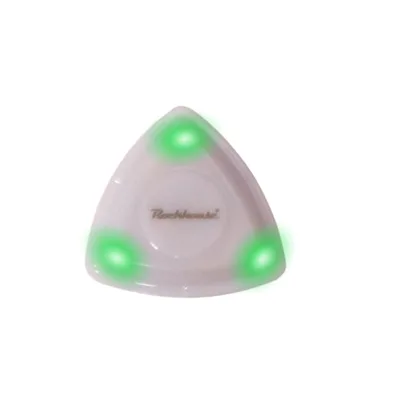
Find 30 LED Guitar Pick options for acoustic, electric, and bass instruments. Compare materials like plastic and ABS, thicknesses, and OEM services to source the right glowing picks for your needs.
Key considerations
Products List




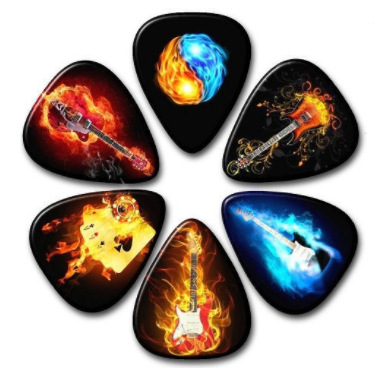

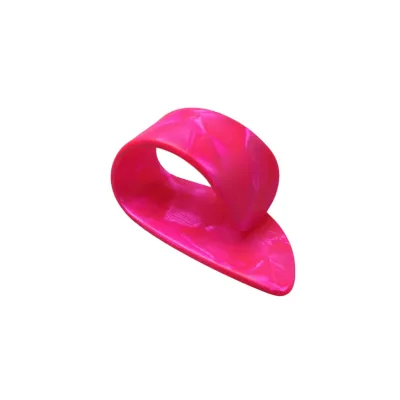

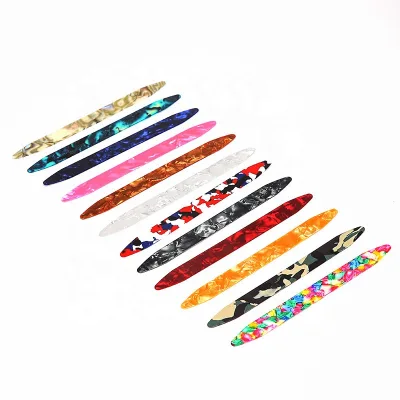


Comprehensive Sourcing Guide
LED Guitar Pick Sourcing Guide
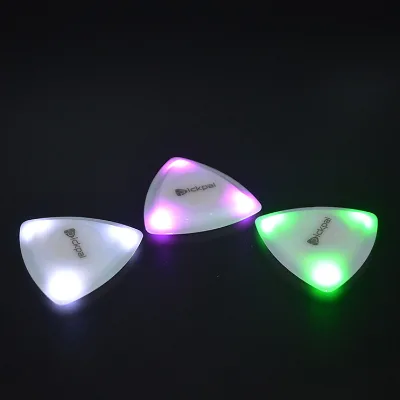
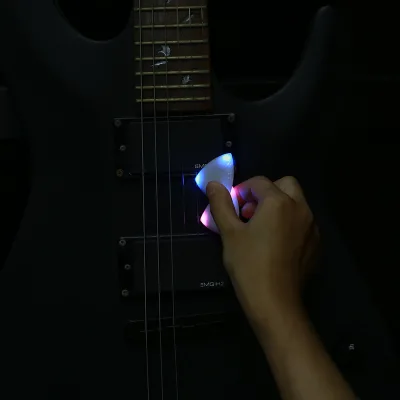
Sourcing LED guitar picks requires a careful balance between aesthetic appeal and functional reliability, as these items sit at the intersection of musical accessories and consumer electronics. Buyers must recognize that while the core form factor remains a standard guitar pick, the integration of light-emitting components introduces specific technical and regulatory complexities. The primary value proposition for these products lies in their visibility during low-light performances, such as concerts or stage shows, where traditional picks might be difficult to see or track. However, this visual benefit is contingent upon the consistent performance of the internal lighting mechanism, which must withstand the physical stresses of playing, including impacts, friction, and potential exposure to sweat or moisture.
Procurement teams should approach this category with a clear understanding that "LED" is not a monolithic specification but a variable feature set. The observed market data indicates a wide range of product types, from simple illuminated picks to more complex sets with varying thicknesses and materials. Buyers need to distinguish between picks that use permanent, non-replaceable batteries and those designed for user serviceability, as this distinction significantly impacts long-term cost, waste management, and customer satisfaction. Furthermore, the material composition of the pick body, whether it be celluloid, plastic, or ABS, plays a critical role in how the light is diffused and how durable the product is under repeated use.
Product Scope and Observed Listing Signals
The current market landscape for LED guitar picks reveals a diverse array of product configurations, primarily centered around the Guangdong manufacturing hub in China. Listings indicate a strong presence of OEM and ODM capabilities, suggesting that many suppliers are equipped to customize designs, packaging, and branding for wholesale buyers. The observed product range includes standard single-item picks as well as sets, with model numbers such as GP-08-LED and A-PICK59 appearing in the data. These identifiers often correlate with specific design features, such as size dimensions (e.g., 3.5cm x 3.5cm or 4cm x 3.5cm) and thickness variations, which are crucial for musicians who have specific tactile preferences.
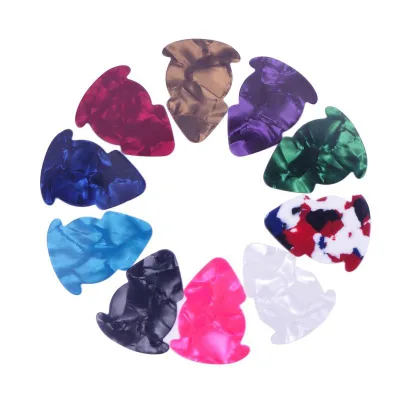
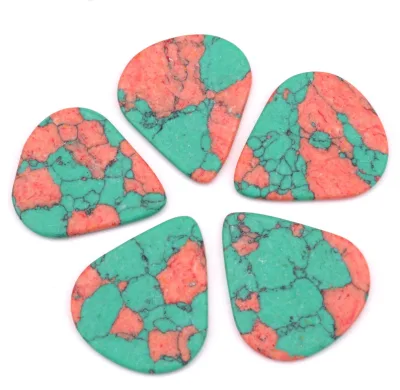
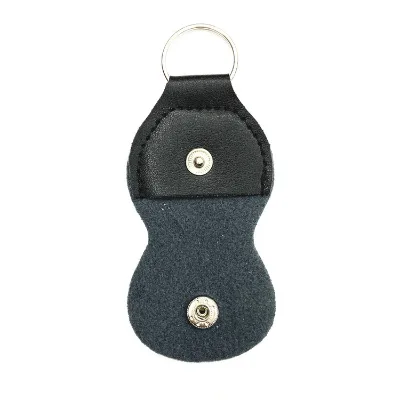
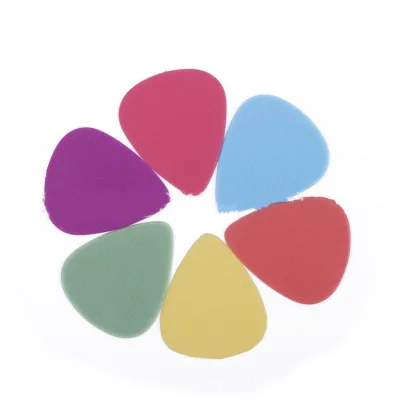
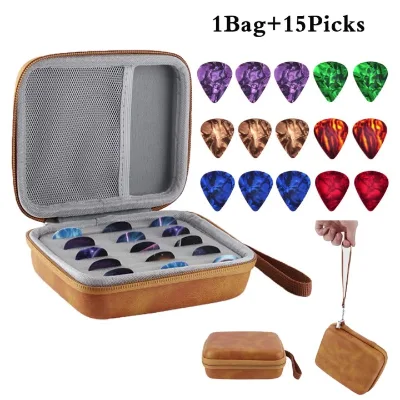
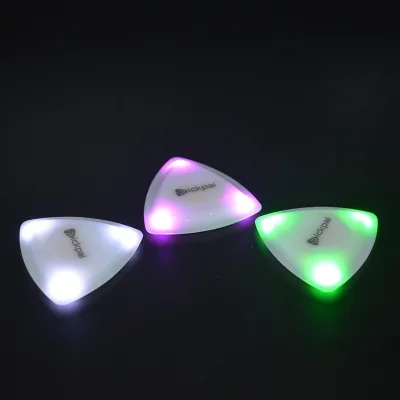
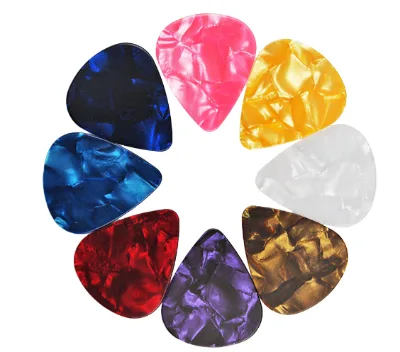
Color and material options are significant differentiators in this segment. While many listings highlight "multi-colors" or specific hues like pink, green, and red, the underlying material varies from standard plastic to ABS and celluloid. The use of ABS, for instance, may offer greater durability and a smoother surface for light diffusion compared to more brittle materials. Additionally, the packaging formats observed, such as OPP bags with counts of 100 pieces per bag, suggest that these products are often targeted at bulk buyers, music retailers, or promotional campaigns. Buyers should note that some listings specify "leather pick clip pick bag" accessories, indicating that complete kits or bundled solutions are available, which can add value for end-users seeking convenience.
Technical Specifications to Verify
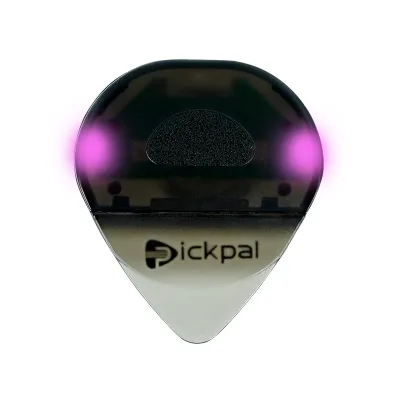
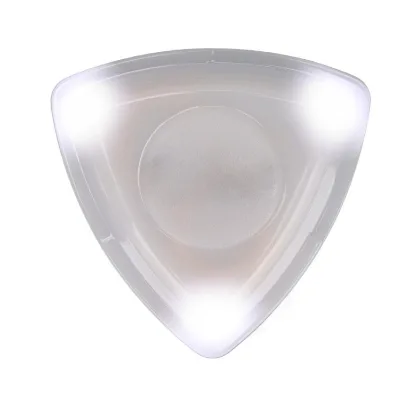
When evaluating LED guitar picks, the most critical technical aspect to verify is the battery system and its integration into the pick body. The supplied facts explicitly mention "Button Battery (Diameter≥20 mm)" as a key attribute, which implies that the power source is a standard coin cell battery. Buyers must confirm whether these batteries are pre-installed, replaceable by the end-user, or sealed within the unit. If the battery is replaceable, the design must include a secure but accessible compartment that does not compromise the structural integrity of the pick during play. Conversely, if the battery is sealed, the product’s lifespan is limited to the battery’s charge cycle, which raises questions about long-term usability and environmental impact.
Another vital technical specification is the light emission quality and power consumption. Buyers should request data on the luminosity of the LEDs and the expected battery life under continuous use. Since the pick is subjected to physical stress, the internal circuitry must be robust enough to withstand vibrations and impacts without disconnecting or failing. The thickness of the pick, observed in listings as 0.06cm or 0.57mm, directly influences the space available for the battery and LED components. Thinner picks may offer a more traditional feel but might limit the size of the battery or the brightness of the light. Therefore, verifying the balance between ergonomic thickness and functional lighting capability is essential for product success.
Compliance and Safety Documentation
The inclusion of batteries in consumer goods triggers specific regulatory requirements that vary by destination market. For products containing button batteries, compliance with safety standards regarding battery containment and leakage prevention is paramount. Buyers must ensure that suppliers provide documentation confirming that the battery compartment is secure and meets relevant safety guidelines, such as those preventing accidental ingestion by children or short-circuiting. In the European Union, this often involves adherence to the Battery Directive and RoHS (Restriction of Hazardous Substances) regulations, which limit the use of certain hazardous materials in electrical and electronic equipment.
Furthermore, the electronic components within the LED pick must comply with electromagnetic compatibility (EMC) standards to ensure they do not interfere with other musical equipment or receive interference from external sources. Buyers should verify that the supplier has conducted appropriate testing for EMC and radio frequency (RF) emissions, particularly if the product is marketed for use in professional stage environments where sensitive audio equipment is present. Additionally, general product safety standards for musical accessories, such as those regarding flammability and chemical composition of the plastic or celluloid materials, must be reviewed to ensure the product is safe for consumer use.
Cost Drivers and Commercial Terms
The cost structure of LED guitar picks is influenced by several factors, including the type of battery, the complexity of the electronic assembly, and the material used for the pick body. The observed price range of $0.03 to $3.08 USD reflects significant variation, likely driven by the quality of the LED, the durability of the material, and the packaging format. Higher-priced items may feature more durable ABS construction, brighter LEDs, or more sophisticated packaging solutions. Buyers should analyze the unit cost in the context of the minimum order quantity (MOQ), which ranges from 2 to 2000 pieces, to determine the most cost-effective purchasing strategy for their volume needs.
Commercial terms also play a crucial role in the total cost of ownership. Suppliers offering OEM/ODM services may charge additional fees for custom molds, branding, or specialized packaging, which can impact the initial investment. Buyers should clarify whether the quoted prices include shipping, taxes, and duties, as these can significantly affect the final landed cost. Additionally, the packaging details, such as the "100 Pcs/Bag" format, should be considered in relation to retail or distribution requirements. Efficient packaging can reduce shipping costs and minimize damage during transit, while overly complex packaging may increase costs without adding proportional value to the end-user.
Supplier Qualification and Quality Control
Given the electronic nature of LED guitar picks, supplier qualification must extend beyond traditional manufacturing capabilities to include electronic assembly expertise. Buyers should verify that the supplier has a proven track record in producing small electronic devices and can provide evidence of quality control processes specific to battery-powered products. This includes testing for light consistency, battery life, and structural integrity under stress. Suppliers with OEM/ODM experience are often better equipped to handle custom requirements and maintain consistent quality across large production runs, but buyers should still conduct thorough audits or request samples to assess their capabilities firsthand.
Quality control measures should also address the risk of battery leakage or failure, which can render the product unusable and damage the pick body. Buyers should inquire about the supplier’s defect rate and their process for handling returns or replacements. Additionally, since the product is used in a physical, high-friction environment, testing for wear resistance and impact durability is essential. Suppliers who offer comprehensive testing reports or certifications for their products provide greater assurance of quality. Buyers should also consider the supplier’s ability to provide ongoing support, including technical assistance and inventory management, to ensure a smooth procurement process.
Long-Term Procurement Checks
Sourcing LED guitar picks is not a one-time transaction but an ongoing relationship that requires regular review of product performance and market trends. Buyers should monitor customer feedback regarding battery life, light durability, and overall satisfaction to identify potential issues early. If a significant number of returns or complaints arise related to battery failure or LED malfunction, it may indicate a need to switch suppliers or renegotiate quality standards. Additionally, staying informed about advancements in battery technology and LED efficiency can help buyers identify opportunities to improve product performance or reduce costs over time.
Regulatory changes and market demands may also necessitate periodic reassessment of product specifications. For example, new environmental regulations regarding battery disposal or electronic waste could impact the design and sourcing of these products. Buyers should maintain open communication with their suppliers to stay ahead of such changes and ensure continued compliance. Furthermore, evaluating the supplier’s flexibility in adapting to new trends, such as customizable colors or integrated accessories, can help maintain a competitive edge in the market. By treating procurement as a dynamic process, buyers can ensure that their LED Guitar Pick offerings remain relevant, compliant, and profitable in the long term.
FAQs
What materials are used for LED guitar picks?
LED guitar picks are commonly made from plastic or celluloid materials. Some listings specify ABS plastic for durability while others use celluloid for a traditional feel. The material choice affects the weight and flexibility of the pick during play.
Can I find LED guitar picks with custom branding?
Yes, many suppliers accept custom branding requests for LED guitar picks. The product data indicates that OEM and ODM services are available for customization. Buyers can often request specific designs or logos on the glowing picks.
What is the minimum order quantity for LED guitar picks?
The minimum order quantity varies significantly depending on the specific supplier and product model. Some listings show an MOQ of just 2 pieces while others require 100 pieces or up to 2000 units. Buyers should check individual product pages for exact thresholds.
How are LED guitar picks packaged for shipment?
LED guitar picks are typically packaged in OPP bags with bulk quantities like 100 pieces per bag. Some listings specify single package sizes around 4x4x3 cm or 5x5x1 cm. The packaging is designed to protect the electronic components during transit.
Which battery type powers the LED guitar picks?
The LED guitar picks use button batteries with a diameter of at least 20 mm. This specific battery property is required to power the glowing feature within the compact pick design. Buyers should verify battery replacement procedures before purchasing.
Where are LED guitar picks manufactured?
LED guitar picks are primarily manufactured in Guangdong, China. Multiple product listings confirm this location as the place of origin for these accessories. This region is known for producing various guitar accessories including picks and clips.
What colors are available for LED guitar picks?
LED guitar picks come in various colors including multi-colors, pink, orange, green, and red options. Some models offer colorful designs while others have specific color codes like 0.46MM for thickness. The color availability depends on the specific model number selected.