Source LED Tri-proof Light for Parking Lots, Warehouses, and Garages
Find and compare 30 LED Tri-proof Light options designed for parking lots, warehouses, and garages. These fixtures offer IP65 protection, IK10 impact resistance, and waterproof features. Evaluate models with varying wattages, lengths, and power factors to find the right solution for your industrial lighting needs.
Key considerations
Products List


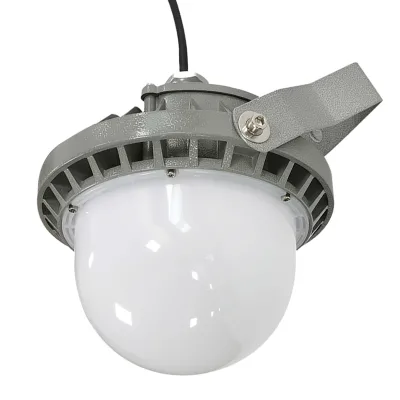


Comprehensive Sourcing Guide
LED Tri-Proof Light Sourcing Guide
LED tri-proof lights are specialized luminaires designed for harsh, wet, and dusty environments, offering a robust solution for industrial and commercial lighting needs. These fixtures typically combine a waterproof, dust-proof, and anti-corrosion design into a single unit, making them ideal for applications such as parking lots, wash-down areas, and food processing facilities. The core construction often utilizes durable materials like polycarbonate (PC) or plastic for the light body, ensuring resistance to impact and environmental degradation. Buyers must recognize that while the term "tri-proof" is widely used, the specific performance levels can vary significantly between manufacturers, requiring careful verification of technical data sheets before procurement.
The market for these lights is diverse, with suppliers offering a wide range of models, power ratings, and form factors to suit different spatial and operational requirements. Common configurations include T5, ES, FI, and MS series, available in standard lengths such as 0.6m, 1.2m, and 1.5m, as well as metric equivalents like 60cm, 120cm, and 150cm. Power consumption generally ranges from 36W to 40W for standard units, though higher wattage options exist for larger spaces. The color temperature spectrum is broad, typically spanning from warm 2700K to cool 6500K, allowing for customization based on the desired ambiance and visibility requirements of the installation site.
Product Scope and Observed Listing Signals
The observed product listings indicate a significant variation in pricing, ranging from approximately $3 to $500,000 USD, which reflects the disparity between basic residential-grade units and large-scale industrial systems or bulk procurement contracts. Minimum Order Quantities (MOQ) also vary widely, from as low as 1 piece for sampling or small projects to 1000 pieces for large-scale distribution. A common MOQ observed in specific listings is 500 pieces, suggesting that many suppliers target mid-to-large volume buyers. Buyers should interpret these ranges as indicative of the broader market rather than fixed rules for every supplier, as pricing and volume requirements are heavily influenced by customization needs, packaging choices, and order frequency.
Packaging methods are another critical signal of product quality and logistics planning. Listings show diverse packaging solutions, including corrugated cartons, EPE foam combined with cartons, inner boxes with outer cartons, and specialized packaging like "in the box/cotton" for delicate components. Standard carton dimensions such as 126118cm, 11939490mm, and 953028cm (holding 20 pieces) provide insight into the physical footprint and shipping efficiency. Understanding these packaging details is essential for calculating landed costs, including freight and handling, as improper packaging can lead to damage during transit, especially given the IK10 impact resistance rating often associated with these fixtures.
Technical Specifications to Verify
When evaluating LED tri-proof lights, the Ingress Protection (IP) rating is a primary technical specification to verify. Many listings cite IP65, which indicates complete protection against dust and low-pressure water jets from any direction. However, buyers must confirm if this rating applies to the entire assembly or just the main body, as connectors and drivers may have lower ratings. Additionally, the Impact Resistance (IK) rating is crucial for environments with potential physical abuse. Observed data includes IK10 and IK08 ratings, with IK10 offering the highest level of protection against 20 joules of impact. Verifying the specific IK rating ensures the fixture can withstand the mechanical stresses of its intended application, such as forklift traffic in parking lots or accidental impacts in industrial settings.
Electrical performance metrics, including Power Factor (PF) and Color Rendering Index (CRI), significantly influence energy efficiency and light quality. High-quality tri-proof lights often feature a PF greater than 0.9 or even 0.95, which reduces reactive power and improves grid efficiency. The CRI is typically rated above Ra80, ensuring that colors appear natural and distinct, which is vital for safety and operational clarity in workspaces. Buyers should also verify the available lengths and models, such as FA, MS, T5, ES, FI, and specific model numbers like DY-PH3225P/1.5M or PL-IP65-1200-36w-003C, to ensure compatibility with existing mounting systems and spatial constraints.
Compliance and Safety Documentation
Compliance with international and regional safety standards is non-negotiable for LED lighting products. Listings reference a variety of certifications, including GS, SAA, CCC, UL, EMC, ROHS, CE, and CUL. These certifications indicate adherence to specific electrical safety, electromagnetic compatibility, and environmental regulations in different markets. For instance, CE marking is essential for sales within the European Union, while UL and CUL are critical for the North American market. Buyers must ensure that the supplier can provide valid, up-to-date certificates for the specific models being purchased, as certification status can vary between product lines and manufacturing batches.
Beyond electrical safety, environmental and material compliance is increasingly important. ROHS certification ensures that the product is free from hazardous substances such as lead, mercury, and cadmium. Additionally, the material composition, often cited as PC (polycarbonate) or plastic, should be verified for flame retardancy and UV stability, especially for outdoor applications like parking lots. Buyers should request material safety data sheets (MSDS) and confirm that the anti-corrosion features are backed by relevant testing reports. This documentation not only ensures regulatory compliance but also provides legal protection and peace of mind regarding the long-term safety and environmental impact of the installed lighting.
Cost Drivers and Commercial Terms
Several factors drive the cost of LED tri-proof lights, with customization being a primary variable. The availability of customization options allows buyers to tailor specifications such as length, power, and color temperature, but these modifications often incur additional setup fees or higher unit prices. Standard models in common lengths like 0.6m, 1.2m, and 1.5m are typically more cost-effective due to economies of scale. The origin of the product, often cited as China or specific regions like Cixi, Zhejiang, also influences pricing due to differences in labor costs, supply chain efficiency, and local material availability. Buyers should compare quotes based on standardized specifications to isolate the true cost of customization.
Warranty terms and after-sales support are critical components of the commercial agreement. A standard warranty period of 5 years is observed in several listings, which is a strong indicator of manufacturer confidence in product durability. However, buyers must clarify the terms of this warranty, including what is covered (e.g., driver, LED chips, housing) and the process for claims. Packaging costs, which vary based on the chosen method (e.g., EPE foam vs. simple carton), also impact the total landed cost. Additionally, lead times and payment terms should be negotiated clearly, as these affect cash flow and project scheduling. Understanding the total cost of ownership, including potential maintenance and replacement costs, is essential for accurate budgeting.
Supplier Qualification and Quality Control
Supplier qualification begins with verifying the manufacturer's production capabilities and quality management systems. Buyers should inquire about the supplier's experience in manufacturing LED tri-proof lights and their ability to maintain consistent quality across batches. The presence of specific model numbers and detailed specifications in listings suggests a level of product standardization, but buyers must confirm that the supplier has robust quality control processes in place. This includes incoming material inspection, in-process quality checks, and final product testing before shipment. Suppliers who provide detailed packing specifications and standard dimensions demonstrate a commitment to logistical efficiency and product consistency.
Quality control should also extend to the verification of performance claims. Buyers should request sample units for independent testing to verify IP ratings, IK impact resistance, and electrical performance metrics like PF and CRI. It is advisable to establish a clear acceptance criteria document that outlines the minimum acceptable performance levels for all key specifications. Additionally, buyers should assess the supplier's responsiveness to technical queries and their ability to provide timely support during the installation and commissioning phases. A reliable supplier will offer comprehensive technical documentation and be willing to collaborate on resolving any quality issues that arise during the procurement process.
Long-Term Procurement Checks
Long-term procurement success depends on establishing a framework for continuous performance monitoring and supplier evaluation. Buyers should implement a system for tracking the performance of installed LED tri-proof lights, including metrics such as lumen maintenance, failure rates, and maintenance costs. This data can be used to assess the long-term reliability of the products and the supplier's ability to deliver consistent quality over time. Regular audits of the supplier's quality control processes and compliance documentation are also recommended to ensure ongoing adherence to agreed-upon standards and regulations.
Furthermore, buyers should maintain open communication channels with their suppliers to address any emerging issues or changes in product specifications. This includes staying informed about updates to relevant standards and certifications, as well as any new technologies or improvements in LED tri-proof light design. By fostering a collaborative relationship with the supplier, buyers can benefit from early access to new products and potential cost-saving opportunities. Regular review of commercial terms, including pricing and payment conditions, ensures that the procurement strategy remains aligned with the organization's financial and operational goals.
FAQs
What is the IP rating for these LED tri-proof lights?
The IP rating is 65, ensuring protection against dust and water jets. This makes them suitable for wet environments like parking lots. The IK10 rating also provides high impact resistance. These features ensure durability and safety in demanding industrial or outdoor settings.
Which standard lengths are available for these lights?
Standard lengths include 0.6m, 0.9m, 1.2m, and 1.5m. Some models are also available in 60cm, 120cm, and 150cm configurations. These dimensions allow for flexible installation in various ceiling heights and fixture layouts. Customization options are available to meet specific project requirements.
Can I customize the packaging for bulk orders?
Yes, customization is available for packaging needs. Options include corrugated cartons, EPE foam with cartons, or inner boxes with outer cartons. Specific carton dimensions like 95x30x28cm or 125x30x28cm are used for different wattages. This ensures safe transport and efficient storage for large-scale procurement.
What is the minimum order quantity for these lights?
The MOQ is typically 500 pieces, though it can range from 1 to 1000 depending on the supplier. This threshold supports bulk purchasing for commercial projects. Buyers should confirm the exact MOQ with the manufacturer before placing orders to ensure alignment with production capabilities.
What certifications do these LED tri-proof lights have?
Certifications include GS, SAA, CCC, UL, EMC, ROHS, and CE. These standards ensure compliance with international safety and quality regulations. Buyers can verify specific certifications based on their target market requirements. The lights are manufactured in China, adhering to these rigorous testing protocols.
What is the warranty period for these products?
The warranty period is 5 years, providing long-term reliability assurance. This coverage protects against manufacturing defects and performance issues. Buyers benefit from reduced maintenance costs and increased confidence in the product's durability. Always check specific warranty terms with the supplier for complete details.