Source LED Taillight for Trucks, Trailers, and Cars
Compare 30 LED Taillight options from China, including 12V and 10-30V models with IP66/IP68 ratings. These units feature ABS housing and LED sources for truck, trailer, and automotive replacement needs; compare the available evidence and request quotations based on your requirements.
Key considerations
Products List
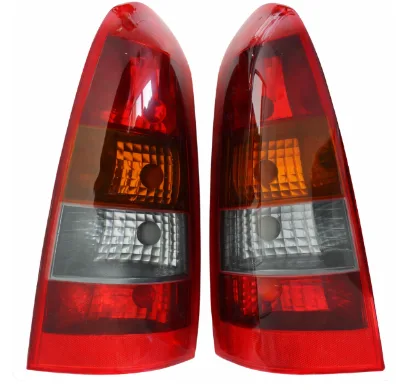


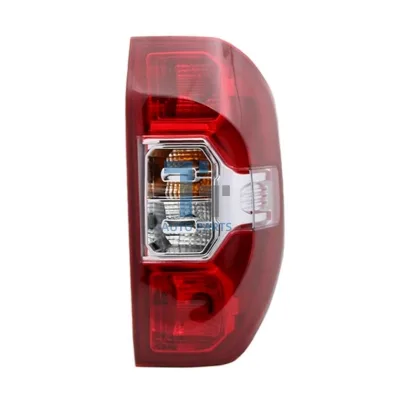


LED Tail Light, 2PCS Universal 10LED Taillight 10-30V for Taillight Truck
$6.50 - $75.00
MOQ: 10 Pieces


Factory Price 20 * 47mm Decoding LED High-Power Steering Brake Tail Lights
$4.40 - $4.95
MOQ: 300 Pieces




Comprehensive Sourcing Guide
LED Taillight Sourcing Guide
Procuring LED taillights requires a clear understanding of the diverse product landscape available from Chinese manufacturing hubs. The observed market features items originating from Zhejiang, Jiangsu, and Zhengjiang, indicating a concentrated supply chain in eastern China. Buyers must distinguish between general replacement parts and specialized units designed for specific vehicle fitments, as many listings specify "Other" for car compatibility. This ambiguity necessitates rigorous verification of the intended application before placing any order.
The product range spans from compact replacement bulbs to larger trailer lighting assemblies, each with distinct packaging and dimensional requirements. Listings indicate a wide variance in physical standards, with some units measuring as small as 20.3cm while others reach 138mm in diameter. Sourcing strategies must account for these physical differences, as the packaging varies from simple cartons to color boxes, directly impacting logistics planning and storage requirements for the buyer.
Product Scope and Observed Listing Signals
Buyers should first categorize the specific functional role of the LED unit, as the market offers distinct options for back position lamps, parking lights, and trailer applications. The data reveals products explicitly labeled for truck and trailer use, alongside general automotive replacement parts. Understanding whether the component serves as a primary safety light or a secondary indicator is critical for selecting the correct model number and ensuring it meets the operational needs of the specific vehicle fleet.
Observation of the listing signals reveals significant variation in model numbers and standard dimensions, ranging from 6-inch oval shapes to precise diameters of 99.6mm. Some units are described with specific LED counts, such as 19 or 30 pieces, while others focus on the housing material like ABS. Procurement teams must cross-reference these physical attributes with their inventory needs, as the "Other" model designation in many listings requires manual confirmation of fitment rather than relying on automated compatibility filters.
Technical Specifications to Verify
Voltage compatibility is a primary technical constraint that buyers must validate against their vehicle's electrical system. The observed data shows units operating on both 12V and a broader 10-30V range, which is essential for distinguishing between standard passenger cars and heavy-duty trucks or trailers. Selecting a unit with the wrong voltage rating can lead to immediate failure or damage to the vehicle's wiring harness, making this the first specification to confirm during the technical review phase.
Light source configuration and environmental resistance ratings are equally critical for long-term reliability in varying weather conditions. Listings indicate IP66 and IP68 ratings, suggesting different levels of dust and water protection that must match the intended operating environment. Additionally, the base type, such as H5W, and the specific LED count, like 30PCS 2835SMD, define the luminous output and physical mounting requirements, which must align precisely with the existing fixture design to ensure a secure and functional installation.
Compliance and Safety Documentation
Regulatory compliance varies significantly by region and vehicle type, requiring buyers to verify that the product carries the necessary certifications for their target market. The observed listings include CE, RoHS, DOT, CCC, and E-mark certifications, each serving different regulatory frameworks. A unit intended for the European market must possess E-mark and CE approval, while those for the US market require DOT certification, and domestic Chinese sales often rely on CCC marks.
Safety documentation must also address the specific functional standards of the lighting assembly, such as the distinction between a standard parking light and a dedicated trailer light. Buyers should request test reports that confirm the waterproof resistance claims, as the data lists both IP66 and IP68 ratings. Ensuring that the certification documents match the specific model number and standard dimensions listed is vital for passing customs inspections and meeting local safety regulations for road-legal vehicles.
Cost Drivers and Commercial Terms
Pricing in this sector is influenced by the complexity of the LED array and the durability of the housing material. Units featuring higher LED counts, such as 30 pieces of 2835SMD, or those with advanced waterproofing like IP68, typically command higher price points compared to basic replacement bulbs. The observed price range of 1 to 75 USD reflects this disparity, where the cost is driven by the number of components, the quality of the ABS housing, and the specific certification requirements included in the unit.
Commercial terms are heavily affected by the Minimum Order Quantity (MOQ) and the customization options available. The market shows an MOQ range from 1 to 1000 units, allowing for both small-scale testing and large-volume procurement. Buyers should negotiate based on the customization availability, as many suppliers offer tailored solutions for specific model numbers or packaging requirements, which can impact the final unit cost and the total lead time for the order.
Supplier Qualification and Quality Control
Supplier qualification should focus on the geographic origin and the consistency of their manufacturing output. The data points to suppliers located in Zhejiang, Jiangsu, and Zhengjiang, regions known for automotive parts manufacturing. Buyers should verify that the supplier has a consistent track record of producing units with the specific model numbers and standards observed, such as the 2605162131 or CHL1001 series, to ensure that the product quality remains stable across different production batches.
Quality control protocols must include a verification of the warranty terms and the physical condition of the goods upon arrival. The observed listings offer warranties ranging from 18 months to 2 years, which serves as a key indicator of the supplier's confidence in their product durability. Buyers should establish clear acceptance criteria for the "New" condition of the items and ensure that the packaging, whether carton or color box, protects the sensitive LED components during transit to prevent damage before installation.
Long-Term Procurement Checks
Sustaining a successful supply chain requires regular audits of the product's performance and the supplier's ability to maintain consistency. Buyers should monitor the warranty claims and return rates to identify any recurring defects in specific model numbers or lighting configurations. Establishing a feedback loop with the supplier regarding the IP rating performance and voltage stability in real-world conditions will help in making informed decisions about future orders and potential product upgrades.
Long-term planning must also account for the availability of replacement parts and the continuity of the supply chain. Given the "Other" fitment designations, buyers should secure agreements for custom production runs to ensure that specific model numbers remain available as vehicle fleets age. Regularly reviewing the certification status and standard dimensions of the products ensures that the procurement strategy remains aligned with evolving regulatory requirements and the changing needs of the vehicle maintenance program.
FAQs
What certifications are available for LED Taillight products?
Available certifications include CE, RoHS, DOT, CCC, and E-mark depending on the specific model and target market. Buyers should verify the required certification for their region before ordering. Some models are certified for road use while others are for trailer applications. Ensure the supplier provides valid documentation for the selected certification to meet local regulatory standards.
Can led taillights be customized for specific vehicle fits?
Yes, customization is available for many LED Taillight models to suit different vehicle requirements. Buyers can request specific housing materials, LED counts, or packaging options. The product attributes indicate that customization services are offered to meet unique design or functional needs. Contact suppliers directly to discuss specific modifications for your application.
What is the typical voltage range for these led taillights?
The typical voltage range for these led taillights is 10-30V, making them suitable for various automotive and trailer systems. Some specific models operate at 12V. This wide voltage tolerance ensures compatibility with different electrical systems. Always check the specific model specifications to confirm the exact voltage requirement for your vehicle or trailer setup.
How waterproof are the LED Taillight housings?
The LED Taillight housings offer varying levels of waterproof protection, with IP66 and IP68 ratings available for specific models. The housing material is typically ABS, providing durability and resistance to environmental factors. Buyers should select the appropriate IP rating based on their exposure to water and dust to ensure long-term performance and reliability.
What is the minimum order quantity for led taillights?
The minimum order quantity ranges from 1 to 1000 units depending on the supplier and product model. Some items are available as single units for sampling, while bulk orders may have higher MOQs. Buyers should check the specific product page for the exact MOQ. Customization requests may also influence the minimum order requirements set by the manufacturer.
Where are these led taillights manufactured?
These led taillights are manufactured in China, with specific origins including Zhejiang, Jiangsu, and Zhengjiang provinces. The production locations indicate a concentration of manufacturing capabilities in these regions. Buyers can consider the origin when evaluating logistics and supply chain factors. The products are new condition and ready for shipment upon order confirmation.