Source LED Taillights for Trucks, Trailers, and Cars
Compare 30 verified LED Taillights from Chinese manufacturers. Buyers can evaluate specifications like IP ratings, voltage, and certifications for truck, trailer, and car applications.
Key considerations
Products List
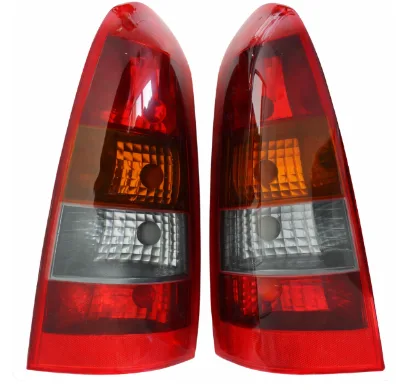


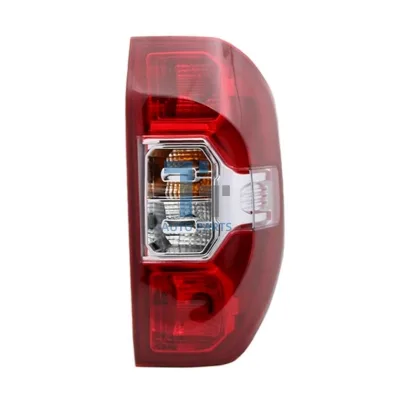


Factory Price 20 * 47mm Decoding LED High-Power Steering Brake Tail Lights
$4.40 - $4.95
MOQ: 300 Pieces


LED Tail Light, 2PCS Universal 10LED Taillight 10-30V for Taillight Truck
$6.50 - $75.00
MOQ: 10 Pieces



Comprehensive Sourcing Guide
LED Taillights Sourcing Guide
Sourcing LED Taillights for automotive and commercial vehicle applications requires a disciplined approach to technical verification and supplier qualification. The global market for these components is dominated by manufacturing hubs in China, with significant production capacity located in Zhejiang and Jiangsu provinces. Buyers must navigate a landscape where product attributes vary widely, from simple replacement bulbs to complex, multi-function trailer lighting systems. Understanding the specific fitment requirements, electrical specifications, and environmental ratings is critical to ensuring that the procured components integrate seamlessly into the target vehicle platform without causing electrical faults or regulatory non-compliance.
This guide provides a structured framework for evaluating LED taillight suppliers based on observed market signals and standard industry practices. It focuses on the technical parameters that define product performance, such as voltage ranges, LED configurations, and ingress protection ratings. By adhering to the evidence-based facts provided and applying rigorous due diligence, procurement professionals can mitigate risks associated with quality inconsistencies, certification gaps, and supply chain disruptions. The following sections detail the essential steps for validating product scope, verifying technical specifications, and establishing long-term supplier relationships.
Product Scope and Observed Listing Signals
The current market for LED Taillights encompasses a diverse range of products, from single-item replacement bulbs to complete assembly units for trucks and trailers. Observed listings indicate a price range of 1 to 100 USD, reflecting the variance between basic indicator lights and advanced, multi-LED systems. Minimum Order Quantities (MOQs) typically range from 1 to 1000 units, allowing for flexibility in both sample acquisition and bulk procurement. Buyers should note that while some products are listed as "New" and intended for "replace/repair" purposes, others are designed as custom solutions, highlighting the need to clearly define whether off-the-shelf or bespoke components are required for the specific vehicle model.
Product models observed in the market include specific identifiers such as 2605162131, CHL1001, and LT120, each associated with distinct physical dimensions and packaging standards. For instance, some units are packaged in simple cartons with dimensions around 20.3x7.5x7cm, while others come in color boxes measuring 138x138x26mm. This variation in packaging and model numbering suggests that suppliers may offer multiple variants under similar product names. Procurement teams must carefully cross-reference model numbers with physical dimensions and functional descriptions to avoid ordering incorrect parts, especially when dealing with suppliers who list multiple product lines under a single catalog entry.
Technical Specifications to Verify
Electrical compatibility is the primary technical consideration when sourcing LED Taillights. Products in the market operate within voltage ranges of 10-30V, making them suitable for both standard 12V automotive systems and 24V commercial truck networks. However, some listings specifically note a 12V requirement, which necessitates careful verification against the vehicle’s electrical architecture. The light source is consistently LED, with configurations ranging from 19 LEDs to 30PCS 2835SMD units. Buyers must verify the exact LED count and type to ensure adequate brightness and uniform light distribution, as underpowered units may fail to meet visibility standards or cause error codes in modern vehicle diagnostic systems.
Physical construction and environmental resistance are equally critical for long-term reliability. Housing materials are predominantly ABS plastic, offering a balance of durability and weight, while the IP rating is a key indicator of environmental sealing. Observed specifications include IP68 and IP66 ratings, which denote high levels of protection against dust and water ingress. For applications involving trailers or heavy-duty trucks, an IP66 or higher rating is essential to prevent moisture damage from rain, washing, or road spray. Additionally, the base type, such as H5W for bulbs, and installation methods, including screw mounts, must match the existing vehicle fixtures to ensure secure and vibration-resistant installation.
Compliance and Safety Documentation
Regulatory compliance is non-negotiable for automotive lighting components, particularly those intended for road use. Certifications such as CE, RoHS, DOT, CCC, and E-mark are observed in the market, each serving a specific regulatory purpose. CE and RoHS certifications indicate compliance with European health, safety, and environmental protection standards, while DOT certification is required for products sold in the United States. The E-mark and CCC certifications are relevant for European and Chinese markets, respectively. Buyers must ensure that the supplier provides valid, verifiable certificates for the specific product model being purchased, as certifications are often tied to specific test samples and may not cover all variants in a supplier’s catalog.
Beyond certifications, buyers should verify that the products meet the relevant technical standards for their target market. For example, LED trailer lights must adhere to specific luminous intensity and color standards to ensure they are recognizable to other road users. The observed product standards, such as LED TRAILER LIGHT specifications, provide a baseline for compliance, but buyers should request detailed test reports or conformity declarations from the supplier. This documentation should confirm that the product’s light color, such as natural white or red, and its function, whether as a back position lamp, parking light, or brake light, align with local traffic regulations.
Cost Drivers and Commercial Terms
The cost of LED Taillights is influenced by several factors, including the number of LEDs, the quality of the housing material, and the level of certification. Products with higher LED counts and superior IP ratings typically command higher prices within the observed 1-100 USD range. Customization availability is another significant cost driver; while standard models are readily available, custom designs or specific fitment modifications may incur additional tooling or engineering fees. Buyers should clarify whether the quoted price includes packaging, such as color boxes or standard cartons, as this can impact the final landed cost, especially for large volume orders.
Commercial terms, including MOQ and lead times, play a crucial role in procurement planning. While MOQs can be as low as 1 unit for samples, bulk orders may require quantities up to 1000 units. Buyers should negotiate flexible MOQ terms for initial orders to mitigate risk, while establishing clear lead time expectations for production runs. Warranty terms, observed to be 18 months to 2 years, provide a safety net against early failures, but buyers should verify the warranty process, including return shipping costs and replacement procedures. Understanding these commercial dynamics allows for more accurate budgeting and inventory management, ensuring that the total cost of ownership is minimized.
Supplier Qualification and Quality Control
Supplier qualification begins with verifying the company’s location and manufacturing capabilities. The majority of observed suppliers are based in China, with specific origins in Zhejiang, Jiangsu, and Zhengjiang provinces. Buyers should conduct due diligence to confirm that the supplier is a manufacturer or an authorized distributor, rather than a trading company, to ensure better control over quality and pricing. Requesting factory audits or virtual tours can provide insights into the production processes, quality control measures, and testing equipment available. This step is essential for identifying suppliers who can consistently meet the technical and compliance requirements of the order.
Quality control protocols should be established before placing large orders. Buyers should request samples for rigorous testing, including electrical performance, waterproofing, and vibration resistance. It is advisable to define clear acceptance criteria based on the observed specifications, such as IP66/IP68 ratings and LED brightness levels. Implementing a pre-shipment inspection (PSI) can help catch defects before the goods leave the factory. Additionally, buyers should verify the supplier’s ability to provide consistent product quality across batches, as variations in LED binning or housing material can affect performance and appearance.
Long-Term Procurement Checks
Establishing a long-term relationship with LED taillight suppliers requires ongoing monitoring of product performance and supplier reliability. Buyers should track field failure rates and customer feedback to identify any recurring issues, such as premature LED failure or seal degradation. Regular communication with the supplier regarding product updates, new certifications, or changes in manufacturing processes is essential to ensure continued compliance and quality. Suppliers who proactively communicate changes and provide support for technical issues are more likely to be reliable long-term partners.
Supply chain resilience is another critical aspect of long-term procurement. Buyers should assess the supplier’s ability to handle demand fluctuations and potential disruptions, such as raw material shortages or logistical challenges. Maintaining a diversified supplier base can mitigate risks associated with single-source dependencies. Additionally, buyers should review contract terms periodically to ensure they remain competitive and aligned with current market conditions. By focusing on continuous improvement and risk management, procurement teams can secure a stable supply of high-quality LED Taillights that meet the evolving needs of their vehicle platforms.
FAQs
What certifications do these LED Taillights have?
The products carry CE, RoHS, DOT, CCC, and E-mark certifications. These standards ensure compliance with safety and environmental regulations for various international markets, allowing for broader distribution and use in different regions.
Can I customize the packaging for these items?
Yes, customization is available for these LED Taillights. Buyers can request specific packaging solutions such as cartons, color boxes, or standard boxes depending on their logistical needs and branding requirements for the final product.
Which voltage range supports these LED lights?
The lights operate within a 10-30V range, with some specific models designed for 12V systems. This wide voltage compatibility ensures reliable performance across various vehicle electrical systems without requiring additional converters or adapters.
How long is the warranty period for these lights?
Warranty periods vary by model, typically ranging from 18 months to 2 years. This coverage protects against manufacturing defects and ensures reliability for commercial buyers who require long-term performance assurance for their fleet vehicles.
What is the IP rating for waterproofing?
The products feature IP66 or IP68 ratings, providing high resistance to dust and water ingress. This ensures the lights remain functional in harsh weather conditions, making them suitable for trucks, trailers, and outdoor applications.
Where are these LED Taillights manufactured?
Manufacturing locations include Zhejiang, Jiangsu, and Zhengjiang in China. These regions are known for their automotive parts industry, offering a concentration of specialized factories capable of producing high-volume LED lighting components.
What material is used for the housing?
The housing is constructed from ABS material, which offers durability and impact resistance. This robust construction protects the internal LED components from vibration and physical damage during vehicle operation and transport.