Source Lift Shock Absorber for Off-Road, Auto Bumper, and Transmission
Compare 30 Lift Shock Absorber options from China and Korea. Find aluminum, steel, and plastic variants with customization, ISO/CE certifications, and various packing methods for industrial and automotive needs; compare the available evidence and request quotations based on your requirements.
Key considerations
Products List


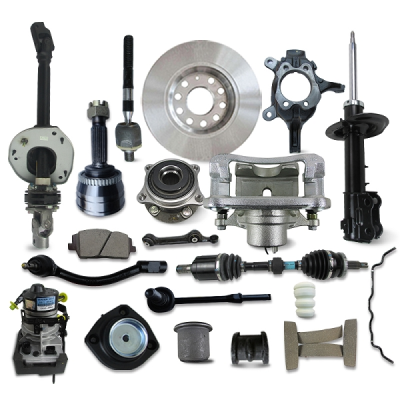


Hot Sale High Quality Suspension Parts Air Spring Suspension Shock Absorber
$22.98 - $24.89
MOQ: 50 Pieces


Comprehensive Sourcing Guide
Lift Shock Absorber Sourcing Guide
Lift shock absorbers occupy a specialized position in the commercial vehicle and off-road parts supply chain, and buyers who approach them without a structured sourcing process often pay for that omission in returns, warranty claims, and vehicle downtime. This guide is written for procurement teams, fleet maintenance managers, and aftermarket distributors who need to evaluate Lift Shock Absorber offers on B2B marketplaces and convert listing information into verifiable purchase specifications. The core keyword covers both the foam-cell and air-spring style dampers commonly fitted to lifted trucks, SUVs, and heavy commercial vehicles, and the sourcing logic in this guide applies across those variants.
The principles below are drawn from observed marketplace listing practices and standard category knowledge rather than from any single supplier. Every claim a listing makes should be treated as a starting point for verification, not as a finished specification. The guide is organized into seven sections that follow the natural sequence of a sourcing project: defining product scope, confirming technical details, checking compliance paperwork, negotiating commercial terms, qualifying suppliers, and setting up long-term controls. Used in that order, it will help you separate credible manufacturers from trading intermediaries repackaging commodity stock.
Product Scope and Observed Listing Signals
Marketplace listings for lift shock absorbers typically cluster around a few identifiable attribute groups. High-confidence signals in this category include aluminum and steel construction, foam-cell damper type, front position fitment, and an off-road driving style designation, which together describe the mainstream lifted-vehicle shock. Related listings extend into adjacent products such as auto bumpers, transmission components, and suspension control parts, with materials ranging from plastic and stainless steel to steel-plus-aluminum-plus-rubber assemblies. Model and part numbers such as WG9925688101, WG1642430283, and DZ13241440080 appear in connection with heavy truck applications, and one Korea-sourced group targets Korean vehicle makes with a stated suspension control product name. Recognizing these clusters helps you filter listings quickly.
Buyers should also read the commercial signals attached to each listing. Customization is marked as available on relevant products, and minimum order quantities range from a single piece to 200 units, which tells you the category serves both sample buyers and bulk distributors. Observed price points span from nominal listing values up to roughly ninety US dollars, so identical-looking products can carry very different cost structures depending on specification depth. Packing descriptions vary from simple cartons to master carton plus plywood case, and shipping options reference major international carriers and Chinese export ports. Treat any attribute that a listing does not state as an open question requiring written confirmation from the supplier.
Technical Specifications to Verify
Begin verification with the damper architecture itself. The foam-cell type designation is a meaningful performance attribute for off-road use because it resists foaming under sustained rough-terrain cycling, but listings do not always explain how the foam cell is implemented or over what duty cycle it is rated. Ask suppliers to confirm the working stroke, extended and collapsed lengths, and whether the shock is monotube or twin-tube in addition to being foam-cell. For listings described as air spring shock absorbers, clarify whether the unit combines a conventional damper with an air spring element, how the air chamber is inflated, and what load range it supports. One related listing states a load of 120 to 180 kilograms, which is a useful reference point for how load ratings are expressed in this category.
Material and fitment details come next. Construction is listed variously as aluminum, steel, or steel combined with aluminum and rubber, and each choice changes corrosion resistance, weight, and heat dissipation. Confirm the position designation, since front fitment is the stated default and rear applications may have different dimensions. Request exact model or part number cross-references, such as WG9925680028 or the HQHC-coded listings, so replacement parts can be matched to vehicle platforms rather than selected by appearance. Packaging dimensions, for example the stated 45 by 15 by 10 standard and the 60 by 40 by 30 centimeter single package size, also matter because they drive freight cost calculations.
Compliance and Safety Documentation
Lift shock absorbers are safety-relevant suspension components, so documentation requests should precede any pricing discussion. Observed listings in this category reference ISO and CE certification, and one listing cites a general "International" standard, but certification claims on marketplace pages are frequently copied between products and do not prove the specific shock you are buying was manufactured under a certified system. Ask each supplier for the certificate number, issuing body, scope statement, and validity dates, and check that the scope covers the production site and product family relevant to your order rather than an unrelated category. Where a listing references ISO 9001, ISO 14001, or ISO 45001, verify these are current management system registrations held by the manufacturer itself.
Beyond system certifications, request product-level evidence appropriate to a pressurized suspension damper. Reasonable requests include dimensional inspection reports against your agreed drawing, material certificates for the main cylinder and piston rod, and any burst, fatigue, or corrosion testing the manufacturer performs as part of routine production. For Korean-car fitments sold under the Korea place-of-origin designation, confirm which market approvals the parts carry if you intend to resell into regulated markets. Never accept photographs of certificates as sufficient evidence; require the underlying documents, and record them in your supplier file so subsequent orders can be audited against the same baseline.
Cost Drivers and Commercial Terms
Price variation in this category reflects a handful of identifiable drivers. Material selection is the largest: aluminum-bodied dampers command a different cost base than steel, and steel-plus-aluminum-plus-rubber assemblies add bonding and assembly labor. Foam-cell internals, adjustable features, and air spring integration each add engineering and manufacturing cost over a basic twin-tube unit. Customization is listed as available, and customized tooling, finishes, or valving will shift both unit price and minimum order quantity, so price customized and standard versions separately. Certification scope, packaging format, and destination market documentation also move cost, which is why two listings for visually similar shocks can sit far apart within the observed price range.
On commercial terms, anchor negotiations to verifiable specifics rather than headline prices. Observed listings show minimum order quantities from one piece to 200 units, a stated 30-day delivery time on at least one product, and shipping through DHL, FedEx, UPS, EMS, or TNT from ports including Guangzhou, Ningbo, Shanghai, and Shenzhen. Sample policy matters: at least one listing offers charge samples, meaning you should budget for paid samples and treat sample cost as recoverable against a first bulk order where negotiable. Packing formats range from plain carton to master carton plus plywood case, and marking can be arranged according to customer requirement. Put incoterms, payment stage gates, and lead-time penalties into the purchase contract rather than relying on chat summaries.
Supplier Qualification and Quality Control
Qualification should distinguish manufacturers from traders before technical discussion begins. Use the model and part numbers in listings, such as WG9925688101 or DZ13241440080, as probes: a manufacturer can usually explain the numbering system, the vehicle platforms the part fits, and the tooling behind it, while a trader often cannot. Verify the stated place of origin, since listings reference Jinan, China generally, and Korea for Korean-car parts, and confirm where production actually occurs. Review how customization is handled, because genuine OEM and ODM suppliers will have engineering staff who can discuss valving, mounting hardware, and drawing revisions, whereas intermediaries will forward everything to a third party and add margin.
Once a supplier passes initial screening, define incoming quality control for your first order. Require a pre-shipment inspection against an agreed specification sheet covering dimensions, finish, damping behavior, and marking per the "according to customer" marking option listed. For the observed packing variants, inspect carton integrity and pallet configuration at the port of discharge, since shock absorbers are pressurized components that can be damaged by rough handling. Retain sealed samples from the approved lot, and record the certification documents, material certificates, and inspection reports in a supplier file. This baseline lets you compare every subsequent shipment against the first approved one rather than re-qualifying from scratch.
Long-Term Procurement Checks
Sustained supply relationships need scheduled re-verification rather than one-time approval. Revisit certificates annually, because ISO and CE documentation expires and scope statements can change between renewals. Re-run dimensional and functional spot checks on incoming lots at a defined sampling frequency, and escalate immediately if packaging dimensions such as the stated 45 by 15 by 10 standard shift without notice, since silent packaging changes often accompany changes in the underlying factory. Monitor whether the supplier continues to honor customization commitments and whether lead times remain near the referenced 30-day figure as order volumes grow, because capacity strain typically appears first in delivery performance and sample turnaround.
Build redundancy into the category before you need it. Identify at least one alternate source for each critical shock part number, qualify it with paid samples, and keep its documentation current even while the primary supplier carries the volume. Track warranty return rates by part number and by supplier, and feed failure data back into specification discussions so valving or material issues are corrected at the design level. Finally, review commercial terms at each annual negotiation: minimum order quantities from one piece upward give smaller buyers entry points, but volume tiers, freight consolidation from Guangzhou, Ningbo, Shanghai, or Shenzhen, and extended payment terms are all negotiable once a track record exists. Document every agreed change in a contract amendment, not in correspondence alone.
FAQs
How can I verify customization options for lift shock absorbers before ordering?
Customization is listed as available, so you can request adjustments to specifications, markings, and packaging based on your requirements. Confirm your needs in writing before placing an order, since MOQ is stated as according to the customer's requirement. Ask suppliers to confirm drawing support, sample terms, and whether charge samples apply to your configuration.
What materials are commonly offered for lift shock absorbers on this page?
Listed materials include aluminum, steel, stainless steel, plastic, and a steel plus aluminum plus rubber combination. Material choice affects weight, durability, and cost, so match it to the application. For off-road driving, aluminum and steel options are typical, and suppliers can confirm which material applies to each specific model such as WG9925688101.
What is the typical lead time when ordering lift shock absorbers?
A delivery time of 30 days is listed for the products on this page, so you should plan your procurement schedule around that window. Lead time can vary with order quantity, customization level, and production capacity. Confirm the exact schedule with the supplier before payment, and clarify packaging details such as carton or master carton plus plywood case.
Which certifications should buyers expect from Lift Shock Absorber suppliers?
ISO and CE certification is listed on this page, which indicates the supplier follows recognized quality and safety management practices. Not every product line necessarily carries both, so request the specific certificate for the model you intend to purchase. You can also ask for test documentation or inspection reports before confirming a bulk order.
Can I order lift shock absorbers in small quantities for testing?
Yes, an MOQ of 1 piece is listed, so you can place a trial order before committing to volume purchases. Some listings state MOQ according to the customer's requirement, which gives flexibility for negotiation. Keep in mind that samples may be charge samples, and shipping options include DHL, FedEx, UPS, EMS, and TNT.
What packaging and shipping options are available for lift shock absorbers?
Listed packaging options include carton packing, ocean freight packing, and master carton plus plywood case, with marking according to customer requirements. Shipping channels cover DHL, FedEx, UPS, EMS, and TNT for samples or small orders, while larger shipments typically move by sea. Ports listed include Guangzhou, Ningbo, Shanghai, and Shenzhen.
What do Lift Shock Absorber model numbers like WG9925688101 indicate?
Model numbers such as WG9925688101, WG1642430283, and DZ13241440080 identify specific product configurations and help ensure you receive the correct part. Always reference the exact model when requesting quotations to avoid mismatches. Suppliers can cross-check the model against your vehicle or equipment requirements before confirming specifications and pricing.
How should buyers compare Lift Shock Absorber quotations from different suppliers?
Compare quotations by matching identical model numbers, materials, certifications, and packaging terms rather than only looking at unit price. Include MOQ, lead time, sample charges, and shipping costs in the comparison. With prices ranging widely across listings, request detailed specifications for each model to confirm that quotes cover genuinely equivalent products.