Source Light Gold Designer Handbags for Events, Travel, and Daily Use
Compare 30 listings of Light Gold Designer Handbags featuring canvas, PU, and leather materials. Buyers can evaluate customization options, styles, and specifications for events, travel, and daily use. Explore various designs including pastoral, simple, and antique styles with adjustable straps and buckles. Check packing details and origin locations to find the best match for your needs.
Key considerations
Products List


Comprehensive Sourcing Guide
Light Gold Designer Handbags Sourcing Guide
Sourcing Light Gold Designer Handbags requires a nuanced understanding of material finishes and aesthetic trends that define luxury accessories. The term "light gold" often refers to a specific metallic hue or plating finish rather than a material composition, which means buyers must carefully distinguish between solid gold plating, gold-tone hardware, and fabric colors that mimic this shade. In the current market, this aesthetic is frequently paired with high-quality leathers, canvases, or synthetic materials to create a versatile accessory that bridges casual and formal wear. Procurement teams must recognize that "designer" in a B2B context often implies a specific silhouette, branding strategy, or premium finish rather than a direct copy of a luxury brand, necessitating clear communication with suppliers about intellectual property and design originality.
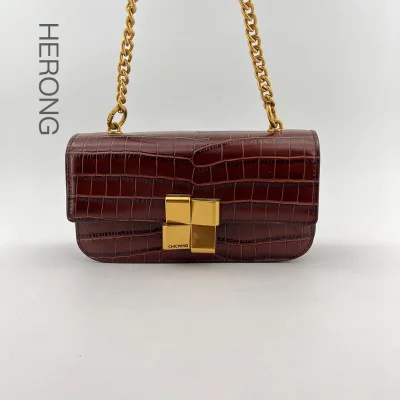
Buyers should also consider the versatility of light gold as a fashion element, which pairs well with neutral tones and bold colors alike. This colorway is particularly popular in evening wear and special occasion accessories, making it a strategic choice for retailers targeting seasonal peaks such as holidays or wedding seasons. However, the perception of quality can vary significantly based on the underlying material, such as patent leather, crocodile grain textures, or simple canvas constructions. Understanding these variations allows procurement specialists to align their inventory with specific customer segments, ensuring that the aesthetic appeal of the light gold finish is supported by appropriate durability and structural integrity in the final product.
Product Scope and Observed Listing Signals
The observed product landscape for handbags reveals a diverse range of materials and styles, including canvas, PU, PVC, and patent leather options. Listings indicate that customization is widely available, with suppliers offering OEM services and customized logos, which is critical for buyers seeking to establish a unique brand identity. The hardness of these bags varies from soft to medium soft, and some feature specific fashion elements like crocodile grain or candy colors, suggesting a broad spectrum of design possibilities. Buyers should note that while some products are labeled as waterproof, others are non-waterproof, requiring careful selection based on the intended use case and climate of the target market.
Packing standards and origin locations provide additional context for logistics planning, with many items originating from Guangdong, China, and packed individually in polybags. The presence of specific model numbers, such as Fabric Handbags-006V-010V-062S or Patent Leather Handbags-024L, indicates a structured inventory system that can facilitate precise ordering and tracking. However, the wide range of MOQs, from single pieces to ten thousand units, highlights the flexibility of the supply chain, allowing both small boutique retailers and large distributors to source effectively. Buyers must verify these details against their specific volume requirements to ensure alignment with supplier capabilities and production timelines.
Technical Specifications to Verify
When evaluating technical specifications, buyers must prioritize the verification of material composition and structural durability. For instance, while some bags feature polyester linings, others may use fabric interiors, which impacts both comfort and longevity. The presence of adjustable straps and specific closure mechanisms, such as buckles, adds functional value but requires inspection to ensure smooth operation and secure fastening. Additionally, the hardness of the bag, whether soft, partial hard, or medium soft, should be assessed to match the desired shape retention and user experience. These physical attributes directly influence customer satisfaction and return rates, making them critical points of verification during the sampling phase.
Color consistency and printing quality are also paramount, especially for items described as having mixed colors or specific finishes like light gold. Buyers should request physical samples to assess the accuracy of color reproduction and the durability of any printed or embossed logos. The operation instructions, such as hand wash or professional dry clean recommendations, provide guidance on care but also hint at the material's sensitivity to water and chemicals. Verifying these specifications against the supplier's claims ensures that the final product meets the expected quality standards and reduces the risk of discrepancies between the ordered item and the delivered goods.
Compliance and Safety Documentation
Compliance with international safety and chemical regulations is non-negotiable for handbag imports, particularly when materials like PU, PVC, or leather are involved. Buyers must ensure that suppliers provide relevant documentation, such as REACH compliance for European markets or CPSIA compliance for the United States, to verify that harmful substances like lead, phthalates, or azo dyes are within acceptable limits. Although specific certification statuses are not always listed in initial product descriptions, requesting these documents during the supplier qualification phase is essential to mitigate legal risks and ensure market access. Without proper documentation, shipments may be detained at customs, leading to significant delays and financial losses.
Furthermore, labeling requirements must be strictly adhered to, including accurate fiber content declarations, country of origin markings, and care instructions. The observed product data indicates that some items are packed in designer-style boxes, which may require additional labeling considerations for retail presentation. Buyers should also verify that any claimed features, such as waterproofing or specific hardness levels, are supported by test reports or material certifications. This due diligence not only protects the brand from liability but also builds consumer trust by ensuring that the products are safe, durable, and accurately represented in the marketplace.
Cost Drivers and Commercial Terms
Cost structures for handbags are influenced by material choices, customization levels, and order volumes. The observed price range of 0.79 to 188 USD reflects the vast diversity in quality and complexity, from simple canvas totes to intricate patent leather designs. Buyers should analyze the cost breakdown to understand how factors like hardware quality, lining materials, and packaging options impact the final price. Customization services, such as logo printing or design modifications, often incur additional fees, which should be factored into the total cost of ownership. Understanding these drivers allows for more accurate budgeting and negotiation strategies with suppliers.
Commercial terms, including MOQs and payment conditions, vary significantly across suppliers. While some suppliers offer low MOQs for testing purposes, others require large orders to achieve competitive pricing. Buyers should negotiate terms that align with their inventory management strategies, considering factors like lead times and storage costs. Additionally, understanding the packing specifications, such as individual polybag packaging or designer boxes, can affect shipping efficiency and costs. Clear communication regarding these terms helps prevent misunderstandings and ensures a smooth transaction process from order placement to delivery.
Supplier Qualification and Quality Control
Supplier qualification is a critical step in ensuring consistent product quality and reliable service. Buyers should conduct thorough due diligence, including verifying business licenses, production capabilities, and past performance records. Requesting references from existing clients can provide insights into the supplier's reliability and responsiveness. Additionally, assessing the supplier's quality control processes, such as in-line inspections and final random inspections, helps ensure that products meet the specified standards before shipment. This proactive approach minimizes the risk of receiving defective goods and reduces the need for costly returns or replacements.
Quality control should also extend to the packaging and labeling processes, as these elements contribute to the overall customer experience. Buyers should verify that packaging materials are durable enough to protect the products during transit and that labeling is accurate and compliant with local regulations. Implementing a robust quality assurance plan, including regular audits and feedback loops, helps maintain high standards and fosters a strong partnership with the supplier. By prioritizing supplier qualification and quality control, buyers can build a resilient supply chain that supports long-term business success.
Long-Term Procurement Checks
Long-term procurement success depends on continuous monitoring and evaluation of supplier performance. Buyers should establish key performance indicators (KPIs) to track metrics such as on-time delivery, product quality, and responsiveness to issues. Regular reviews of these metrics help identify areas for improvement and strengthen the supplier relationship over time. Additionally, staying informed about market trends and consumer preferences allows buyers to adapt their sourcing strategies accordingly, ensuring that the product portfolio remains relevant and competitive. This dynamic approach to procurement helps mitigate risks and capitalize on new opportunities in the evolving handbag market.
Sustainability and ethical sourcing are increasingly important considerations for modern buyers. Evaluating suppliers' environmental practices, such as waste management and energy efficiency, can enhance brand reputation and appeal to eco-conscious consumers. Buyers should also consider the social impact of their sourcing decisions, ensuring that labor practices are fair and safe. By integrating these long-term checks into their procurement strategy, buyers can build a responsible and sustainable supply chain that aligns with global standards and consumer expectations. This holistic approach not only protects the brand but also contributes to positive social and environmental outcomes.
FAQs
Can I customize the logo and design on these handbags?
Yes, customization is available for both logo and design on these handbags. The product attributes confirm that customized options exist for branding and style, allowing buyers to tailor the appearance to their specific brand requirements without needing standard templates.
What materials are used to make these designer handbags?
These handbags are constructed from materials including canvas, PU, and leather. The inside material varies between polyester and fabric depending on the specific model, ensuring durability and a comfortable feel for the user while maintaining a high-quality aesthetic.
Which models offer waterproof features for daily use?
Some models in this collection are waterproof, while others are non-waterproof. Buyers should check the specific product attributes for each model, such as the PVC or patent leather options, to determine if the item meets their weather resistance needs before purchasing.
What is the minimum order quantity for these bags?
The minimum order quantity ranges from 1 to 1000 units depending on the supplier and specific model. One listed model requires a high MOQ of 10000, so buyers must verify the specific requirements for their chosen item to ensure it fits their order volume.
How are these handbags packaged for shipping?
Each handbag is typically packed individually in a polybag. Some items may also come in an original box labeled as designer handbag packaging, ensuring the product remains protected during transit and arrives in pristine condition for the end customer.
Can I find suppliers located in Guangdong, China?
Yes, suppliers for these handbags are located in Guangdong, China. This region is a known manufacturing hub, and the product origin data confirms that production facilities are situated there, offering potential advantages in logistics and supply chain efficiency for international buyers.
What styles are available for these designer handbags?
Available styles include European, Pastoral, Simple, and Antique designs. The collection features various fashion elements like crocodile grain and candy colors, providing a diverse range of aesthetic options to suit different customer preferences and seasonal trends in the market.