Source Light Weight EVA Sneaker Sole for Sports, Casual, and Daily Wear
Find 30 options for Light Weight EVA Sneaker Sole designed for durability and comfort. Compare features like slip resistance, elasticity, and customization to select the best outsole for your footwear manufacturing needs.
Key considerations
Products List


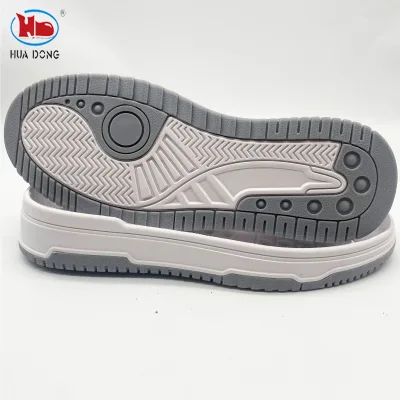
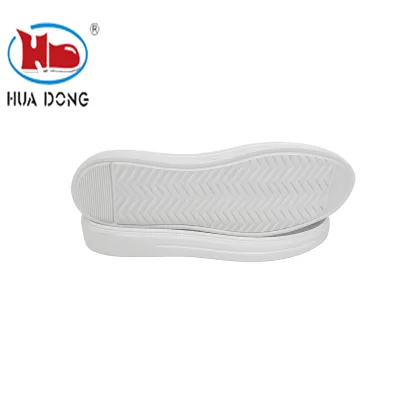
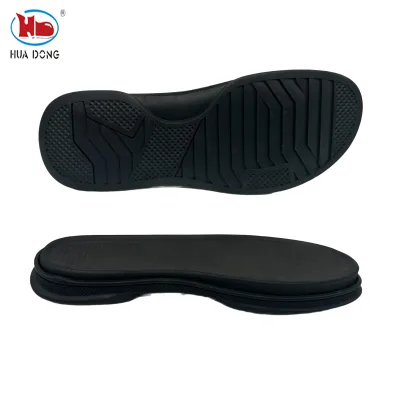
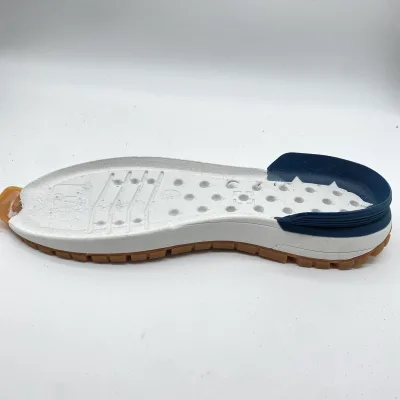
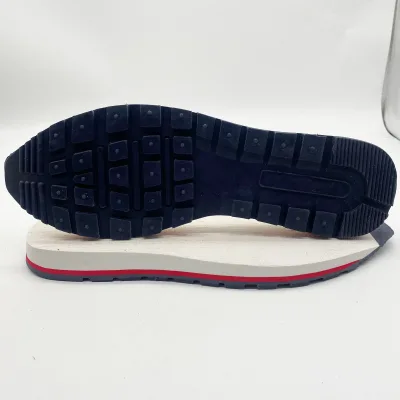


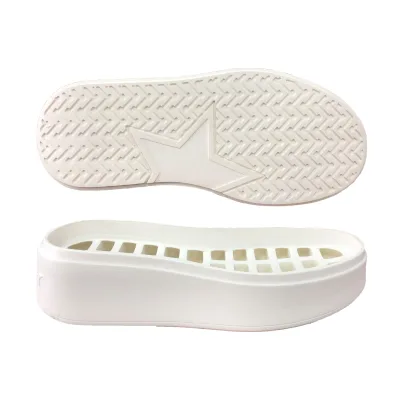
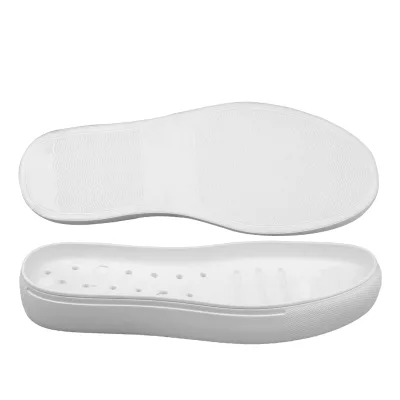
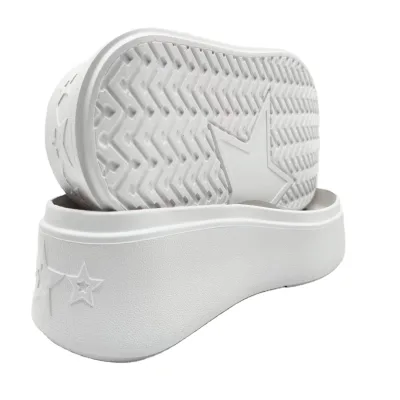
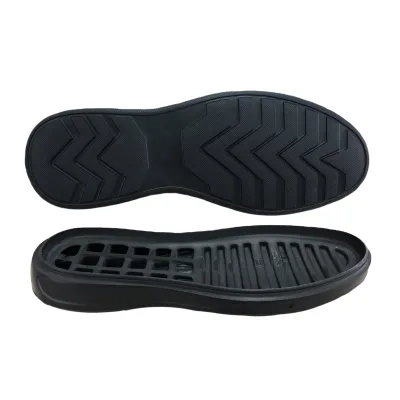
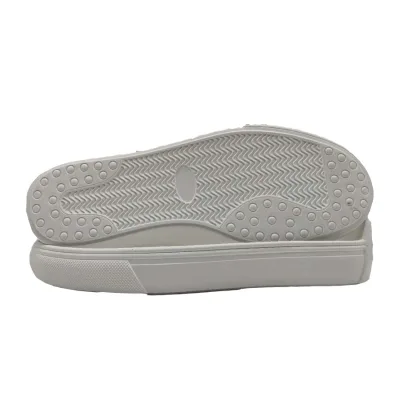
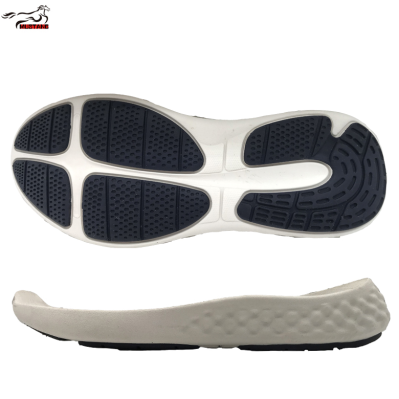
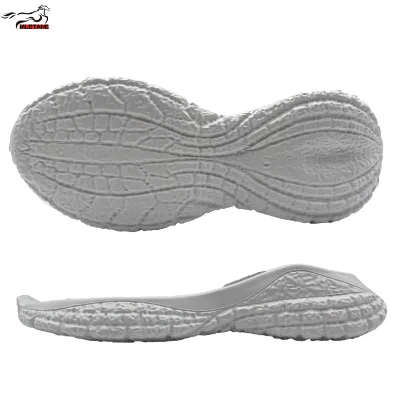
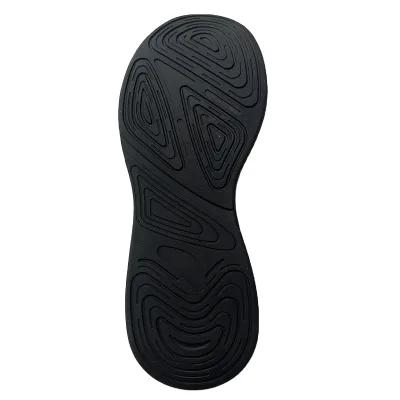


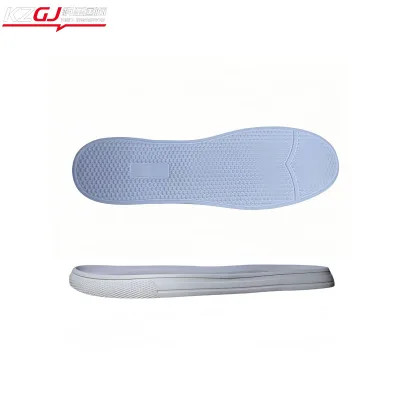
Comprehensive Sourcing Guide
Light Weight EVA Sneaker Sole Sourcing Guide
Product Scope and Observed Listing Signals
The market for light weight EVA sneaker soles is characterized by a diverse range of models designed for various footwear applications, including casual shoes, sports shoes, and sneakers. Buyers will observe listings that specify the material as high-quality EVA, emphasizing attributes such as elasticity, softness, and comfort. These soles are typically marketed with features like slip resistance, heat resistance, and a light, fashionable style, catering to both male and female consumers across different seasons, from spring and autumn to year-round wear. The observed product count indicates a robust supply base, with models ranging from GZ1366 to ZWG-002, each tailored to specific size ranges and aesthetic preferences.
Price points for these components generally fall within a competitive range, reflecting the cost-effectiveness of EVA as a material. The observed listing signals suggest that buyers can find options starting from lower price tiers, with variations depending on the specific model, thickness, and customization requirements. Some listings highlight single-color options, while others may offer more complex designs. The availability of OEM and ODM services is a common feature, allowing brands to customize the soles to their specific design needs. This flexibility is crucial for buyers looking to differentiate their products in a crowded market, as it enables the creation of unique footwear profiles without compromising on the fundamental benefits of EVA, such as its lightweight nature and durability.
Technical Specifications to Verify
When evaluating technical specifications, buyers must prioritize the verification of material density and thickness, as these factors directly influence the weight and cushioning properties of the final product. The supplied data indicates that thickness can vary, with some models specified at 3cm, while others may have different grading or thickness profiles. It is essential to confirm the exact thickness and density requirements for your specific shoe design, as these parameters affect the overall weight and performance of the sneaker. Additionally, the elasticity of the EVA material should be assessed to ensure it meets the comfort and flexibility standards required for the intended use, whether for casual wear or athletic activities.
Size compatibility is another critical technical aspect that requires careful verification. The observed listings show a wide range of size standards, from 35# to 45#, with specific models catering to different foot sizes. Buyers should ensure that the selected sole model aligns with their target market's sizing preferences and that the sole's dimensions match the upper shoe components precisely. Furthermore, the abrasion resistance of the sole should be checked, with some listings indicating an abrasion limit of within 200, which serves as a benchmark for durability. Verifying these technical details through sample testing or detailed specification sheets is crucial to avoid production issues and ensure the final product meets quality expectations.
Compliance and Safety Documentation
Compliance and safety documentation are paramount when sourcing EVA soles, particularly for footwear intended for international markets. Buyers should request detailed material safety data sheets (MSDS) and compliance certificates that confirm the absence of harmful substances such as phthalates, heavy metals, and formaldehyde. While specific certification statuses are not provided in the observed listings, it is the buyer's responsibility to verify that the supplier adheres to relevant international standards, such as REACH in Europe or CPSIA in the United States, depending on the target market. This verification process helps mitigate legal risks and ensures that the products are safe for consumer use.
In addition to chemical compliance, buyers should also inquire about the supplier's quality management systems and any relevant industry certifications. Although the listings mention "High Quality EVA," this is a general claim that requires substantiation through third-party testing reports. Buyers should ask for test results related to slip resistance, heat resistance, and durability, as these are key features highlighted in the product descriptions. Ensuring that the supplier can provide comprehensive documentation not only validates the product's quality but also enhances the brand's credibility and trustworthiness in the eyes of consumers and regulatory bodies.
Cost Drivers and Commercial Terms
The cost of light weight EVA sneaker soles is influenced by several factors, including the raw material price, manufacturing complexity, and order volume. The observed MOQ ranges from 10 to 1200 pairs, with some listings specifying an MOQ of 500 pairs per color, which can impact the initial investment required for a new product line. Buyers should negotiate terms that align with their production capacity and inventory management strategies, considering the trade-offs between lower MOQs and higher unit prices. Additionally, the customization options available, such as OEM and ODM services, may incur additional costs that should be factored into the overall budget.
Packing and logistics also play a significant role in the total cost of ownership. The observed listings indicate that soles are typically packed in cartons, plastic bags, and sacks, with specific single package sizes and weights provided for some models. Buyers should evaluate the efficiency of the packing method to minimize shipping costs and reduce the risk of damage during transit. Furthermore, the place of origin, often cited as Zhejiang, China, or other regions, can affect lead times and shipping expenses. Understanding these commercial terms and cost drivers allows buyers to make informed decisions that optimize their supply chain efficiency and profitability.
Supplier Qualification and Quality Control
Supplier qualification is a critical step in ensuring the reliability and consistency of the EVA sole supply chain. Buyers should conduct thorough due diligence on potential suppliers, verifying their business licenses, production capabilities, and past performance. The observed listings mention various model numbers and specifications, which suggests that suppliers may have a diverse product portfolio. It is important to assess whether the supplier has the technical expertise and equipment to produce soles that meet the specific requirements of your brand, including custom designs and quality standards. Engaging with suppliers who have a proven track record in the footwear industry can reduce the risk of supply chain disruptions.
Quality control measures should be established early in the procurement process to ensure that the products meet the agreed-upon specifications. Buyers should implement a robust inspection regime, including pre-production samples, in-process checks, and final random inspections. The observed features such as slip resistance, water resistance, and eco-friendliness should be verified through independent testing or supplier-provided test reports. Additionally, buyers should consider implementing a supplier scorecard system to monitor performance over time, tracking metrics such as on-time delivery, defect rates, and responsiveness to issues. This proactive approach to quality control helps maintain product consistency and customer satisfaction.
Long-Term Procurement Checks
Long-term procurement success depends on continuous monitoring and evaluation of the supply chain. Buyers should regularly review supplier performance against key performance indicators (KPIs) such as quality, cost, and delivery reliability. The dynamic nature of the footwear market requires buyers to stay informed about emerging trends and technologies in EVA sole manufacturing. This includes keeping abreast of new materials, production techniques, and sustainability initiatives that may impact the sourcing strategy. By maintaining a forward-looking approach, buyers can identify opportunities for innovation and cost savings, ensuring that their product offerings remain competitive.
Furthermore, buyers should foster strong relationships with their suppliers to facilitate collaboration and problem-solving. Open communication channels can help address issues promptly and build trust, which is essential for long-term partnerships. Buyers should also consider diversifying their supplier base to mitigate risks associated with single-source dependencies. This strategy can provide greater flexibility in responding to market changes and supply chain disruptions. By implementing these long-term procurement checks, buyers can build a resilient and efficient supply chain that supports their business growth and sustainability goals.
FAQs
What material is used for the Light Weight EVA Sneaker Sole?
The sole is constructed from high-quality EVA material, ensuring durability and flexibility. This composition provides a soft and comfortable feel while maintaining the necessary elasticity for active use in various seasons.
Can I customize the Light Weight EVA Sneaker Sole design?
Yes, customization is available for this product line. OEM and ODM services are welcomed, allowing buyers to tailor specific features like color or branding to meet unique market requirements and design specifications.
Which sizes are available for the Light Weight EVA Sneaker Sole?
Available sizes range from 35 to 45, depending on the specific model selected. Some models cover sizes 39 to 45, while others span 35 to 39 or 38.5 to 44.5, accommodating various adult foot dimensions.
How does the Light Weight EVA Sneaker Sole perform in wet conditions?
The sole features slip resistance and water-resistant properties to ensure safety and comfort. These attributes make it suitable for sports shoes and casual wear, offering good ventilation and sweat-absorptive capabilities during use.
What is the minimum order quantity for the Light Weight EVA Sneaker Sole?
The minimum order quantity varies by supplier but typically ranges from 300 to 500 pairs per color. Some listings indicate a standard MOQ of 500 pairs, while others may accept orders starting at 300 pairs.
Where are the Light Weight EVA Sneaker Sole products manufactured?
These products originate from China, with specific manufacturing locations including Zhejiang. The goods are packed in cartons, plastic bags, or sacks before being shipped to international buyers for distribution.