Source Lightweight Fitness Dumbbell Keychain for Gym, Travel, and Promotions
Find and compare 27 lightweight fitness dumbbell keychain options from Chinese manufacturers. Evaluate variations in material, shape, and customization to select the ideal promotional gift or accessory for your business needs.
Key considerations
Products List


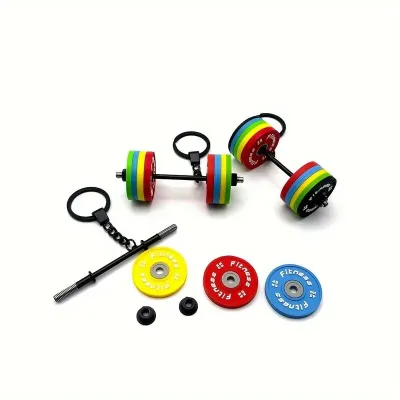


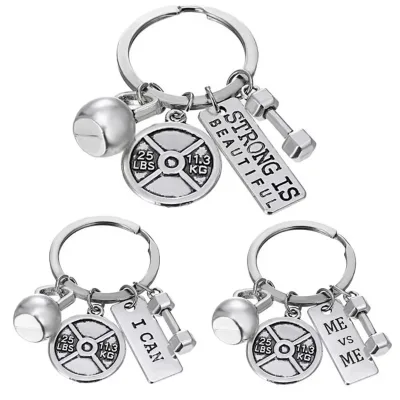
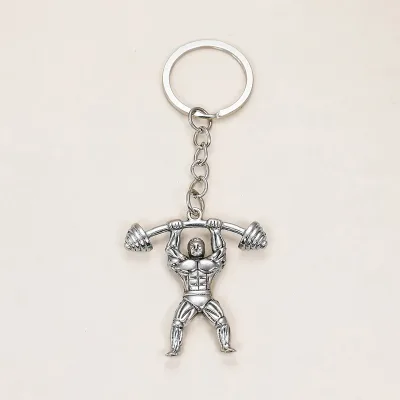
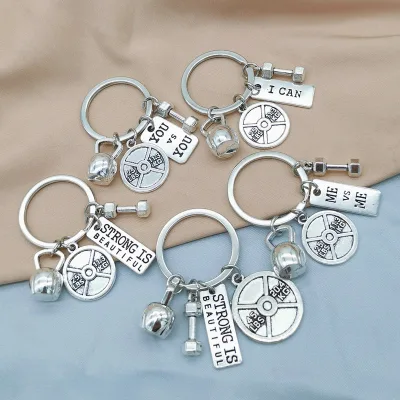

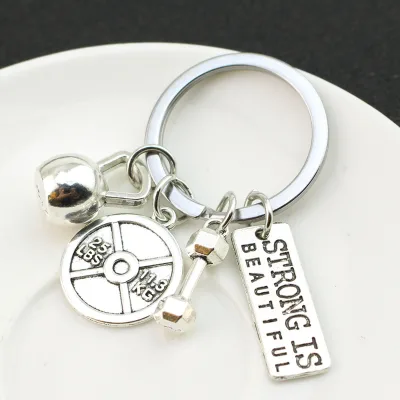
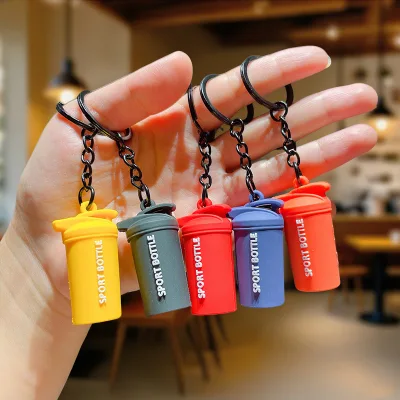
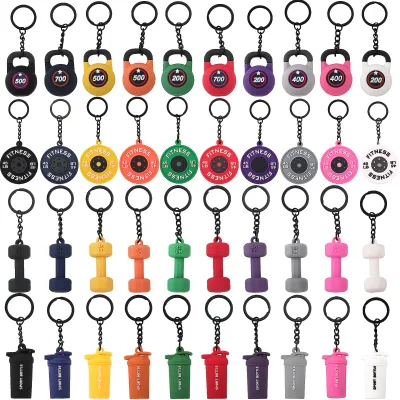
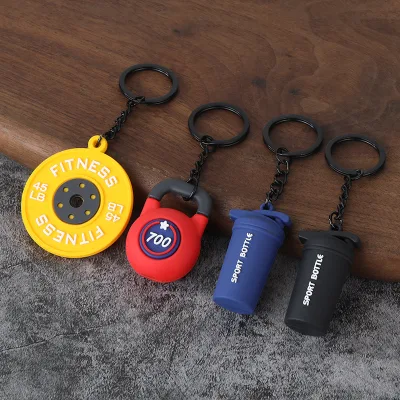
Comprehensive Sourcing Guide
Light Weight Fitness Dumbbell Keychain Sourcing Guide
Sourcing promotional items that bridge the gap between fitness branding and everyday utility requires a careful balance of aesthetic appeal, functional durability, and cost-efficiency. The "Light Weight Fitness Dumbbell Keychain" represents a niche within the broader category of metal and composite promotional gifts, where the visual metaphor of strength and health is leveraged to engage gym-goers, fitness enthusiasts, and corporate wellness programs. Buyers must navigate a market characterized by diverse material compositions, ranging from zinc alloy to silicone and iron, each offering distinct tactile experiences and price points. Understanding these material distinctions is critical, as the perceived value of the item often correlates directly with the weight and finish of the keychain, even if the actual product is designed to be lightweight for portability.
The procurement process for these items is heavily influenced by customization capabilities and minimum order quantities (MOQs), which vary significantly across suppliers. While some manufacturers offer low MOQs suitable for small-scale events or trial orders, others require bulk commitments that align with large-scale corporate gifting campaigns. The observed market signals indicate a wide range of customization options, including letterpress printing, silk screen printing, and various surface treatments like polishing. Buyers need to establish clear specifications early in the sourcing journey to ensure that the final product meets both the brand’s visual identity standards and the practical requirements of the end-user, such as attachment security and colorfastness.
Product Scope and Observed Listing Signals
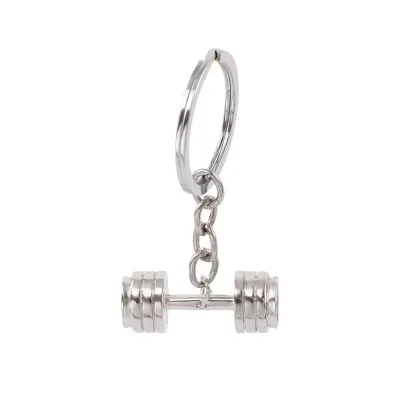
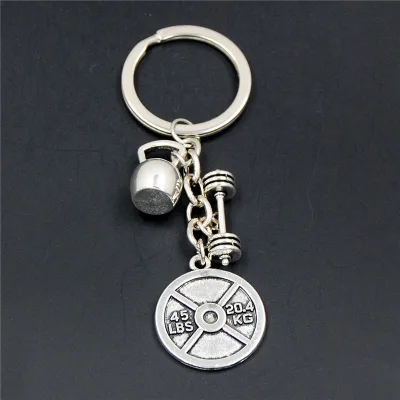
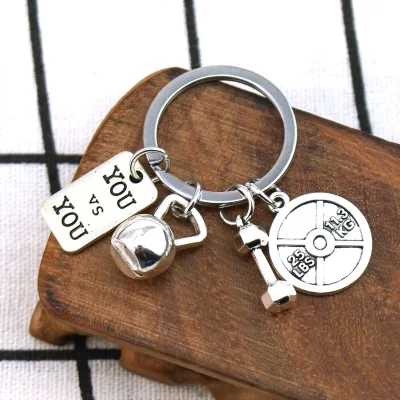
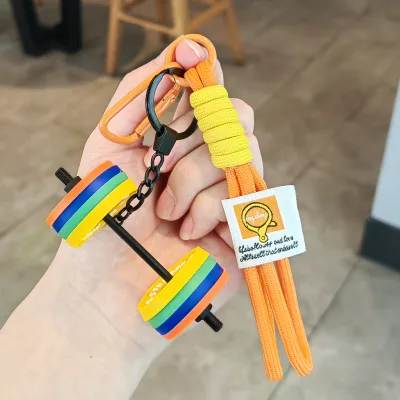
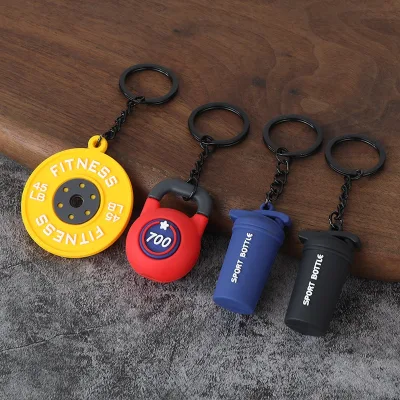
The current market landscape for fitness-themed keychains reveals a diverse array of product types, shapes, and materials that cater to different branding strategies. Observed listings indicate that products are frequently categorized under generic terms like "metal keychain" or "key chain," with specific models identified by codes such as "key-1," "Wsnbwye-0103," and "Hhx-K713." The shapes vary from geometric and irregular forms to human-like figures and round designs, allowing buyers to select a form factor that best aligns with their brand narrative. For instance, a dumbbell shape is a direct visual cue for fitness, while more abstract geometric shapes might appeal to a broader, less niche audience. The presence of brands like GUANGYU, Hhx, and Conterce suggests a competitive field where established manufacturers offer varying degrees of customization and design flexibility.
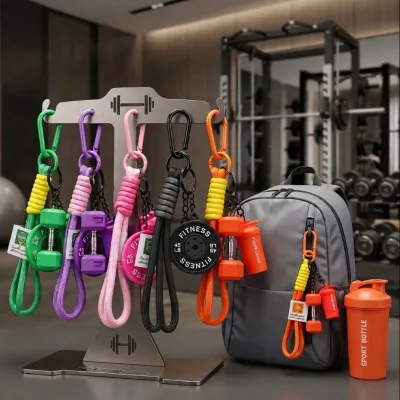
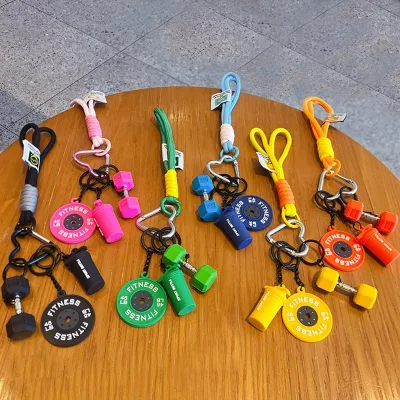
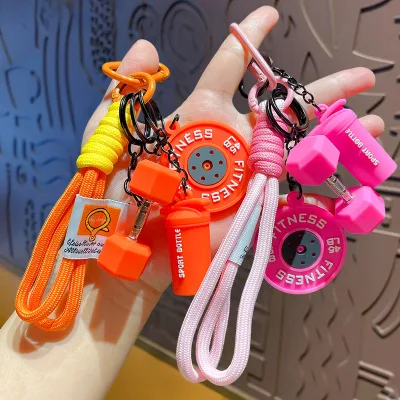
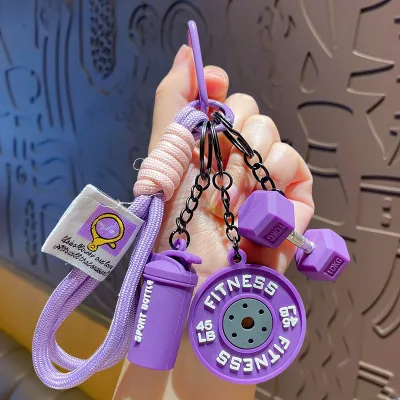
Material composition is a primary differentiator in this product category, with zinc alloy, iron, and silicone being the most commonly observed materials. Zinc alloy keychains often provide a premium feel and allow for intricate detailing, making them suitable for high-end promotional gifts. In contrast, silicone options offer a softer touch and greater durability against drops, which might be preferable for active users. The observed color palettes are extensive, ranging from standard black, white, and gray to vibrant options like pink, purple, green, and orange, enabling brands to match their specific marketing campaigns or seasonal themes. Additionally, the application of these keychains extends beyond general use, with some listings explicitly targeting holidays like New Year or Easter, indicating the versatility of these items as seasonal promotional tools.
Technical Specifications to Verify
When evaluating technical specifications, buyers must prioritize the attachment mechanism and overall durability of the keychain, as these factors directly impact customer satisfaction and brand reputation. The observed data highlights the use of keyrings and various attachment styles, with some suppliers offering fully customizable attachment options. It is essential to verify the strength of the connection point between the keychain body and the ring, as this is the most common point of failure. For fitness-themed items, which may be subjected to rough handling or frequent use, ensuring that the attachment can withstand repeated stress without breaking is crucial. Buyers should request physical samples to test the tensile strength of the keyring and the integrity of the connection points before committing to large orders.
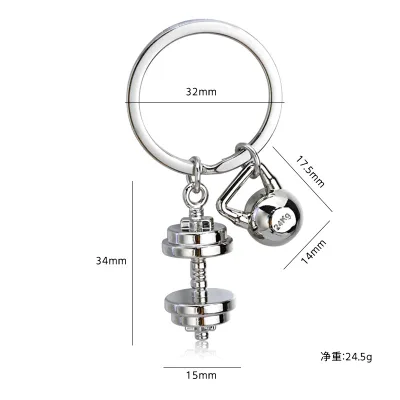
Surface treatment and finishing techniques are another critical area of verification, as they affect both the aesthetic appeal and the longevity of the product. Observed listings mention techniques such as polishing, letterpress printing, and silk screen printing, each of which offers different visual and tactile outcomes. Polished surfaces provide a sleek, modern look but may show scratches more easily, while matte or textured finishes might offer better durability. Buyers should also verify the accuracy of color matching, especially when using custom colors like specific shades of pink, purple, or green. The thickness of the material, observed at around 3mm for some items, contributes to the perceived quality and weight of the keychain, so specifications should be clearly defined to ensure consistency across the production run.
Compliance and Safety Documentation
Compliance and safety are paramount when sourcing promotional items, particularly those that may be used by children or distributed in regions with strict regulatory standards. Buyers must ensure that all materials used in the keychain, including metals and plastics, comply with relevant safety regulations such as REACH in Europe or CPSIA in the United States. This involves verifying that the zinc alloy, iron, or silicone components are free from harmful substances like lead, cadmium, and phthalates. Although specific certification statuses are not provided in the observed data, buyers should proactively request material safety data sheets (MSDS) and test reports from suppliers to confirm compliance. This due diligence is essential to avoid potential legal liabilities and to maintain the brand’s reputation for safety and responsibility.
In addition to material safety, buyers should consider the packaging standards and their impact on environmental compliance. The observed listings mention individual packaging, which is common for promotional items but may raise concerns regarding waste and sustainability. Buyers should inquire about the type of packaging material used and whether it is recyclable or biodegradable. Some suppliers may offer eco-friendly packaging options, which can be a significant selling point for brands focused on sustainability. Furthermore, buyers should verify that the packaging protects the product adequately during transit to prevent damage, which could lead to returns or negative customer feedback. Clear communication with suppliers about packaging requirements and compliance documentation is essential to ensure a smooth procurement process.
Cost Drivers and Commercial Terms
The cost of fitness-themed keychains is influenced by several factors, including material choice, customization complexity, and order volume. Zinc alloy keychains typically command a higher price point due to the cost of raw materials and the intricacy of the casting process, while silicone options may be more cost-effective. The observed MOQ range of 2 to 1000 pieces indicates that buyers can find options suitable for both small and large orders, but pricing will vary significantly based on volume. Buyers should negotiate for tiered pricing structures that reward larger orders, as this can lead to substantial cost savings. Additionally, the complexity of customization, such as multi-color printing or unique shapes, can increase production costs, so buyers should aim to simplify designs where possible to reduce expenses.
Commercial terms, including payment methods, lead times, and shipping arrangements, are critical components of the procurement strategy. Buyers should establish clear agreements on payment terms, such as deposits and balance payments, to manage cash flow effectively. Lead times can vary depending on the complexity of the order and the supplier’s production capacity, so it is essential to confirm realistic timelines before placing an order. Shipping costs can also be a significant factor, especially for international orders, so buyers should explore different shipping options and negotiate favorable rates. Understanding the total landed cost, including duties and taxes, is crucial for accurate budgeting and ensuring that the project remains financially viable.
Supplier Qualification and Quality Control
Supplier qualification is a foundational step in the sourcing process, requiring a thorough assessment of the manufacturer’s capabilities, reputation, and quality management systems. Buyers should verify the supplier’s production capacity, technical expertise, and experience in manufacturing promotional items similar to fitness keychains. Requesting references or case studies from previous clients can provide valuable insights into the supplier’s reliability and performance. Additionally, buyers should assess the supplier’s commitment to quality control, including their inspection processes and defect rates. A supplier with a robust quality control system is more likely to deliver consistent, high-quality products that meet the buyer’s specifications.
Quality control measures should be implemented throughout the production process, from raw material inspection to final product packaging. Buyers should establish clear quality standards and communicate them effectively to the supplier, including acceptable tolerances for dimensions, colors, and finishes. Conducting pre-production samples and in-line inspections can help identify and address potential issues early in the manufacturing process. Final random inspections should be performed before shipment to ensure that the products meet all quality criteria. By implementing a comprehensive quality control strategy, buyers can minimize the risk of receiving defective products and ensure that their promotional items make a positive impact on their target audience.
Long-Term Procurement Checks
Long-term procurement success depends on establishing strong, collaborative relationships with suppliers and continuously monitoring performance metrics. Buyers should conduct regular supplier evaluations to assess their adherence to quality standards, delivery timelines, and communication effectiveness. Providing constructive feedback and addressing any issues promptly can help maintain a positive working relationship and encourage continuous improvement. Additionally, buyers should stay informed about market trends and technological advancements in the promotional products industry, as this can inform future sourcing decisions and help identify new opportunities for innovation.
Sustainability and ethical sourcing are increasingly important considerations for long-term procurement strategies. Buyers should prioritize suppliers who demonstrate a commitment to environmental responsibility and ethical labor practices. This may include verifying that suppliers use eco-friendly materials, reduce waste, and ensure fair working conditions for their employees. By aligning procurement practices with sustainability goals, buyers can enhance their brand’s reputation and meet the growing consumer demand for responsible products. Regularly reviewing and updating procurement policies to reflect these values is essential for maintaining a competitive edge and building a resilient supply chain.
FAQs
What materials are used for the dumbbell keychain?
The dumbbell keychain is primarily made of zinc alloy or iron, with some silicone options available. These metal materials ensure durability while maintaining a lightweight profile suitable for promotional gifts and everyday use.
Can I customize the shape and design of the keychain?
Yes, customization is available for shape, color, and printing methods like letterpress or silk screen. Buyers can request human, geometry, or irregular shapes, with options for specific colors such as pink, yellow, or gray to match branding needs.
What is the minimum order quantity for these keychains?
The minimum order quantity varies by supplier, ranging from 20 pieces to 1000 pieces. Some vendors accept small batches of 20 units, while others require larger orders of 1000 units to accommodate custom production runs effectively.
Where are these keychain manufacturers located?
Manufacturers are located in Guangdong, Fujian, and Jiangsu provinces in China. These regions host factories specializing in metal keychains, offering diverse sourcing options for buyers seeking specific production capabilities or regional advantages.
How are the keychains packaged for shipment?
Products are typically packaged individually, with single package sizes around 12x5x3 cm. The gross weight per item is approximately 0.065 kg, ensuring safe transport while keeping shipping costs manageable for bulk orders.
What techniques are used to manufacture the keychains?
Manufacturing techniques include cutting, casting, and polishing to achieve a smooth surface finish. These processes allow for detailed designs and ensure the final product meets quality standards for promotional gifts and decorative purposes.
Are these keychains suitable for specific events or promotions?
Yes, they are suitable for New Year, Easter, and general promotional events. The versatile design allows them to serve as effective marketing tools for various occasions, making them ideal for corporate gifts and brand awareness campaigns.