Source Lip Balm for Cosmetics, Slimming, and Makeup
Compare 30 Lip Balm options from Chinese manufacturers featuring plastic materials, various shapes, and certifications like ISO and GMPC. Buyers can evaluate customization, sealing types, and packaging for cosmetics, slimming, and makeup applications.
Key considerations
Products List

$0.04 - $0.04
MOQ: 10000 Pieces




Comprehensive Sourcing Guide
Strategic Sourcing Guide for Lip Balm Procurement
Navigating the global market for Lip Balm packaging and finished products requires a disciplined approach to specification, compliance, and supplier verification. The category encompasses a diverse range of formulations and container types, from square and round plastic tubes to pencil-style applicators. Buyers must distinguish between generic packaging components and finished cosmetic goods, as the supply chain dynamics differ significantly. This guide outlines the critical factors for sourcing Lip Balm products, focusing on the technical realities observed in current market listings and the necessary due diligence for B2B transactions.
Technical Specifications and Product Variants
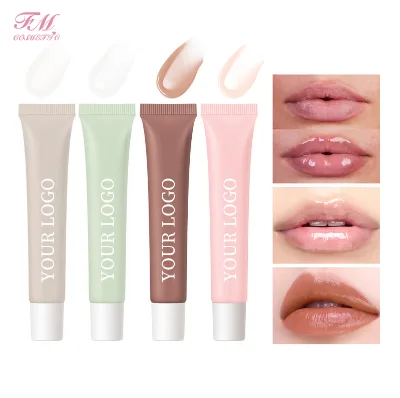
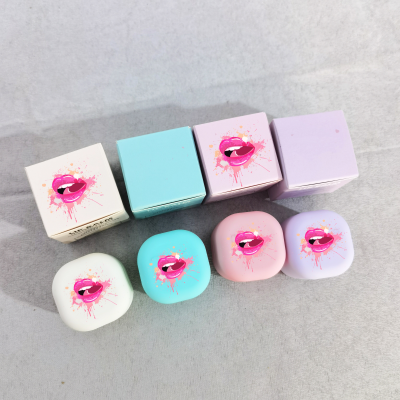
The first step in any sourcing strategy is defining the precise technical specifications required for the end product. Market data indicates a high degree of variation in form factors and dimensions. Buyers should expect to encounter products categorized by specific shapes, including square and round configurations. The material composition is predominantly plastic, with specific references to Polypropylene (PP) tubes. When evaluating size specifications, the market presents a wide array of options ranging from small capacity units of 3g and 3.8g to larger formats such as 4.5g, 5g, and 15g.
Furthermore, the closure mechanism is a critical technical differentiator. The "Snap on" sealing type is a common specification for Lip Balm tubes, ensuring product integrity during transit and storage. The product models identified in current listings, such as LB-04, LB-06, and BN-PC, suggest that manufacturers often utilize specific alphanumeric codes to denote distinct mold designs or capacity levels. Additionally, the form of the product itself varies; while many listings describe the product as a paste or gel, others specify a pencil form, which dictates different manufacturing and packaging requirements.
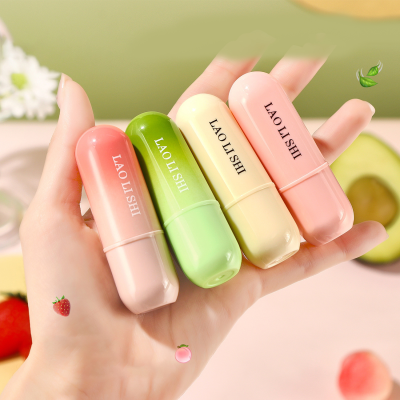
Buyers must also consider the customization capabilities of potential suppliers. The market data confirms that customization is available, allowing for tailored solutions regarding color, shape, and branding. The "Any Colour" attribute suggests a broad palette is accessible, while "Multi-Colored" options exist for specific aesthetic requirements. Packaging standards also vary, with options including paper cartons, trade cartons, and custom configurations involving pallets. It is essential to verify that the chosen packaging aligns with the logistical needs of the supply chain, particularly for bulk shipments.
Compliance, Certification, and Regulatory Standards
In the cosmetics industry, compliance is not merely a suggestion but a prerequisite for market entry. When sourcing Lip Balm products, buyers must rigorously verify the certifications held by the manufacturer. The observed market data highlights several key certifications, including ISO, GMP, and GMPC. These standards indicate that the facility adheres to specific quality management and manufacturing practices. For instance, the presence of ISO 9001, ISO 14000, and ISO 14001 suggests a commitment to both quality assurance and environmental management systems.
However, buyers should not assume that every listed product satisfies every certification. The presence of an ISO or GMP label on a specific listing indicates that the supplier claims adherence to that standard for that specific item. It is the buyer's responsibility to request valid, up-to-date certificates from the supplier before placing an order. The standard "SGS" is also mentioned, which typically refers to third-party inspection and testing services, though the specific scope of the SGS report must be confirmed.
Regulatory compliance extends beyond the manufacturer's facility to the product formulation itself. While some listings mention "Mineral" as a main ingredient, others list "Plastic" as the primary component, which refers to the packaging material rather than the cosmetic formulation. For finished Lip Balm products, buyers must ensure the formulation complies with the regulations of the target market, such as the FDA in the United States or the EU Cosmetic Regulation in Europe. The "Eco-Friendly" attribute observed in some listings indicates a potential for sustainable sourcing, but this claim requires verification through specific material data sheets or sustainability certifications.
Cost Drivers and Pricing Dynamics
Understanding the cost structure of Lip Balm procurement is vital for budgeting and margin analysis. The observed price range in the market is extensive, spanning from $0.03 to $420. This wide variance is likely driven by the distinction between raw packaging components and finished, branded cosmetic products. A unit price of $0.03 typically corresponds to a single empty tube or a basic packaging component, whereas the upper end of the range likely reflects finished goods with complex formulations, branding, and packaging.
The Minimum Order Quantity (MOQ) is another significant cost driver. The market data shows an MOQ range from 1 to 20,000 pieces. A specific listing indicates an MOQ of 10,000 pieces, which is common for custom-molded plastic packaging to amortize the cost of tooling. Conversely, lower MOQs of 1 piece may be available for standard, off-the-shelf items or for sampling purposes. Buyers must balance the need for inventory volume against the upfront capital required.
Other factors influencing cost include the complexity of the customization. Custom colors, specific shapes (square vs. round), and unique sealing types (snap on) may incur additional tooling or setup fees. The origin of the product, primarily identified as China (Mainland) with specific mentions of Shanghai and Jiangsu, also impacts pricing due to labor costs, logistics, and export regulations. Buyers should request detailed breakdowns of costs to understand the proportion of material, labor, and tooling expenses.
Typical Applications and Target Markets
Lip Balm products serve a variety of applications, ranging from basic moisturization to specialized cosmetic functions. The market data indicates that these products are primarily used for "Women" and "Female" demographics, with functions including "Make-up" and "Slimming." The "Slimming" application is particularly interesting, suggesting that some Lip Balm products may be part of a broader beauty regimen or have specific active ingredients intended for aesthetic enhancement.
The intended usage also varies. While the primary function is often "Lip" care, some listings specify "Mouth" usage, which may imply a broader oral care application or a specific formulation for lip health. The "Waterproof" function is another key attribute, indicating products designed for durability and long-lasting wear, which is crucial for makeup artists and consumers in humid environments.
The form of the product dictates its application method. Paste and gel forms are typically applied via a tube or stick, while pencil forms offer precision application. The "Hydrating" and "Cherry" descriptors suggest specific flavor or scent profiles that target consumer preferences. Buyers should align their product selection with the specific needs of their target demographic, ensuring that the product type (e.g., plastic Lip Balm tube vs. pencil) matches the intended use case.
Supplier Evaluation and Operational Capabilities
Selecting the right supplier requires a comprehensive evaluation of their operational capabilities and reliability. The supply chain for Lip Balm products often originates from specific regions in China, such as Shanghai and Jiangsu. These locations are hubs for manufacturing and logistics, offering access to a robust network of suppliers. However, buyers must verify the specific origin of the product to ensure it aligns with their sourcing strategy.
Lead times and delivery schedules are critical operational factors. The market data indicates delivery from Shanghai, but specific lead times are not universally standardized. Buyers should confirm the production lead time and shipping duration to ensure timely delivery. The "Customization" attribute implies that lead times may be longer for bespoke orders compared to standard stock items.
Supplier reliability can be assessed through their adherence to standards and certifications. A supplier claiming ISO 9001 or GMP certification should be able to provide documentation proving their compliance. Additionally, the "Eco-Friendly" attribute suggests a supplier's commitment to sustainability, which may be a differentiator in the current market. Buyers should also evaluate the supplier's packaging capabilities, as options range from simple paper cartons to complex custom pallet configurations.
Quality Control and Long-Term Procurement Strategy
Implementing a robust quality control (QC) process is essential for maintaining product integrity. Given the diverse range of specifications, from 3g to 15g capacities and various shapes, buyers must establish clear QC criteria. This includes verifying the material composition, ensuring the snap-on seals function correctly, and checking for any defects in the plastic or printing. Third-party inspection services, such as those indicated by the SGS standard, can provide an additional layer of assurance.
For long-term procurement, buyers should consider the scalability of their supplier relationship. The ability to handle large MOQs, such as 10,000 pieces, is crucial for businesses planning to scale. Additionally, the flexibility to customize products allows for adaptation to changing market trends. Buyers should also monitor the supply chain for potential disruptions, particularly regarding raw material availability and logistics.
Finally, buyers must maintain a clear understanding of the product lifecycle. From the initial design phase, involving specific model numbers like LB-04 or BN-PC, to the final delivery, every step requires careful management. By focusing on technical specifications, compliance, cost drivers, and supplier evaluation, buyers can navigate the complex Lip Balm market effectively. The goal is to secure a reliable supply of high-quality products that meet the specific needs of the target market while adhering to all regulatory and operational standards.
Comparative Analysis of Product Attributes
To facilitate decision-making, the following table summarizes key product attributes observed in the market, highlighting the diversity available to buyers.
| Attribute Category | Observed Options | Notes for Verification |
|---|---|---|
| Shape | Square, Round | Verify mold availability for custom shapes. |
| Material | Plastic, PP | Confirm specific polymer type for recycling compliance. |
| Size/Capacity | 3g, 3.8g, 4.5g, 5g, 15g | Ensure capacity matches regulatory labeling requirements. |
| Sealing Type | Snap on | Test seal integrity for leakage prevention. |
| Certifications | ISO, GMP, GMPC, SGS | Request valid certificates for each specific batch. |
| Customization | Available, Customized | Confirm lead time and tooling costs for custom orders. |
| Origin | China (Mainland), Shanghai, Jiangsu | Verify specific factory location for logistics planning. |
| Form | Paste, Gel, Pencil | Match form to intended application and dispensing method. |
This comparative overview underscores the importance of detailed specification checks. Buyers should not rely on general market descriptions but must verify each attribute against their specific project requirements. By doing so, they can mitigate risks and ensure a successful procurement outcome.
FAQs
What certifications are available for Lip Balm products?
Products often carry ISO, GMP, GMPC, and SGS certifications. Buyers must verify specific certificates for each batch, as not every listing satisfies all standards. Some suppliers also adhere to ISO 9001 and environmental management systems like ISO 14001.
Which shapes and materials are common for Lip Balm tubes?
Tubes typically come in square or round shapes made from plastic or PP. The market offers various sizes ranging from 3g to 15g. Customization is available for specific shapes and colors to meet unique branding requirements.
Can I find Lip Balm suppliers with low minimum order quantities?
Yes, MOQs range from 1 to 20,000 pieces depending on the product. Standard items may have lower limits, while custom-molded options often require 10,000 pieces. Buyers should check specific listings for exact volume requirements.
How is the sealing type determined for Lip Balm packaging?
The snap-on sealing type is a common specification for ensuring product integrity. This closure mechanism prevents leakage during transit. Buyers should confirm the seal functionality matches their logistical needs before placing bulk orders.
What is the typical delivery location for Lip Balm manufacturers?
Most suppliers operate from China, specifically Shanghai and Jiangsu. Delivery times vary based on customization and order volume. Buyers should confirm specific lead times and shipping schedules with the manufacturer before finalizing procurement.
Which product forms are available for Lip Balm procurement?
Products are available in paste, gel, and pencil forms. Each form dictates different manufacturing and packaging requirements. Buyers must select the form that aligns with their intended application and dispensing method.