Source Moisturizing Lip Plumping Gloss for Lip Makeup, Enhancement, and Plumping
Explore 30 options for Moisturizing Lip Plumping Gloss designed for lip makeup, enhancement, and plumping effects. Compare customizable formulas, certifications like GMPC and ISO, and various packaging styles from suppliers in China to find the right fit for your brand.
Key considerations
Products List




Comprehensive Sourcing Guide
Moisturizing Lip Plumping Gloss Sourcing Guide
Sourcing Moisturizing Lip Plumping Gloss requires a strategic balance between cosmetic efficacy and supply chain reliability. Buyers must navigate a market where product formulations vary significantly in active ingredients, such as hyaluronic acid or capsicum extract, which drive the plumping sensation. The primary objective is to secure a supplier who can consistently deliver high-quality liquid formulations that meet specific aesthetic and functional requirements. This involves evaluating not just the final product but the manufacturer’s ability to customize formulas for private labeling, ensuring the brand identity is preserved while maintaining product integrity.
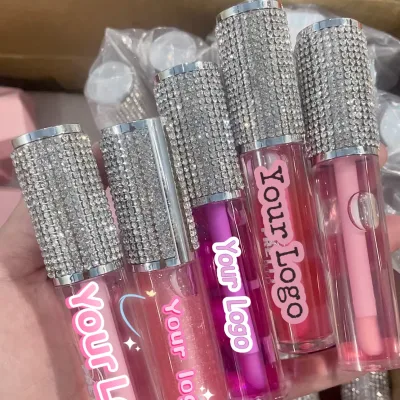
Procurement teams should focus on verifying the physical attributes of the gloss, including its color consistency, texture, and packaging durability. Observed listings indicate a wide range of options, from single-color matte finishes to multi-colored glossy effects, each requiring distinct quality control measures. Understanding the specific use case, whether for instant lip enhancement or long-wear hydration, is critical for selecting the right product model. Buyers must also consider the logistical aspects, such as packaging types ranging from simple paper boxes to complex color boxes with shrink film, which impact both shelf appeal and shipping efficiency.
Product Scope and Observed Listing Signals
The current market landscape for lip plumping glosses exhibits significant diversity in product specifications and customization options. Listings reveal a broad spectrum of models, including A-4, L01, RH457, LG023, LP, and ETA042, each associated with distinct packaging and standard sizes. For instance, some products are standardized at 3ml with specific ingredient profiles like hyaluronic acid, while others offer 4ml or 6.5ml volumes with customizable packaging solutions. This variability suggests that buyers are not limited to off-the-shelf items but can engage in deep customization, including private logo placement and tailored formula development, to meet unique brand positioning strategies.
Observed price points and minimum order quantities (MOQs) provide insight into the commercial flexibility available to purchasers. Prices generally range from $0.75 to $3.00 USD, with MOQs varying from as low as 50 pieces to as high as 12,000 units. This wide MOQ range accommodates both small-scale startups testing market response and large enterprises seeking bulk supply. The availability of customization, including formula adjustments and packaging designs, indicates that suppliers are equipped to handle bespoke orders. Buyers should leverage this flexibility to negotiate terms that align with their inventory management strategies and budget constraints, ensuring optimal cash flow and stock turnover.
Technical Specifications to Verify
Verifying technical specifications is paramount to ensuring the product meets functional expectations. Key attributes to confirm include the form, which is predominantly liquid, and the main ingredients, which may include mineral, chemical, or herbal components. Buyers must specifically check for the presence of active plumping agents, such as capsicum extract or hyaluronic acid, as these directly influence the product’s efficacy. Additionally, the color options, ranging from single-color matte finishes to multi-colored glossy shades, should be validated against brand guidelines. The waterproof function and instant effect claims are critical performance indicators that require empirical verification through sample testing to ensure they align with marketing promises.
Packaging and dimensional specifications also play a crucial role in the procurement process. Standard dimensions such as 2212cm or 3.52.812cm must be confirmed to ensure compatibility with existing distribution channels and retail displays. Packaging materials, including paper boxes, brown boxes, and color boxes with shrink film, should be assessed for durability and aesthetic appeal. Buyers should also verify the product model numbers, such as A-4 or L01, to trace specific formulation and packaging details. Ensuring that the physical attributes match the technical documentation prevents discrepancies between ordered samples and bulk shipments, safeguarding against potential quality issues.
Compliance and Safety Documentation
Compliance with international safety and manufacturing standards is non-negotiable for lip care products. Buyers must verify that suppliers hold relevant certifications, such as GMPC, ISO, MSDS, and FDA approvals, which indicate adherence to good manufacturing practices and safety protocols. These certifications are critical for ensuring that the products are safe for consumer use and meet regulatory requirements in target markets. The presence of MSDS documentation is particularly important for understanding the chemical composition and handling instructions, ensuring that the product can be safely transported and stored. Buyers should request copies of these certificates to validate the supplier’s compliance status before placing orders.
In addition to certifications, buyers should scrutinize the ingredient lists and formula transparency. The use of herbal, chemical, or mineral ingredients must be clearly disclosed to assess potential allergens or sensitivities. Suppliers should provide detailed ingredient profiles that comply with regional regulations, such as those enforced by the FDA or EU cosmetic directives. This transparency not only ensures safety but also supports marketing claims regarding natural or specialized formulations. Buyers must also verify that the production processes adhere to GMP standards, which are essential for maintaining product consistency and quality across batches.
Cost Drivers and Commercial Terms
Understanding the cost drivers behind lip plumping gloss pricing is essential for effective budget management. Key factors influencing cost include the complexity of the formula, the quality of raw materials, and the level of customization required. Products with specialized ingredients like hyaluronic acid or capsicum extract may command higher prices due to their perceived efficacy and cost of goods. Additionally, custom packaging solutions, such as branded color boxes or shrink film, add to the overall cost. Buyers should analyze these components to identify areas where cost savings can be achieved without compromising quality, such as standardizing packaging or negotiating bulk discounts.
Commercial terms, including lead times and payment conditions, significantly impact procurement planning. Observed lead times range from 25 to 35 days, which buyers must factor into their inventory planning to avoid stockouts. Negotiating favorable payment terms, such as partial upfront payments and balance upon shipment, can help manage cash flow. Buyers should also consider the impact of MOQs on pricing, as larger orders often result in lower unit costs. Clear communication regarding these terms with suppliers ensures alignment and prevents unexpected delays or costs, facilitating a smoother procurement process.
Supplier Qualification and Quality Control
Supplier qualification is a critical step in mitigating procurement risks. Buyers should conduct thorough due diligence to assess the supplier’s manufacturing capabilities, quality control processes, and track record. This includes verifying their certifications, such as GMPC and ISO, and inspecting their production facilities if possible. Evaluating their ability to provide consistent quality across batches is essential, as is their responsiveness to custom requests and after-sales service. Suppliers with a proven history of delivering high-quality products and meeting deadlines are preferable, as they reduce the risk of supply chain disruptions and quality issues.
Quality control measures should be integrated into the procurement process to ensure product consistency. Buyers should request pre-shipment samples to verify that the final product matches the agreed-upon specifications in terms of color, texture, and packaging. Implementing random sampling and testing during production can help identify and rectify issues early. Additionally, establishing clear quality standards and acceptance criteria in the purchase agreement provides a basis for resolving disputes. Regular audits and performance reviews of suppliers can further enhance quality assurance, ensuring that the procurement process remains robust and reliable.
Long-Term Procurement Checks
Long-term procurement success depends on continuous monitoring and relationship management with suppliers. Buyers should establish key performance indicators (KPIs) to track supplier performance, including on-time delivery rates, product quality consistency, and responsiveness to issues. Regular communication and feedback loops help maintain alignment and address any emerging challenges promptly. Building strong relationships with suppliers can lead to better pricing, priority service, and collaborative innovation, providing a competitive advantage in the market. Buyers should also stay informed about industry trends and regulatory changes to ensure ongoing compliance and product relevance.
Periodic reviews of the supply chain and product portfolio are essential to adapt to changing market demands. Buyers should evaluate the performance of different product models and formulations to identify opportunities for optimization or diversification. This includes assessing the popularity of specific features, such as waterproofing or instant plumping effects, and adjusting procurement strategies accordingly. Additionally, exploring new suppliers or alternative materials can mitigate risks associated with single-source dependencies. By maintaining a proactive approach to procurement, buyers can ensure a resilient and efficient supply chain that supports long-term business growth.
FAQs
What certifications do Moisturizing Lip Plumping Gloss products typically hold?
These products typically hold GMPC, ISO, MSDS, FDA, and GMP certifications. These credentials ensure manufacturing standards and safety compliance for international trade. Buyers should verify specific documentation for each supplier to confirm regulatory alignment with their target market requirements.
Can I customize the formula and packaging for this lip gloss?
Yes, customization is available for both formula and packaging. Suppliers offer customizable formulas and private logo options on paper boxes or color boxes. This allows brands to create unique products that align with their specific marketing strategies and brand identity requirements.
What is the typical MOQ for ordering Moisturizing Lip Plumping Gloss?
The typical MOQ is 50 pieces, though ranges extend up to 12,000 units. This flexibility supports both small trial orders and large-scale production runs. Buyers can negotiate specific quantities based on their inventory needs and budget constraints with verified manufacturers.
How long is the lead time for production?
The lead time is generally 25-35 days. This duration covers production, quality control, and packaging preparation. Buyers should plan their inventory schedules accordingly to ensure timely delivery and avoid stockouts during peak sales seasons for lip enhancement products.
What are the main ingredients in these lip plumping glosses?
Main ingredients include mineral, chemical, and herbal components. Specific formulations often feature hyaluronic acid and capsicum extract for instant plumping effects. These ingredients provide hydration and volume enhancement, catering to diverse consumer preferences for natural or synthetic cosmetic benefits.
What packaging options are available for bulk orders?
Packaging options include paper boxes, brown boxes, color boxes with shrink film, and customized packaging. These choices allow for brand differentiation and product protection. Suppliers can tailor packaging to meet specific retail requirements or private label branding needs effectively.