Find Makeup Powder for Face, Cosmetic, and Industrial Uses
Explore 30 Makeup Powder options to compare specifications, certifications, and pricing. This guide helps buyers evaluate materials and applications for both cosmetic and industrial needs, ensuring suitable choices for diverse requirements; compare the available evidence and request quotations based on your requirements.
Key considerations
Products List


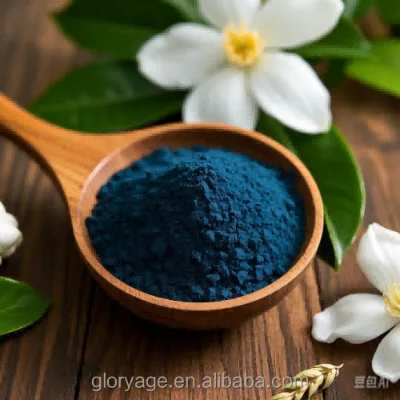


Wholesale Compact Face Private Label Waterproof Makeup Setting Pressed Powder
$0.70 - $1.50
MOQ: 2000 pieces


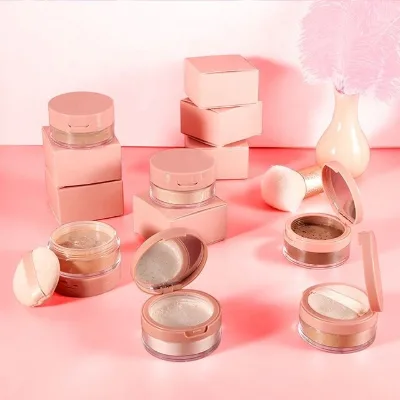
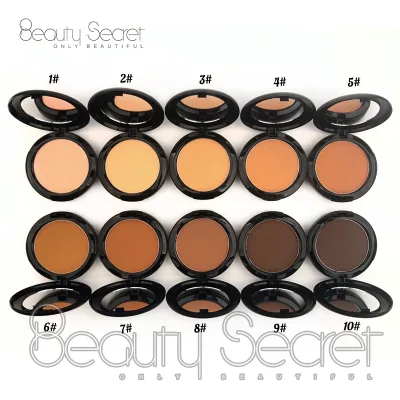
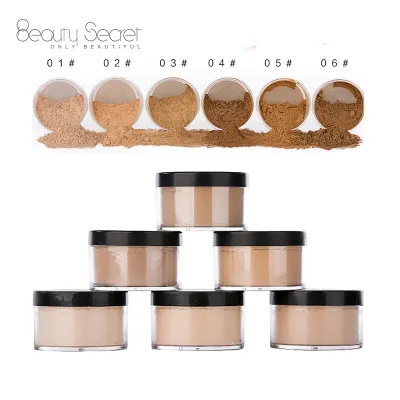
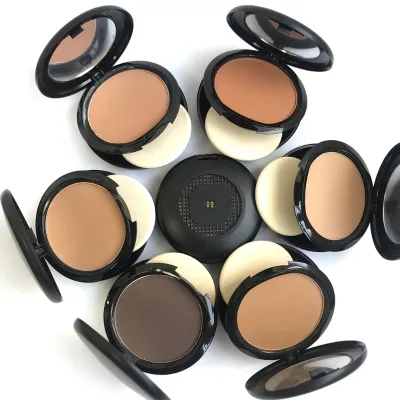

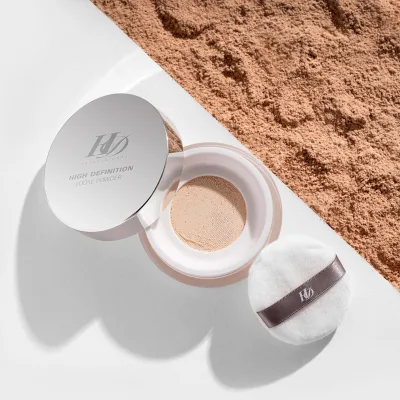
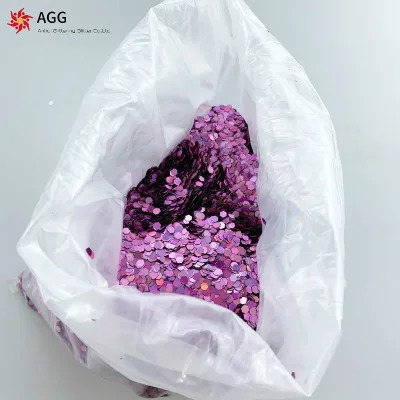
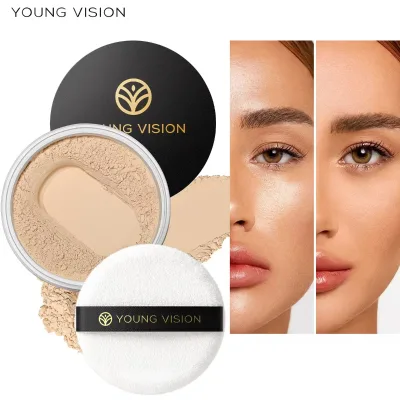


Hot Selling Pravite Label Makeup Powder Blush Loose Powder Blusher with Puff
$0.98 - $1.90
MOQ: 12000 Pieces


Comprehensive Sourcing Guide
Makeup Powder Sourcing Guide
Procuring Makeup Powder requires a disciplined approach to verifying product identity, safety, and commercial viability. Buyers must distinguish between cosmetic-grade powders intended for direct skin application and industrial-grade materials used in manufacturing processes. The observed market data indicates a wide range of product types, including soft face makeup powders, multi-color matte concealers, and food-grade talc alternatives. Understanding these distinctions is critical for aligning supplier capabilities with your specific end-use requirements.
The sourcing landscape includes both finished consumer products and raw material inputs. For instance, listings may describe items as "Soft Face Makeup Powder" or "New Multi Color Matte Concealer," indicating finished goods ready for retail. Conversely, other entries reference "Food Grade Talc Powder" or mineral pigments with specific dosages, suggesting raw materials for formulation. Buyers must clearly define whether they are purchasing a finished SKU or a component for their own production line. This clarity prevents miscommunication regarding packaging, labeling, and regulatory responsibilities during the initial inquiry phase.
Product Scope and Observed Listing Signals
The observed listings reveal a diverse scope of Makeup Powder products, ranging from single-item retail packs to bulk industrial supplies. Specific product models, such as "L01" and "Gp-Blue," suggest standardized SKUs that may be available in consistent batches. Attributes like "Soft, Easy to Apply Colors" and "High Coverage, Long Lasting" highlight key performance metrics that buyers should request sample testing for. These descriptive signals help narrow down suppliers who can meet specific aesthetic and functional requirements for face makeup applications.
Packaging and unit specifications also provide critical insights into the supplier's operational focus. Listings indicate packing options such as "Box" for retail units and "25 Kg Per Color" for bulk industrial orders. The presence of "Non-Disposable" attributes and specific dimensions like "2212cm" or "21X28X4 cm" allows buyers to assess logistics costs and storage requirements. Furthermore, the observation of "Selling Units: Single item" versus bulk weights helps determine if the supplier is better suited for e-commerce fulfillment or large-scale manufacturing procurement.
Technical Specifications to Verify
Buyers must rigorously verify the physical and chemical properties of the powder to ensure it meets formulation standards. Key attributes to confirm include the main ingredients, such as "Mineral, Herbal," or specific compounds like "Maltodextrin, Gardenia Florida Extract." The pH value is a critical parameter, with observed ranges of "4.0~7.0" indicating suitability for sensitive skin applications. Additionally, solubility characteristics, such as "Insolubility," must be verified to ensure the powder behaves correctly in the intended product matrix, whether it is a dry powder or a suspended liquid.
Particle size and texture are equally important for user experience and application performance. Descriptions like "Soft" and "Easy to Apply" suggest a fine particle distribution, which should be confirmed through sieve analysis or laser diffraction testing. Buyers should also verify the color consistency, as listings mention a wide spectrum including "Purple, White, Black, Brown, Yellow, Green, Red." Ensuring that the pigment or dye function is stable and that the product maintains its "Long Lasting" properties under various environmental conditions is essential for quality assurance.
Compliance and Safety Documentation
Regulatory compliance is a non-negotiable aspect of sourcing cosmetic powders, particularly for international markets. The observed certifications include "ISO," "GMPC," "MSDS," "FDA," "GMP," and "REACH." Buyers must request current copies of these certificates to verify that the supplier maintains valid accreditation. For example, FDA registration is crucial for products entering the United States, while REACH compliance is mandatory for the European Union. Verifying that the "Cosmetic Grade" material meets these standards prevents potential legal liabilities and supply chain disruptions.
Safety data sheets (MSDS) must be reviewed to understand handling, storage, and emergency procedures. The observed storage instructions, such as "Keep container unopened in cool, dry place, Keep away from heat & light," provide specific guidance on maintaining product integrity. Buyers should also confirm the shelf life, with observed values of "36 months" or "3 year," to plan inventory rotation effectively. Ensuring that the product is free from prohibited substances and that all labeling complies with local regulations is a fundamental step in the qualification process.
Cost Drivers and Commercial Terms
The cost of Makeup Powder is influenced by several factors, including raw material quality, packaging complexity, and order volume. The observed price range of $0.59 to $318.75 reflects the diversity in product types, from low-cost bulk pigments to premium finished cosmetics. Buyers should analyze the cost structure to understand which components drive the price, such as the use of "Herbal" ingredients versus synthetic alternatives. Negotiating terms based on the "MOQ" (Minimum Order Quantity), which ranges from 1 to 12,000 units, allows for better cost efficiency for larger procurement volumes.
Commercial terms must be clearly defined to avoid disputes over payment, delivery, and liability. Buyers should clarify whether the price includes packaging, such as "Box" or "25 Kg Per Color," and whether customization options are available. The "After-Sales-Service" attribute indicates that suppliers may offer support for quality issues, which should be documented in the contract. Understanding the "Single gross weight" of 0.030 kg for individual items helps in calculating shipping costs accurately. Clear communication on these terms ensures a transparent and predictable procurement process.
Supplier Qualification and Quality Control
Qualifying a supplier involves assessing their manufacturing capabilities, quality control systems, and track record. Buyers should request samples to evaluate the "Soft" texture and "High Coverage" performance of the powder. Verifying that the supplier can maintain consistent "Color" and "Function" across batches is crucial for brand integrity. The observed "Brand" names, such as "Golden Monkey" and "Gloryage," suggest that suppliers may offer private label options, which requires additional verification of their branding and packaging capabilities.
Quality control protocols should be reviewed to ensure that every batch meets the specified standards. Buyers can request third-party inspection reports or conduct on-site audits to verify the supplier's adherence to "GMP" and "ISO" standards. Checking the "Shelf life" and "Storage" conditions during the audit helps confirm that the supplier maintains proper environmental controls. Establishing a robust quality control framework with the supplier ensures that the Makeup Powder consistently meets the required specifications and safety standards.
Long-Term Procurement Checks
Establishing a long-term partnership with a Makeup Powder supplier requires ongoing monitoring and strategic planning. Buyers should regularly review the supplier's performance metrics, including on-time delivery rates and defect rates. Maintaining open communication channels allows for quick resolution of any issues that may arise during production or logistics. The "Customization: Available" attribute suggests that suppliers can adapt to changing market demands, which is beneficial for long-term collaborations.
Sustainability and ethical sourcing are increasingly important considerations for B2B procurement. Buyers should verify that the supplier adheres to ethical labor practices and environmental standards. The "Natural" type attribute and "Herbal" ingredients may appeal to consumers seeking eco-friendly products, which can be a competitive advantage. Regularly updating the supplier's compliance documentation and conducting periodic audits ensures that the partnership remains aligned with evolving regulatory and market expectations.
FAQs
What certifications are available for Makeup Powder products?
Makeup Powder products are available with ISO, GMPC, MSDS, FDA, GMP, and REACH certifications. These credentials ensure compliance with international safety and quality standards for cosmetic and industrial applications. Buyers can verify these documents to confirm regulatory adherence for specific markets and product types.
Can Makeup Powder be customized for specific brand requirements?
Yes, customization is available for Makeup Powder products. Suppliers offer tailored solutions including specific packaging formats like boxes or 25 kg bags, and custom formulations. This allows brands to align product attributes with their unique identity and functional needs while maintaining quality standards.
What is the typical MOQ for Makeup Powder orders?
The minimum order quantity for Makeup Powder ranges from 50 pieces to 12,000 units depending on the supplier and product type. Standard cosmetic items may start at 50 pieces, while bulk industrial or specialized powders often require higher volumes. Buyers should confirm exact MOQs with specific vendors.
Where are Makeup Powder products primarily manufactured?
Makeup Powder products are primarily manufactured in China, with specific origins noted in Guangxi and Taiwan. These regions provide established supply chains for cosmetic and industrial powders. Buyers can filter suppliers by these locations to align with logistical preferences or regional sourcing strategies.
What are the main ingredients in cosmetic Makeup Powder?
Main ingredients include mineral and herbal components, talc powder, maltodextrin, and Gardenia Florida Extract. Some products also feature silicone-based materials for texture. These ingredients are selected for their safety, coverage, and compatibility with various skin types, ensuring effective cosmetic performance.
How long is the shelf life of Makeup Powder?
The shelf life of Makeup Powder is typically 36 months or 3 years when stored properly. Products should be kept in unopened containers in cool, dry places away from heat and light. This storage condition preserves the integrity of ingredients like mineral extracts and pigments.