Source Lithium Battery PP Separator for power tools, EVs, and medical devices
Find 30 verified listings for Lithium Battery PP Separator with thickness from 10-30um and pore sizes tailored for high-rate applications. Compare technical specs including porosity and tensile strength from suppliers in China.
Key considerations
Products List
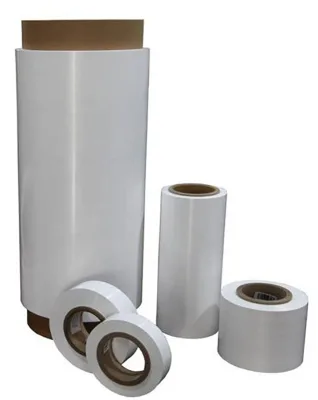
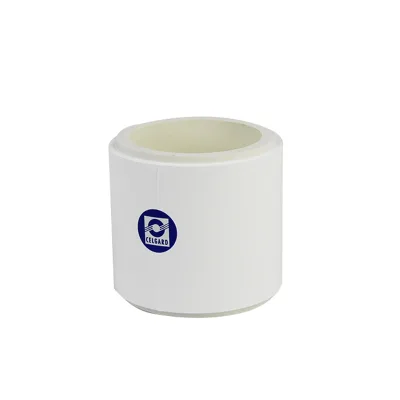
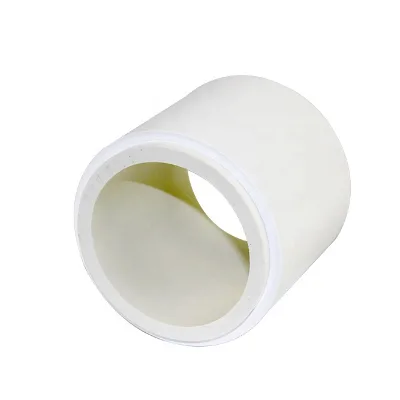
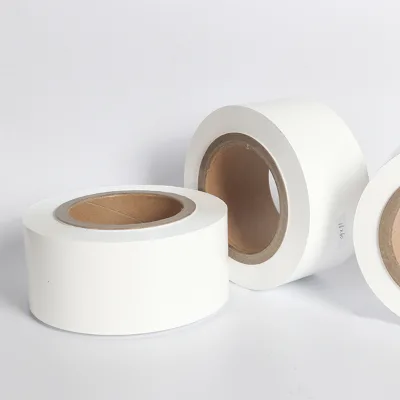
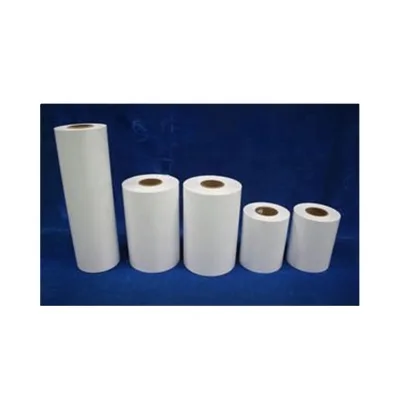


Battery Separator PP PE Separator for Lithium Ion Battery Making
$1.70 - $2.00
MOQ: 5000 Square Meters

Battery Material Polypropylene Film PP/PE Separator for Lithium Ion Battery Separator
$1.70 - $2.00
MOQ: 5000 Square Meters
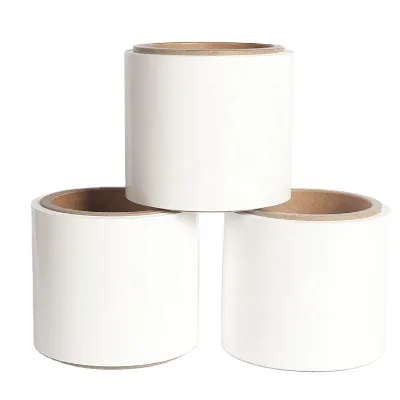


Battery Separator for Lithium Battery Materials Lithium Battery Separator
$160.00 - $200.00
MOQ: 1 Rolls


Comprehensive Sourcing Guide
Strategic Sourcing Guide for Lithium Battery PP Separators
Understanding the Technical Landscape of Polypropylene Separators
The lithium battery polypropylene (PP) separator serves as a critical component within the electrochemical cell, functioning primarily to isolate the cathode and anode electrodes while maintaining ionic conductivity. In the context of procurement, understanding the specific material composition is paramount. The supplied market data indicates that the core material for these components is often listed as PP, PE, or composite structures such as PP/PE/PP. Some listings also reference advanced variants like Celgard or ceramic-coated separators, suggesting a diverse supply chain capable of meeting various performance tiers. The primary application identified for these separators includes primary lithium batteries designed for high-rate and low-temperature capability, which necessitates rigorous selection criteria regarding material stability and thermal resistance.
When evaluating the physical specifications of a PP separator, buyers must scrutinize the thickness and pore size, as these parameters directly influence the battery's internal resistance and safety profile. The observed market data presents a thickness range of 10-30 micrometers, with specific instances noted at 25 micrometers and 25±2 micrometers. This variance implies that different manufacturers may cater to distinct cell designs, ranging from high-energy density thin-film applications to more robust, thicker separators for industrial use. Furthermore, the pore size is a critical metric for electrolyte uptake and ion transport. While specific numerical values in the data appear as "u x u 0.209 x 0.054," the general requirement for a functional separator is a uniform pore structure that prevents dendrite penetration while allowing lithium-ion flow.
The mechanical integrity of the separator is equally vital. The data highlights tensile strength in the transverse direction (TD) with a value of ≥1000 kgf/cm², indicating a requirement for high mechanical robustness to withstand winding and stacking processes without tearing. Additionally, puncture strength is listed as ≥260g, a crucial safety metric that ensures the separator can resist physical damage from sharp anode particles or manufacturing debris. Buyers should verify that the specific lot of separators they procure meets these mechanical thresholds, as failure in these areas can lead to internal short circuits and thermal runaway.
Compliance, Certification, and Material Standards
In the B2B procurement of lithium battery components, compliance with industry standards is non-negotiable. The supplied information explicitly references "Electron Grade" as the grade standard for certain products, a designation that implies a high level of purity and consistency required for electronic applications. This classification suggests that the material must be free from metallic impurities and other contaminants that could degrade battery performance or cause self-discharge. When sourcing, buyers must request documentation confirming that the product adheres to this Electron Grade standard or an equivalent industry-recognized purity specification.
The concept of "Purity" is further emphasized in the product attributes, where the material is described simply as "separator," yet the context of lithium battery manufacturing demands absolute cleanliness. Buyers should verify the supplier's quality management systems to ensure that the production environment maintains the necessary cleanliness levels to prevent foreign matter inclusion. While specific certification bodies are not listed in the provided data, the presence of a "machinery test report" as a provided attribute indicates that reputable suppliers should be able to furnish third-party or internal validation reports confirming the physical and chemical properties of the separator.
Furthermore, the thermal stability of the PP separator is a key compliance factor. The data notes a thermal shrinkage in the machine direction (MD) of ≤2%, a figure that is critical for preventing cell deformation during high-temperature operation or abuse conditions. This specific numerical range serves as a benchmark; buyers must ensure that the supplier's product consistently meets or exceeds this thermal stability requirement. If a supplier cannot provide test data confirming thermal shrinkage within this limit, the risk of cell failure during thermal cycling increases significantly. Additionally, the warranty period of 1 Year mentioned in the data suggests a confidence level in the product's longevity, which buyers should consider as a baseline expectation for supplier reliability and product durability.
Cost Drivers and Economic Factors in Procurement
The economics of sourcing lithium battery PP separators are influenced by several variables, including material composition, production complexity, and order volume. The observed price range in the market spans from $0.05 to $336, a wide disparity that likely reflects differences in product form factors, such as roll dimensions, coating technologies, or composite structures. A separator priced at the lower end of this spectrum may be a standard, uncoated PP film, while the higher end could represent specialized ceramic-coated or multi-layered composites like PP/PE/PP.
Minimum Order Quantity (MOQ) is another significant cost driver. The data indicates an MOQ range of 1 to 5000 units, suggesting that suppliers cater to both prototyping needs and large-scale industrial production. For buyers seeking to minimize inventory costs, suppliers with lower MOQs may be preferable, though this often comes at a higher unit price. Conversely, large-scale procurement can leverage economies of scale to reduce the per-unit cost, but it requires a commitment to higher volume orders. The single package size varies from 10x10x10 cm to 30x20x15 cm, which impacts logistics and shipping costs. Buyers must calculate the total landed cost, including freight, by considering the density and dimensions of the packaging.
The weight of the product is also a factor in shipping economics. Listings show weights ranging from 5 kg to 68 kg per package, with a single gross weight of 3.000 kg noted for smaller units. These variations affect freight classification and costs. Additionally, the "Selling Units" are listed as "Single item," which may imply that the pricing structure is flexible or that the product is sold in custom configurations rather than fixed standard packs. Buyers should negotiate based on the total volume of material required rather than just the number of packages to optimize cost efficiency.
Typical Applications and Performance Requirements
The application of lithium battery PP separators is diverse, ranging from consumer electronics to industrial energy storage. The supplied data specifically identifies the application as "Primary Lithium Batteries for high rate and low temperature capability." This indicates that the separators must maintain structural integrity and ionic conductivity under extreme conditions. High-rate capability requires a separator with low internal resistance, facilitated by optimal porosity and pore size. The data lists porosity values ranging from 35-50% and 55%, suggesting that different formulations are available to balance mechanical strength with ionic transport efficiency.
For high-rate applications, the separator must allow for rapid ion movement without compromising safety. A porosity of 55% might be ideal for maximizing conductivity, while a range of 35-50% could offer a better balance for applications requiring higher mechanical strength. The Gurley number, a measure of air permeability and thus porosity, is listed with values of 9 seconds and 250±30s/100ml. These figures highlight the variability in product specifications; a lower Gurley number indicates higher porosity and faster ion flow, which is desirable for high-power applications. Buyers must align the Gurley specification with their specific battery design requirements to ensure optimal performance.
The "Use" attribute explicitly states the function is to "isolate the cathode and anode electrodes," a fundamental requirement that applies to all lithium battery types. However, the specific demands of primary batteries for low-temperature operation necessitate a separator that does not become brittle or crack in cold environments. The thermal shrinkage limits and tensile strength requirements mentioned earlier are directly relevant to this application. Additionally, the "Nominal Capacity" and "Nominal Voltage" are listed as "99999+" in the data, which appears to be a placeholder or generic entry rather than a specific technical specification. Buyers should disregard these generic entries and instead focus on the actual capacity and voltage ratings of the battery system they are designing, ensuring the separator is compatible with the specific electrochemical system.
Supplier Evaluation and Verification Protocols
Selecting the right supplier for lithium battery PP separators requires a rigorous evaluation process that goes beyond price comparison. The data indicates that products originate from specific regions in China, including Shandong and Guangdong. While these regions are known for manufacturing, buyers should verify the specific factory capabilities and quality control processes of the supplier. The presence of a "machinery test report" is a positive indicator, suggesting that the supplier has the infrastructure to perform and document quality checks. Buyers should request these reports to verify that the product meets the stated specifications for thickness, porosity, and mechanical strength.
The "Brand Name" listed as "gelon" in the data provides a reference point for brand recognition, but buyers should not rely solely on brand reputation. Instead, they should conduct a comprehensive audit of the supplier's production lines, raw material sourcing, and quality assurance protocols. The "Warranty" of 1 Year is a contractual commitment that buyers should evaluate in the context of the supplier's financial stability and track record. A supplier offering a warranty demonstrates confidence in their product's consistency and durability.
Furthermore, the "Supply" attributes list "lithium battery material," "lithium battery equipment," and "thermal battery materials," indicating that some suppliers may offer a broader range of products. While this can be advantageous for supply chain consolidation, buyers must ensure that the supplier's expertise in separators is not diluted by a focus on other product lines. The ability to provide custom solutions, such as cutting the separator to specific widths (e.g., 60.5±0.2mm), is another critical evaluation criterion. Buyers should assess the supplier's flexibility in meeting custom width and thickness requirements, as standard sizes may not always align with specific battery designs.
Quality Control and Long-Term Procurement Strategy
Implementing a robust quality control (QC) strategy is essential for maintaining the reliability of lithium battery production. The data highlights several key QC metrics, including thickness tolerance (25±2um), width tolerance (60.5±0.2mm), and thermal shrinkage limits (≤2%). Buyers should establish a QC protocol that includes incoming inspection of these parameters for every batch received. The use of statistical process control (SPC) can help monitor consistency over time and detect deviations before they impact production.
Long-term procurement considerations involve building a resilient supply chain that can adapt to market fluctuations and technological advancements. The "Model Number" variations, such as "pvc battery separator," "GN-PE separator," and "GN-PP/PE," suggest that suppliers may have different product lines or naming conventions. Buyers should standardize their internal part numbers and specifications to avoid confusion and ensure compatibility across different batches. The "Packing" method, described as "Carton Box battery separator," should be evaluated for its ability to protect the product during transit and storage, especially given the sensitivity of separator materials to moisture and physical damage.
Finally, buyers should consider the "Core Components" and "Machinery Test Report" as indicators of the supplier's technical maturity. A supplier that provides detailed test reports and has a clear understanding of the core components of their product is more likely to be a reliable long-term partner. By focusing on these technical and procedural aspects, buyers can mitigate risks and ensure a steady supply of high-quality PP separators that meet the demanding requirements of modern lithium battery applications. The combination of precise technical specifications, verified quality controls, and a clear understanding of cost drivers will enable buyers to make informed decisions and secure a competitive advantage in the lithium battery market.
FAQs
What is the typical thickness of lithium battery pp separators?
The typical thickness ranges from 10 to 30 micrometers, with specific models available at 25 micrometers. Buyers should verify the exact tolerance, such as 25±2 micrometers, to ensure compatibility with their specific battery cell design requirements.
Which material compositions are available for these separators?
Available materials include PP, PE, and composite structures like PP/PE/PP or ceramic separators. Some listings also reference Celgard variants, allowing buyers to select based on specific thermal and mechanical performance needs.
How does porosity affect separator performance in high-rate batteries?
Porosity values typically range from 35% to 55%, directly influencing ionic conductivity and internal resistance. Higher porosity like 55% supports high-rate capability, while lower ranges may offer enhanced mechanical strength for specific applications.
Can these separators operate in low-temperature environments?
Yes, they are designed for primary lithium batteries requiring high-rate and low-temperature capability. The material must maintain structural integrity and prevent brittleness in cold conditions while ensuring consistent ion transport.
What is the minimum order quantity for sourcing these separators?
The minimum order quantity ranges from 1 to 5000 units depending on the supplier and product configuration. Buyers can find options for prototyping with low MOQs or bulk industrial orders to optimize per-unit costs.
Where are the primary manufacturing locations for these products?
Products originate from major manufacturing hubs in China, specifically Shandong and Guangdong provinces. Buyers should verify the specific factory location to assess logistics, lead times, and regional supply chain capabilities.
What certifications or grade standards apply to these separators?
Some products meet the Electron Grade standard, ensuring high purity and low metallic impurities. Buyers should request machinery test reports to confirm compliance with these quality and safety specifications before procurement.