Source LNG Cryogenic Storage Tank for Gas, Industry, Energy
Compare 30 verified listings for LNG Cryogenic Storage Tank options tailored for gas, chemical industry, and energy applications. Buyers can evaluate specifications, materials, and pricing to find suitable low-temperature storage solutions; compare the available evidence and request quotations based on your requirements.
Key considerations
Products List


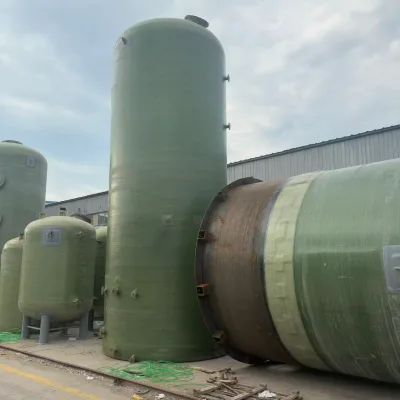


Efficient LNG Cryogenic Storage Tank for Distributed Energy Systems Support
$23000.00 - $28000.00
MOQ: 1 Sets

Durable Cryogenic Tank for Long Term Liquid Nitrogen Storage and Application
$23000.00 - $28000.00
MOQ: 1 Sets


Comprehensive Sourcing Guide
LNG Cryogenic Storage Tank Sourcing Guide
Procuring low-temperature storage and transportation equipment requires a rigorous evaluation of material integrity and insulation performance. Buyers must prioritize vessels designed for liquefied gas applications, ensuring the outer shell material, such as Q245r steel, meets structural demands. The core function is to serve as a storage pressure vessel capable of maintaining cryogenic conditions, which necessitates verifying the specific model numbers like CFL(W)-5 or CFL(W)-200 to align with site capacity needs.
Insulation technology is the primary determinant of operational efficiency in these systems. Buyers should confirm the use of perlite powder vacuum insulation to minimize heat ingress and reduce boil-off rates. It is critical to distinguish between different tank materials, as some listings may reference fibreglass or stainless steel components for specific parts, while the main vessel relies on metal construction. Understanding these material distinctions prevents specification errors during the initial sourcing phase.
Product Scope and Observed Listing Signals
The market presents a wide range of capacities, from small 5 m³ units to large 200 m³ industrial tanks. Listings often display working pressures ranging from 0.8 MPa to 2.5 MPa, indicating varying design intensities for different storage requirements. Buyers should observe that models such as CFL(W)-60-0.8/1.26/1.44 suggest specific pressure and dimension combinations. These numerical identifiers are essential for matching the tank to existing pipeline infrastructure and safety relief systems.
Packaging and origin details provide insight into the supplier’s logistical capabilities. Products are frequently described as being made in China, with origins in regions like Hebei or Qingdao. Packaging methods vary from nude packing with raincloth to anti-collision or seaworthy packing, which directly impacts transit safety. Buyers must verify if the supplier offers customization for colors or specific dimensions, as standard models may not fit unique site constraints without modification.
Technical Specifications to Verify
Working pressure ratings are a critical technical parameter that must align with process safety requirements. Buyers should verify if the tank supports pressures of 0.8, 1.6, 2.2, or 2.5 MPa, as exceeding design limits can lead to catastrophic failure. The type of construction, often described as braze welding or standard welding, affects the integrity of the joints. It is essential to confirm that the welding process meets the specific stress conditions of the stored liquefied gas.
Dimensional standards and volume capacities must be cross-referenced with site layout plans. Some specifications list dimensions such as 2.65 meters by 5 meters, while others denote volume standards like 50 m³ or 60 m³. Buyers should ensure that the physical footprint of the tank allows for adequate maintenance access and safety zones. Additionally, surface treatments like powder coating or smooth finishes should be evaluated for corrosion resistance in outdoor or harsh industrial environments.
Compliance and Safety Documentation
Certification status is non-negotiable for cryogenic storage equipment. Buyers must verify that the product holds relevant certifications, such as GB standards, which are common for domestic Chinese manufacturing. International projects may require ASME or API compliance, so documentation must explicitly state adherence to these frameworks. Without clear certification evidence, the tank may not be approved for installation in regulated industrial zones or energy sectors.
Design standards provide the legal and engineering baseline for safety. Listings may reference API 650 or APIGB standards, which govern the design and fabrication of steel tanks. Buyers should request detailed design calculations and material test reports to ensure these standards are genuinely applied. Compliance with ISO9001 or ISO14001, while often mentioned, should be treated as background quality management indicators rather than direct product safety certifications.
Cost Drivers and Commercial Terms
Pricing for LNG tanks varies significantly based on capacity, material thickness, and insulation complexity. Observed price ranges can span from $60 to $120,000, reflecting the difference between small auxiliary vessels and large primary storage units. Buyers should analyze cost drivers such as the working pressure rating and the specific outer shell material grade. Higher pressure ratings typically require thicker walls and more rigorous testing, increasing the base cost.
Minimum order quantities and payment terms influence the total procurement budget. Some suppliers list an MOQ of 10 pieces, while others may accept single-item orders for customized units. Buyers should negotiate clear terms regarding packaging costs, which can be substantial for seaworthy or anti-collision requirements. Understanding the selling unit structure helps in calculating the landed cost, including freight and insurance, for international shipments.
Supplier Qualification and Quality Control
Supplier capabilities in processing services like cutting and bending indicate their ability to handle custom modifications. Buyers should assess whether the supplier offers customized model numbers or standard designs, as this affects lead times and flexibility. The brand name, such as RUNLIN, may signal a specific manufacturer’s reputation, but buyers must verify the actual production facility’s quality control processes.
Quality assurance extends to surface treatment and material verification. Smooth surface treatments and powder coating should be inspected for uniformity to prevent premature corrosion. Buyers should request evidence of material certifications for the Q245r outer shell and stainless steel components. Ensuring that the supplier adheres to high-quality standards reduces the risk of defects that could compromise the tank’s cryogenic performance over its operational lifespan.
Long-Term Procurement Checks
Maintenance requirements and insulation longevity are key factors in the total cost of ownership. Buyers should inquire about the expected performance of the perlite powder vacuum insulation over time. Degradation of insulation can lead to increased boil-off rates and higher operational costs. Establishing a maintenance schedule for the outer shell and pressure relief devices is essential for safe long-term operation.
Supplier support for future repairs and part replacements should be evaluated during the sourcing phase. Buyers must confirm the availability of spare parts and technical support for the specific model purchased. Clear documentation of the tank’s design standards and material specifications facilitates easier maintenance by third-party engineers. Proactive planning for these long-term needs ensures continuous compliance and operational efficiency.
FAQs
What materials are used for lng cryogenic storage tanks?
These tanks are constructed using metal, stainless steel, or fibreglass materials. The outer shell often utilizes Q245r steel, while insulation relies on perlite powder vacuum technology. This combination ensures durability and effective thermal retention for liquefied gas storage applications.
Which certifications apply to lng cryogenic storage tanks?
Manufacturers typically adhere to GB and ISO standards for production quality. Specific design standards include GB150 and ASME, ensuring compliance with international safety requirements. Some products also reference API standards for pressure vessel construction and operational safety in industrial settings.
Can lng cryogenic storage tanks be customized for specific needs?
Yes, customization is available for various tank specifications and colors. Buyers can request specific models like CFL(W)-50 or 200 cubic meters. Processing services such as cutting and bending allow for tailored solutions to meet unique industrial or chemical industry storage requirements effectively.
How is the LNG Cryogenic Storage Tank packed for shipping?
Packaging options include nude packing, raincloth with nylon mesh, or anti-collision packaging. Seaworthy packing is also utilized to ensure safe transport. These methods protect the metal tank structure during transit, maintaining the integrity of the low-temperature storage equipment until delivery.
What is the working pressure range for these storage tanks?
The working pressure ranges from 0.8 to 2.5 MPa depending on the model. Specific configurations support pressures of 0.8, 1.6, 2.2, or 2.5 MPa. This flexibility allows the equipment to handle various liquefied gas applications safely across different industrial sectors requiring high-pressure storage solutions.
Where are lng cryogenic storage tanks manufactured?
These tanks are made in China, with origins in Hebei and Qingdao regions. The production facilities ensure high-quality standards for new condition equipment. Buyers can source directly from these locations for various models ranging from 5 to 200 cubic meters capacity.