Source Living Room Wardrobe for Home, Office, and Hotel
Explore 30 options for a Living Room Wardrobe designed for modern spaces. Buyers can compare sliding and hinged door mechanisms, custom sizes, and wooden materials from Chinese factories to find the right storage solution.
Key considerations
Products List


Wardrobe Bedroom Furniture Wardrobe Bedroom Wardrobe Clothes Organizer Wardrobe
$599.00 - $2999.00
MOQ: 2 sets


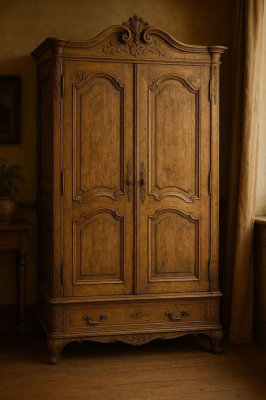


Bedroom Furniture Corner Wardrobe Closet Bedroom Clothset Wardrobe
$72.00 - $75.95
MOQ: 1 Square Meters

Top Selling Wardrobe Design Wardrobe with Mirror Storage Wardrobe
$72.00 - $75.95
MOQ: 1 Square Meters

$72.00 - $75.95
MOQ: 1 Square Meters


Comprehensive Sourcing Guide
Living Room Wardrobe Sourcing Guide
Sourcing living room wardrobes requires a nuanced understanding of how these pieces function as both storage solutions and focal points in residential and commercial interiors. Unlike traditional bedroom closets, living room wardrobes often serve dual purposes, blending aesthetic appeal with practical utility in high-traffic areas. Buyers must recognize that these units are frequently customized to fit specific spatial constraints and design themes, ranging from modern minimalist panels to more elaborate sliding-door configurations. The procurement process involves evaluating not just the physical dimensions, but also the material integrity, door mechanisms, and the supplier’s ability to deliver consistent quality across large orders.
The market for these furniture items is characterized by a wide variance in pricing, material choices, and customization levels. Observations from current listings indicate a price range spanning from approximately $48 to $3,999 USD, reflecting the diversity from simple, single-door cabinets to complex, multi-door wardrobe systems. Minimum Order Quantities (MOQs) typically range from 1 to 100 units, offering flexibility for both small-scale interior designers and large-scale hotel or apartment developers. Understanding these market signals is crucial for budgeting and negotiating terms, as the final cost is heavily influenced by the degree of customization, the choice of wood materials, and the complexity of the door mechanisms employed.
Product Scope and Observed Listing Signals
The product scope for living room wardrobes encompasses a variety of designs, including sliding door, hinged door, and mirrored configurations, catering to diverse interior styles such as modern and contemporary aesthetics. Listings frequently highlight specific models like the Honsoar wardrobe, TS-W-116, and HF-TW108, each offering distinct features such as three-door or two-door setups, and varying overall weights from 48kg to 166kg. These variations suggest that buyers can source everything from compact, single-door units suitable for small apartments to substantial, multi-door cabinets designed for larger living spaces or hotel suites. The materials predominantly cited are wood and wooden panels, with finishes ranging from grey to customized colors, allowing for seamless integration into existing decor schemes.
Observed listing signals also reveal significant flexibility in packaging and assembly options, which directly impacts logistics and installation costs. Products are available in carton and pallet packaging, flat-packed with polyfoam, or as assembled units, with some listings specifying standard export packages or mailbox-style packaging for smaller items. This diversity in packaging solutions allows buyers to optimize for shipping efficiency and damage prevention, particularly when sourcing from China, where many of these units originate. Additionally, the availability of CAD/3D design services indicates that suppliers are equipped to handle custom projects, providing visualizations that help buyers verify fit and style before production begins, thereby reducing the risk of mismatched expectations.
Technical Specifications to Verify
When evaluating technical specifications, buyers must prioritize the verification of dimensions, door mechanisms, and material composition to ensure the wardrobe meets both functional and aesthetic requirements. Specifications such as size customization, door types (sliding, hinged, or mirrored), and overall product weight are critical factors that influence the usability and stability of the unit. For instance, sliding door mechanisms offer space-saving benefits in narrow rooms, while hinged doors provide easier access to the interior. Buyers should also verify the wood style, such as panel construction, and confirm whether the finish is standardized or customizable, as these details affect the durability and visual appeal of the final product.
It is equally important to assess the structural integrity and assembly requirements of the wardrobe, as these factors impact long-term maintenance and installation ease. Specifications like folded versus unfolded states, and the inclusion of mirrored doors, add complexity to the design and may require additional handling precautions during shipping. Buyers should request detailed technical drawings or 3D models to verify clearances, hinge placements, and internal shelving configurations. Furthermore, confirming the origin of the materials and the manufacturing process, such as whether the unit is produced in a factory in China, helps in assessing the quality control standards and potential supply chain risks associated with the procurement.
Compliance and Safety Documentation
Compliance and safety documentation are essential components of the procurement process, ensuring that the living room wardrobes meet relevant environmental and safety standards. Buyers should verify that the wood materials used are sourced responsibly and treated with finishes that comply with international regulations for formaldehyde emissions and other volatile organic compounds (VOCs). Although specific certification statuses are not always listed in initial product descriptions, buyers must request documentation such as FSC certification for wood sourcing or CARB Phase 2 compliance for composite wood products to mitigate health risks and ensure regulatory adherence in their target markets.
Additionally, safety standards related to furniture stability and structural integrity must be addressed, particularly for wardrobes that may be used in environments with children or in high-traffic commercial settings. Buyers should inquire about anti-tip kits, secure mounting hardware, and the overall stability of the unit when loaded. It is also crucial to verify that the finishes and coatings used on the wardrobe are non-toxic and durable, resisting scratches and wear over time. By prioritizing these compliance aspects, buyers can protect their brand reputation and ensure the safety of end-users, while also avoiding potential legal issues related to non-compliant products.
Cost Drivers and Commercial Terms
Cost drivers for living room wardrobes are multifaceted, influenced by material costs, customization levels, packaging requirements, and logistics. The choice of wood, the complexity of the door mechanisms, and the inclusion of features like mirrored doors or custom colors significantly impact the final price. Buyers should also consider the packaging method, as flat-packed units may offer shipping cost savings but require more assembly labor, while assembled units may incur higher freight costs due to increased volume. Understanding these cost drivers allows buyers to make informed decisions about where to allocate their budget, balancing aesthetic preferences with financial constraints.
Commercial terms, including MOQs, payment terms, and lead times, play a crucial role in the procurement strategy. With MOQs ranging from 1 to 100 units, buyers have the flexibility to place smaller orders for testing or larger orders for bulk purchases, depending on their inventory needs. It is advisable to negotiate clear payment terms, such as a deposit followed by balance upon shipment, and to establish realistic lead times based on the complexity of the order and the supplier’s production capacity. Additionally, buyers should clarify responsibilities for shipping, insurance, and customs clearance to avoid unexpected costs and delays, ensuring a smooth transaction from order placement to delivery.
Supplier Qualification and Quality Control
Supplier qualification is a critical step in ensuring the reliability and consistency of Living Room Wardrobe procurement. Buyers should conduct thorough due diligence on potential suppliers, verifying their manufacturing capabilities, quality control processes, and track record in the furniture industry. This includes assessing the supplier’s factory conditions, production equipment, and workforce expertise, as well as reviewing their history of fulfilling orders similar in scale and complexity to the buyer’s requirements. Suppliers that offer CAD/3D design services and have a proven ability to handle customized orders are often better equipped to meet specific buyer needs and deliver high-quality products.
Quality control measures should be established early in the procurement process to minimize the risk of defects and ensure that the final products meet the agreed-upon specifications. Buyers should implement pre-shipment inspections, focusing on critical aspects such as material quality, finish consistency, door mechanism functionality, and packaging integrity. It is also advisable to request samples before placing large orders to evaluate the product’s quality firsthand and identify any potential issues. By maintaining open communication with the supplier and establishing clear quality standards, buyers can build a strong partnership that ensures consistent product quality and timely delivery.
Long-Term Procurement Checks
Long-term procurement checks involve continuous monitoring of supplier performance, product quality, and market trends to ensure sustained success in sourcing living room wardrobes. Buyers should regularly review supplier metrics, such as on-time delivery rates, defect rates, and responsiveness to issues, to identify areas for improvement and address any recurring problems promptly. Additionally, staying informed about emerging design trends, material innovations, and regulatory changes in the furniture industry allows buyers to adapt their procurement strategies and maintain a competitive edge in the market.
It is also important to establish a feedback loop with end-users and internal stakeholders to gather insights on product performance and customer satisfaction. This feedback can inform future design choices, material selections, and supplier evaluations, helping buyers refine their procurement processes and enhance the value of their offerings. By maintaining a proactive approach to long-term procurement checks, buyers can build resilient supply chains, foster strong supplier relationships, and deliver high-quality living room wardrobes that meet the evolving needs of their customers.
FAQs
Can I customize the size and color of the Living Room Wardrobe?
Yes, you can customize the size and color of the Living Room Wardrobe. The product specifications indicate that both size and color are available as customized options to meet specific design requirements.
What materials are used to construct these living room wardrobes?
These living room wardrobes are primarily constructed from wood materials. The product details specify that the material is wood, with some listings noting optional material choices for different needs.
Which door mechanisms are available for the Living Room Wardrobe?
Available door mechanisms include sliding and hinged options. Some models feature sliding doors with mirrored surfaces, while others utilize hinged doors, offering flexibility in design and space usage.
How is the Living Room Wardrobe packed for shipping?
The Living Room Wardrobe is packed in cartons and pallets or flat-packed with polyfoam. Packaging options vary by model, including standard export packages or mailbox packages designed for safe transport.
What is the origin location of these living room wardrobes?
The origin location of these living room wardrobes is China. All listed products are manufactured in factories located in China, ensuring consistent production standards for export.
Can the Living Room Wardrobe be used in offices and hotels?
Yes, the Living Room Wardrobe can be used in offices and hotels. The application scope includes dining areas, hotels, apartments, office buildings, and hospitals, making it versatile for various commercial settings.