Source LNG Liquid Gas Vaporizer for Medical, Electronic, and Gas Manufacturing
Compare 30 LNG Liquid Gas Vaporizer units from verified Chinese manufacturers. These systems support applications in medical, electronic, and gas manufacturing sectors with customizable sizes and working pressures up to 25MPa.
Key considerations
Products List


Factory of LNG Gasification Station Ambient Vaporizer LNG Vaporizer
$10000.00 - $20000.00
MOQ: 1 Pieces


Air Temperature Vaporizer Gasifying Cryogenic Liquid Oxygen Nitrogen CO2 LNG
$1000.00 - $5500.00
MOQ: 1 Pieces

Cryogenic Liquid Nitrogen Oxygen Air Ambient Vaporizer for Pressurizing Gas
$1000.00 - $5500.00
MOQ: 1 Pieces

100nm3/H High Pressure Liquid Oxygen Air Ambient Vaporizer for Gas Station
$1000.00 - $5500.00
MOQ: 1 Pieces


300nm3/H Best Price Liquid Oxygen/ Natural Gas/ Nitrogen/ Argon Ambient Gas Vaporizer
$500.00 - $3000.00
MOQ: 1 Pieces
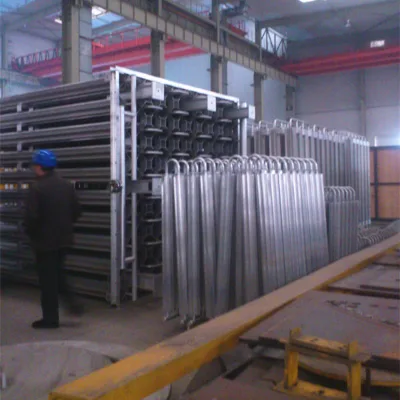
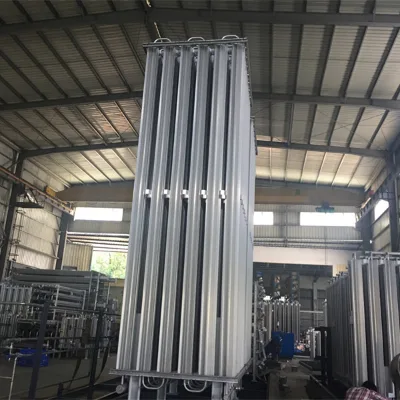


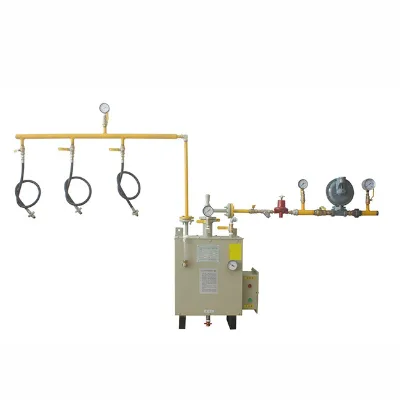
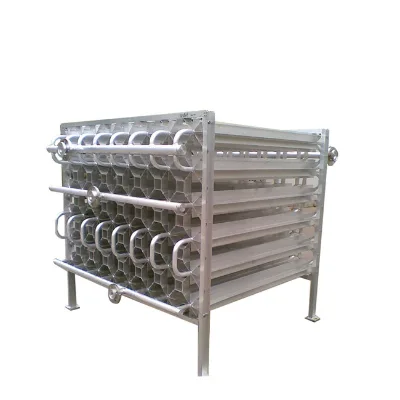

Liquefied Carbon Dioxide, Nitrogen, LNG, Oxygen, Argon 1000 Ambient Air Vaporizer
$1300.00 - $5000.00
MOQ: 1 Pieces
Comprehensive Sourcing Guide
Strategic Sourcing Guide for LNG Liquid Gas Vaporizers
Understanding Technical Specifications and Performance Metrics
When sourcing an LNG Liquid Gas Vaporizer, buyers must first establish a clear understanding of the core technical specifications that define the equipment's capability and suitability for their specific operational environment. The market presents a diverse array of configurations, ranging from small-scale units to large industrial systems. A critical observation from current product listings indicates that vaporizing capacities can vary significantly, with observed ranges spanning from 50 to 5000 cubic meters per hour. This wide spectrum suggests that procurement strategies must be highly tailored to the specific throughput requirements of the facility, whether it serves a small distribution station or a major industrial processing plant.
The working pressure of the vaporizer is another fundamental parameter that dictates the system's design and safety requirements. Available data points highlight working pressures of 3MPa, 16.5MPa, or 25MPa, indicating that these units are engineered to handle high-pressure scenarios typical of LNG distribution and industrial gas applications. The working medium is explicitly identified as a mix of cryogenic fluids, including Liquid Oxygen (Lo2), Liquid Nitrogen (Ln2), Liquid Argon (Lar), Carbon Dioxide (CO2), and Liquid Natural Gas (LNG). This versatility requires the equipment to be constructed from materials capable of withstanding extreme thermal gradients and corrosive environments.
Material selection is paramount in this context. Stainless steel is the predominant material cited for these units, offering the necessary durability and resistance to low-temperature embrittlement. The physical dimensions of the machinery also vary, with some units described as having a "Medium" size and specific standard dimensions noted as 1500x950x1000mm, while others offer customized sizes to fit unique site constraints. Furthermore, the principle of operation often involves a mixing heat exchanger mechanism, which is essential for efficient thermal transfer from the ambient air or heated medium to the cryogenic liquid. Buyers should verify that the specific model selected, such as those identified by model numbers like SMC-800/250 or QHZ, aligns with the required production rate, which can reach up to 99.99% purity in gas manufacturing applications.
Compliance, Certification, and Regulatory Standards
Navigating the regulatory landscape is a non-negotiable aspect of sourcing industrial gas equipment. Compliance ensures that the vaporizer meets international safety standards and can be legally operated in various jurisdictions. The product data indicates a strong presence of ISO and CE certifications among available units. These certifications are critical markers of quality and safety, suggesting that the manufacturer adheres to specific European and international standards regarding design, manufacturing, and performance.
The CE marking, in particular, is a mandatory conformity mark for products sold within the European Economic Area, indicating that the vaporizer meets health, safety, and environmental protection standards. Similarly, ISO certification implies that the manufacturer operates under a certified quality management system, which is vital for ensuring consistent product quality and traceability. Buyers must not assume that every listed product possesses these certifications; instead, they should request valid certificates for the specific batch or model being procured.
In addition to general certifications, buyers should verify adherence to specific industry standards regarding pressure vessels and gas handling equipment. While some listings mention "ordinary" standards, others specify "Customized Size" or specific dimensional standards like 1500x950x1000mm. It is essential to confirm that the equipment complies with local regulations regarding high-pressure gas systems, which often exceed the general standards. The presence of a Machinery Test Report provided by the supplier is a significant indicator of due diligence, offering documented evidence that the unit has undergone rigorous testing before shipment. Buyers should insist on reviewing these reports to validate pressure ratings, leak tests, and thermal performance metrics before finalizing any purchase.
Cost Drivers and Financial Considerations
The financial landscape of LNG vaporizer procurement is influenced by several dynamic factors beyond the base unit price. The observed price range in the market spans from 500 to 20,000 USD, a variation that reflects differences in capacity, material quality, customization levels, and included features. A unit with a capacity of 50 cubic meters per hour will naturally command a different price point compared to a 5000 cubic meter per hour industrial unit. Therefore, buyers must align their budget with their specific throughput needs to avoid over-specifying or under-specifying the equipment.
Material costs play a substantial role in the final pricing. The use of stainless steel, while essential for performance, is a significant cost driver compared to carbon steel alternatives. Additionally, the complexity of the design, such as the inclusion of advanced mixing heat exchangers or high-pressure ratings (up to 25MPa), adds to the manufacturing cost. Customization is a key factor; while some units come in standard sizes, the availability of "Customized Size" options allows for tailored solutions but often incurs a premium. Buyers should evaluate whether the cost of customization justifies the operational efficiency gains or space-saving benefits for their specific site.
Other cost considerations include packaging and logistics. The product listings indicate various packing methods, including wooden cases, wooden boxes, and pallets. The choice of packaging affects the shipping cost and the risk of damage during transit. Wooden packing is frequently mentioned, which is robust but adds weight and volume to the shipment. Furthermore, the lead time of 25 days for delivery is a critical factor in the total cost of ownership. Longer lead times can delay project timelines and increase carrying costs, while expedited shipping options may incur additional fees. Buyers should also consider the Minimum Order Quantity (MOQ), which appears to be flexible with a range of 1-1, allowing for the procurement of single units without the need for bulk buying, though this may impact the per-unit cost compared to larger orders.
Typical Applications and Operational Context
LNG vaporizers serve a critical function across a broad spectrum of industries, primarily focused on gas manufacturing and purification. The primary application fields identified include medical and electronic sectors, where high-purity gases are essential for sensitive processes. In the medical field, the reliable vaporization of oxygen, nitrogen, and argon is crucial for patient care and surgical applications. Similarly, in the electronic industry, the purity and stability of the gas supply are vital for semiconductor manufacturing and other high-tech processes.
Beyond these specialized sectors, the vaporizers are extensively used in general gas manufacturing and purification. The ability to handle a wide range of working media, including LNG, CO2, and various noble gases, makes these units versatile for industrial gas plants. The specific purpose of these machines often involves the conversion of liquid gas to gaseous form at a controlled rate, ensuring a steady supply for downstream processes. The "Air heated vaporizer" style, for instance, is designed to utilize ambient air to facilitate this phase change, making it an energy-efficient solution for many applications.
The operational context also dictates the choice of vaporizer. For instance, units with a "Low" noise level are preferred in environments where acoustic pollution must be minimized, such as near residential areas or in indoor facilities. The "New" condition of the equipment is a standard expectation, but buyers should verify the condition of any refurbished units if they are considering alternative options. The application of these vaporizers extends to liquid pressurization functions, where the device not only vaporizes the gas but also pressurizes it for distribution. This dual functionality is particularly valuable in systems where the gas needs to be transported over long distances or stored in high-pressure tanks.
Supplier Evaluation and Due Diligence
Selecting the right supplier is as important as selecting the right equipment. Given that the origin of these products is primarily China, buyers should conduct thorough due diligence to ensure the supplier's reliability and capability. The presence of a "High Productivity" key selling point suggests that the manufacturer focuses on efficiency, but this claim should be validated through references and past performance data. Buyers should look for suppliers who provide a Machinery Test Report, as this demonstrates a commitment to quality control and transparency.
The customization capabilities of the supplier are another critical evaluation criterion. The availability of "Customization" as a feature indicates that the supplier can adapt the equipment to specific client needs. However, buyers must assess the supplier's engineering capabilities to ensure they can deliver on these customizations without compromising safety or performance. The "Wooden Packing" and "Pallets" options suggest that the supplier has experience in logistics, but buyers should verify the packaging standards to ensure the equipment arrives in pristine condition.
Lead time is a significant factor in supplier evaluation. A standard delivery time of 25 days is a benchmark that buyers should use to compare against other potential suppliers. Delays in delivery can have cascading effects on project schedules, so it is essential to confirm the supplier's ability to meet this timeline consistently. Additionally, buyers should inquire about the supplier's after-sales support, including maintenance services and the availability of spare parts, to ensure long-term operational continuity. The "Parts" listed, such as filters and valves, should be compatible with the main unit and easily replaceable to minimize downtime.
Quality Control and Long-Term Procurement Strategy
Ensuring the long-term reliability of LNG vaporizers requires a robust quality control strategy. The "Machinery Test Report" provided by suppliers is a key document in this process, offering insights into the unit's performance under various conditions. Buyers should review these reports to verify that the vaporizer meets the specified pressure ratings, flow rates, and purity levels. The "Production Rate" of 99.99% or 100% mentioned in some listings is a critical metric that must be validated through independent testing or third-party verification.
For long-term procurement, buyers should consider the maintenance requirements and the availability of spare parts. The "Parts" category includes filters and valves, which are consumable items that will need replacement over time. Ensuring a steady supply of these parts is essential for maintaining the efficiency of the vaporizer. The "Condition" of the equipment should be "New" to minimize the risk of early failures, but buyers should also inquire about the warranty terms and the supplier's policy on defective units.
The "Standard" of the equipment, whether "ordinary" or "Customized Size," should align with the buyer's long-term operational goals. Customized solutions may offer better integration with existing systems but could come with higher maintenance costs. Buyers should also consider the "Noise Level" and "Working Pressure" in the context of their site's safety regulations and environmental impact assessments. A "Low" noise level is preferable for reducing environmental impact, while the correct "Working Pressure" ensures the system operates within safe limits.
Finally, buyers should establish a clear communication channel with the supplier for ongoing support. The "Delivery Time" of 25 days is a starting point, but buyers should negotiate terms that allow for flexibility in case of supply chain disruptions. By focusing on these quality control measures and long-term considerations, buyers can ensure that their investment in LNG vaporizers delivers consistent performance and value over the lifespan of the equipment.
Summary of Key Procurement Parameters
To facilitate a structured decision-making process, the following table summarizes the critical parameters observed in the market for LNG liquid gas vaporizers. This comparison highlights the variability in specifications and helps buyers identify the most relevant options for their specific needs.
| Parameter | Observed Range / Options | Relevance to Procurement |
|---|---|---|
| Vaporizing Capacity | 50 - 5000 m³/hour | Determines throughput capability and unit sizing. |
| Working Pressure | 3MPa, 16.5MPa, 25MPa | Critical for safety and system compatibility. |
| Material | Stainless Steel | Ensures durability and resistance to cryogenic temps. |
| Certifications | ISO, CE | Mandatory for regulatory compliance and safety. |
| Customization | Available / Customized Size | Allows tailoring to specific site constraints. |
| Lead Time | 25 Days | Impacts project scheduling and inventory planning. |
| Packing | Wooden Case, Wooden Box, Pallets | Affects shipping costs and damage risk. |
| Application Fields | Medical, Electronic, Gas Manufacturing | Defines the purity and operational requirements. |
| Working Medium | LNG, Lo2, Ln2, Lar, CO2 | Ensures compatibility with the intended gas type. |
By carefully evaluating these parameters and adhering to the outlined sourcing strategies, buyers can make informed decisions that align with their operational requirements and safety standards. The diversity of options available in the market allows for a tailored approach, ensuring that the selected LNG vaporizer delivers optimal performance and reliability.
FAQs
What certifications do lng liquid gas vaporizers typically have?
Available units often carry ISO and CE certifications. These marks indicate compliance with international safety and quality standards, though buyers should verify specific certificates for the batch being procured.
How much does an LNG Liquid Gas Vaporizer cost?
The observed price range spans from 500 to 20,000 USD. Costs vary significantly based on capacity, material quality like stainless steel, and whether the unit requires customization for specific site constraints.
Which working pressures can these vaporizers handle?
Units are engineered for working pressures of 3MPa, 16.5MPa, or 25MPa. This high-pressure capability ensures suitability for LNG distribution and industrial gas applications requiring robust safety margins.
Can I customize the size of the vaporizer?
Customization is available for size and specifications to fit unique site constraints. While standard dimensions like 1500x950x1000mm exist, buyers can request tailored solutions, often at a premium cost.
What is the typical delivery time for these units?
The standard delivery time is 25 days. Buyers should confirm this timeline with the supplier, as lead times can impact project schedules and total cost of ownership.
How much gas can the vaporizer process per hour?
Vaporizing capacities range from 50 to 5000 cubic meters per hour. This wide spectrum allows selection for small distribution stations or major industrial processing plants depending on throughput needs.