Source Longlife Car Coolant for Engine Cooling, Radiator Protection, and Winter Antifreeze
SourcingX helps buyers compare Longlife Car Coolant listings from manufacturers offering ethylene glycol-based formulas in multiple colors and volumes. Review freezing and boiling points, packing formats, MOQ terms, OEM options, and delivery times to find a supplier that fits your market.
Key considerations
Products List


Car Care Anti-Corrosion Long Life Cooling System Engine Radiator Coolant
$0.50 - $0.62
MOQ: 1200 Pieces

Anti-Boil Long Life Cooling System Engine Radiator Coolant for Car Care
$0.50 - $0.62
MOQ: 1200 Pieces


Long Life Engine Radiator Car Cooling System Coolant Antifreeze Whosale Price
$0.50 - $0.62
MOQ: 1200 Pieces


Anti Rust Anti Corrosion Radiator Cooling System Coolant Car Radiator Coolant
$2.90 - $3.30
MOQ: 6000 Pieces


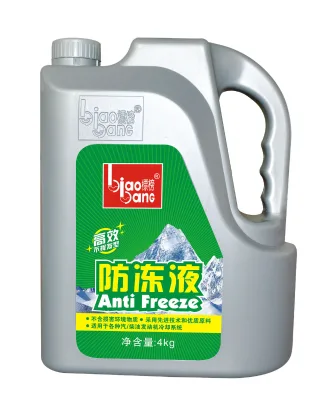


$0.70 - $0.90
MOQ: 5000 Pieces

Comprehensive Sourcing Guide
Longlife Car Coolant Sourcing Guide
Procuring Longlife Car Coolant requires a disciplined approach that balances chemical performance with supply chain reliability. This guide synthesizes observed market signals and technical requirements to help buyers navigate the complexities of sourcing automotive radiator fluids. By focusing on verified specifications and commercial terms, procurement teams can mitigate risks associated with product inconsistency and regulatory non-compliance.
The following sections provide a structured framework for evaluating suppliers, verifying technical data, and establishing robust quality control protocols. Buyers are encouraged to treat observed listing attributes as starting points for verification rather than guaranteed specifications. This evidence-based approach ensures that the final product meets the specific thermal and corrosion protection needs of modern engine architectures.
Product Scope and Observed Listing Signals
The current market for Longlife Car Coolant presents a diverse range of product configurations, primarily driven by volume packaging and chemical formulation. Observed listings indicate a strong preference for liquid formulations packaged in plastic bottles, with common standard packings including 4L cartons containing four pieces, 1L packs of twelve, and bulk options like 2L or 5L configurations. These packaging standards suggest that suppliers are catering to both retail distribution channels and direct fleet maintenance operations, requiring flexibility in unit sizing to accommodate different logistical needs.
Chemical composition is a critical differentiator in this category, with glycol identified as the primary mother liquor component. The product is explicitly categorized as an antifreeze coolant designed for long-life applications, featuring color variations such as green, red, and blue to distinguish between different chemical technologies. Buyers should note that while "eco-friendly" and "no harm" attributes are listed, these are general marketing claims that require substantiation through specific safety data sheets and environmental certifications rather than accepting them at face value during initial screening.
Technical Specifications to Verify
Thermal performance is the primary functional requirement for any radiator coolant, and buyers must verify freezing and boiling points against their operational environment. Observed data points to freezing points ranging from -10°C to -60°C, with specific models citing -35°C as a benchmark, while boiling points are generally reported above 100°C, with some listings specifying 107°C. These ranges indicate that suppliers offer products tailored to various climatic conditions, and procurement teams must match the specific freezing point requirement to the geographic location of vehicle deployment to prevent engine damage during extreme weather.
Beyond thermal metrics, physical and chemical properties such as flash point, vapor density, and water solubility provide insight into handling safety and mixing compatibility. A flash point of 116°C and a vapor density of 2.2 relative to air are specific observations that inform storage and transportation protocols, indicating that the product is flammable under high heat and heavier than air, which affects ventilation requirements in storage facilities. Additionally, the product is described as soluble in water, which is standard for glycol-based coolants, but buyers should confirm the recommended dilution ratios and compatibility with existing cooling system materials to avoid precipitation or corrosion issues.
Compliance and Safety Documentation
Regulatory compliance is non-negotiable in the automotive fluid sector, and buyers must demand comprehensive documentation before finalizing orders. Observed listings mention certifications such as ISO, GS, RoHS, and CE, which suggest adherence to international quality management and environmental standards. However, the presence of these marks on a product page does not guarantee current validity for every batch; buyers must request valid, up-to-date certificates and verify that the testing laboratory is accredited. The mention of SGS test reports further underscores the need for independent verification of chemical composition and performance metrics.
Safety data sheets (SDS) are essential for understanding the hazards associated with handling and storage. While specific hazard statements are not detailed in the observed data, the classification of the product as a liquid coolant with a defined flash point necessitates a thorough review of the SDS for first-aid measures, fire-fighting procedures, and accidental release containment. Buyers should also verify the expiration date, which is observed to be three years, to ensure that the inventory turnover rate aligns with the product’s shelf life, preventing degradation of the antifreeze properties due to age.
Cost Drivers and Commercial Terms
Pricing in the Longlife Car Coolant market is influenced by volume, customization, and packaging complexity. The observed price range is broad, spanning from $0.30 to $1450, which reflects the difference between single-unit samples, small bulk orders, and large-scale industrial contracts. Minimum order quantities (MOQ) vary significantly, with some listings requiring as few as one piece for samples and others demanding up to 7500 pieces for standard production runs. Buyers must align their order volume with the supplier’s tiered pricing structure to optimize cost efficiency, keeping in mind that lower MOQs often come with a premium per-unit cost.
Commercial terms such as delivery time and payment conditions are critical for supply chain planning. Observed lead times range from 15 to 25 days after payment, indicating that production and logistics are not instantaneous and require advance planning. Payment terms are described as negotiable, which provides an opportunity for buyers to secure favorable conditions, such as letters of credit or partial payments, depending on the supplier’s trust level and the order size. Additionally, the availability of free samples allows buyers to conduct preliminary quality checks without significant financial commitment, reducing the risk of large-scale procurement errors.
Supplier Qualification and Quality Control
Supplier qualification extends beyond basic certification checks to include an assessment of manufacturing capabilities and quality assurance processes. The observed data identifies suppliers as manufacturers based in China, specifically in Guangdong and Guangzhou, which are known hubs for automotive fluid production. Buyers should verify the supplier’s production capacity and consistency, ensuring that they can maintain uniform quality across large batches. The mention of OEM/ODM availability suggests that suppliers are capable of custom formulations, but buyers must establish clear technical specifications and approval processes to ensure the final product meets their exact requirements.
Quality control should be embedded into the procurement process through rigorous incoming inspection and periodic third-party testing. Buyers should require batch-specific test reports that verify key parameters such as freezing point, boiling point, and pH level. The option for sample testing is a valuable tool for initial validation, but it should not replace ongoing quality monitoring. Establishing a clear protocol for handling non-conforming products, including return policies and liability clauses, is essential for maintaining supply chain integrity and protecting the buyer’s brand reputation.
Long-Term Procurement Checks
Sustainable procurement practices require regular review of supplier performance and product relevance. The automotive industry is evolving, with new engine technologies and environmental regulations constantly changing the requirements for coolant formulations. Buyers should stay informed about updates in industry standards and ensure that their suppliers are capable of adapting to these changes. The observation that some products offer "update methods by internet" suggests a potential for digital integration in supply chain management, which could facilitate real-time tracking of order status and product information.
Long-term relationships with suppliers should be built on transparency, mutual benefit, and continuous improvement. Buyers should conduct periodic audits of supplier facilities and quality management systems to ensure ongoing compliance with agreed-upon standards. Additionally, maintaining a diversified supplier base can mitigate risks associated with supply disruptions or price volatility. By focusing on strategic partnerships rather than transactional purchases, buyers can secure a reliable supply of high-quality Longlife Car Coolant that supports the operational needs of their vehicle fleets.
FAQs
What is the freezing point of this Longlife Car Coolant?
The freezing point ranges from -10°C to -60°C depending on the specific formulation. Some variants are rated at -35°C, ensuring protection against extreme cold conditions for various engine types.
Can I get this coolant with custom packaging options?
Yes, customization is available for this product line. Buyers can select from various packing configurations such as 4L cartons or 1L bottles to suit their specific distribution and storage requirements.
Which certifications does the manufacturer hold for this coolant?
The product holds ISO, GS, RoHS, and CE certifications. These standards ensure the coolant meets international safety and quality requirements for automotive applications and environmental compliance.
How long is the delivery time for bulk orders?
The standard delivery time is 15 to 20 days after payment confirmation. Some specific orders may require up to 25 days depending on the volume and current production schedule.
What is the minimum order quantity for this coolant?
The minimum order quantity is 2000 pieces for standard orders. However, the general MOQ range observed across listings varies from 1 to 7500 pieces depending on the specific supplier and product model.
Where is this Longlife Car Coolant manufactured?
The product originates from China, specifically from Guangzhou and Guangdong regions. These locations are known for their established manufacturing capabilities in automotive fluids and chemical production.