Source Long Straight Cut Synthetic Lawn for Sports, Landscaping, and Recreation
Compare 30 listings for Long Straight Cut Synthetic Lawn designed for soccer fields, gardens, and playgrounds. Options include PP and PE materials with heights from 25mm to 35mm, offering durable, UV-resistant turf for various outdoor applications; compare the available evidence and request quotations based on your requirements.
Key considerations
Products List

High Density 35mm Synthetic Artificial Grass Turf Premium Landscape Lawn
$2.50 - $4.50
MOQ: 500 Square Meters


Synthetic Lawn with High Tensile Strength for Garden and Sports Field
$1.18 - $6.48
MOQ: 300 Square Meters


Durable Synthetic Lawn for Beautiful Gardens with Custom Features
$5.85 - $7.50
MOQ: 500 Square Meters


Premium 40mm Synthetic Lawn with 6-8 Year Durability and Protection
$4.20 - $5.50
MOQ: 500 Square Meters


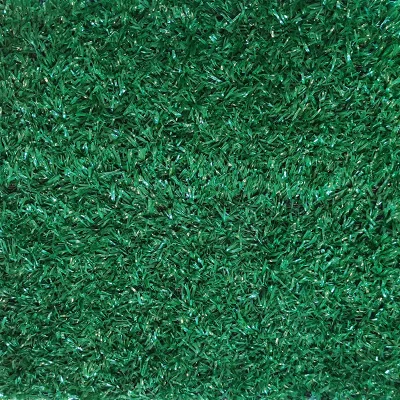


Artificial Grass High Quality Durable Synthetic Lawn for Landscaping and Outdoor Spaces
$1.00 - $3.00
MOQ: 100 Square Meters

Height Synthetic Grass Turf for Garden Artificial Grass for Landscaping
$1.00 - $3.00
MOQ: 100 Square Meters

Hot Selling Straight Cut Synthetic Grass Multi-Sport Artificial Grass
$6.80 - $8.50
MOQ: 500 Square Meters


Garden Grass Best Synthetic Grass Thick Green Grass Artificial Turf
$4.60 - $5.00
MOQ: 1000 Square Meters

High Density Landscape Garden Synthetic Grass Turf Artificial Grass
$6.10 - $6.80
MOQ: 1000 Square Meters


Comprehensive Sourcing Guide
Long Straight Cut Synthetic Lawn Sourcing Guide
Buyers evaluating Long Straight Cut Synthetic Lawn must first distinguish between products designed for high-traffic sports fields and those intended for residential landscaping. The observed market data indicates a clear divergence in yarn forms, with some listings specifying straight cut profiles alongside curving or curling options. This distinction is critical because straight cut filaments typically offer a more natural, grass-like appearance suitable for gardens and backyards, whereas mixed profiles often target athletic performance. Procurement teams should verify the specific yarn shape listed in the product attributes to ensure the aesthetic matches the intended visual environment.
Commercial listings reveal significant variation in base construction and backing materials, which directly impacts durability and installation requirements. Some products feature a single fabric and mesh backing with butyl rubber, while others utilize complex bases designed for cement or asphalt foundations. When sourcing long straight cut varieties, buyers must confirm the base type aligns with their site conditions, as a cement base requires different preparation than an asphalt base. Understanding these structural differences prevents installation failures and ensures the turf performs correctly under the specific load and drainage conditions of the project site.
Product Scope and Observed Listing Signals
The observed product range includes artificial turf with heights varying from 25mm to 35mm, catering to diverse functional needs. Listings frequently specify yarn lengths as long or medium, with straight cut profiles appearing alongside other shapes like U-shape or W-shape. Buyers should note that while some products are marketed for soccer or tennis, others are explicitly designated for recreation, landscaping, and playgrounds. This variation suggests that a single supplier may offer multiple SKUs, requiring careful selection to match the specific application, such as a backyard garden versus a commercial sports facility.
Color and density specifications also vary significantly across the observed listings, influencing both the visual appeal and the tactile feel of the final installation. Available colors range from field green and light green to emerald green and multicolor options, with densities reaching up to 16,800 tufts per square meter. Procurement teams must verify the exact color and density requirements against the project design, as higher density often correlates with better durability but may increase the cost. Additionally, the presence of UV resistance is a standard feature in these listings, ensuring the turf maintains its color integrity over the expected five to ten-year lifespan.
Technical Specifications to Verify
When reviewing technical data sheets, the cross-profile of the yarn is a primary verification point for achieving the desired straight cut appearance. While some products utilize flat or arc types, the specific request for straight cut requires confirmation that the filament profile is not curled or wavy. Buyers should also check the yarn form details, as some listings combine straight cut with curving options, which may alter the final texture. Ensuring the product is strictly straight cut is essential for projects demanding a uniform, manicured look, particularly in residential landscaping or high-end recreational areas.
Backing system composition and pile height are equally critical technical parameters that define the structural integrity of the synthetic lawn. The observed data highlights bases ranging from single fabric with mesh to complex structures, with pile heights specified at 25mm, 30mm, or 35mm. Procurement teams must verify that the selected height matches the intended use, as taller piles may be softer but require more infill, while shorter piles offer better stability for sports. Furthermore, the bottom backing material, whether black or green secondary, should be confirmed to ensure compatibility with the specific installation method and drainage requirements of the site.
Compliance and Safety Documentation
Safety and environmental compliance are paramount when selecting synthetic turf for playgrounds, schools, and public recreational spaces. Although specific certification documents like ISO 9001 or ISO 14001 are mentioned in background contexts, buyers must request actual test reports for the specific product model to verify safety standards. The observed listings mention advantages such as high elasticity and anti-UV properties, but these claims require validation through independent laboratory testing results. Procurement teams should ensure that the supplier provides documentation confirming the material meets local safety regulations for children's play areas and public spaces.
Material grade and origin are essential factors in assessing the long-term safety and quality of the synthetic lawn. The observed data indicates products classified as National Class or International Class, with origins traced to regions like Linyi and Shandong in China. Buyers should verify that the material grade corresponds to the intended application, as international class materials often undergo stricter quality control processes. Additionally, confirming the origin helps in assessing the supply chain reliability and ensures that the product adheres to the specific environmental and safety standards required by the destination market.
Cost Drivers and Commercial Terms
The cost of Long Straight Cut Synthetic Lawn is heavily influenced by the density of the pile and the complexity of the backing system. Listings show a wide range of minimum order quantities, from 30 to 3,000 units, which significantly impacts the unit price and overall project budget. Buyers must calculate the total cost of ownership, including shipping and installation, rather than focusing solely on the per-square-meter price. Higher density products, such as those with 16,800 tufts per square meter, will naturally command a higher price point but offer superior durability and performance for high-traffic areas.
Packing and shipping specifications also play a crucial role in determining the final commercial terms and logistics costs. Observed packing methods include PP bags with woven bag exteriors or customized rolls, with standard dimensions often listed as 2x25m or 4x25m. Procurement teams should verify the packing details to ensure the product arrives without damage and fits within the available storage space. Furthermore, the availability of customized sizes and packing options can affect lead times and shipping efficiency, making it essential to align these commercial terms with the project timeline and logistical capabilities.
Supplier Qualification and Quality Control
Supplier qualification requires a thorough review of their production capabilities and quality control processes to ensure consistent product delivery. The observed data indicates that suppliers offer customization for size, packing, and even yarn forms, suggesting a flexible manufacturing environment. Buyers should verify the supplier's ability to maintain strict quality control during the production of straight cut filaments, as inconsistencies in yarn shape can compromise the final aesthetic. Requesting samples and conducting pre-shipment inspections are critical steps to validate that the delivered product matches the agreed-upon specifications.
Quality control extends to the verification of material grades and the consistency of the backing system across different production batches. Since the observed listings mention various grades from National to International Class, buyers must ensure that the supplier maintains consistent quality standards throughout the production run. Implementing a robust quality control plan that includes random sampling and testing of key attributes like density and UV resistance is essential. This proactive approach helps mitigate the risk of receiving substandard products and ensures that the Long Straight Cut Synthetic Lawn meets the project's performance expectations.
Long-Term Procurement Checks
Long-term procurement success depends on establishing a reliable supply chain that can consistently deliver high-quality synthetic turf over the product's lifespan. Buyers should monitor the supplier's ability to maintain the specified yarn forms and backing materials, as changes in production processes can affect product performance. Regular audits and performance reviews are necessary to ensure that the supplier continues to meet the agreed-upon standards for density, height, and material grade. Building a strong relationship with the supplier facilitates better communication and quicker resolution of any issues that may arise during the project lifecycle.
Maintenance and replacement planning are also critical components of long-term procurement strategies for synthetic lawn installations. The observed data suggests an available time of five to ten years, but actual lifespan depends heavily on usage patterns and maintenance practices. Procurement teams should develop a maintenance plan that includes regular cleaning and infill top-ups to extend the life of the turf. Additionally, establishing a protocol for future replacements or repairs ensures that the project remains functional and visually appealing throughout its intended service life, maximizing the return on investment for the synthetic lawn.
FAQs
What materials are used for Long Straight Cut Synthetic Lawn?
The Long Straight Cut Synthetic Lawn is primarily manufactured from high-quality PP and PE materials. These polymers ensure the turf remains soft, durable, and resistant to UV degradation. The combination provides excellent elasticity and a natural appearance suitable for various outdoor applications.
Can I customize the size of the artificial turf?
Yes, customized sizes are available for the artificial turf. Standard rolls typically come in dimensions like 2mx25m or 4mx25m, but you can request specific measurements to fit your project requirements. This flexibility ensures optimal coverage for sports fields, gardens, or playgrounds without excessive waste.
What is the minimum order quantity for this product?
The minimum order quantity ranges from 30 to 3000 units depending on the specific configuration and supplier terms. Buyers should verify the exact MOQ with the manufacturer before placing an order. This range accommodates both small landscaping projects and large-scale commercial installations efficiently.
How durable is the UV resistance of the turf?
The turf features strong UV resistance, ensuring it maintains its color and structural integrity under prolonged sun exposure. With a lifespan of 5-10 years, it is designed for long-term outdoor use. This durability makes it ideal for sports fields and recreational areas in various climates.
What are the available grass shapes and profiles?
Available grass shapes include U-Shape, Ribbed, Flat, W-Shape, S-Shape, and Diamond profiles. The yarn forms can be straight cut, curving, or curled. These variations allow for tailored aesthetics and performance, catering to different preferences for sports surfaces, landscaping, or backyard installations.
Where is this artificial turf manufactured?
This artificial turf is manufactured in China, specifically originating from regions like Linyi and Shandong. These locations are known for producing high-quality synthetic grass products. Buyers can expect reliable supply chains and competitive pricing due to the established manufacturing infrastructure in these areas.