Source Low Fume Eyelash Extension Glue for Salons, Artists, and Retailers
Find and compare 30 Low Fume Eyelash Extension Glue options from verified Chinese manufacturers. Evaluate key attributes such as curing speed, waterproof performance, and OEM availability to select the ideal adhesive for professional lash applications.
Key considerations
Products List





Comprehensive Sourcing Guide
Low Fume Eyelash Extension Glue Sourcing Guide
Sourcing Low Fume Eyelash Extension Glue requires a nuanced understanding of adhesive chemistry, specifically the balance between cyanoacrylate-based formulations and specialized additives that minimize vapor irritation. Buyers must recognize that "low fume" is a performance characteristic rather than a standalone product category, often achieved through refined polymer compositions and controlled curing agents. The market offers a variety of forms, including pencil-style applicators and liquid tubes, each serving different operational needs for lash technicians and beauty salons. Understanding these physical distinctions is the first step in aligning procurement with service delivery models.
The procurement landscape for these adhesives is characterized by a wide range of customization options and manufacturing origins, primarily concentrated in regions like Guangdong and Zhejiang in China. Suppliers frequently offer OEM, ODM, and private label services, allowing brands to tailor packaging and branding to their specific market positioning. However, this flexibility introduces complexity in quality assurance, as the core chemical composition can vary significantly between suppliers even when the external packaging appears identical. Buyers must therefore prioritize verification of the actual product attributes over superficial marketing claims.
Product Scope and Observed Listing Signals
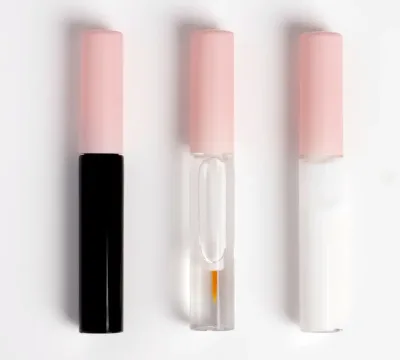
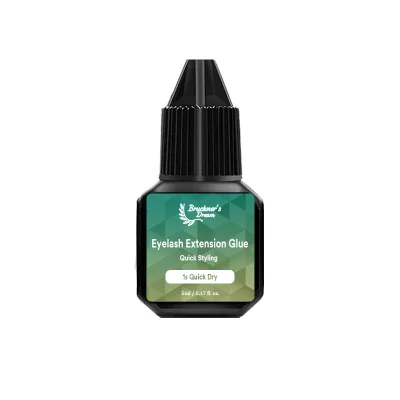
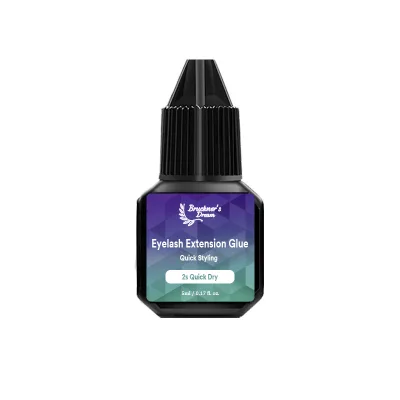
The observed product listings reveal a diverse array of physical forms and packaging configurations, ranging from single-item pencil formats to multi-tube blister cards. Key attributes such as color options (including clear and black variants) and volume sizes (5ml and 10ml) indicate that suppliers cater to both individual technician preferences and bulk salon requirements. The presence of model numbers like HXN-82383, E-003, and No. 2 suggests a standardized internal cataloging system among manufacturers, which can aid in tracking specific formulations once a supplier is identified. These signals help buyers narrow down the search to products that match their specific application tools and storage capabilities.
Shelf life and curing characteristics are critical signals that define the usability and waste management of the product. Listings indicate shelf lives ranging from 12 months to 3 years, a significant variance that impacts inventory planning and cost of goods sold. Additionally, features such as "waterproof," "long-lasting," and "fast curing" are frequently cited, pointing to the performance expectations of end-users. Buyers should note that "room curing" is a specific technical classification, implying that the adhesive relies on ambient humidity for polymerization, which necessitates careful environmental control in the application space to ensure consistent bond strength.
Technical Specifications to Verify
Verifying the main agent composition is paramount when sourcing low fume adhesives, as the primary chemical driver determines both efficacy and safety. Trusted category knowledge identifies cyanoacrylate as a common base for instant adhesives, while other listings mention natural polymers or organic materials. Buyers must explicitly confirm the exact chemical profile to ensure it aligns with their "low fume" requirements, as standard cyanoacrylates can produce significant vapor if not properly formulated. The presence of a promoter composition, such as solvents, also plays a crucial role in the curing process and fume emission levels, requiring detailed disclosure from the supplier.
Physical properties such as viscosity, shear strength, and morphology provide insight into the application experience and bond durability. Low viscosity liquids are generally preferred for precise application on individual lashes, while high shear strength ensures the extension remains secure under stress. The classification of the product as a liquid morphology with fast curing times suggests a high-performance formulation, but buyers should verify if these traits are consistent across all color variants (01-08). Additionally, the bonding function, whether labeled as "eye lash glue" or "instant adhesive," must be confirmed to ensure the product is specifically engineered for the delicate eye area rather than general household repair.
Compliance and Safety Documentation
Safety documentation is non-negotiable when procuring adhesives intended for use near the eyes. Buyers must request Material Safety Data Sheets (MSDS) to understand the hazardous components, handling precautions, and first-aid measures associated with the product. The presence of MSDS certification in some listings indicates a baseline level of regulatory awareness, but it does not guarantee compliance with all target market regulations. It is essential to verify that the MSDS accurately reflects the specific batch and formulation being purchased, as chemical compositions can vary between different model numbers or production runs.
Beyond MSDS, buyers should inquire about additional certifications and testing results that validate the product's safety and quality. While specific standards were not explicitly detailed in the observed listings, trusted category knowledge suggests that products intended for cosmetic use often require compliance with regional cosmetic regulations, such as those enforced by the FDA or EU cosmetic directives. Buyers should ask for evidence of stability testing, patch testing results, and any third-party lab reports that confirm the "low fume" claim. This due diligence protects the brand from liability and ensures the well-being of the end-users.
Cost Drivers and Commercial Terms
The cost of eyelash extension glue is influenced by several factors, including the complexity of the formulation, packaging materials, and order volume. Observed price ranges and MOQs (Minimum Order Quantities) vary widely, with MOQs ranging from 1 to 2000 units, indicating flexibility for both small businesses and large distributors. Buyers should analyze the cost per unit in the context of the packaging format, such as single tubes versus blister cards, as more elaborate packaging can increase the unit price but may enhance retail appeal. Understanding these commercial terms helps in forecasting total landed costs and managing cash flow.
Customization services, such as OEM and private labeling, often incur additional costs but can provide significant competitive advantages. Buyers should clarify the cost implications of custom packaging, color matching, and branding elements. The availability of customization suggests that suppliers are willing to adapt to specific brand requirements, but this flexibility may come with higher MOQs or longer lead times. It is crucial to negotiate clear terms regarding setup fees, sample costs, and production timelines to avoid unexpected expenses during the procurement process.
Supplier Qualification and Quality Control
Evaluating supplier qualifications involves assessing their manufacturing capabilities, quality control processes, and track record. Buyers should verify the supplier's location, with Guangdong and Zhejiang being common hubs for cosmetic adhesive production, and inquire about their production capacity and quality assurance protocols. The claim of "guaranteed quality" should be backed by concrete evidence, such as ISO certifications, good manufacturing practice (GMP) compliance, or internal quality control procedures. Understanding the supplier's ability to maintain consistency across batches is essential for long-term partnership success.
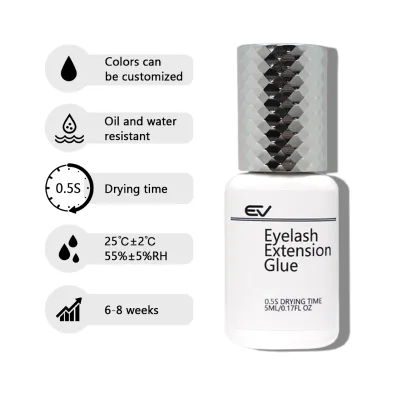
Quality control measures should include rigorous testing of each batch for viscosity, curing time, and fume emission levels. Buyers should request samples to conduct their own performance tests, focusing on the bond strength, longevity (noted as 6-8 weeks in some listings), and user experience regarding irritation. Establishing a clear communication channel for reporting issues and requesting replacements is also vital. A reliable supplier will have a robust process for handling defects and ensuring that the product delivered matches the specifications agreed upon during the sampling phase.
Long-Term Procurement Checks
Long-term procurement success depends on continuous monitoring of product performance and supplier reliability. Buyers should establish a system for tracking customer feedback regarding fume levels, bond durability, and overall satisfaction. Regularly reviewing these metrics can help identify any shifts in product quality or formulation changes that may impact the end-user experience. Maintaining open dialogue with the supplier about performance data ensures that any issues are addressed promptly and that the product remains aligned with market expectations.
Additionally, buyers should stay informed about regulatory changes and emerging trends in the eyelash extension industry. As consumer awareness of ingredient safety grows, the demand for truly low fume and hypoallergenic adhesives is likely to increase. Proactively engaging with suppliers to explore new formulations or improved packaging solutions can keep the brand competitive. Regular audits of supplier documentation and quality control processes will help maintain high standards and protect the brand's reputation in the long run.
FAQs
What is the shelf life of this eyelash glue?
The product offers a shelf life of 3 years for the pencil form and 12 months for the liquid adhesive variant. This duration ensures stability for bulk buyers planning long-term inventory management without immediate quality degradation.
Can I request custom branding for this eyelash glue?
Yes, customization is available for OEM, ODM, and private label services. Buyers can request specific branding on the acrylic pencil or liquid tubes to align with their unique business identity and market positioning.
Which certifications does the eyelash glue hold?
The product holds MSDS certification to ensure safety and compliance for international shipping. This documentation verifies the chemical composition and handling requirements for the cyanoacrylate-based adhesive used in eyelash applications.
How is the eyelash glue packaged for shipment?
Packaging options include single tubes in bags or aluminum tubes in double blister cards. Bulk orders typically follow a standard of 24 cards per box and 24 boxes per carton for efficient logistics handling.
What is the minimum order quantity for this glue?
The minimum order quantity ranges from 1 to 2000 units depending on the specific product model and customization needs. Buyers should verify the exact MOQ with suppliers to align with their initial procurement budget.
Where is this eyelash glue manufactured?
The products originate from manufacturing facilities in Guangdong and Zhejiang, China. These locations provide established supply chains for cosmetic adhesives and ensure consistent production quality for international export.