Source Low Frequency Online UPS for Defence, Industry, and Communication
Find and compare 30 Low Frequency Online UPS models tailored for defence, industrial, and communication applications. Evaluate sine wave outputs, single and three-phase options, and various capacity ranges to identify the right power protection solution for your specific operational needs.
Key considerations
Products List


Low Frequency Online with Double Conversion UPS for Industrial Equipment
$2128.00 - $2140.00
MOQ: 1 Pieces


100kVA (3: 3) Industrial-Grade Online Low Frequency UPS for Industry
$2888.00 - $6480.00
MOQ: 1 Pieces


Power Supply High Frequency Online Input Over Voltage Protection UPS
$2000.00 - $30500.00
MOQ: 1 Pieces
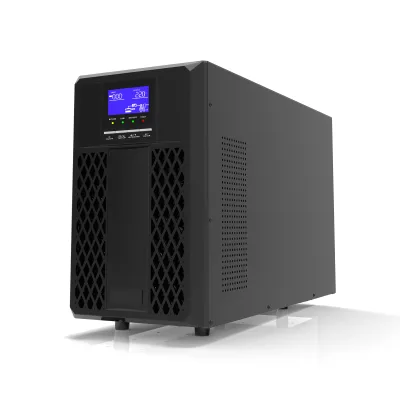
Chinese Supplier 2kva Single Phase Fast Charging High Frequency Online Ups for Home Use
$92.00 - $165.00
MOQ: 50 pieces


Comprehensive Sourcing Guide
Low Frequency Online UPS Sourcing Guide
The Low Frequency Online UPS represents a critical class of power protection equipment designed for environments where grid stability is compromised or where sensitive industrial and defense infrastructure requires uninterrupted operation. These systems function by converting incoming AC power to DC to charge batteries and then inverting that DC back to clean AC power, ensuring that the load is never exposed to raw utility fluctuations. The observed market data indicates a strong presence of single-phase and three-phase models, with specific configurations tailored for centralized and decentralized equipment modes. Buyers should recognize that these units are distinct from high-frequency alternatives due to their robust transformer-based architecture, which offers superior overload handling and longevity in harsh conditions.
Procurement decisions for this category must account for the diverse application landscapes identified in current listings, ranging from defense and communication sectors to general industrial automation. The available product models span a wide capacity range, from small-type units suitable for localized protection to medium-type systems capable of supporting larger loads. The observed product lines include specific series such as the EX1K through EX3KL and the RA1K-10K, which suggest a modular approach to scaling power capacity. When sourcing, buyers must align the specific UPS topology with their operational needs, noting that the "on-line" designation implies double-conversion technology that provides the highest level of isolation from power disturbances.
Product Scope and Observed Listing Signals
The current market for Low Frequency Online UPS units displays a significant variation in output capacity and physical form factors, which directly influences the selection process for different facility types. Listings indicate the availability of small-type and medium-type output capacities, with specific models offering power ratings from 1kVA up to 10kVA and beyond. The observed product models, including the EX2-3k series and the EX33 series ranging from 20 to 80kVA, demonstrate that suppliers cater to both compact deployment scenarios and large-scale data center or industrial plant requirements. Buyers should verify the specific output capacity against their peak load calculations, as the distinction between small and medium types often dictates the physical footprint and cooling requirements of the installation.
Packaging and customization options are key signals of a supplier's readiness to handle diverse logistical and technical requirements. The observed listings confirm that standard export packaging is common, with some suppliers offering carton and pallet configurations to ensure safe transit. Customization is explicitly available for many of these units, allowing buyers to tailor input voltage ranges, such as the observed 60-130VAC or 115-300VAC options, to match local grid conditions. This flexibility is particularly relevant for international procurement, where grid standards vary significantly. Buyers should leverage the available customization features to ensure the UPS integrates seamlessly with existing power infrastructure without requiring extensive external modifications.
Technical Specifications to Verify
When evaluating the technical performance of a Low Frequency Online UPS, the waveform quality and inverter topology are paramount for protecting sensitive electronic loads. The observed product attributes consistently highlight pure sine wave output and sine wave inverter characteristics, which are essential for preventing overheating and malfunction in motors and sensitive communication equipment. The circuit topologies identified include full-bridge types, which are known for their efficiency and reliability in low-frequency applications. Buyers must confirm that the specific unit selected delivers a true sine wave rather than a simulated or modified wave, as this distinction is critical for the longevity of the connected defense and industrial assets.
Input and output electrical parameters require rigorous verification to ensure compatibility with the facility's power distribution system. The observed data points to specific input voltage ranges and power factors, with some models boasting an input power factor greater than 0.97, indicating high efficiency in power utilization. Battery nominal DC voltages, such as the 96VDC configuration observed, must be matched to the internal battery bank design to ensure optimal standby times, which range from standard machine durations to long-acting machine capabilities. Additionally, the output current crest ratio of 3:1 observed in certain models suggests the unit's ability to handle high inrush currents typical of motor loads, a feature that should be validated against the specific starting characteristics of the equipment being protected.
Compliance and Safety Documentation
Safety and regulatory compliance are non-negotiable prerequisites for sourcing industrial-grade UPS systems, particularly for applications in defense and communication sectors. The observed product listings frequently cite CE certification, and some entries include ISO9001 and CCC standards, indicating adherence to international quality and safety management systems. Buyers should request current certification documents to verify that the specific batch of equipment meets the regulatory requirements of the destination country, as standards can vary significantly between regions. The presence of multiple certifications, including SAA and ISO/ROHS, suggests a robust compliance framework, but verification of the specific model's status is necessary to avoid regulatory hurdles during importation.
Protection mechanisms are a critical component of the safety documentation that must be reviewed to ensure the UPS can safeguard both the equipment and the facility. The observed attributes list multiple protection features, including short circuit, overvoltage, and overcurrent protection, which are essential for preventing catastrophic failures during power anomalies. These safety features must be clearly documented in the user manual and technical datasheets, detailing the trip points and recovery procedures. Buyers should ensure that the protection logic is compatible with their specific load requirements, as the effectiveness of these safeguards depends on the correct configuration of the UPS settings relative to the connected equipment's sensitivity.
Cost Drivers and Commercial Terms
The pricing structure for Low Frequency Online UPS units is heavily influenced by capacity, waveform quality, and the level of customization required. The observed price range spans from approximately $70 to $30,500, reflecting the vast difference between small, single-phase units and large, three-phase industrial systems. This wide variance underscores the importance of defining the exact power requirements before soliciting quotes, as upgrading from a standard machine to a long-acting machine with extended battery capacity will significantly impact the total cost of ownership. Buyers should analyze the cost per kVA to compare value across different suppliers, ensuring that the price reflects the specific technical attributes like pure sine wave output and high input power factor.
Commercial terms, including minimum order quantities (MOQ) and lead times, vary based on the supplier's production capacity and the customization level of the order. The observed MOQ range of 1 to 50 units suggests flexibility for both pilot projects and large-scale deployments, but buyers must confirm these terms for the specific model series they intend to purchase. Standard export packaging is common, but specialized packing requirements may incur additional costs or extend lead times. It is advisable to negotiate clear delivery schedules and payment terms that align with the project timeline, as the complexity of low frequency UPS systems often requires longer manufacturing or configuration periods compared to standard off-the-shelf power supplies.
Supplier Qualification and Quality Control
Selecting a qualified supplier for Low Frequency Online UPS systems requires a thorough assessment of their manufacturing capabilities and quality assurance processes. The observed product origin is China, a major hub for power electronics manufacturing, but buyers must verify the specific factory's track record in producing low-frequency transformers and inverters. The presence of certifications like ISO9001 and CCC indicates a commitment to quality management, but on-site audits or third-party verification of the production line are recommended to ensure consistent build quality. Buyers should prioritize suppliers who demonstrate transparency in their manufacturing processes and can provide detailed documentation on component sourcing, particularly for critical parts like batteries and capacitors.
Quality control protocols must be established to ensure that every unit delivered meets the specified technical and safety standards. The observed product attributes, such as LCD display indicators and specific protection mechanisms, should be validated through pre-shipment testing. Buyers should request test reports that verify the sine wave output, input voltage range, and protection trip points before accepting delivery. Establishing a clear quality control agreement that includes acceptance criteria for packaging, labeling, and functional performance is essential. This proactive approach helps mitigate the risk of receiving non-compliant units and ensures that the UPS systems will perform reliably in their intended defense, communication, or industrial applications.
Long-Term Procurement Checks
Sourcing Low Frequency Online UPS systems is not a one-time transaction but an ongoing relationship that requires regular performance monitoring and maintenance planning. The observed standby time classifications, ranging from standard to long-acting machines, imply different battery maintenance schedules that must be integrated into the facility's operational protocols. Buyers should establish a long-term maintenance plan that includes regular battery testing and replacement cycles, as battery health is often the weakest link in UPS reliability. Proactive management of these components ensures that the system can deliver the promised standby time during an actual power outage, protecting critical assets from data loss or operational disruption.
Future-proofing the procurement strategy involves staying informed about technological advancements and supply chain stability for the specific UPS models in use. The observed product models, such as the EX series and RA series, represent specific generations of technology that may have varying levels of support and spare part availability over time. Buyers should verify the supplier's commitment to long-term support, including the availability of spare parts and firmware updates for the LCD displays and control systems. Additionally, monitoring the supply chain for raw materials like copper and steel, which are essential for low-frequency transformers, can help anticipate potential disruptions and ensure a steady supply of replacement units or upgrades as the facility's power needs evolve.
FAQs
What output waveform does this online UPS provide?
This online UPS provides a pure sine wave output. The system is designed as a sine wave UPS to ensure stable power delivery for sensitive equipment like defense and communication devices without waveform distortion.
Which certifications are available for these UPS units?
Available certifications include CE, ISO9001, CCC, ISOROHS, and SAA. These standards confirm compliance with international safety and quality requirements for the listed models ranging from 1kVA to 10kVA capacity.
Can I customize the UPS specifications for my needs?
Yes, customization is available for these uninterruptible power supply systems. Buyers can request specific configurations for applications in industry, defense, or communication sectors while maintaining standard export packaging.
What is the input voltage range for the single phase model?
The input voltage range is 60-130VAC or 115-300VAC. This wide range accommodates unstable power environments, ensuring the single-phase online UPS continues to operate reliably during fluctuations.
How long does the standby time last for standard machines?
Standby time varies between standard and long-acting machine configurations. The system supports both standard machine modes and long-acting modes depending on the specific battery nominal DC voltage and application requirements.
What protection features are included in the UPS system?
The system includes protection against short circuits, overvoltage, and overcurrent. These safety features ensure the online UPS power supply protects connected loads from electrical faults and power anomalies effectively.