Source Low Latency Gaming TWS Earbuds for Mobile, Computer, and DJ
Source 30 verified options for Low Latency Gaming TWS Earbuds designed for mobile phones, computers, and DJ setups. Compare specifications like Bluetooth 5.4, ENC, and 30ms delay to find the right fit for your needs.
Key considerations
Products List


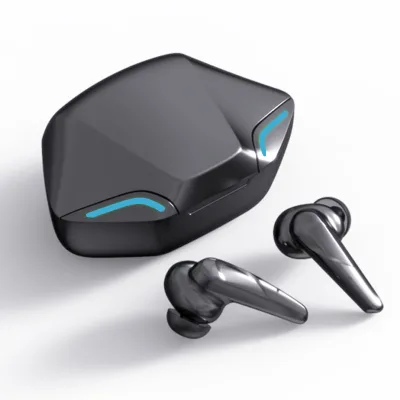


Tws Earphone Stereo Headphones Gaming Headset Sport Earphones Mini Earbuds
$3.00 - $3.20
MOQ: 100 Pieces

Anc HiFi Wireless Gaming Headset T13 LCD Display Bluetooth Earphone Earbuds
$4.48 - $4.80
MOQ: 100 Pieces


Comprehensive Sourcing Guide
Strategic Sourcing Guide for Low Latency Gaming TWS Earbuds
Understanding the Technical Architecture of Gaming Audio
The procurement of True Wireless Stereo (TWS) earbuds designed specifically for gaming requires a granular understanding of the underlying technical architecture. Unlike standard consumer audio devices optimized for music streaming, gaming earbuds prioritize synchronization between audio output and visual input on the screen. The core differentiator in this category is the wireless delay time, which directly impacts the user's ability to react to in-game events. Based on current market observations, high-performance gaming earbuds often target a wireless delay time of approximately 30 milliseconds. This metric is critical because any latency exceeding this threshold can create a perceptible lag between an on-screen action and the corresponding sound effect, potentially disrupting gameplay immersion and competitive performance.
The chipset selected by the manufacturer plays a pivotal role in achieving these low latency figures. Sourcing teams should verify the specific chipset architecture, as certain manufacturers, such as those utilizing JL (JieLi) chipsets, are known for optimizing power consumption and signal processing for gaming scenarios. The Bluetooth version is another fundamental specification; while older models may utilize version 4.x, the current standard for low-latency gaming has shifted toward Bluetooth 5.4. This newer generation offers improved bandwidth, better stability, and enhanced power efficiency, which are essential for maintaining a consistent connection during high-intensity gaming sessions. The impedance of the drivers, typically observed in the range of 32 Ohms +/-15%, ensures compatibility with a wide range of mobile devices and computers without requiring external amplification. Furthermore, the frequency response range, often spanning from 20Hz to 20,000Hz, indicates the device's capability to reproduce the full spectrum of audio, from deep bass explosions to high-frequency directional cues.
Material Composition and Ergonomic Design Considerations
The physical construction of gaming TWS earbuds significantly influences both the acoustic performance and the comfort level during extended usage. The wire material used in the charging case or any attached components is frequently specified as TPE (Thermoplastic Elastomer). This material choice is deliberate, offering a balance of durability, flexibility, and resistance to wear and tear, which is crucial for products that may be subjected to frequent handling and transport. The housing material is often cited as ABS (Acrylonitrile Butadiene Styrene), a robust thermoplastic that provides structural integrity while keeping the overall weight of the earbuds and the charging case low.
Ergonomics are paramount for gaming, where sessions can last for several hours. The style of the earbuds is predominantly in-ear, designed to create a seal that isolates external noise and enhances bass response. The product type is frequently categorized as magnetic earphones, a feature that allows the earbuds to snap together when not in use, preventing them from tangling and making them easier to carry. The color options, while often limited to standard black for a professional aesthetic, should be verified against the specific customization capabilities of the supplier. Customization availability is a key factor for B2B buyers looking to brand the product, allowing for modifications in color, packaging, or even the engraving of logos on the charging case. The battery capacity, typically around 35mAh for the earbuds themselves and 200mAh for the charging case, dictates the operational longevity. Buyers must note that the talking time is generally estimated at 3-4 hours on a single charge, with a total estimated battery life of 3-5 hours depending on usage patterns.
Performance Metrics and Functional Capabilities
When evaluating the functional capabilities of Low Latency Gaming TWS Earbuds, several key performance metrics must be scrutinized to ensure they meet the rigorous demands of the gaming market. Active Noise Cancellation (ANC) and Environmental Noise Cancellation (ENC) are standard features in this category. ANC helps the user focus on the game by blocking out ambient noise, while ENC is critical for clear communication during multiplayer sessions, ensuring that the user's voice is transmitted clearly to teammates without background interference. The support for memory cards is generally not a feature in modern TWS gaming earbuds, as the focus is on wireless streaming from mobile devices or computers.
The communication protocol and connectivity options are equally important. The product specifications often list multiple usage scenarios, including mobile phones, computers, MP3 players, DJ equipment, and even specialized applications like call centers and aviation. This versatility suggests a robust Bluetooth implementation that supports various profiles, such as HSP (Headset Profile), which is essential for two-way communication. The distance version, often classified as Class B, indicates the effective range of the wireless connection, which is sufficient for typical gaming environments where the device remains close to the source. The sound quality is frequently marketed as High Fidelity (Hi-Fi), supported by dual-track soundtracks that provide a rich, immersive audio experience. The charging time for the earbuds is typically around 1 hour, while the charging case may require 1-3 hours to fully replenish the battery, a factor that influences the user's daily routine and charging habits.
Compliance, Standards, and Certification Verification
In the B2B procurement of electronic audio devices, verifying compliance with international standards and safety certifications is non-negotiable. While specific certification documents must be requested from the supplier, buyers should be aware of the standard materials and construction norms that indicate quality. The product standard is often listed as ABS, which refers to the material composition, but this should be cross-referenced with electrical safety standards relevant to the target market. The waterproof standard is a critical specification for durability; observed data suggests a rating of IPX-9, which indicates a high level of protection against water jets and immersion, making the earbuds suitable for use in various environments, including those with high humidity or potential sweat exposure during intense gaming.
Buyers must also verify the origin of the products, as manufacturing location can impact quality control processes and supply chain reliability. The origin is frequently cited as China, a major hub for consumer electronics manufacturing. However, the specific factory location and its adherence to international labor and environmental standards should be confirmed through direct supplier engagement. The packaging standard is another area of verification; products are typically shipped in color retail boxes, which must be durable enough to protect the contents during transit. For bulk orders, the packing standard may vary, and buyers should ensure that the packaging meets the requirements of their distribution channels. It is essential to request proof of compliance with any regional safety standards, such as CE, FCC, or RoHS, even if they are not explicitly listed in the initial product data, to avoid regulatory hurdles in the destination market.
Cost Drivers and Pricing Dynamics
The pricing of Low Latency Gaming TWS Earbuds is influenced by a complex interplay of factors, including the chipset technology, battery capacity, and the level of customization required. The observed price range in the market spans from approximately $0.99 to $25.26, reflecting the diversity of product tiers available. Entry-level models may utilize older Bluetooth versions and simpler chipsets, resulting in lower costs but potentially higher latency and reduced audio fidelity. Conversely, premium models featuring Bluetooth 5.4, advanced ANC/ENC algorithms, and high-quality materials like TPE and ABS command higher price points.
The Minimum Order Quantity (MOQ) is another significant cost driver, with observed ranges spanning from 1 to 1000 units. Lower MOQs allow buyers to test the market with smaller batches, reducing financial risk, but often come with a higher unit cost. Higher MOQs typically unlock volume discounts, making them more cost-effective for established brands looking to scale. The customization options, such as branding on the earbuds or the charging case, will also add to the overall cost. Buyers should analyze the total cost of ownership, including shipping, tariffs, and potential rework costs due to quality issues, rather than focusing solely on the unit price. The battery capacity and charging time are also cost factors; larger batteries and faster charging technologies generally increase the manufacturing cost.
Supplier Evaluation and Quality Control Protocols
Selecting the right supplier is critical for ensuring the reliability and performance of the sourced gaming earbuds. Buyers should evaluate suppliers based on their technical capabilities, specifically their ability to deliver low latency performance and high-quality audio. The presence of a dedicated R&D team and the use of advanced chipsets like JL are positive indicators of a supplier's technical competence. The supplier's ability to provide customization services, such as color changes and packaging modifications, is also a key differentiator.
Quality control protocols must be rigorous and transparent. Buyers should request detailed quality assurance plans that cover the entire production process, from raw material inspection to final product testing. Key quality checks should include testing the wireless delay time to ensure it meets the 30ms target, verifying the battery capacity and charging time, and assessing the durability of the TPE and ABS materials. The waterproof standard, such as IPX-9, should be validated through independent testing to ensure the product can withstand the claimed conditions. Buyers should also verify the supplier's track record in delivering products that meet the specified frequency response range and impedance requirements. Regular audits and on-site inspections can provide additional assurance of the supplier's adherence to quality standards and production capabilities.
Long-Term Procurement and Market Adaptability
Long-term procurement of Low Latency Gaming TWS Earbuds requires a strategic approach that anticipates market trends and technological advancements. The gaming industry is rapidly evolving, with new games and platforms demanding higher audio fidelity and lower latency. Buyers should select suppliers who are committed to continuous innovation and can adapt their product lines to meet these changing requirements. The ability to upgrade from Bluetooth 4.x to 5.4 or beyond is a crucial factor in ensuring the longevity of the product line.
Sustainability is also becoming an increasingly important consideration in B2B procurement. Buyers should inquire about the environmental impact of the materials used, such as the recyclability of the ABS and TPE components, and the energy efficiency of the charging process. The packaging should be designed to minimize waste while still providing adequate protection. Additionally, the supply chain resilience should be evaluated to ensure that the supplier can maintain consistent production and delivery schedules despite potential disruptions. By focusing on suppliers who demonstrate a commitment to quality, innovation, and sustainability, buyers can build a robust and future-proof procurement strategy for Low Latency Gaming TWS Earbuds.
Comparative Analysis of Key Specifications
To facilitate a clearer understanding of the differences between various product tiers, the following table summarizes the key specifications observed in the market for Low Latency Gaming TWS Earbuds. This comparison highlights the variations in technology, performance, and features that buyers should consider during the sourcing process.
| Specification | Entry-Level Tier | Mid-Range Tier | Premium Gaming Tier |
|---|---|---|---|
| Bluetooth Version | 4.x | 5.0 - 5.2 | 5.4 |
| Wireless Delay | > 50ms | ~40ms | ~30ms |
| Chipset | Generic | Standard | JL / High-Performance |
| Battery Capacity (Earbuds) | ~30mAh | ~35mAh | ~35mAh+ |
| Battery Capacity (Case) | ~150mAh | ~200mAh | ~200mAh+ |
| Active Noise Cancellation | No | Basic | Advanced (ANC + ENC) |
| Waterproof Standard | IPX-4 | IPX-5 | IPX-9 |
| Material | ABS / Plastic | ABS / TPE | Premium ABS / TPE |
| Usage Scope | Mobile, PC | Mobile, PC, MP3 | Mobile, PC, DJ, Aviation |
| Estimated Price Range | $0.99 - $5.00 | $5.01 - $15.00 | $15.01 - $25.26 |
This table serves as a reference point for buyers to align their specific requirements with the available product options. It underscores the importance of balancing cost with performance, particularly in the areas of latency, battery life, and durability. By carefully evaluating these specifications, buyers can make informed decisions that optimize their procurement strategy and ensure the delivery of high-quality products to their end-users.
FAQs
What is the wireless delay time for these earbuds?
The wireless delay time is 30 milliseconds, which is optimal for gaming synchronization. This low latency ensures audio matches on-screen actions without perceptible lag during competitive play.
Which Bluetooth version supports the best connectivity?
The devices utilize Bluetooth 5.4 for enhanced stability and bandwidth. This version offers improved power efficiency and signal processing compared to older 4.x standards for consistent gaming performance.
Can the earbuds be customized for branding purposes?
Yes, customization is available for buyers seeking to brand the product. Suppliers can modify colors, packaging, or engrave logos on the charging case to meet specific B2B requirements.
How long does the battery last on a single charge?
The talking time is about 3 to 4 hours on a single charge. The total estimated battery life ranges from 3 to 5 hours depending on usage patterns and active noise cancellation settings.
What waterproof standard do these earbuds meet?
The earbuds meet the IPX-9 waterproof standard for high-level protection. This rating ensures durability against water jets and immersion, making them suitable for intense gaming environments.
Which chipset is used for audio processing?
The devices are equipped with JL chipsets known for optimizing power consumption. This architecture supports low-latency performance and efficient signal processing required for gaming scenarios.
What is the minimum order quantity for bulk purchases?
The minimum order quantity ranges from 1 to 1000 units depending on the supplier. Lower MOQs allow for market testing, while higher volumes typically unlock better pricing tiers.