Source Low Sugar Food Polydextrose for bakery, beverage, and snack applications
Compare 30 listings for Low Sugar Food Polydextrose from verified Chinese manufacturers. Buyers can evaluate specifications, packaging options, and pricing to find suitable dietary fiber solutions for various food formulations.
Key considerations
Products List


Comprehensive Sourcing Guide
Strategic Sourcing Guide for Low Sugar Food Polydextrose
Understanding the Product Profile and Technical Specifications
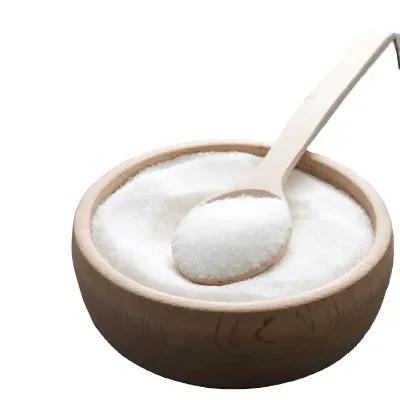
Polydextrose serves as a critical functional ingredient in the formulation of low-sugar and sugar-free food products, acting primarily as a bulk sweetener, texturizer, and dietary fiber source. When sourcing this material, buyers must first establish a clear understanding of its physical and chemical attributes to ensure compatibility with their specific manufacturing processes. The product is predominantly observed in the market as a white powder or an off-white fine powder, characteristics that are essential for maintaining the visual appeal of the final food product.
The chemical composition of polydextrose is defined by its high dietary fiber content, with observed specifications indicating a total fiber content of approximately 63%. This high fiber percentage is a key differentiator from traditional sugars and other carbohydrate fillers. Furthermore, the product is characterized by a low caloric value, often cited around 4.18kj/G, making it an ideal substitute for sucrose in calorie-restricted formulations. The carbohydrate content is relatively low, observed at around 7%, while the fat content is effectively zero. These nutritional profiles align with the "clean label" movement, with many suppliers offering vegan-friendly options that do not rely on animal-derived processing aids.
Solubility is another paramount technical specification. Polydextrose is noted for being water-soluble, which facilitates its integration into beverages, syrups, and wet dough systems without causing grittiness or separation. The active substance content is a critical quality metric, with high-confidence data suggesting a purity level of greater than 90%. Buyers should verify that the specific batch they procure meets this threshold, as variations in purity can impact the sweetness intensity and functional performance in the final recipe. The product is available in various grades, including food-grade classifications that ensure safety for human consumption.
Compliance, Certification, and Regulatory Standards
Navigating the regulatory landscape is a fundamental aspect of sourcing polydextrose for commercial food production. The product must adhere to strict safety standards to be approved for use in the global market. While specific certification statuses vary by supplier, the industry standard often includes ISO certification, which indicates a commitment to quality management systems. Buyers should explicitly request proof of such certifications before finalizing any procurement agreement.
The origin of the product is a significant factor in compliance. Most available supply originates from the Chinese mainland, with specific production hubs noted in regions such as Dezhou, Shaanxi, and Anhui. The loading ports for these shipments are typically major Chinese ports, including Xingang Port, which influences logistics planning and customs clearance procedures. When sourcing from these locations, buyers must ensure that the supplier can provide documentation verifying that the production process meets the food safety standards of the destination country.
Regarding standards, the product is often categorized under common, sugar-free classifications. The physical standard for the powder is consistent, but the packaging standard is equally important for maintaining product integrity during transit. The standard packaging unit is frequently 25kg per bag, though bulk options like 275kg drums or 1300kg IBC totes are available for large-scale industrial users. It is crucial to verify that the packaging material is food-grade, often utilizing multilayer bags with PE-inliners or high-density polyethylene plastics to prevent moisture ingress and contamination.
Cost Drivers and Pricing Dynamics
The pricing of polydextrose is influenced by a complex interplay of factors, including raw material costs, production methods, and logistics. The observed price range in the market is broad, spanning from approximately $0.80 to $410 per unit, reflecting the diversity in packaging sizes, purity levels, and order volumes. This wide variance underscores the importance of defining the exact procurement requirements before seeking quotes. A bulk purchase of 25kg bags will naturally have a different unit cost compared to a specialized, high-purity batch in smaller packaging.
Production methods also play a role in cost structure. While natural resources are sometimes utilized, a significant portion of the market supply is derived through chemosynthesis. The choice between natural and chemically synthesized sources can impact the final price, with chemosynthetic routes often offering more consistent batch-to-batch quality at a potentially lower cost. However, buyers seeking "natural" or "clean label" attributes may need to pay a premium for products sourced or processed differently.
Logistics and shipping terms are additional cost drivers. The standard payment terms observed in the market involve a 50% TT (Telegraphic Transfer) in advance and a 50% TT against the copy of the Bill of Lading. This structure requires buyers to manage cash flow effectively. Furthermore, the lead time for delivery is a critical variable. Some suppliers offer rapid turnaround times, with delivery within 7 days after receiving the order, while others may have longer lead times depending on production capacity and inventory levels. Buyers must factor these timelines into their production schedules to avoid stockouts.
Typical Applications in Food Manufacturing
Polydextrose is a versatile ingredient with a wide range of applications across the food and beverage industry. Its primary function as a dietary fiber makes it indispensable in products marketed for weight management and digestive health. The ingredient is particularly effective in reducing the serum cholesterol levels in consumers, a health claim that adds significant value to functional foods.
In the bakery sector, polydextrose is used to replace sugar in cookies, cakes, and breads. Its ability to provide bulk and moisture retention helps maintain the texture and shelf life of baked goods without the excessive sweetness of traditional sugar. The low caloric value allows manufacturers to create "light" or "reduced-calorie" versions of popular products without compromising on mouthfeel.
Beverage manufacturers also utilize polydextrose for its water-soluble properties. It can be dissolved in cold or hot liquids to create fiber-fortified drinks, smoothies, and sports beverages. The ingredient's neutral taste profile ensures that it does not alter the flavor of the beverage, making it an ideal candidate for clear drinks and fruit juices. Additionally, its fat-free nature makes it suitable for dairy alternatives and low-fat dairy products, where it can mimic the creamy texture usually provided by fat.
The ingredient is also widely used in confectionery, including sugar-free gums and chocolates. Its ability to crystallize in a specific manner helps in creating the desired snap and texture in chocolate products. For manufacturers of protein bars and snack foods, polydextrose serves as a binding agent and a source of fiber, enhancing the nutritional profile of the snack.
Supplier Evaluation and Selection Criteria
Selecting the right supplier is a critical step in the procurement process. Buyers should evaluate potential partners based on a comprehensive set of criteria that goes beyond price. The first criterion is the consistency of product specifications. Since the product is available in various models, such as "90 powder" or "99%," buyers must ensure the supplier can consistently deliver the specific grade required for their application.
Secondly, the supplier's production capacity and reliability are paramount. The observed MOQ (Minimum Order Quantity) ranges from 1 to 5000 units, with a common specific MOQ of 25kg. Buyers should assess whether the supplier can accommodate their order volume without compromising on lead times. A supplier that can deliver within 7 days of order confirmation offers a significant advantage in supply chain agility.
Thirdly, the supplier's location and logistics capabilities should be scrutinized. Suppliers based in Dezhou, Shaanxi, or Anhui, China, are common, but buyers should verify the specific loading port and shipping terms. A supplier located near a major port like Xingang Port may offer more efficient shipping options. Additionally, the packaging capabilities of the supplier are crucial. Whether the product is packed in 25kg bags, 275kg drums, or 1300kg IBC totes, the packaging must be robust enough to prevent damage during transit and storage.
Finally, the supplier's commitment to quality control and customer service should be evaluated. A reputable supplier will provide detailed documentation, including certificates of analysis and compliance, and will be responsive to inquiries regarding product specifications and storage requirements.
Quality Control and Storage Considerations
Maintaining the quality of polydextrose throughout the supply chain requires strict adherence to quality control measures and proper storage protocols. The product is sensitive to environmental conditions, and improper storage can lead to clumping, degradation, or contamination. The recommended storage method is a cool, dry place, with a normal storage temperature range. Exposure to high humidity or extreme temperatures can compromise the physical properties of the powder, affecting its solubility and flowability.
The shelf life of polydextrose is typically around 2 years, with some specifications noting a minimum of 12 months. Buyers should always check the production date and expiration date on the packaging to ensure the product is within its optimal usage period. Regular quality checks upon receipt are essential to verify that the product has not been damaged during transit. This includes checking for signs of moisture, foreign particles, or discoloration.
For long-term storage, it is advisable to keep the product in its original packaging until ready for use. If the product is transferred to a different container, the new container must be food-grade and airtight to prevent moisture absorption. The packaging material, whether it is a multilayer bag with a PE inliner or a plastic drum, should be inspected for integrity before use.
Long-Term Procurement and Supply Chain Resilience
Building a resilient supply chain for polydextrose involves more than just securing a single transaction. Buyers should consider the long-term implications of their sourcing decisions, including the stability of the supplier relationship and the potential for supply disruptions. The global nature of the polydextrose market, with production concentrated in specific regions of China, means that geopolitical factors and logistics bottlenecks can impact availability.
To mitigate these risks, buyers should diversify their supplier base and maintain a strategic inventory buffer. Establishing a long-term contract with a reliable supplier can provide price stability and priority access to stock during periods of high demand. Additionally, buyers should stay informed about changes in regulatory standards and market trends that could affect the availability or cost of polydextrose.
Collaboration with suppliers on product development can also yield long-term benefits. By working closely with suppliers, buyers can customize the product to meet specific needs, such as adjusting the particle size or purity level. This collaborative approach fosters a stronger partnership and ensures that the supply chain remains agile and responsive to market changes.
| Feature | Observation | Verification Requirement |
|---|---|---|
| Appearance | White Powder / Off-White Fine Powder | Visual inspection upon receipt |
| Purity | >90% Active Substance | Certificate of Analysis (CoA) |
| Packaging | 25kg/Bag, 275kg/Drum, 1300kg/IBC | Check for food-grade material integrity |
| Storage | Cool, Dry Place | Monitor warehouse conditions |
| Shelf Life | 2 Years (Min 12 Months) | Check production and expiry dates |
| Origin | China (Dezhou, Shaanxi, Anhui) | Verify country of origin documentation |
| Certification | ISO (Common) | Request valid certification copies |
By adhering to these guidelines and maintaining a rigorous approach to quality and compliance, buyers can successfully source high-quality polydextrose for their low-sugar food production needs. The key lies in balancing technical specifications, cost considerations, and supplier reliability to build a robust and efficient supply chain.
FAQs
What is the active substance content of Low Sugar Food Polydextrose?
The active substance content is greater than 90%. This high purity ensures consistent sweetness and functional performance in food formulations while meeting food-grade safety standards.
How is Low Sugar Food Polydextrose typically packaged for shipping?
It is commonly packed in 25kg bags or multilayer bags with PE-inliner bags. Bulk orders may utilize 275kg drums or 1300kg IBC totes to ensure product integrity during transit.
Can buyers customize the product specifications for Low Sugar Food Polydextrose?
Yes, customization is available for specific production needs. Buyers can request variations in model specifications like 90 powder or 99% purity to match their manufacturing requirements.
What is the shelf life of Low Sugar Food Polydextrose?
The shelf life is typically 2 years, with some specifications noting a minimum of 12 months. Proper storage in a cool, dry place is required to maintain quality.
Which certifications are available for Low Sugar Food Polydextrose suppliers?
ISO certification is a standard requirement for many suppliers. This ensures the product meets quality management systems and food safety regulations for global distribution.
How long is the lead time for Low Sugar Food Polydextrose orders?
Delivery can occur within 7 days after receiving the order. This rapid turnaround supports urgent production schedules for food manufacturers requiring quick inventory replenishment.
What is the minimum order quantity for Low Sugar Food Polydextrose?
The minimum order quantity starts at 25kg for standard bags. However, the observed range extends up to 5000 units depending on the specific supplier and packaging configuration.