Source Low Speed Brushless Water Turbine for Micro Plants, Farms, and Islands
Compare 30 verified listings for Low Speed Brushless Water Turbine units suitable for micro power plants, rural farms, and remote islands. Buyers can review specifications like flow rate, head, and bearing types to find the right vertical or horizontal generator for their project.
Key considerations
Products List


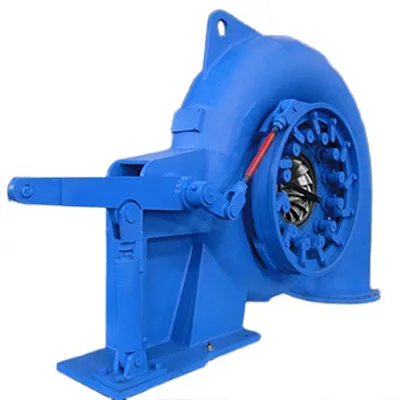


Submersible Vertical Turbine Stainless Steel Vertical Centrifugal Water Pumps
$199.00 - $1999.00
MOQ: 1 Pieces
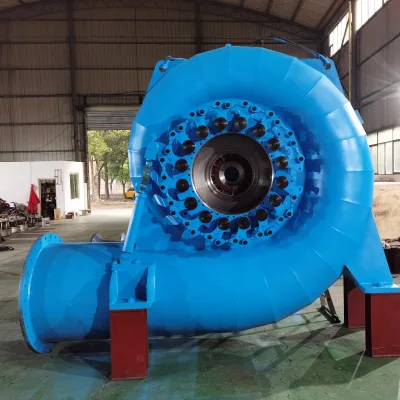
Comprehensive Sourcing Guide
Strategic Sourcing Guide for Low Speed Brushless Water Turbines
Procuring a low-speed brushless water turbine requires a disciplined approach that balances technical performance with supply chain reliability. These units are critical components for micro-hydro and small-scale hydroelectric power plants, where efficiency and durability are paramount. The market offers a diverse array of configurations, from vertical to horizontal setups, each tailored to specific head and flow conditions. Buyers must navigate a landscape defined by varying material compositions, turbine types, and certification standards to ensure the selected equipment meets operational requirements without compromising on safety or longevity.
Technical Architecture and Performance Parameters
The core of a low-speed brushless water turbine lies in its ability to convert hydraulic energy into mechanical energy with minimal rotational speed, directly coupled to a generator. The observed product data indicates a wide spectrum of turbine types available, including Francis, Pelton, Kaplan, Tubular, and Turgo configurations. The selection of the turbine type is strictly dependent on the site-specific water head and flow rate. For instance, the Pelton turbine is often associated with high-head applications, while the Francis turbine is versatile and suitable for medium heads. Specific model numbers such as HL180, A194, and WJ-50 suggest specialized designs for Francis turbines, which are frequently cited in the context of small hydro power plants.
A critical technical specification is the rotational speed. The data explicitly notes a rated speed of 500r/min, classifying these units as medium-speed or low-speed depending on the specific generator coupling. This low rotational speed is advantageous for direct drive systems, eliminating the need for complex gearboxes that introduce maintenance points and efficiency losses. The generator type is consistently identified as a brushless generator, which enhances reliability by removing carbon brushes that wear out over time. The output type is observed as both DC and AC three-phase, indicating that the system can be configured for different grid requirements or battery storage systems.
Material selection is another vital technical consideration. The runner material is frequently specified as stainless steel, offering superior corrosion resistance compared to carbon steel, which is also listed as an option. Stainless steel is particularly recommended for environments with high sediment content or corrosive water qualities. The shaft type is available in both horizontal and vertical orientations, allowing for flexibility in installation based on the physical constraints of the power plant site. The flow rate for specific micro Francis units ranges from 1.06m³/s to 1.3m³/s, providing a benchmark for capacity planning. Efficiency ratings observed in the data reach 86%, a figure that buyers should verify against site-specific conditions, as actual performance depends heavily on the match between the turbine design and the available water head, which in some cases ranges from 39m to 50m.
Compliance, Certification, and Regulatory Standards
In the B2B procurement of industrial machinery, compliance is not merely a formality but a prerequisite for market access and operational safety. The supplied facts highlight several key standards and certifications that buyers should look for. The ISO standard is mentioned multiple times, specifically referencing ISO certification for the manufacturing process. While ISO9001 is a common background expectation for quality management, the explicit mention of ISO in the product attributes suggests that adherence to international quality standards is a baseline requirement.
Electrical and safety compliance is equally critical. The data lists CE and IEC standards, with CE appearing as a specific product standard. The CE marking indicates conformity with health, safety, and environmental protection standards for products sold within the European Economic Area. The IEC (International Electrotechnical Commission) standards are essential for electrical equipment, ensuring that the brushless generator and associated control systems meet global safety benchmarks. Buyers must verify that the specific unit they are purchasing carries the relevant CE and IEC documentation, as these are not automatic guarantees but specific claims that require validation.
Additionally, the product origin is noted as China, with specific locations including Yangzhou, Ganzhou, and Sichuan. While the country of origin is a logistical fact, the standards applied during manufacturing in these regions must be rigorously checked. The presence of a "Standard" attribute alongside specific model numbers implies that the manufacturer adheres to defined industry norms, but the buyer must confirm that these standards align with the regulations of the destination country. For example, if the turbine is to be installed in North America, the CE mark alone may not be sufficient, and local UL or IEEE standards might be required. Therefore, the verification of certification documents should be a primary step in the supplier evaluation process.
Cost Drivers and Pricing Variables
Understanding the cost structure of low-speed brushless water turbines is essential for budgeting and total cost of ownership analysis. The observed price range in the market spans from 1 to 200,000 USD, a vast disparity that reflects the diversity in turbine size, capacity, and complexity. A unit priced at the lower end of this spectrum is likely a small-scale micro turbine, possibly a Pelton or small Francis model intended for remote or off-grid applications. Conversely, the higher end of the range likely corresponds to larger Francis or Kaplan turbines designed for commercial micro-hydro plants with significant power output.
Several factors drive these costs. Material composition is a primary driver; turbines with stainless steel runners are generally more expensive than those with carbon steel due to the higher raw material cost and more complex machining required. The size and weight of the unit also impact pricing. For instance, a single gross weight of 68.000 kg for a micro Francis turbine suggests a substantial manufacturing footprint, which influences material and shipping costs. The packaging method, ranging from plastic to export wood cases and wooden boxes with brackets, adds to the final price, as does the complexity of the internal components like the brushless generator.
Supply ability is another variable affecting cost and availability. The data mentions a supply ability of 50 pieces per month, which suggests that while the manufacturer has capacity, large orders may require careful scheduling. The minimum order quantity (MOQ) is observed as 1, indicating flexibility for small buyers, but bulk orders might negotiate better unit economics. Buyers should also consider the logistics costs associated with the port of dispatch, such as Shanghai or Shenzhen, and the single package size of 100x55x55 cm, which determines shipping volume and freight charges. The warranty period, noted as 12 months, is a cost factor that can vary; a longer warranty might increase the initial purchase price but reduce long-term risk.
Typical Applications and Operational Context
Low-speed brushless water turbines are primarily designed for small hydro power plants and micro-hydro applications. The specific application field is explicitly stated as "small hydro power plant," which encompasses a wide range of scenarios from rural electrification to industrial backup power. The versatility of the turbine types allows them to be deployed in various geographical settings. For example, the Francis turbine, with its specific model numbers like HL180, is well-suited for sites with medium heads and moderate flow rates, making it ideal for river-based installations.
The flow rate and head requirements are critical for matching the turbine to the site. A flow rate of 1.06m³/s to 1.3m³/s combined with a water head of 39m to 50m defines a specific operational envelope. This suggests that these turbines are optimized for sites that are not high-head mountain streams but rather rivers with consistent flow and moderate elevation drops. The ability to customize the product is a significant advantage, allowing buyers to tailor the turbine to unique site conditions that may not fit standard off-the-shelf specifications.
The output type, whether DC or AC three-phase, determines the end-use application. DC output is often used for battery charging systems in remote locations, while AC three-phase is necessary for grid-tied systems or powering industrial machinery. The brushless generator technology ensures that the system can operate reliably with minimal maintenance, which is crucial for applications in remote areas where technical support is scarce. The efficiency rating of 86% indicates a high level of energy conversion, ensuring that the maximum amount of available water energy is captured, which is vital for the economic viability of small hydro projects.
Supplier Evaluation and Quality Assurance
Evaluating a supplier for low-speed brushless water turbines requires a multi-faceted approach that goes beyond simple price comparison. The first step is to verify the supplier's ability to meet the technical specifications. Buyers should request detailed technical drawings and performance curves to confirm that the turbine can operate efficiently at the specific head and flow rates of their site. The mention of specific model numbers like ZDY, GDB, and XJ suggests a catalog of standardized products, but the buyer must ensure that the specific model selected matches their operational needs.
Quality assurance is paramount, and the supplier's certification status is a key indicator of their commitment to quality. The presence of ISO certification and CE compliance should be verified through official documentation. Buyers should also inquire about the manufacturing process, specifically regarding the material quality of the runner and the precision of the machining. The use of stainless steel for the runner material is a positive indicator of durability, but the buyer should request material certificates to confirm the grade and composition.
The supply chain reliability is another critical factor. The observed supply ability of 50 pieces per month indicates that the supplier has a defined production capacity, but buyers should confirm lead times and the ability to scale production for larger orders. The port of dispatch, typically Shanghai or Shenzhen, suggests that the supplier has experience with international logistics, but the buyer should verify the packaging details to ensure that the turbine arrives in good condition. The single package size and gross weight should be used to calculate shipping costs and ensure that the transport method is appropriate for the equipment.
Long-Term Procurement and Maintenance Considerations
Long-term procurement considerations for low-speed brushless water turbines focus on maintenance, spare parts availability, and the overall lifecycle cost. The 12-month warranty is a standard offering, but buyers should negotiate for extended warranty periods or service agreements that cover critical components like the brushless generator and the runner. The availability of spare parts is crucial, especially for specialized components that may not be readily available in the local market.
The maintenance requirements for brushless generators are generally lower than those for brushed generators, but regular inspection of the bearings and shaft alignment is necessary. The bearing number, which is linked to the output type in the data, should be documented to ensure that replacement bearings are compatible. The shaft type, whether horizontal or vertical, also influences the maintenance routine, as vertical shafts may require different lubrication and alignment procedures.
Buyers should also consider the environmental impact and the sustainability of the turbine. The use of stainless steel and the high efficiency rating contribute to a lower carbon footprint compared to fossil fuel alternatives. However, the end-of-life disposal of the turbine should be planned, particularly regarding the recycling of the steel components. The customization options available from the supplier can also play a role in long-term sustainability, allowing for upgrades or modifications as the operational needs of the power plant evolve.
Summary of Key Specifications and Comparison
To facilitate decision-making, the following table summarizes the key technical and commercial attributes observed in the market for low-speed brushless water turbines. This comparison highlights the variability in specifications and helps buyers identify the critical parameters for their specific project.
| Attribute | Observed Values / Options | Relevance for Procurement |
|---|---|---|
| Turbine Type | Francis, Pelton, Kaplan, Tubular, Turgo | Determines suitability for specific head and flow conditions. |
| Shaft Orientation | Horizontal, Vertical | Influences installation layout and civil engineering requirements. |
| Runner Material | Stainless Steel, Carbon Steel | Affects corrosion resistance and long-term durability. |
| Generator Type | Brushless (DC or AC Three Phase) | Impacts maintenance needs and grid compatibility. |
| Rated Speed | 500 r/min (Medium Speed) | Critical for direct drive coupling and efficiency. |
| Efficiency | 86% (Observed) | Benchmark for energy conversion performance. |
| Flow Rate | 1.06m³/s - 1.3m³/s (Micro Francis) | Defines the capacity of the unit for specific sites. |
| Water Head | 39m - 50m (Observed Range) | Essential for matching turbine to site topography. |
| Certification | ISO, CE, IEC | Mandatory for regulatory compliance and safety. |
| Warranty | 12 Months (Standard) | Indicates manufacturer confidence and risk mitigation. |
| Origin | China (Yangzhou, Ganzhou, Sichuan) | Affects logistics, lead time, and potential trade barriers. |
| Packaging | Wood Case, Steel Box, Plywood Case | Impacts shipping safety and cost. |
In conclusion, sourcing a low-speed brushless water turbine requires a thorough understanding of the technical specifications, compliance requirements, and cost drivers. By carefully evaluating the supplier's capabilities and verifying the product attributes against the specific needs of the project, buyers can secure a reliable and efficient solution for their hydro power needs. The diversity of options available, from different turbine types to material choices, offers the flexibility needed to optimize performance and cost for a wide range of applications.
FAQs
What turbine types are available for low speed brushless water turbines?
Available turbine types include Francis, Pelton, Kaplan, Tubular, and Turgo configurations. These options allow selection based on specific water head and flow rate conditions for optimal performance.
Can I customize the specifications for a Low Speed Brushless Water Turbine?
Yes, customization is available for these units to meet specific site requirements. Buyers can tailor the design to unique operational needs rather than relying solely on standard off-the-shelf models.
Which certifications should I verify for a Low Speed Brushless Water Turbine?
Verify ISO certification and CE or IEC standards for compliance. These certifications ensure the manufacturing process meets international quality and safety benchmarks required for industrial machinery.
How is the output type configured for low speed brushless water turbines?
The output type can be configured as DC or AC three-phase depending on the application. This flexibility supports both battery storage systems and grid-tied power generation requirements.
What material is used for the runner in a Low Speed Brushless Water Turbine?
The runner material is typically stainless steel or carbon steel. Stainless steel is preferred for superior corrosion resistance in environments with high sediment content or corrosive water qualities.
What is the typical efficiency rating for a Low Speed Brushless Water Turbine?
Efficiency ratings observed in the data reach up to 86 percent. Actual performance depends heavily on the match between the turbine design and the available water head and flow rate.
Can I find low speed brushless water turbines with a 12-month warranty?
Yes, a 12-month warranty is a standard offering for these products. This warranty period helps mitigate long-term risk for buyers investing in small hydro power plant equipment.