Source Luminous Arabic Watch Dial for Repair, Assembly, and Customization
Explore 30 available options for the Luminous Arabic Watch Dial, comparing specifications like case material, movement type, and dial diameter. Buyers can evaluate features such as hollow designs, day/date displays, and color variations to find suitable components for women's fashion watches and repair projects.
Key considerations
Products List
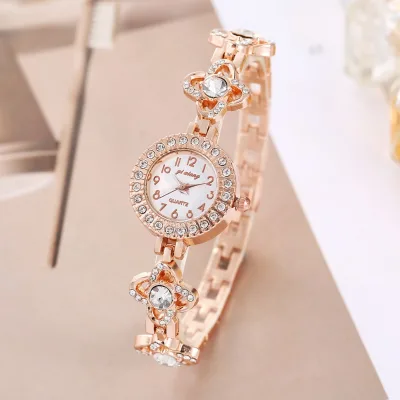
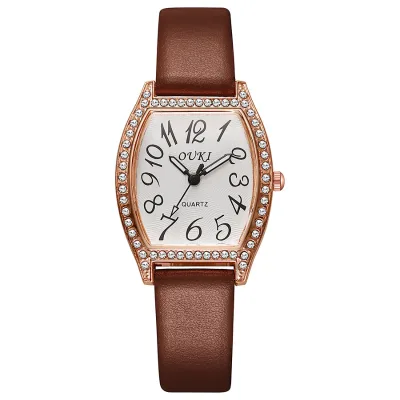
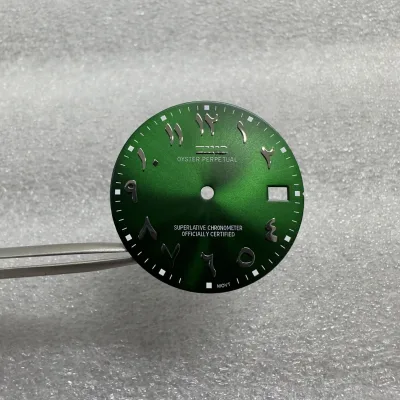
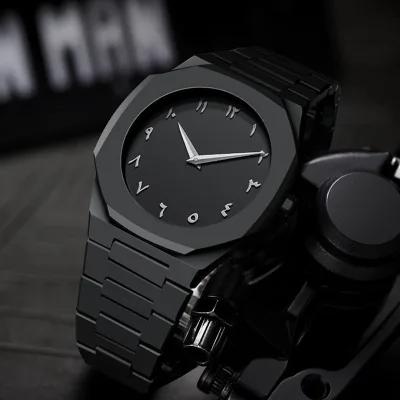
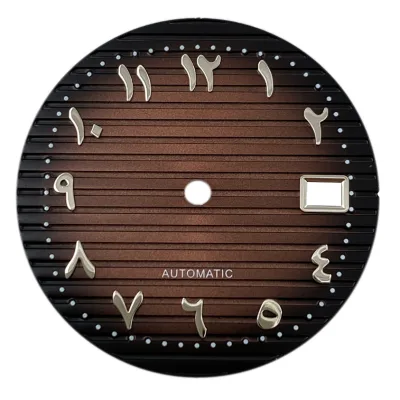
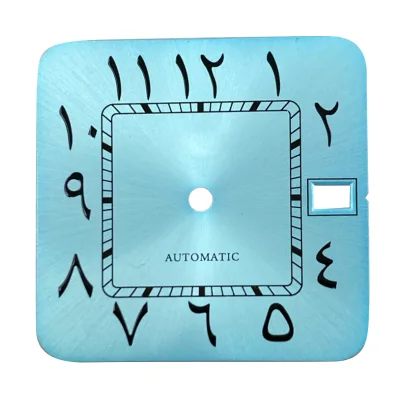
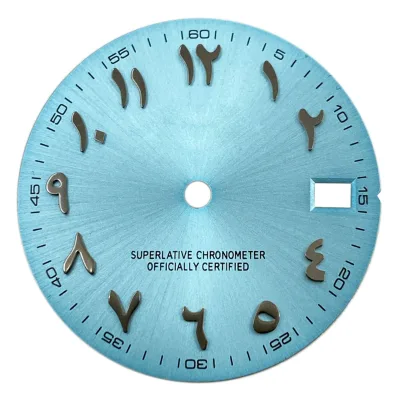


Fashionable Arabic Numeral Dial Casual Quartz Watch Top-Quality Diamond Watch
$65.00 - $350.00
MOQ: 1 Pieces

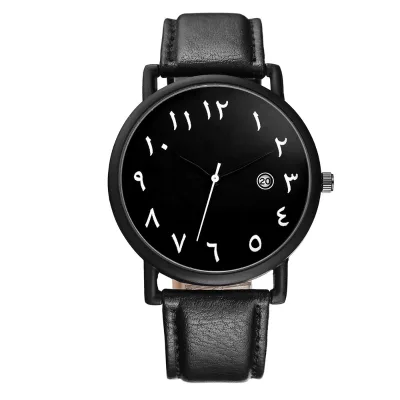
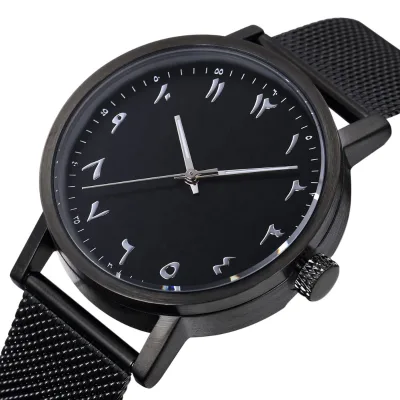
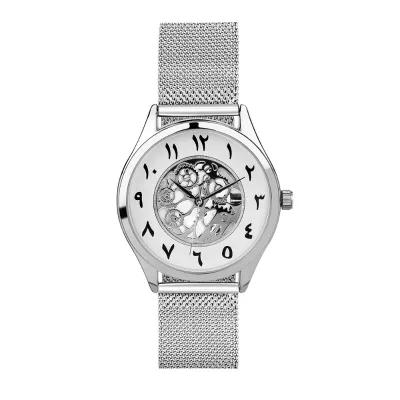
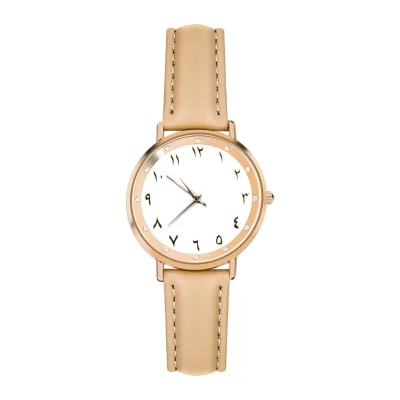

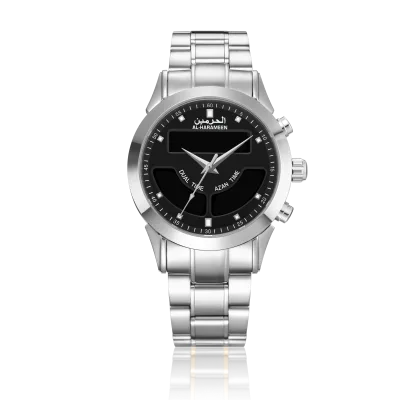
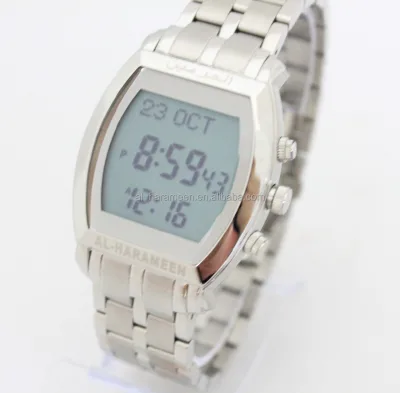


Fashionable Arabic Numeral Dial Casual Quartz Watch Top-Quality Diamond Watch
$45.00 - $180.00
MOQ: 1 Pieces

Comprehensive Sourcing Guide
Strategic Sourcing Guide for Luminous Arabic Watch Dials
Understanding Product Variants and Technical Specifications
When sourcing luminous Arabic watch dials, buyers must first distinguish between complete timepieces and individual dial components, as the supply chain dynamics differ significantly. The market presents a diverse array of specifications, ranging from standard round dials to irregular shapes designed for fashion-forward accessories. A critical observation in the current catalog is the variance in case shapes, with options available in both "Round" and "Irregular" configurations. This distinction directly impacts the compatibility of the dial with existing watch movements and case assemblies.
The physical dimensions of the dial are paramount for successful integration. Specifications indicate dial diameters varying from 22mm to 27mm, with some irregular models measuring 27mm by 3mm. Band widths associated with these dials also fluctuate, typically ranging from 12mm to 16mm. For buyers integrating these components into custom assemblies, the case thickness is a vital constraint; observed data shows thicknesses between 8mm and 10mm. The display type is predominantly "Pointer," utilizing "arabic numeral" scales for readability, which aligns with the core keyword requirements.
Material composition further defines the product's durability and aesthetic appeal. While some complete units feature "Alloy" cases with "Glass" windows, the specific dial components may be constructed from "Metal" or designed with "Plastic" cases depending on the target application. The presence of "Mineral Reinforced Glass Mirror" on certain models suggests a higher tier of scratch resistance for the dial window. Additionally, the movement type is consistently identified as "Quartz," often paired with specific movement brands like "PE21" or generic references to "A286" applications. Buyers must verify that the movement brand and model number align with their assembly requirements, as the "Model Number" field in supplier listings can vary widely, from "hancai0039350" to "CDX-BP-029" and "K7024."
Compliance, Certification, and Safety Verification
In the B2B procurement of watch components, compliance is not merely a formality but a prerequisite for market access, particularly in regions with strict safety regulations. While the provided data does not explicitly list specific certification bodies, buyers must rigorously verify that all materials meet international safety standards. The "Place of Origin" for these products is noted as "Zhejiang, China" and "Guangdong, China," regions known for manufacturing but requiring careful due diligence regarding export compliance.
Buyers should demand documentation confirming that the "Alloy," "Metal," and "Leather" materials used do not contain prohibited heavy metals such as lead, cadmium, or nickel in concentrations exceeding regulatory limits. The "Glass" or "Mineral Reinforced Glass Mirror" used for the dial window must be verified for impact resistance and safety, ensuring it does not shatter into dangerous shards under normal wear conditions. Furthermore, the "Batteries Included" attribute necessitates a check for compliance with battery transport regulations, as lithium or button cells are subject to specific shipping and safety standards.
Although specific certification names are not provided in the source data, the absence of explicit claims regarding ISO standards or RoHS compliance means buyers cannot assume adherence. Instead, procurement teams must request third-party test reports or certificates of conformity from the supplier. This is especially critical for products intended for the "Women" demographic or "Fashion" applications, where consumer safety is a primary concern. The "Feature" of "Day/Date" functionality adds mechanical complexity, requiring verification that the date mechanism does not compromise the structural integrity of the dial or the movement.
Cost Drivers and Pricing Dynamics
The pricing structure for luminous Arabic watch dials is influenced by a complex interplay of material costs, manufacturing complexity, and order volume. The observed price range spans from $0.01 to $899, a vast disparity that reflects the difference between basic dial components and fully assembled, branded timepieces. For buyers focusing solely on the dial component, the lower end of this spectrum is more relevant, whereas the higher end likely includes premium branding, complex movements, and luxury finishes.
Material selection is a primary cost driver. Products utilizing "Alloy" cases and "Glass" windows generally command higher prices than those with "Plastic" cases or basic metal components. The inclusion of "Batteries" and specific "Movement" brands like "PE21" also adds to the unit cost. Furthermore, the "Style" attributes, such as "Morden," "Business," "Casual," "Elegant," and "Fashion," influence pricing through design complexity and finishing techniques. Models featuring "Hollow" designs or specific color combinations like "Rose Gold," "Silver," and "Gold" may incur additional tooling or plating costs.
The Minimum Order Quantity (MOQ) is another significant factor affecting the total cost of ownership. The observed MOQ range is 1 to 600 units. Buyers purchasing small quantities may face higher per-unit costs, while those capable of meeting higher MOQ thresholds can negotiate better pricing. The "Selling Units" are typically listed as "Single item," which simplifies inventory management but may increase the effective cost if the buyer requires bulk packaging solutions. Additionally, the "Weight" of the product, ranging from 15g to 30g, impacts shipping costs, particularly for international logistics where weight-based freight charges apply.
Typical Applications and Market Segmentation
Luminous Arabic watch dials serve a broad spectrum of applications, catering to diverse market segments from high-end fashion to practical utility wear. The "Application" field often cites "A286," indicating compatibility with specific watch movements used in various commercial and industrial timepieces. The "User" demographic is predominantly "Women," suggesting that these dials are frequently designed with aesthetic considerations such as "Rose Gold," "Pink," and "Champagne" color options in mind.
The "Style" attributes provide further insight into market segmentation. Products labeled as "Morden," "Business," and "Elegant" are likely targeted at professional settings, requiring a balance of readability and sophistication. Conversely, "Casual," "Simple," and "Fashion" styles appeal to the lifestyle market, where visual appeal and trendiness take precedence over strict utility. The "Type" classification, including "CHARM," "Fashion," "Antique," and "Luxury," indicates that these dials are often used in accessories that function more as jewelry than as precise timekeeping instruments.
For buyers in the repair and restoration sector, the "Antique" style and specific model numbers are crucial for sourcing replacements that maintain the historical integrity of vintage watches. The "Usage" attribute mentioning "Multi colors" suggests versatility in customization, allowing buyers to source dials that match specific brand identities or seasonal collections. The "Feature" of "Hollow" designs and "Day/Date" displays adds functional depth, making these components suitable for more complex watch faces that require additional visual information.
Supplier Evaluation and Geographic Considerations
Evaluating suppliers for luminous Arabic watch dials requires a focus on geographic consistency and production capabilities. The "Place of Origin" is consistently identified as "Zhejiang, China" and "Guangdong, China," two major manufacturing hubs known for their expertise in watch components and accessories. Buyers should verify that the supplier's physical location matches the stated origin to ensure transparency and traceability.
When assessing suppliers, the "Brand Name" is a key indicator of reliability. Listings such as "CDX" suggest established manufacturers with a track record in the industry. However, buyers must remain cautious of generic listings that lack brand identification, as these may indicate lower quality control or less reliable supply chains. The "Model Number" serves as a unique identifier for each product variant, and suppliers should be able to provide consistent data for these numbers across different batches.
Supplier reliability is also gauged by the clarity of their product specifications. A reputable supplier will provide detailed information on "Case Material," "Dial Window Material Type," "Band Width," and "Dial Diameter." The presence of specific attributes like "Weight," "Case Thickness," and "Movement Brand" indicates a high level of detail in their product descriptions. Buyers should prioritize suppliers who offer comprehensive data sheets and are willing to provide samples for verification before committing to large orders.
Quality Control and Long-Term Procurement Strategy
Implementing a robust quality control (QC) strategy is essential for maintaining product integrity in the long term. Given the "No waterproof" attribute observed in some listings, buyers must ensure that the dials are suitable for their intended application and do not require water resistance unless explicitly specified. The "Clasp Type," typically "Buckle," should be inspected for durability and ease of use, as a faulty clasp can render the entire timepiece unusable.
For long-term procurement, buyers should establish clear communication channels with suppliers regarding "Lead Times" and "Single Package Size." The observed "Single package size" of 6x3x0.5 cm provides a baseline for logistics planning, but variations may exist depending on the specific model. Consistency in "Color" availability is also critical; fluctuations in "Black," "Red," "Pink," "Brown," and "Champagne" options can disrupt production schedules for fashion brands.
Buyers should also consider the "Feature" set, such as "Hollow" designs and "Day/Date" functionality, when planning future product lines. These features often require specialized tooling and may have longer lead times. Establishing a relationship with a supplier who can consistently deliver on these specifications will ensure a steady supply of high-quality components. Finally, regular audits of the "Material" quality, particularly for "Leather" bands and "Alloy" cases, will help prevent defects and maintain brand reputation in the competitive B2B market.
Comparative Analysis of Key Product Attributes
To facilitate informed decision-making, the following table summarizes the key attributes observed in the current market for luminous Arabic watch dials. This comparison highlights the variability in specifications that buyers must navigate.
| Attribute Category | Observed Variations | Key Considerations for Buyers |
|---|---|---|
| Case Shape | Round, Irregular | Verify compatibility with existing case molds. |
| Dial Diameter | 22mm, 27mm, 27x3mm | Ensure precise fit with movement and bezel. |
| Case Material | Alloy, Metal, Plastic | Assess durability and weight requirements. |
| Dial Window | Glass, Mineral Reinforced Glass | Check for scratch resistance and clarity. |
| Color Options | Rose Gold, Silver, Gold, Black, Red, Pink, Brown, Champagne | Match with brand color palette and trends. |
| Movement | Quartz (PE21, A286) | Confirm compatibility with battery type and size. |
| Weight | 15g, 29g, 30g | Impact on user comfort and shipping costs. |
| Water Resistance | No waterproof (observed) | Verify if water resistance is required for the application. |
| Origin | Zhejiang, Guangdong (China) | Verify supplier location for logistics and compliance. |
| Style | Modern, Business, Casual, Elegant, Fashion, Antique | Align with target demographic and market segment. |
This comparative analysis underscores the importance of detailed specification verification. Buyers must carefully cross-reference these attributes with their specific product requirements to avoid mismatches that could lead to production delays or increased costs. By maintaining a disciplined approach to sourcing and quality control, buyers can effectively navigate the complex landscape of Luminous Arabic Watch Dial procurement.
FAQs
What materials are used for the watch dial case?
The watch dial cases are constructed from alloy, metal, or plastic depending on the specific model. Some units feature glass or mineral reinforced glass mirrors for the dial window to ensure scratch resistance and durability during daily wear.
Which dial diameters are available for these watches?
Available dial diameters range from 22mm to 27mm, with some irregular models measuring 27mm by 3mm. Buyers must verify these dimensions to ensure compatibility with their specific watch movements and case assemblies before placing an order.
Can these watches be used in water?
No, the observed products are not waterproof and lack water resistance depth ratings. These timepieces are designed for dry environments and should not be exposed to moisture, making them unsuitable for swimming or heavy rain conditions.
How many batteries are included with the watch?
Yes, batteries are included with the watch units to ensure immediate functionality upon receipt. Buyers should verify battery transport compliance when shipping internationally, as button cells are subject to specific safety regulations for air and sea freight.
What is the minimum order quantity for these items?
The minimum order quantity ranges from 1 to 600 units depending on the supplier and specific product variant. Purchasing small quantities may result in higher per-unit costs, while larger orders often allow for better negotiation on pricing and shipping terms.
Which styles are available for the watch dial design?
Styles include modern, business, casual, simple, elegant, and fashion designs to suit various user preferences. The aesthetic often features colors like rose gold, silver, gold, black, or pink to align with current fashion trends and consumer demands.
Where are these watch dials manufactured?
The products originate from manufacturing hubs in Zhejiang and Guangdong, China. Buyers should verify the specific place of origin to ensure transparency and traceability, as these regions are known for producing diverse watch components and accessories.