Source Luminous Beads SABIKI Rig for Fishing, Lures, and Tackle
Compare 30 listings for Luminous Beads SABIKI Rig options including high carbon steel hooks and glass beads. Buyers can evaluate round and angle shapes, various sizes, and customization availability from suppliers in China and Japan.
Key considerations
Products List



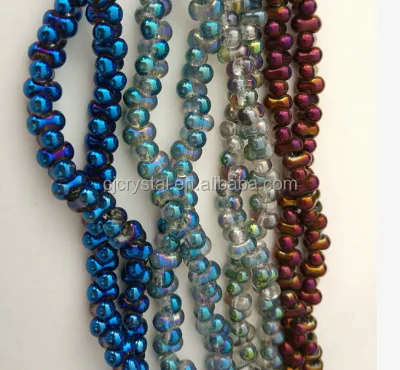
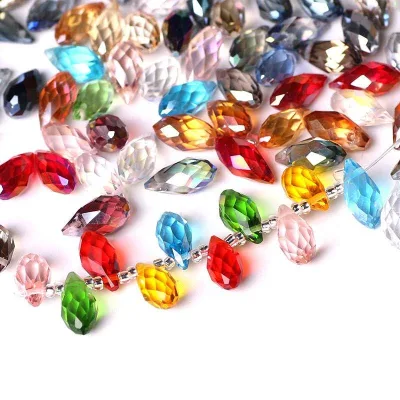
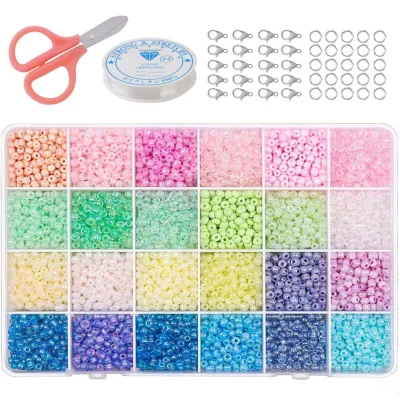

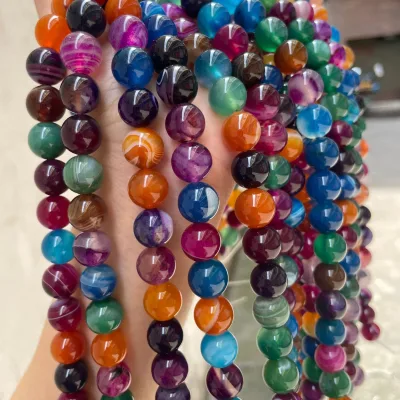
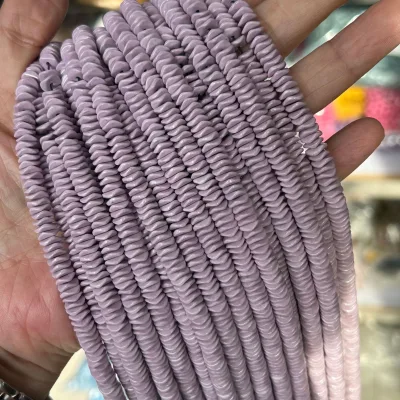
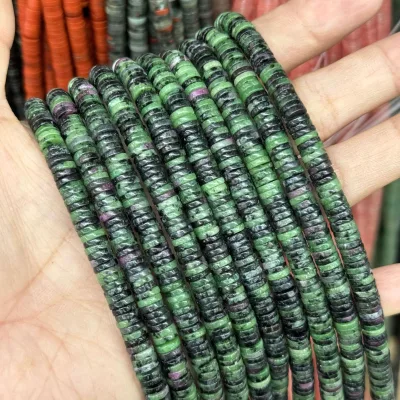
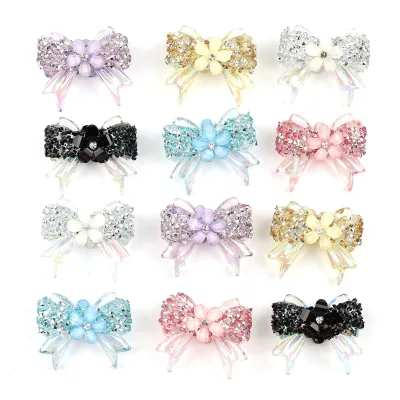
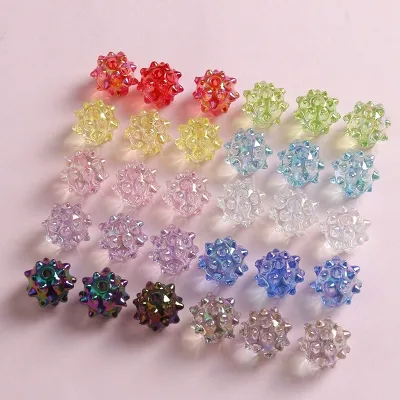
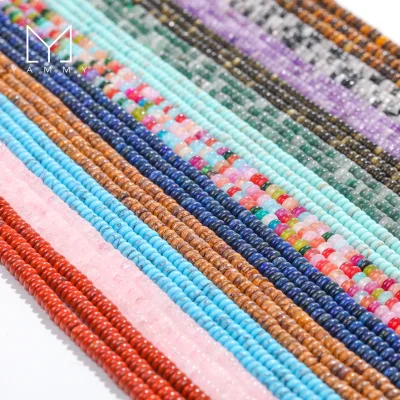
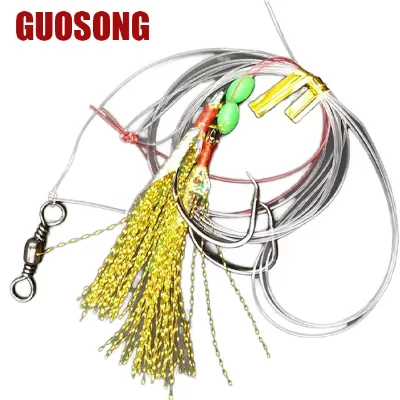


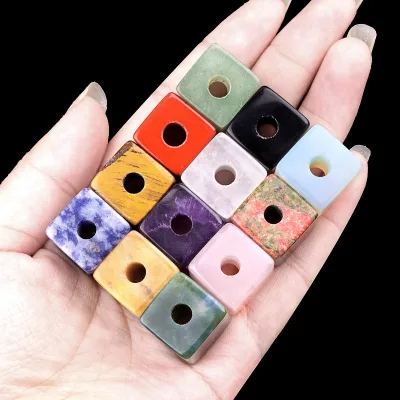




Comprehensive Sourcing Guide
Luminous Beads SABIKI Rig Sourcing Guide
Sourcing luminous beads and sabiki rigs requires a nuanced understanding of materials, optical properties, and structural integrity. These components are critical for attracting predatory fish in low-light conditions, where the bioluminescent or photoluminescent properties of beads interact with the reflective surfaces of the rig. Buyers must distinguish between simple decorative beads and functional fishing tackle components that undergo rigorous stress testing. The procurement process involves evaluating suppliers who specialize in both the optical chemistry of the beads and the metallurgical quality of the steel hooks and swivels that constitute the sabiki rig.
This guide provides a structured approach to evaluating suppliers, verifying technical specifications, and ensuring compliance with international trade standards. It focuses on the intersection of glass bead manufacturing and fishing tackle assembly, highlighting key verification points for material composition, hook strength, and packaging durability. By adhering to these evidence-based procurement strategies, buyers can mitigate risks associated with product failure, inconsistent luminosity, and supply chain disruptions.
Product Scope and Observed Listing Signals
The market for luminous beads and sabiki rigs encompasses a wide range of product configurations, from single-component beads to fully assembled multi-hook rigs. Observed listing signals indicate a diverse inventory, including high-carbon steel hooks in various sizes, such as the 1/0 and 15/0 specifications, which cater to different target species and line strengths. Suppliers often list products with specific model numbers like HY-WH0119 and HY-0106, suggesting a standardized production line for fishing accessories. These signals help buyers identify manufacturers who maintain consistent product lines rather than generic traders with fluctuating inventories.
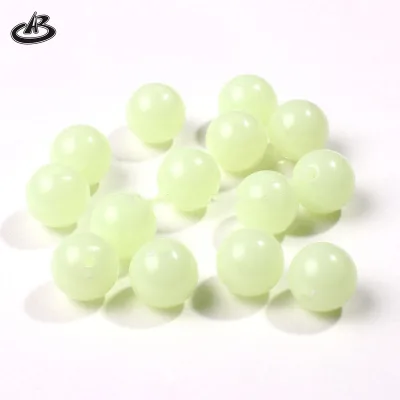
Material composition is a primary differentiator in this category, with listings highlighting high-carbon steel for hooks and glass or crystal for beads. The presence of attributes such as "Lure Color: Pink or Glow" and "Shape: Seed Beads" indicates a focus on visual appeal and functionality. Buyers should note that some suppliers offer customization options, allowing for tailored color schemes and packaging solutions. However, the diversity of listed attributes, including varying package contents like "6set/Bag" or "6PCS/Bag," requires careful verification to ensure that the received goods match the ordered specifications exactly.
Technical Specifications to Verify
Verifying the technical specifications of luminous beads and sabiki rigs is essential for ensuring performance and durability. Buyers must confirm the hook size and line power ratings, as these directly impact the rig's effectiveness in catching fish. For instance, hooks rated for 20lb line power require specific tensile strength tests to prevent breakage during retrieval. Additionally, the size of the beads, such as 6# or 15/0, must be verified against the intended lure size to ensure proper hydrodynamic balance and visual attraction. These specifications are not merely descriptive but are critical performance indicators that must be validated through supplier documentation or third-party testing.
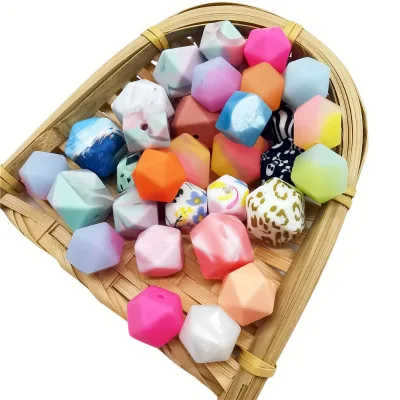
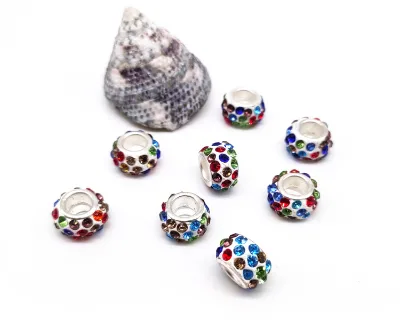
The material properties of the beads, including their luminous duration and color consistency, are equally important. Listings mentioning "Miyuki Seed Beads" or "Crystal, Lampwork & Glass" suggest a range of quality levels, from mass-produced glass to premium optical crystals. Buyers should verify the single package size and gross weight to ensure compatibility with shipping and storage requirements. Furthermore, the shape of the beads, such as "faceted tear drop with one hole at top," affects how light is refracted and how the bead interacts with water currents. These physical attributes must be cross-referenced with supplier samples to confirm that the final product meets the buyer's performance expectations.
Compliance and Safety Documentation
Compliance with international safety and environmental standards is a non-negotiable aspect of sourcing fishing tackle. Buyers must ensure that suppliers provide documentation confirming that their products meet relevant regulations, such as REACH for chemical substances in Europe or CPSIA for consumer products in the United States. This is particularly relevant for luminous beads, which may contain phosphorescent materials that require safety assessments. Suppliers should be able to provide material safety data sheets (MSDS) and certificates of analysis to verify that their products are free from harmful substances like lead or cadmium.
In addition to chemical compliance, buyers should verify that the packaging materials used by suppliers are environmentally friendly and durable. Listings indicating "4 layers.OPPbag and bubble bag in inner, Carton box sealed well by tape" suggest a focus on product protection, but buyers must ensure that these materials do not violate environmental regulations in their target markets. Documentation regarding the origin of materials, such as "Weihai China" or "Japan," can also help buyers assess the reliability of the supply chain and the potential for regulatory scrutiny. By prioritizing compliance documentation, buyers can avoid costly recalls and legal issues associated with non-compliant products.
Cost Drivers and Commercial Terms
Understanding the cost drivers in the luminous beads and sabiki rig market is crucial for effective budgeting and negotiation. Factors such as material quality, hook size, and bead luminosity significantly influence the final price. Suppliers offering "factory sells directly" pricing may provide more competitive rates, but buyers must verify that these prices include all necessary packaging and shipping costs. The observed price range of 0.02-1850 USD reflects the vast diversity in product complexity, from simple beads to fully assembled high-end rigs. Buyers should request detailed quotations that break down costs by component to identify potential savings or hidden fees.
Commercial terms, including minimum order quantities (MOQ) and payment terms, also play a significant role in the procurement process. Observed MOQ ranges of 1-1000 units suggest flexibility, but buyers should negotiate terms that align with their inventory management strategies. Suppliers may offer sample units for quality verification, as indicated by "Sample: Freely" or "Sample: Acceptable," which can help buyers assess product quality before committing to large orders. Additionally, buyers should clarify the supply ability, such as "100000 pieces per Week," to ensure that the supplier can meet their demand during peak seasons. Clear communication of these terms can prevent misunderstandings and ensure a smooth transaction.
Supplier Qualification and Quality Control
Supplier qualification is a critical step in mitigating procurement risks. Buyers should conduct thorough due diligence to verify the supplier's manufacturing capabilities, quality control processes, and financial stability. This includes reviewing their production facilities, checking for relevant certifications, and assessing their track record in the industry. Suppliers with a history of producing high-quality fishing tackle, such as those offering "Good Quality" products, are generally more reliable. Buyers should also verify the supplier's ability to handle customization requests, as indicated by "Customization: Available," to ensure they can meet specific product requirements.
Quality control measures should be integrated into the procurement process to ensure consistent product quality. Buyers should request pre-shipment inspections to verify that the products meet the agreed-upon specifications. This includes checking the hook strength, bead luminosity, and packaging integrity. Suppliers who provide detailed packaging details, such as "woven bag sealed well by tape in outside," demonstrate a commitment to product protection. By implementing rigorous quality control checks, buyers can minimize the risk of receiving defective products and maintain customer satisfaction.
Long-Term Procurement Checks
Long-term procurement success depends on establishing strong relationships with suppliers and continuously monitoring performance. Buyers should conduct regular audits to assess the supplier's adherence to quality standards and delivery schedules. This includes reviewing their response to issues, such as product defects or shipping delays, and evaluating their willingness to implement corrective actions. Suppliers who demonstrate a proactive approach to problem-solving are more likely to be reliable long-term partners. Additionally, buyers should stay informed about market trends and technological advancements in fishing tackle to ensure that their product offerings remain competitive.
Continuous improvement is essential for maintaining a competitive edge in the market. Buyers should encourage suppliers to innovate and develop new products that meet evolving customer needs. This may include exploring new materials for beads or hooks, or developing more sustainable packaging solutions. By fostering a collaborative relationship with suppliers, buyers can drive innovation and improve product quality over time. Regular communication and feedback loops can help identify areas for improvement and ensure that both parties are aligned on strategic goals. This long-term perspective is key to building a resilient and successful supply chain.
FAQs
What materials are used for luminous beads sabiki rigs?
High carbon steel is the primary material used for these rigs to ensure durability and strength during fishing. The beads themselves may be made from glass or crystal to provide the necessary luminous effect in low-light conditions.
Can I customize the shape of the sabiki rig hooks?
Customization is available for the shape of the hooks to meet specific fishing requirements. Buyers can request different configurations such as round or angle shapes depending on the target species and fishing technique.
What is the minimum order quantity for these fishing rigs?
The minimum order quantity ranges from 1 to 1000 units depending on the specific product model and supplier. Some items like beads may have a minimum order of 10 grams while others start at single unit quantities.
How are the luminous beads packaged for shipping?
The products are typically packaged in bags containing six sets or pieces per bag. Additional protection includes OPP bags, bubble bags, and sealed carton boxes to ensure safety during transit.
Which hook sizes are available for the sabiki rig models?
Available hook sizes include 1/0, 6#, and various sizes ranging from 1# to 26#. Specific models like HY-WH0119 and HY-0106 offer different size options to suit various fishing needs.
Where are these fishing products manufactured?
These products originate from Weihai, China, which is a known hub for fishing gear manufacturing. Some related components like seed beads may also be sourced from Japan or Zhejiang, China.
What is the line power rating for these rigs?
The line power rating for these rigs is specified as 20lb, ensuring they can handle moderate to heavy fishing loads. This rating helps anglers select the appropriate rig for their specific fishing conditions.