Source Lunch Bag Options for Road Trips, Picnics, and Hiking
Explore 30 distinct Lunch Bag models suitable for road trips, picnics, and hiking. Compare features like polyester construction, zipper closures, and cold retention times to find the ideal insulated carrier for your outdoor needs.
Key considerations
Products List


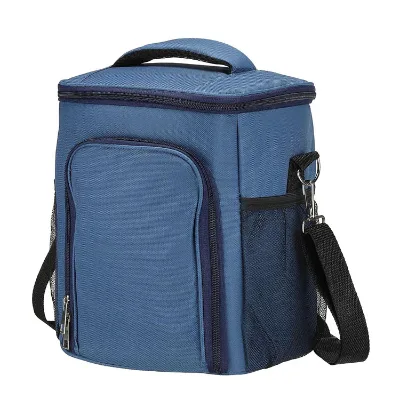


Grey Waterproof Large Lunch Backpack Bag Portable Wholesale and Handed Lunch Bag
$5.00 - $6.00
MOQ: 1000 Pieces

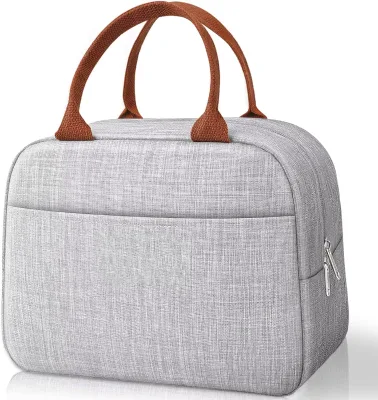


Comprehensive Sourcing Guide
Lunch Bag Sourcing Guide
Sourcing lunch bags requires a nuanced understanding of material durability, thermal performance, and customization capabilities. The market offers a diverse range of options, from high-capacity insulated totes designed for group outings to compact, lightweight carriers for individual use. Buyers must navigate varying specifications, including capacity limits, weight constraints, and specific usage scenarios such as road trips, beach parties, or daily grocery shopping. The decision-making process hinges on aligning these physical attributes with the end-user’s needs while ensuring that commercial terms and supplier qualifications meet organizational standards.
This guide provides a structured approach to evaluating Lunch Bag suppliers based on observed market signals and technical requirements. It emphasizes the importance of verifying key product attributes, such as insulation time, material composition, and waterproofing features, before committing to large orders. By focusing on evidence-based verification steps and commercial due diligence, procurement teams can mitigate risks associated with quality inconsistencies and ensure that the final products meet both functional expectations and branding requirements.
Product Scope and Observed Listing Signals
The current market landscape for lunch bags reveals a wide spectrum of product types, ranging from shoulder bags and tote bags to handled leisure carriers. Observed listings indicate that products are available in various colors, including red, purple, pink, orange, green, gray, blue, and black, with some models featuring contrast color fashion elements. The style of these bags varies significantly, with options designed for specific occasions such as beach parties, outdoor activities, campus use, and general traveling. This diversity allows buyers to select products that align with specific target demographics, whether for unisex everyday use or specialized outdoor adventures.
Capacity and weight specifications are critical differentiators in this category. Some models offer super capacity with a bearing capacity of 2-3 kg, suitable for larger groups or extensive picnics, while others are designed for medium capacity, holding more than 12 cans. The gross weight of the bags themselves also varies, with some lightweight options weighing less than 0.1 kg and others ranging up to 1 kg. These variations impact shipping costs and user convenience, making it essential for buyers to match the product’s physical attributes with the intended usage scenario, such as hiking, grocery shopping, or short-term storage needs.
Technical Specifications to Verify
Thermal performance is a primary technical consideration for lunch bags, with cold retention times varying significantly across models. Buyers should verify whether a product offers cold time exceeding 6 hours, which is suitable for all-day outings, or if it provides 2-3 hours of insulation, which may be sufficient for shorter commutes or quick meals. Additionally, soaking time specifications, such as 4-6 hours, may indicate the material’s ability to maintain temperature stability under specific conditions. These metrics are crucial for ensuring that the product meets the functional requirements of the end-user, particularly in environments where temperature control is vital for food safety and quality.
Material composition and construction details further define the product’s durability and functionality. Polyester is a common material, offering a balance of strength and flexibility, with some products described as having a medium soft hardness. Waterproof features are essential for outdoor use, protecting contents from rain or spills. Buyers should also verify the closure mechanism, with zipper closures being a standard for secure storage. Furthermore, the bearing capacity and weight limits, such as limits exceeding 10 kg for certain heavy-duty models, must be confirmed to ensure the bag can withstand the intended load without structural failure.
Compliance and Safety Documentation
While specific certification statuses are not universally disclosed in general listings, buyers must ensure that suppliers can provide relevant safety and quality documentation upon request. For products intended for food contact, verifying compliance with local food safety regulations is paramount. This includes ensuring that the materials used, such as polyester linings or outer fabrics, are free from harmful substances and meet hygiene standards. Buyers should request material safety data sheets (MSDS) or equivalent documentation to confirm that the products are safe for repeated use and do not leach chemicals into food items.
Customization processes, such as logo printing and gravure printing, introduce additional compliance considerations. Buyers must verify that the inks and adhesives used in printing processes, including laminating, are non-toxic and durable. This is particularly important for products that will be washed or exposed to moisture frequently. Additionally, suppliers should be able to demonstrate that their manufacturing processes adhere to environmental and labor standards, which can be critical for corporate social responsibility (CSR) reporting and brand reputation management.
Cost Drivers and Commercial Terms
Pricing in the Lunch Bag market is influenced by factors such as material quality, customization complexity, and order volume. Observed price ranges vary, reflecting differences in product features and supplier positioning. Buyers should be aware that lower prices may correlate with simpler designs or standard materials, while higher prices may indicate advanced insulation technology, premium fabrics, or extensive customization options. Understanding these cost drivers helps in budgeting and negotiating effectively with suppliers, ensuring that the final cost aligns with the expected value and quality of the product.
Minimum Order Quantities (MOQs) and packaging details are significant commercial terms that impact procurement strategy. MOQs can range from 20 to 1000 units, depending on the supplier and product type. Buyers should assess whether their order volume aligns with these MOQs to avoid excess inventory or production delays. Packaging methods, such as individual OPP bags or bulk packing with 100 pieces per carton, also affect logistics and storage costs. Clear agreement on these terms ensures smooth transaction execution and minimizes unexpected expenses related to handling and distribution.
Supplier Qualification and Quality Control
Supplier qualification is a critical step in ensuring consistent product quality and reliable delivery. Buyers should verify the supplier’s origin, with many products originating from China, and assess their capability for OEM and ODM services. The acceptance of customized logos and standards indicates a supplier’s flexibility in meeting specific brand requirements. However, buyers must conduct thorough due diligence to confirm the supplier’s production capacity, quality management systems, and track record in fulfilling similar orders. This includes reviewing their response to customization requests and their ability to maintain consistency across large production runs.
Quality control measures should be established before production begins. Buyers should define clear acceptance criteria for product attributes such as color accuracy, stitching quality, and zipper functionality. Regular inspections, including pre-production samples and during-production checks, help identify and rectify issues early in the manufacturing process. Additionally, buyers should verify the supplier’s ability to provide consistent packaging and labeling, ensuring that each unit meets the specified standards. Establishing a robust quality control framework minimizes the risk of receiving defective products and ensures customer satisfaction.
Long-Term Procurement Checks
Long-term procurement success depends on continuous monitoring of supplier performance and product quality. Buyers should establish key performance indicators (KPIs) to track metrics such as on-time delivery, defect rates, and responsiveness to issues. Regular feedback loops with suppliers facilitate continuous improvement and address any emerging challenges promptly. Additionally, staying informed about market trends and technological advancements in Lunch Bag design allows buyers to adapt their sourcing strategies and maintain a competitive edge. This proactive approach ensures that the procurement process remains efficient and aligned with evolving business needs.
Sustainability and ethical sourcing are increasingly important considerations in long-term procurement. Buyers should evaluate suppliers’ commitment to environmental practices, such as the use of recyclable materials or energy-efficient manufacturing processes. Verifying the supplier’s adherence to ethical labor standards and corporate social responsibility initiatives enhances brand reputation and aligns with consumer expectations. By integrating these factors into the procurement strategy, buyers can build resilient supply chains that deliver value while contributing to positive social and environmental outcomes.
FAQs
Can I customize the logo on the Lunch Bag?
Yes, logo customization is available for this product. The listing confirms that OEM services are accepted and logos can be customized to meet specific branding requirements for bulk orders.
What is the cold retention time for this bag?
The cold retention time varies by model, with some lasting over six hours and others between two to three hours. This depends on the specific product model selected and the insulation properties of the polyester material.
Which capacity options are available for the Lunch Bag?
Capacity options range from 10 liters to super capacity designs suitable for 3-4 persons. Some models are specified to hold more than 12 cans, while others are categorized as medium capacity for general use.
How much does the Lunch Bag weigh?
The gross weight varies significantly by model, ranging from less than 0.1 kg to between 0.5 and 1 kg. Most lightweight options weigh under 0.5 kg, making them easy to carry for various occasions.
What materials are used to make the Lunch Bag?
The primary material used is polyester, which offers durability and flexibility. The product features a medium soft hardness and is designed to be waterproof for use in outdoor and beach environments.
Can I order the Lunch Bag with specific printing?
Yes, the product supports gravure printing and laminating processes for custom designs. Buyers can request specific printing styles to ensure the final product meets their aesthetic and branding needs.
What is the minimum order quantity for this bag?
The minimum order quantity ranges from 20 to 1000 pieces depending on the supplier and specific model. Packaging options include individual OPP bags or bulk packing of 100 pieces per carton.