Source Luxurious Glass Perfume Bottle for Cosmetics and Gifts
Find a Luxurious Glass Perfume Bottle from 30 available options. Compare features like pump sprayers, narrow necks, and recyclable materials. Options include 30ml to 100ml volumes with OEM customization for personal care and daily use applications; compare the available evidence and request quotations based on your requirements.
Key considerations
Products List


Luxury Premium Glass Perfume Bottle with Gold Cap Elegant Fragrance Storage
$0.20 - $0.80
MOQ: 10000 Pieces


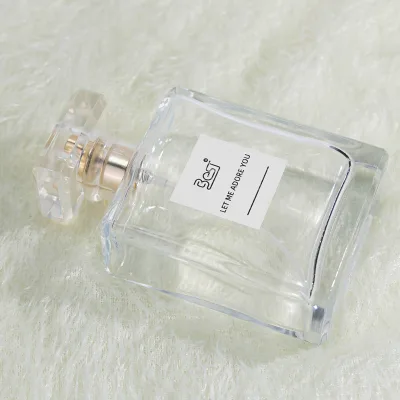


High-End Luxurious Glass Perfume Bottle with Glass Dropper for Cosmetic
$0.10 - $0.11
MOQ: 10000 Pieces

Elegant and High - Quality Square Glass Perfume Bottles - Ideal for Luxury Fragrances
$0.19 - $0.55
MOQ: 5000 Pieces


Eco-Friendly Stylish 50ml Glass Perfume Bottle with Sophisticated Design
$0.44 - $0.56
MOQ: 2000 Pieces


Comprehensive Sourcing Guide
Luxurious Glass Perfume Bottle Sourcing Guide
The market for luxurious glass perfume bottles presents a diverse array of options ranging from cylindrical and square profiles to round designs, all primarily constructed from melt glass. Buyers must carefully distinguish between narrow mouth bottles equipped with pump sprayers and those utilizing screw closures, as the sealing mechanism directly impacts the user experience and product integrity. The observed listings indicate a strong focus on daily use and personal care applications, with specific models designed for gift packaging or adult demographics.
Procurement decisions should prioritize the specific volume requirements, as the available inventory spans from 10ml to 100ml capacities, with standard offerings often centered around 50ml and 80ml formats. While some suppliers offer customizable neck sizes such as 15mm, 18mm, or 20mm, others adhere to fixed specifications like the 15mm neck size found in specific screw-cap models. Understanding these dimensional variances is critical for ensuring compatibility with existing filling lines and final packaging aesthetics.
Product Scope and Observed Listing Signals
Buyers should note that the observed product range includes transparent glass bottles alongside black variants, with surface handling techniques like screen printing and hot stamping available for branding. The shape diversity extends from classic cylinders to modern squares and rounds, allowing for distinct brand positioning in the luxury segment. These visual attributes are often paired with features emphasizing recyclability and degradability, aligning with modern sustainability expectations for cosmetic packaging.
Commercial signals indicate that while some listings suggest low minimum order quantities, the high-confidence data points to substantial volume requirements, often starting at 10,000 or 20,000 pieces. This discrepancy requires immediate clarification with potential suppliers to avoid procurement bottlenecks. Additionally, the availability of OEM and ODM services suggests that customization is a key differentiator, though the specific extent of this customization must be verified against the supplier's actual production capabilities.
Technical Specifications to Verify
Verification of the glass type is essential, as the core material is identified as melt glass, which offers specific durability and clarity characteristics suitable for premium fragrances. Buyers must confirm the exact volume standard, as listings reference multiple capacities including 30ml, 50ml, 80ml, and 100ml, with some models strictly adhering to the 50ml or 100ml standards. Ensuring the bottle volume matches the intended product fill is a primary technical check before finalizing any order.
The closure system requires precise attention, with pump sprayers and screw caps being the dominant types observed in the market. Specific neck sizes such as 15mm, 18mm, and 20mm are available, but compatibility with the chosen pump or cap must be validated to prevent leakage or dispensing issues. Furthermore, the surface handling methods, including screen printing and hot stamping, should be reviewed to ensure they meet the desired aesthetic standards without compromising the structural integrity of the glass.
Compliance and Safety Documentation
While specific certifications like ISO 9001 or CE are mentioned in background data, buyers should not assume these are universally held by all listed suppliers without direct verification. The primary focus for compliance should be on the material safety and the recyclability claims associated with the glass and its components. Since the products are intended for personal care and cosmetics, ensuring that the glass and any printed inks or coatings do not leach harmful substances is a critical safety requirement.
Documentation regarding the packaging standards is equally important, as the listings reference export standard packaging, standard safety export cartons, and palletized shipping. Buyers must confirm that the packaging design protects the fragile glass bottles during transit, especially given the high volume nature of these orders. Verifying that the supplier adheres to the stated export standards helps mitigate the risk of damage and ensures that the product arrives in pristine condition for retail distribution.
Cost Drivers and Commercial Terms
The cost structure for these glass bottles is heavily influenced by the minimum order quantity, which frequently ranges from 10,000 to 20,000 pieces, significantly impacting the unit price. Buyers must account for the fact that lower MOQs, sometimes observed in general listings, may not reflect the actual production capacity for custom or specific model runs. Understanding the true volume threshold is necessary to negotiate effective pricing and avoid unexpected cost escalations due to small batch premiums.
Payment terms and logistics arrangements are also key commercial factors, with options including T/T, Western Union, PayPal, and LC, alongside shipping methods via ship, air, or courier. The choice of payment method and shipping mode will directly affect the total landed cost and cash flow management for the procurement cycle. Buyers should align these terms with their internal financial policies and ensure that the logistics provider can handle the specific export packaging requirements to maintain product safety.
Supplier Qualification and Quality Control
Supplier qualification should focus on their ability to handle large-scale production runs, given the high MOQs observed in the high-confidence data. The acceptance of OEM and ODM services indicates a capacity for customization, but buyers must verify the supplier's track record in maintaining consistent quality across large batches. It is crucial to assess their production facilities to ensure they can meet the specific volume and customization demands without compromising on the glass quality or printing precision.
Quality control processes must be rigorously defined, particularly regarding the surface handling and sealing integrity of the bottles. Since the products are used for cosmetics and personal care, any defects in the pump sprayer or screw cap mechanism can lead to product failure and brand damage. Buyers should request detailed quality control reports and consider implementing third-party inspections to verify that the bottles meet the specified standards for volume, neck size, and visual appearance before shipment.
Long-Term Procurement Checks
Establishing a long-term relationship with a supplier requires consistent monitoring of their ability to maintain the specified product standards over time. Buyers should regularly audit the supplier's production processes to ensure that the glass type, volume, and closure mechanisms remain consistent with the initial samples and agreements. This ongoing verification helps prevent drift in product quality that could occur as production scales or as raw material sources change.
Sustainability and feature consistency are also critical for long-term procurement success, as the market increasingly values recyclable and degradable packaging solutions. Buyers must ensure that the supplier continues to meet these feature requirements and that the packaging remains compliant with evolving environmental regulations. Regular reviews of the supplier's performance against these long-term goals will help maintain a reliable supply chain that supports the brand's reputation and operational efficiency.
FAQs
What glass types are used for these bottles?
These bottles are crafted from melt glass, providing a clear and durable structure suitable for luxury packaging. The transparent finish enhances the visual appeal of the contents inside. This material choice ensures high-quality presentation for cosmetic and personal care products while maintaining structural integrity during shipping and daily use.
Which closure types are available for these bottles?
Available closures include pump sprayers and spray pumps, designed for precise application. These mechanisms are ideal for perfumes and lotions. The narrow mouth design ensures a secure fit with the selected closure type, preventing leaks and maintaining product freshness. This versatility allows buyers to choose the best dispensing method for their specific formulation needs.
What volume capacities are offered for these glass bottles?
Standard capacities range from 10ml to 100ml, including specific options like 30ml, 50ml, 80ml, and 100ml. These sizes cater to various product types, from travel-sized samples to full-size personal care items. The volume options allow for flexible packaging strategies, ensuring the right fit for different market segments and consumer preferences in the global beauty industry.
Can these bottles be customized with logos or designs?
Yes, customization is available, including screen printing and hot stamping for logos. OEM and ODM services are accepted to meet specific brand requirements. Buyers can tailor the appearance to match their brand identity. This flexibility supports unique marketing strategies and helps products stand out on shelves, ensuring a professional and cohesive look for luxury cosmetic lines.
What is the typical MOQ for these glass bottles?
The typical minimum order quantity is 10,000 pieces, though some listings indicate a baseline of 2,000 pieces. This MOQ structure supports both large-scale production runs and smaller initial orders. Buyers should verify specific requirements with suppliers, as policies may vary. Understanding these thresholds helps in planning inventory and managing cash flow effectively for bulk procurement.
How are these bottles packaged for export?
Bottles are packaged using export standard packaging, often in standard safety export cartons or on pallets. This method ensures protection during transit by ship, air, or courier. Secure packaging minimizes the risk of breakage, which is crucial for glass products. This approach guarantees that items arrive in pristine condition, ready for immediate use or further distribution to end consumers.