Source Perfume Oil for Designer Fragrance, Daily Flavor, and Cosmetic Blends
Find 30 listings for Perfume Oil sourced from Guangdong, China. Compare top-grade synthetic and vegetable-origin options with MSDS and COA certifications. Evaluate MOQs, packaging sizes, and shelf life to select the right essence for your manufacturing needs; compare the available evidence and request quotations based on your requirements.
Key considerations
Products List
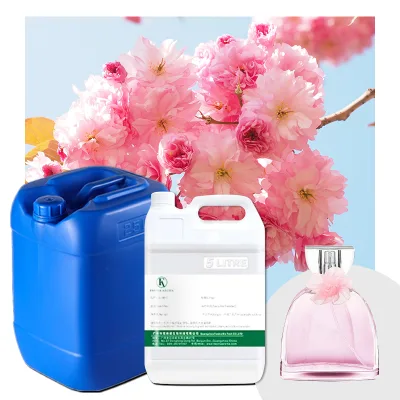
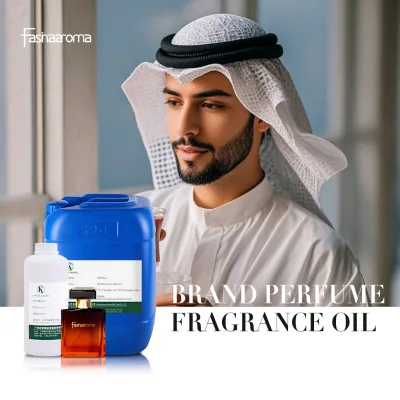
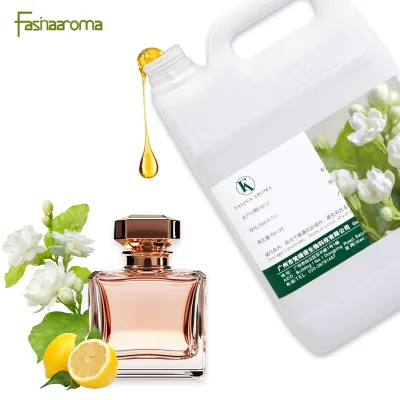


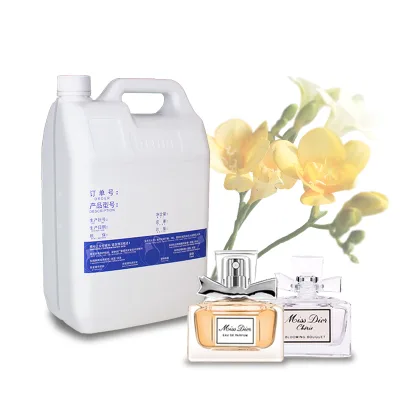
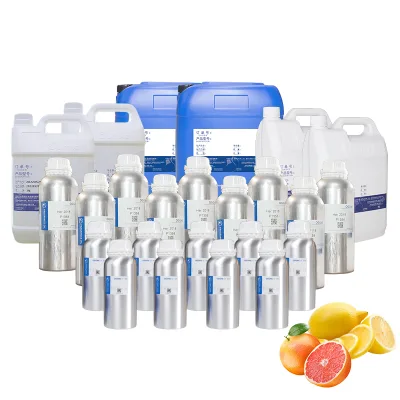


Fragrance Oil Perfume Oil for DIY Candles and Toothpaste Essential Oil Raspberry Scented
$15.00 - $27.00
MOQ: 1 kilograms


Comprehensive Sourcing Guide
Perfume Oil Sourcing Guide
Buyers seeking fine fragrance oils for designer perfume creation must first recognize the specific market signals present in current listings. The available inventory predominantly features synthetic flavor and fragrance types labeled as top-grade materials, often described with keywords like "concentrated perfume essence" or "famous brand perfume fragrance oil." These products are explicitly marketed for the purpose of making branded perfumes, with a distinct focus on daily flavor applications and modern scent profiles.
Procurement decisions should account for the variability in physical presentation observed across suppliers, ranging from single items in plastic bottles to bulk packaging options of 2kg, 5kg, or 25kg. While some listings indicate a single gross weight of 7.5kg for specific package sizes, others suggest lighter units of 5kg or 1kg per bottle. This inconsistency requires buyers to carefully verify the exact packaging configuration and weight specifications before finalizing any order to ensure alignment with their production volume needs.
Product Scope and Observed Listing Signals
The core product category encompasses liquid fragrance oils designed for Eau de Parfum and Eau de Cologne formulations, characterized by a light yellow color and a pleasant, selected scent profile. These synthetic oils are derived from vegetable-origin raw materials and are typically supplied in a liquid state within plastic bottle containers. The product descriptions frequently highlight customization availability, suggesting that suppliers may offer tailored solutions for specific brand requirements or scent adjustments.
Buyers must navigate a wide range of observed listing attributes, including varying shelf lives of two years and different sample provisions, such as freely provided 10ml or 10-20ml bottles. The market data indicates a price range between 2 and 80 USD, with minimum order quantities fluctuating between 1 and 20 units, though some specific listings cite a standard MOQ of 5kg. This variance necessitates a clear definition of the required quantity and sample strategy before engaging with potential vendors to avoid procurement delays.
Technical Specifications to Verify
Technical due diligence requires confirming the precise physical and chemical attributes of the fragrance oil, specifically the state, color, and grade. Buyers should verify that the product matches the observed "light yellow" liquid state and "top grade" classification, while also checking the specific model numbers like NS-P001 or other identifiers that may vary by supplier. The packaging dimensions also vary significantly, with observed sizes ranging from 14x12x16 cm to 18x18x18 cm, which impacts storage and logistics planning.
Verification of the product's intended usage level is critical, as listings distinguish between general daily flavor applications and specific perfume making uses. Buyers must confirm the concentration level, noting that some products are specified as Eau de Cologne while others target Eau de Parfum formulations. Additionally, the storage requirements, typically cited as a dry, cool, and dark place, must be integrated into the buyer's supply chain logistics to maintain the integrity of the fragrance oil over its two-year shelf life.
Compliance and Safety Documentation
Safety and regulatory compliance are paramount when sourcing fragrance oils, with suppliers frequently providing Material Safety Data Sheets (MSDS) and Certificates of Analysis (COA). These documents are essential for verifying the chemical composition and ensuring the product meets safety standards for handling and transport. Buyers should explicitly request these documents for every batch to confirm that the synthetic flavor and fragrance oil adheres to the necessary safety protocols for industrial and cosmetic use.
Beyond basic safety data, some listings indicate additional certifications such as ISO, CE, or specific industry standards like ISO 22716, though the exact status of these certifications should be independently verified. The presence of these documents suggests a higher level of quality control, but buyers must not assume compliance based solely on marketing claims. It is advisable to cross-reference the provided certificates with the actual product batch to ensure that the documentation accurately reflects the specific goods being supplied.
Cost Drivers and Commercial Terms
Commercial terms in this sector are influenced by the minimum order quantity, which can range from single items to bulk orders of 5kg or more. The observed price range of 2 to 80 USD suggests significant variation based on volume, packaging, and specific customization requests. Buyers should analyze the cost per unit across different packaging sizes, such as 1kg bottles versus 25kg drums, to determine the most economical procurement strategy for their production scale.
Lead times and delivery schedules also play a crucial role in total cost of ownership, with some suppliers offering rapid delivery times of 3 to 5 days. However, these timelines may vary depending on the order size and the specific location of the supplier, which is often cited as Guangdong or Guangzhou, China. Buyers must factor in potential shipping costs and customs duties when calculating the final landed cost, ensuring that the quoted price aligns with the actual delivery timeline and logistical requirements.
Supplier Qualification and Quality Control
Supplier qualification should focus on verifying the origin of the product, with many listings indicating a place of origin in Guangdong or Guangzhou, China. Buyers must assess the supplier's ability to provide consistent quality, particularly given the variation in observed product attributes like single gross weights and package sizes. Establishing a clear communication channel for quality control is essential to ensure that the "top grade" designation is consistently met across all production batches.
Quality control protocols should include rigorous testing of the fragrance oil's odor, color, and state to ensure they match the agreed specifications. Buyers should request sample testing before committing to large orders, utilizing the freely provided 10ml or 10-20ml samples to validate the scent profile and concentration. Implementing a strict acceptance criteria based on the observed product attributes will help mitigate the risk of receiving substandard materials that could compromise the final perfume product.
Long-Term Procurement Checks
Long-term procurement success depends on establishing a reliable supply chain that can consistently meet the demand for high-quality fragrance oils. Buyers should monitor the supplier's ability to maintain the two-year shelf life and ensure that storage conditions are strictly adhered to during transit and warehousing. Regular audits of the supplier's quality control processes and certification status will help maintain the integrity of the supply chain over time.
Continuous evaluation of the supplier's performance is necessary to adapt to changing market conditions and product requirements. Buyers should track the consistency of delivery times, the accuracy of the provided documentation, and the reliability of the product specifications. By maintaining a proactive approach to supplier management, buyers can ensure a steady supply of fine fragrance oils that meet their specific needs for designer perfume production.
FAQs
What is the purity level of the Fasina Perfume Oil?
The Fasina Perfume Oil has a purity level of 85%. This concentration ensures a strong and lasting scent profile suitable for creating designer perfumes. The product is classified as a top-grade synthetic fragrance, providing consistent quality for professional perfume making applications.
Can I get a sample before placing a bulk order?
Yes, samples are freely provided in quantities of 10 to 20 milliliters. This allows buyers to test the scent and quality before committing to larger purchases. The sample size is sufficient for evaluating the fragrance characteristics and suitability for your specific perfume formulation needs.
What certifications does the Perfume Oil product hold?
The product holds MSDS and COA certifications. These documents verify safety data and composition analysis, ensuring the fragrance oil meets standard industry requirements. Some listings also reference ISO, CE, and other standards, providing additional assurance for professional sourcing and regulatory compliance in manufacturing.
What is the minimum order quantity for this fragrance oil?
The minimum order quantity is typically 5 kilograms. This MOQ applies to the standard packaging and shipping units. Buyers should verify specific requirements with suppliers, as some listings may offer different packaging sizes like 1kg or 25kg, but 5kg remains the common baseline for orders.
Where is the Perfume Oil manufactured and shipped from?
The product originates from Guangdong, China, specifically Guangzhou. This location is a major hub for fragrance manufacturing. Buyers can expect shipping from this region, with delivery times often ranging from 3 to 5 days depending on the supplier's logistics and the specific order volume.
How should the Perfume Oil be stored to maintain quality?
Store the Perfume Oil in a dry, cool, and dark place. Proper storage preserves the scent integrity and prevents degradation of the fragrance notes. The product has a shelf life of 2 years, and adhering to these storage conditions ensures the oil remains effective for perfume making throughout its lifespan.