Source Organic Long-Lasting Men Deodorant Spray for daily use
Source Organic Long-Lasting Men Deodorant Spray from 30 verified suppliers offering aluminum-free and mint formulations. Compare OEM options, pricing, and customization features for refreshing and moisturizing underarm care solutions; compare the available evidence and request quotations based on your requirements.
Key considerations
Products List


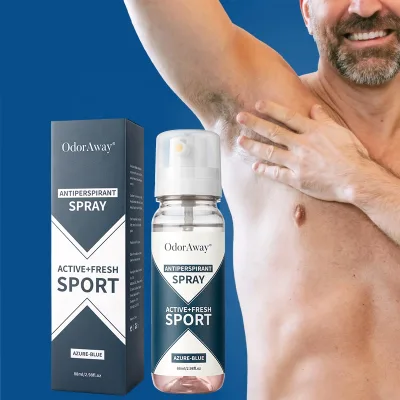
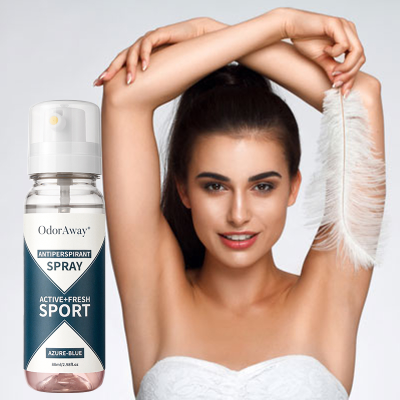
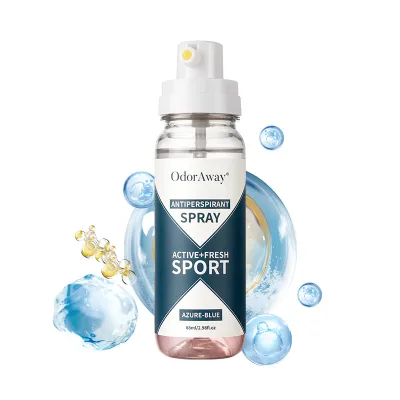
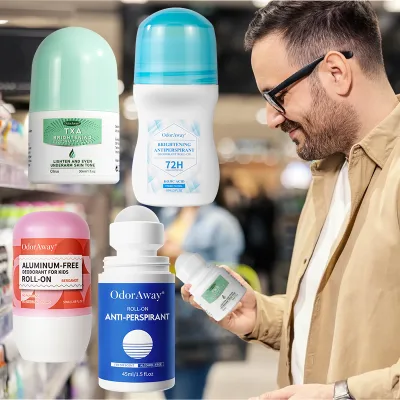
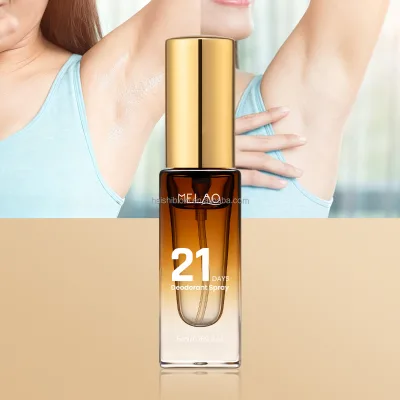


Body Spray Antiperspirant, Body Deodorant Anddeodorant Stick/Spray OEM/ODM
$1.10 - $1.20
MOQ: 30000 Pieces




Comprehensive Sourcing Guide
Organic Long-Lasting Men Deodorant Spray Sourcing Guide
Sourcing organic long-lasting men deodorant spray requires balancing natural ingredient integrity with functional performance expectations. Buyers must navigate a market where "organic" claims often intersect with synthetic preservatives and delivery systems to ensure shelf stability and efficacy. The core challenge lies in verifying that the product delivers genuine odor control and sweat reduction without relying on traditional aluminum salts, which are frequently excluded in natural formulations. Procurement teams should prioritize suppliers who transparently disclose their full ingredient lists, distinguishing between certified organic botanicals and standard cosmetic-grade additives. This transparency is critical for maintaining brand credibility and meeting the growing consumer demand for clean beauty standards in personal care.
The commercial landscape for these products is diverse, ranging from small-batch artisanal brands to large-scale OEM manufacturers capable of high-volume production. Buyers should assess whether their procurement strategy aligns with private label opportunities or ready-to-ship inventory. Many suppliers offer customization options for fragrance profiles and packaging, allowing brands to differentiate their offerings in a crowded market. However, this flexibility often comes with minimum order quantities that can impact cash flow for smaller enterprises. Understanding the supplier’s capacity for consistent quality control and their ability to scale production without compromising ingredient quality is essential for long-term supply chain resilience.
Product Scope and Observed Listing Signals
Market listings for men’s deodorant sprays reveal a wide spectrum of product types, including traditional aerosols, pump sprays, and solid sticks. Observed data indicates that liquid formulations are prevalent, often packaged in boxes with volumes ranging from small trial sizes to standard 88ml containers. Some suppliers offer highly customizable volume options, such as 5ml or 30ml variants, catering to different usage patterns and retail strategies. The texture is consistently described as liquid or soft, emphasizing a skin-friendly application that avoids the white residue often associated with traditional antiperspirant sticks. This variety allows buyers to select formats that best suit their target demographic’s preferences for convenience and aesthetic appeal.
Key ingredients frequently highlighted in these listings include mint, vitamin E, and glutathione, suggesting a focus on refreshing sensations and skin moisturization. Many products are marketed as aluminum-free, appealing to health-conscious consumers who prefer natural alternatives to conventional antiperspirants. The target concerns typically include odor control, moisture management, and overall freshness, with some formulations promising long-lasting effects. Fragrance profiles are often described as fresh or customizable, enabling brands to tailor scents to specific market segments. Buyers should verify that these ingredient claims are substantiated by the supplier’s formulation documentation to ensure alignment with marketing promises and regulatory requirements.
Technical Specifications to Verify
Technical verification begins with confirming the product’s formulation stability and delivery mechanism. Buyers must ensure that the spray nozzle functions correctly and provides an even mist without clogging, which is critical for user satisfaction. The single package dimensions and gross weight should be calculated to optimize logistics costs and storage efficiency. For instance, observed specifications indicate compact packaging sizes, such as 3.9x3.9x13.8 cm, which can significantly reduce shipping volume compared to bulkier containers. Verifying these physical attributes helps in planning warehousing and distribution strategies, ensuring that the product fits seamlessly into existing supply chain operations without unexpected logistical hurdles.
Shelf life and storage conditions are equally important technical considerations. Most observed products carry a three-year shelf life, but buyers should confirm the specific storage requirements to maintain product integrity. The formulation’s pH level, viscosity, and preservative system must be compatible with the chosen packaging material to prevent degradation or leakage. Additionally, the model numbers and batch coding systems should be clear and traceable, facilitating quality audits and recall procedures if necessary. Understanding these technical details allows procurement teams to set realistic expectations for product performance and longevity, reducing the risk of customer complaints related to spoilage or malfunction.
Compliance and Safety Documentation
Regulatory compliance is non-negotiable for personal care products, especially those marketed as organic or natural. Buyers must request comprehensive documentation, including Certificates of Analysis (COA), Material Safety Data Sheets (MSDS), and Good Manufacturing Practice (GMP) certifications. These documents verify that the product meets safety standards and is manufactured in a controlled environment. For international markets, additional certifications such as CPNP notification for Europe or CPSR reports may be required. Ensuring that the supplier holds valid ISO22716 and ISO9001 certifications demonstrates a commitment to quality management and consistent production standards, which is crucial for mitigating legal and reputational risks.
Ingredient safety and allergen disclosure are also critical compliance aspects. Buyers should verify that all ingredients, including fragrances and preservatives, are listed in accordance with local regulatory frameworks. The presence of common allergens must be clearly communicated to protect consumers and avoid adverse reactions. Furthermore, the supplier should provide evidence that their organic claims are supported by recognized certification bodies, if applicable. This due diligence ensures that the product can be legally sold in target markets and builds consumer trust through transparent and accurate labeling. Procurement teams must maintain a robust file of these documents to facilitate audits and regulatory inspections.
Cost Drivers and Commercial Terms
Cost structures for deodorant sprays are influenced by several factors, including ingredient quality, packaging complexity, and order volume. Organic and natural ingredients typically command a premium price compared to synthetic alternatives, impacting the overall unit cost. Buyers should negotiate pricing tiers based on minimum order quantities (MOQ), which can range from small trial orders to large bulk purchases. Understanding the MOQ flexibility is essential for managing inventory levels and cash flow, especially for new product launches. Suppliers may offer discounts for larger volumes, but these must be weighed against storage costs and potential obsolescence risks.
Additional commercial terms, such as sample availability and customization fees, also affect the total cost of ownership. Many suppliers provide samples for quality evaluation, which is a crucial step before committing to large orders. Customization services, including private labeling and bespoke fragrance development, often incur additional charges. Buyers should clarify these costs upfront to avoid unexpected expenses. Payment terms, lead times, and shipping responsibilities should be clearly defined in the contract to ensure smooth transaction processes. A thorough understanding of these commercial dynamics enables buyers to make informed decisions that balance cost efficiency with product quality and brand positioning.
Supplier Qualification and Quality Control
Supplier qualification involves a rigorous assessment of their manufacturing capabilities, quality control systems, and business stability. Buyers should conduct on-site audits or request third-party audit reports to verify the supplier’s adherence to GMP and ISO standards. The supplier’s experience in the personal care industry, often highlighted as a key advantage, should be validated through references and case studies. Assessing their R&D capabilities is also important, as it indicates their ability to innovate and adapt formulations to meet evolving market trends. A supplier with a strong track record in OEM and ODM services is likely to offer greater flexibility and support for brand development.
Quality control processes must be transparent and consistent. Buyers should inquire about the supplier’s testing protocols, including stability testing, microbial testing, and performance evaluations. The ability to provide batch-specific COAs ensures that each shipment meets the agreed-upon specifications. Additionally, the supplier’s response to quality issues and their commitment to continuous improvement are critical indicators of reliability. Establishing a clear communication channel for quality feedback and corrective actions helps maintain product standards over time. Procurement teams should view supplier qualification as an ongoing process, regularly reviewing performance metrics to ensure sustained partnership value.
Long-Term Procurement Checks
Long-term procurement success depends on continuous monitoring of supplier performance and market dynamics. Buyers should establish key performance indicators (KPIs) to track product quality, delivery reliability, and customer satisfaction. Regular reviews of these metrics help identify potential issues early and facilitate proactive problem-solving. Additionally, staying informed about regulatory changes and consumer trends is essential for maintaining product relevance. Buyers should engage in regular dialogue with suppliers to discuss future product developments and potential improvements. This collaborative approach fosters innovation and ensures that the product line remains competitive in a rapidly evolving market.
Sustainability and ethical sourcing practices are increasingly important for long-term brand value. Buyers should assess the supplier’s commitment to environmental responsibility, including waste reduction and sustainable packaging options. Verifying the ethical sourcing of raw materials, particularly organic ingredients, aligns with consumer values and enhances brand reputation. Furthermore, diversifying the supplier base can mitigate risks associated with single-source dependencies. By maintaining a strategic focus on quality, compliance, and sustainability, buyers can build a resilient supply chain that supports long-term business growth and customer loyalty.
FAQs
What certifications do the deodorant spray manufacturers hold?
The products hold multiple certifications including CPNP, GMP, COA, MSDS, CPSR, ISO22716, and ISO9001. These documents verify that the manufacturing processes meet international safety and quality standards for cosmetic ingredients and final product formulation.
Can I customize the fragrance and volume of the spray?
Yes, customization is available for both fragrance and volume. You can select fresh or customized scents while choosing standard volumes like 88ml or 30ml, or request specific custom sizes to match your brand requirements and target audience preferences.
What is the minimum order quantity for these deodorant sprays?
The minimum order quantity ranges from one unit up to thirty thousand units depending on the specific product model and customization level. This flexible MOQ allows small businesses to test the market while supporting large-scale commercial distribution needs effectively.
Which ingredients are used in the aluminum-free formulation?
Key ingredients include mint, vitamin E, and glutathione for skin benefits. The formulation is explicitly aluminum-free, ensuring it is safe for all skin types while providing refreshing, moisturizing, and antiperspirant effects for daily use under the arms.
How long is the shelf life of the deodorant spray?
The shelf life is three years from the date of manufacture. This duration ensures product stability and efficacy when stored properly, allowing distributors to manage inventory without worrying about premature expiration or loss of active ingredient performance over time.
Where are the deodorant spray products manufactured and shipped from?
Products originate from Guangdong, China, with a specific place of origin listed as China. This location supports efficient logistics and supply chain management for international buyers seeking reliable sourcing partners with established manufacturing capabilities in the region.
What packaging options are available for the deodorant spray?
The standard packaging consists of boxes with a single package size of 3.9 by 3.9 by 13.8 cm. Each unit weighs 0.150 kg gross, ensuring safe transport and easy handling during shipping while maintaining product integrity throughout the supply chain.