Source Luxury Aluminum Collar Perfume Bottle for Cosmetics
Find and compare 30 Luxury Aluminum Collar Perfume Bottle options for cosmetics, personal care, and fragrance packaging. These glass containers feature various cap materials and sealing types to meet diverse branding needs.
Key considerations
Products List


Luxury Premium Glass Perfume Bottle with Gold Cap Elegant Fragrance Storage
$0.20 - $0.80
MOQ: 10000 Pieces

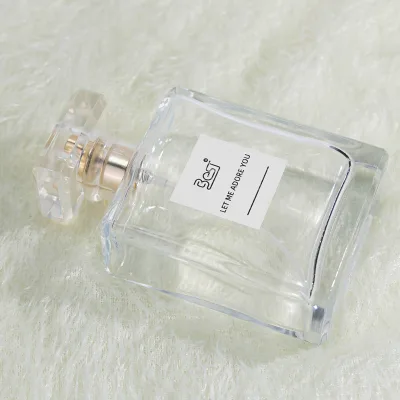
Luxury Unique Perfume Bottles Rectangle Bottle Perfume Glass Bottles 100ml
$0.15 - $0.45
MOQ: 10000 Pieces




Comprehensive Sourcing Guide
Luxury Aluminum Collar Perfume Bottle Sourcing Guide
Sourcing high-end fragrance packaging requires a nuanced understanding of material compatibility, aesthetic finish, and functional integrity. While the core keyword emphasizes aluminum collars, the broader market for luxury perfume bottles often involves glass vessels paired with metal accents to achieve a premium tactile experience. Buyers must distinguish between all-metal containers and composite designs where aluminum serves as a decorative or structural collar around a glass or plastic body. This distinction is critical for determining manufacturing processes, such as CNC machining for metal parts versus molding for the primary vessel. The visual appeal of an aluminum collar often relies on specific surface treatments like anodizing, brushing, or polishing, which directly impact the perceived value and durability of the final product.
Procurement decisions for these items are heavily influenced by the interplay between the bottle material and the closure mechanism. Common configurations include glass bottles with narrow mouths sealed by pump sprayers or screw caps, where the aluminum collar acts as a transition piece or a decorative band. The choice of cap material, ranging from ABS and PP to more premium options like Zamac or Acrylic, often complements the aluminum finish. Buyers should evaluate how the thermal expansion rates of different materials interact, as mismatched coefficients can lead to sealing failures or cosmetic cracking over time. Understanding these material synergies is essential for ensuring that the luxury aesthetic is maintained throughout the product's lifecycle and supply chain.
Product Scope and Observed Listing Signals
The current market landscape for luxury perfume packaging reveals a diverse range of product attributes that buyers must navigate. Observed listings indicate a price range of $0.09 to $2.00 USD, suggesting a wide spectrum from basic components to more elaborate finished assemblies. Minimum Order Quantities (MOQs) vary significantly, ranging from as low as 2 pieces for sampling purposes up to 10,000 pieces for bulk production, with some suppliers citing specific thresholds like 20,000 pieces for certain models. This variability allows buyers to scale their orders flexibly, but it also necessitates careful negotiation to align MOQs with inventory turnover rates and cash flow constraints. The presence of OEM and ODM acceptance indicates that customization is a standard expectation in this sector, allowing brands to tailor designs to their specific identity.
Specific product models observed in the market provide concrete examples of the types of configurations available. For instance, models such as PBL2491 and PBL2334 highlight variations in shape, with options including cylindrical and square profiles. These models often feature narrow mouth bottles designed for pump sprayers or screw caps, aligning with the functional requirements of perfume dispensing. The use of melt glass as the primary material is a common observation, offering clarity and a premium feel that complements the metallic accents of aluminum collars. Additionally, surface handling techniques like screen printing are frequently employed to add branding or decorative elements, enhancing the visual appeal without compromising the structural integrity of the bottle.
Technical Specifications to Verify
Verifying technical specifications is paramount to ensuring that the perfume bottle meets both aesthetic and functional requirements. Buyers should confirm the exact dimensions of the bottle and collar, as even minor deviations can affect the fit of the pump mechanism or the overall balance of the product. Standard capacities observed in the market include 80ml, 100ml, and custom volumes ranging from 30ml to 150ml. It is crucial to verify the bottleneck diameter and thread pitch to ensure compatibility with the chosen closure system, whether it is a crimp neck or a screw cap. The shape of the bottle, whether rectangular, square, or cylindrical, also impacts the packaging design and shelf presence, so precise specifications must be agreed upon before production begins.
The material composition of both the bottle and the collar requires rigorous verification to prevent issues such as corrosion or chemical interaction with the fragrance. While glass is the predominant material for the bottle body, the collar may be made from aluminum, Zamac, or other metals, each requiring specific surface treatments for durability and appearance. Buyers should request detailed material certificates to confirm the grade of aluminum used and the quality of any anodizing or plating processes. Additionally, the compatibility of the seal with the fragrance formula must be tested, as certain essential oils can degrade specific plastics or rubbers used in the pump mechanism. Ensuring that all components are chemically inert is essential for maintaining the integrity of the perfume over its shelf life.
Compliance and Safety Documentation
Compliance with international safety and environmental standards is non-negotiable for luxury perfume packaging. Buyers must ensure that all materials used in the production of the bottle and collar are free from harmful substances such as lead, cadmium, and phthalates. This is particularly important for metal components, where plating processes can introduce toxic elements if not properly controlled. Documentation such as Material Safety Data Sheets (MSDS) and compliance certificates for heavy metal limits should be requested from suppliers. These documents provide evidence that the products meet the regulatory requirements of target markets, including the European Union’s REACH regulation and the United States’ Consumer Product Safety Improvement Act.
In addition to material safety, buyers should verify that the packaging complies with labeling and recycling requirements. Many jurisdictions require specific symbols to indicate recyclability and material composition, which must be clearly printed or embossed on the product. The use of standard export packaging, including cartons, pallets, and paper dividers, helps protect the products during transit and ensures that they arrive in pristine condition. Buyers should also consider the environmental impact of the packaging materials, as sustainability is increasingly important to consumers. Opting for recyclable or biodegradable materials where possible can enhance the brand’s reputation and align with global sustainability trends.
Cost Drivers and Commercial Terms
Understanding the cost drivers associated with luxury perfume bottles is essential for effective budgeting and negotiation. The primary factors influencing cost include the complexity of the design, the quality of materials, and the volume of the order. Custom designs, such as unique shapes or intricate aluminum collar finishes, typically incur higher tooling and setup costs. The choice of surface treatment, such as anodizing or polishing, also adds to the per-unit price. Buyers should request detailed cost breakdowns to understand how these factors contribute to the final price, allowing for more informed decision-making and potential cost-saving opportunities.
Commercial terms, including payment methods, lead times, and shipping arrangements, play a significant role in the overall procurement strategy. Suppliers often offer flexible payment terms, such as a deposit followed by the balance upon completion, to mitigate risk for both parties. Lead times can vary depending on the complexity of the order and the supplier’s production capacity, so it is important to establish clear timelines and milestones. Shipping options, including sea, air, and courier services, should be evaluated based on urgency and cost. Buyers should also consider the implications of Incoterms, such as FOB or CIF, to determine responsibility for shipping and insurance costs.
Supplier Qualification and Quality Control
Qualifying suppliers for luxury perfume packaging requires a thorough assessment of their manufacturing capabilities and quality control processes. Buyers should verify the supplier’s experience in producing high-end packaging, including their portfolio of previous clients and case studies. It is important to assess their production facilities for modern equipment and skilled labor, as these factors directly impact the consistency and quality of the final product. Suppliers should have robust quality control systems in place, including incoming material inspections, in-process checks, and final product testing. Requesting samples and conducting independent quality audits can provide valuable insights into the supplier’s reliability and attention to detail.
Communication and responsiveness are also key indicators of a supplier’s suitability for long-term partnerships. Buyers should evaluate the supplier’s ability to provide timely updates, address concerns, and offer technical support throughout the production process. A supplier that demonstrates a proactive approach to problem-solving and continuous improvement is more likely to deliver a satisfactory outcome. Additionally, buyers should consider the supplier’s flexibility in accommodating changes or custom requests, as this can be crucial for adapting to market trends and brand evolution. Establishing a strong relationship with a qualified supplier can lead to better pricing, priority production, and enhanced collaboration on future projects.
Long-Term Procurement Checks
Long-term procurement success depends on establishing mechanisms for continuous monitoring and evaluation of supplier performance. Buyers should implement regular performance reviews to assess key metrics such as on-time delivery, product quality, and responsiveness to issues. These reviews should be documented and used to identify areas for improvement and to reinforce positive behaviors. Maintaining open lines of communication with suppliers can help address potential issues before they escalate, fostering a collaborative environment that benefits both parties. Regularly updating specifications and requirements ensures that the products remain aligned with brand standards and market expectations.
Sustainability and ethical sourcing practices should also be integrated into long-term procurement strategies. Buyers should periodically audit suppliers for compliance with environmental and labor standards, ensuring that the supply chain operates responsibly. This includes verifying that materials are sourced from reputable suppliers and that production processes minimize waste and energy consumption. By prioritizing sustainability, buyers can mitigate risks associated with regulatory changes and consumer sentiment, while also contributing to the long-term viability of the supply chain. Continuous improvement initiatives, such as exploring new materials or technologies, can further enhance the value proposition of the procurement program.
FAQs
What materials are used for the bottle and cap?
The bottle is made of melt glass with a narrow mouth shape. The cap material options include ABS, PP, wooden, Surlyn, acrylic, plastic, Zamac, or leather depending on the specific model selected for your order.
Can I customize the bottle design and packaging?
Yes, OEM and ODM services are accepted with customization available for your needs. Packaging includes standard export cartons, pallets, and paper dividers, while surface handling options like screen printing can be applied to the glass.
What is the minimum order quantity for these bottles?
The standard minimum order quantity is 20,000 pieces for most models. However, some specific items like the 12ml bottle have a lower MOQ of 50 pieces, so the requirement depends on the exact product model you choose.
How long does it take to receive samples?
Samples are available for free and typically take 5 to 7 days to prepare. This sample time allows you to verify the quality of the glass, the sealing type, and the overall finish before committing to a larger order.
Which sealing types are available for these perfume bottles?
Available sealing types include pump sprayers, screw caps, and crimp necks. The specific sealing mechanism depends on the bottle model, such as the PBL2491 which uses a pump sprayer or the JLYJ015 which features a crimp neck.
What are the standard capacity options for these glass bottles?
Standard capacities range from 12ml up to 150ml with custom options available. Specific models include 80ml, 100ml, and variable volumes like 30ml, 50ml, or 100ml depending on the shape and intended industrial use for cosmetics or perfumes.