Source luxury anti-slip car floor mat for SUVs, Sedans, and Trucks
Compare 30 luxury anti-slip car floor mat options featuring 3D designs, waterproof materials, and custom OEM services. Evaluate specifications like thickness, fitment, and packaging to find the right solution for your automotive needs.
Key considerations
Products List


Leather Floor Mat Waterproof Non-Slip Custom Car Floor Mat Luxury Car Mats
$23.75 - $25.42
MOQ: 100 Pieces


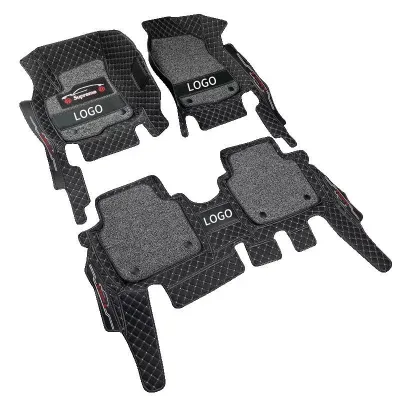


Universal Fit 4 Piece Carpet-Non-Slip Floor Mats for Every Vehicle
$2.10 - $4.90
MOQ: 1000 Square Meters


Custom Car Mats 2024 TPE Car Floor Mat Luxury Waterproof Non Slip Car Carpet
$0.50 - $2.00
MOQ: 1000 Meters


Comprehensive Sourcing Guide
Luxury Anti-Slip Car Floor Mat Sourcing Guide
Sourcing high-quality automotive floor mats requires a nuanced understanding of material science, manufacturing precision, and supply chain reliability. The term "luxury anti-slip car floor mat" often encompasses a broad spectrum of products, ranging from traditional woven textiles to advanced three-dimensional molded designs. Buyers must distinguish between generic aftermarket solutions and premium offerings that provide superior fit, durability, and aesthetic integration with the vehicle’s interior. This guide provides a structured approach to evaluating suppliers, verifying technical specifications, and ensuring commercial terms align with quality expectations. By focusing on evidence-based verification steps, procurement teams can mitigate risks associated with poor fitment, material degradation, and inconsistent supply chains.
The modern automotive accessory market is characterized by rapid innovation in materials and manufacturing techniques. Consumers increasingly demand products that offer not only protection but also enhanced comfort and visual appeal. Consequently, suppliers are leveraging technologies such as machine molding and weaving to create mats that conform precisely to vehicle contours. Understanding these technological distinctions is critical for buyers who need to match product capabilities with specific market segments. This guide outlines the essential verification steps, compliance requirements, and commercial considerations necessary to secure a reliable supply of premium floor mats that meet rigorous quality standards.
Product Scope and Observed Listing Signals
The product landscape for car floor mats includes diverse types, such as universal fit mats, specialized custom-fit designs, and three-dimensional molded options. Observed listings indicate a prevalence of "Special Type" and "Universal Type" classifications, suggesting that suppliers cater to both broad-market and niche vehicle-specific demands. The "Three-Dimensional" shape attribute highlights a trend toward mats that offer enhanced coverage and protection by wrapping around the contours of the vehicle floor. Buyers should recognize that "luxury" positioning often correlates with these advanced shaping techniques, which provide a more tailored appearance and improved functionality compared to flat, generic mats.
Material composition and functional attributes are key differentiators in the luxury segment. Listings frequently mention "Environmental Latex" and "TPE Latex" as primary materials, emphasizing eco-friendly and durable properties. These materials are often associated with features such as being waterproof, stain-resistant, wear-resistant, and easy to clean. Additionally, the presence of an "Anti Slip Backing" is a critical functional attribute that ensures the mat remains securely in place during driving, enhancing safety and preventing interference with pedal operation. Buyers should verify that the specific material claims align with the desired performance characteristics, as "luxury" can also imply premium leather or high-grade fabric options, which may have different maintenance and durability profiles.
Technical Specifications to Verify
Verifying technical specifications is paramount to ensuring that the floor mats meet the required fitment and quality standards. Buyers should confirm the "Car Fitment" details, noting that some listings specify "Other" or require the client to provide the specific car model. This indicates that custom-fit mats may require precise vehicle data for manufacturing, whereas universal mats offer broader compatibility but potentially less precise coverage. The "Auto Model" attribute, often listed as "Client Provide/Suitable for Multiple Vehicle Model," underscores the importance of clear communication regarding vehicle compatibility. Procurement teams must establish a robust process for collecting and validating vehicle specifications to avoid fitment issues and returns.
Thickness and packaging dimensions are also critical technical parameters that impact both product performance and logistics. The "Thickness" is often customizable, allowing buyers to select options that balance comfort, durability, and pedal clearance. Standard packaging dimensions, such as those observed at 88x58x26 cm, provide insights into storage and shipping requirements. Additionally, the "Single Gross Weight" of approximately 6.5 kg for a full set offers a baseline for freight cost calculations. Buyers should verify these specifications for each SKU, as variations in material density and design can significantly affect weight and volume, thereby influencing landed costs and warehouse efficiency.
Compliance and Safety Documentation
Compliance with safety and environmental standards is non-negotiable for luxury automotive accessories. Buyers must ensure that suppliers adhere to relevant management certifications, such as ISO and BSCI, which indicate a commitment to quality management and ethical labor practices. While specific product certifications like REACH may be mentioned in background contexts, buyers should actively request and verify current compliance documentation for the specific materials used, particularly regarding volatile organic compound (VOC) emissions and chemical safety. This is especially important for interior components that are in close proximity to occupants and may be exposed to heat and sunlight.
Documentation should also cover the manufacturing processes and material origins. Suppliers should provide clear information on the "prod_standard," which is often listed as "Standard," but buyers must define what this entails in terms of performance testing and quality control. Requests for test reports on wear resistance, slip resistance, and water repellency can help validate the "luxury" claims. Furthermore, verifying the "prod_origin," such as Hebei-China, allows buyers to assess the supply chain's transparency and potential logistical risks. Establishing a clear compliance framework early in the sourcing process helps mitigate legal and reputational risks associated with non-compliant products.
Cost Drivers and Commercial Terms
Understanding the cost drivers and commercial terms is essential for effective budgeting and negotiation. The observed price range of $0.5 to $57 USD reflects the vast diversity in product quality, material, and customization levels. Buyers should recognize that "luxury" positioning typically commands a higher price point due to the use of premium materials, complex manufacturing processes, and rigorous quality control. The "Competitive" price attribute suggests that suppliers may offer tiered pricing based on order volume or customization requirements. Procurement teams should analyze the cost structure to identify areas for potential savings without compromising quality, such as optimizing packaging or consolidating orders.
Minimum Order Quantities (MOQ) and lead times are significant commercial factors that impact inventory management and cash flow. Observed MOQs range from 50 to 3000 units, with some listings specifying 200 or 50 sets. These variations allow buyers to align order sizes with their sales forecasts and storage capacity. The "Delivery Time" of 30-45 days is a standard lead time for customized products, reflecting the time required for production, quality checks, and shipping. Buyers should negotiate clear terms regarding sample times, which are often listed as 3 days with free samples, and freight collect arrangements. Establishing transparent commercial terms helps prevent misunderstandings and ensures a smooth procurement process.
Supplier Qualification and Quality Control
Supplier qualification is a critical step in securing a reliable supply of luxury floor mats. Buyers should conduct thorough due diligence on potential suppliers, verifying their manufacturing capabilities, quality control processes, and financial stability. The availability of "OEM" services and "Customized Design & Logo" options indicates that many suppliers are equipped to handle bespoke orders. However, buyers must assess the supplier's ability to maintain consistency across large production runs. Requesting references, conducting factory audits, and reviewing past performance data can provide valuable insights into the supplier's reliability and commitment to quality.
Quality control measures should be integrated into the procurement process to ensure that delivered products meet the specified standards. Buyers should establish clear quality acceptance criteria, including visual inspections, fitment checks, and functional tests. The "prod_packing" methods, such as "OPP Bag + Color Card + Hook" or "Waterproof Canvas Bag Packed/Carton," should be verified to ensure that products are protected during transit. Additionally, implementing a robust inspection regime, such as pre-shipment inspections, can help identify and rectify defects before products leave the supplier's facility. Collaborating with third-party inspection agencies can provide an objective assessment of product quality and compliance.
Long-Term Procurement Checks
Long-term procurement success depends on continuous monitoring and relationship management with suppliers. Buyers should establish key performance indicators (KPIs) to track supplier performance over time, including metrics such as on-time delivery, product quality, and responsiveness to issues. Regular communication and feedback loops can help identify potential problems early and foster a collaborative partnership. Buyers should also stay informed about industry trends and technological advancements that may impact product development and sourcing strategies. This proactive approach ensures that the procurement function remains agile and responsive to changing market conditions.
Sustainability and ethical sourcing are increasingly important considerations for long-term procurement strategies. Buyers should evaluate suppliers' commitments to environmental responsibility and social compliance, aligning these values with their own corporate social responsibility goals. Verifying the "Environmental Latex" claims and other eco-friendly attributes can help support sustainability initiatives. Additionally, buyers should consider the end-of-life disposal and recyclability of the products, as this can impact brand reputation and regulatory compliance. By integrating these long-term checks into the procurement process, buyers can build a resilient and responsible supply chain that delivers value over time.
FAQs
What customization options are available for these mats?
Customization is available for logo, design, and thickness. Buyers can request specific dimensions and branding, with sample times typically taking three days. Orders require a minimum quantity of 50 to 200 units depending on the specific configuration requested by the client.
How long does delivery take for these car floor mats?
The standard delivery time ranges from 30 to 45 days after order confirmation. This lead time applies to production and shipping from the origin in China. Buyers should account for this duration when planning inventory replenishment or specific project timelines.
Which certifications do the manufacturers hold for these mats?
Manufacturers hold ISO management certifications including ISOBSCI and ISO/TSShape. These credentials verify the production standards and quality management systems in place. Buyers can rely on these documented certifications to ensure compliance with international safety and quality expectations.
Can I order samples before placing a bulk order?
Yes, free samples are available upon request with freight collect. The sample preparation time is approximately three days. This allows buyers to verify the material quality, fitment, and anti-slip features before committing to a larger purchase volume.
What is the minimum order quantity for these mats?
The minimum order quantity varies between 50 and 200 units depending on the specific product type. Some listings require 50 sets while others start at 200 units. Buyers should confirm the exact MOQ with the supplier based on their chosen model and customization needs.
How are these mats packaged for shipping?
Packaging options include OPP bags with color cards, woven bags with cartons, or waterproof canvas bags. The single package size is typically 88 by 58 by 26 centimeters. This ensures the mats remain protected during transit while maintaining a compact profile for efficient logistics.
What materials are used to make these floor mats?
Materials include environmental latex and woven fabrics designed for durability. The mats feature waterproof and stain-resistant properties alongside wear resistance. These attributes ensure the product remains functional and easy to clean in various driving conditions.