Find Large Volume Construction Grouting Machine for Road Sealing, Piling, and Foundation Projects
Source 30 verified options for the Large Volume Construction Grouting Machine designed for road sealing, piling, and foundation work. Buyers can compare specifications like tank volume, power supply, and mobility features to select the right equipment for their specific job site requirements.
Key considerations
Products List
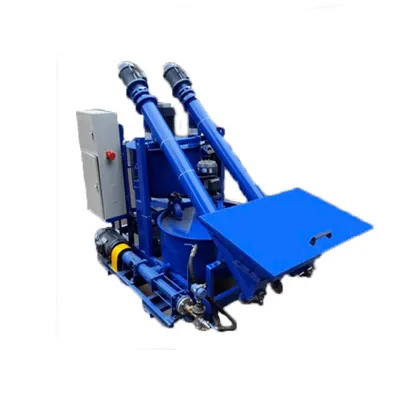

Grouting Machine High Pressure Grouting Machine for Construction Project
$95.00 - $230.00
MOQ: 5 Pieces

High-Pressure Cement Grouting Machine High-Quality Mortar Grouting Machine
$95.00 - $230.00
MOQ: 5 Pieces


Robust Pile Driver Heavy Construction Machine for Large Piling Force
$125000.00 - $278697.00
MOQ: 1 Sets
Changsha Tianwei Engineering Machinery Manufacturing Co., Ltd.
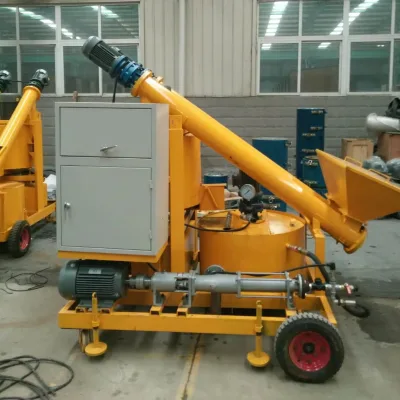

Jby999 High Pressure Grouting Machine
$95.00 - $100.00
MOQ: 1 Pieces
Shandong China Coal Industrial & Mining Supplies Group Co., Ltd.


Versatile Grout Mortar Machines for Efficient Construction Projects
$50000.00 - $225800.00
MOQ: 1 Sets


China Origin Construction Machine for High-Quality Concrete Production
$10000.00 - $20000.00
MOQ: 1 Pieces


Comprehensive Sourcing Guide
Strategic Sourcing Guide for Large Volume Construction Grouting Machines
Technical Specifications and Operational Capabilities
When evaluating large volume construction grouting machines, buyers must first distinguish between the specific operational requirements of their projects and the technical capabilities listed in supplier catalogs. The market presents a diverse array of machinery, ranging from mobile asphalt sealing units to heavy-duty piling and grouting systems designed for soft soil conditions. A critical observation in the current supply landscape is the variation in power sources. While some units are specified with electric inputs of 220V/50Hz, others rely on robust gasoline engines, such as the Honda Gx630, to ensure autonomy on remote job sites. This distinction is vital for procurement teams, as the choice between electric and gasoline power directly impacts fuel logistics, noise control, and emission compliance on-site.
The physical dimensions and weight of these machines are equally significant. Data indicates that certain models, such as the IGF-350, are engineered with substantial tank volumes of 350 liters, whereas other configurations may feature 100-liter tanks. This variance dictates the machine's suitability for continuous operation versus intermittent refilling cycles. Furthermore, the weight of the equipment can vary drastically; some heavy-duty piling machines are noted with weights reaching 120 tons, while others are designed as mobile units with a weight of approximately 1020 kg. Buyers must align these specifications with their site's load-bearing capacity and transport logistics. The discharge capacity is often adjustable, allowing operators to modulate the flow rate, which is observed to be around 60 kg in certain configurations, or grouting speeds ranging from 0 to 20 meters per minute.
The control systems integrated into these machines also vary significantly. Advanced models utilize full electronic thermostat control to maintain precise temperature and pressure, which is essential for high-efficiency grouting. In contrast, semi-automatic grades offer a balance between operator intervention and automated functions. The needle size for injection points is another critical specification, with options available in 8, 10, 15, and 20 cm sizes, allowing for customization based on the specific soil or concrete structure being treated. Whether the application involves asphalt concrete pavement sealing or deep foundation piling in soft soil, the selection of the correct model, identified by codes such as GM-03001, IGF-200, or ZYC360, determines the machine's efficacy.
Compliance, Certification, and Safety Standards
Ensuring that a Large Volume Construction Grouting Machine meets international and local safety standards is a non-negotiable aspect of the procurement process. The presence of certifications such as CE and ISO9001 serves as a primary indicator of a manufacturer's commitment to quality management and product safety. However, buyers must verify that these certifications are current and applicable to the specific model being purchased. The standard for certain units is explicitly listed as 5Kg or 15008001250mm, suggesting that dimensional and weight standards are often model-specific rather than universal.
Compliance extends beyond simple certification badges to the actual design and manufacturing processes. For instance, the core components of these machines, which may include motors, PLCs, engine bearings, pressure vessels, and gears, must be sourced from reputable suppliers to ensure longevity and safety. The "Automatic Grade" of the machine, whether semi-automatic or fully automatic, influences the complexity of the control systems and the potential for operator error. Safety features, such as the ability to avoid noise through hydraulic jacking methods in piling applications, are critical for urban environments where noise pollution is strictly regulated.
Buyers should also scrutinize the "Unique Selling Points" listed by suppliers. Claims of "Low Maintenance Cost" or "High Operating Efficiency" must be backed by verifiable data regarding component durability and service intervals. The warranty period, typically observed as 1 year, provides a baseline for manufacturer confidence but should be supplemented by a detailed review of the maintenance manual and the availability of spare parts. The "Video outgoing-inspection" provided by some suppliers offers a valuable layer of transparency, allowing buyers to visually verify the condition of the machine before shipment. This visual evidence can help confirm that the machine is in "New" condition and meets the described specifications before it leaves the factory.
Cost Drivers and Pricing Dynamics
The pricing of large volume construction grouting machines is influenced by a complex interplay of factors, including power source, tank capacity, automation level, and the complexity of the core components. The observed price range in the market is extremely wide, spanning from 1 USD to 9,000,000 USD. This vast disparity reflects the difference between small-scale mobile units and massive, industrial-grade piling and graving systems. A machine with a 350L tank and a Honda gasoline engine will naturally command a different price point than a smaller, electrically powered unit with a 100L tank.
The "Selling Units" being listed as "Single item" suggests that these are capital-intensive assets rather than consumable goods, meaning the total cost of ownership (TCO) is a more relevant metric than the initial purchase price. Buyers must consider the "Low Maintenance Cost" as a long-term financial benefit that can offset a higher initial investment. Additionally, the "Customization" availability allows buyers to tailor the machine to specific project needs, which may incur additional costs but can prevent the need for costly retrofits later.
The "MOQ" (Minimum Order Quantity) range of 1 to 100 indicates that while many suppliers are willing to sell single units, larger orders may offer volume discounts. However, given the high value and specialized nature of these machines, buyers should focus on the value proposition rather than just the unit price. The "Weight" of the machine, which can range from 1020 kg to 120 tons, directly impacts shipping and logistics costs. Heavy machinery often requires specialized transport solutions, and the "Horizontal Delivery Distance" of 20 meters for certain models may influence the internal site logistics planning, indirectly affecting the overall project budget.
Typical Applications and Site Suitability
Large volume construction grouting machines are designed for a wide spectrum of applications, from sealing asphalt concrete pavements to deep foundation piling in challenging soil conditions. The "Object" of the machine, such as asphalt concrete pavement, indicates its use in road maintenance and construction. In these scenarios, the "Walking Style" being automatic and the "Moving Type" being mobile are crucial for efficiency. The machine must be able to navigate the job site easily while maintaining precise control over the grouting process.
For foundation work, the suitability of the machine for "Soft Soil" is a key consideration. The "New Piling Machine" technology, which adopts hydraulic jacking to avoid noise, is particularly relevant for urban construction projects where environmental impact is a concern. The "Suitable Pile Shape" includes sheet piles, round/square piles, triangle piles, and H-piles, demonstrating the versatility of these machines in handling different structural requirements. The "Without Side Piling" feature is specifically noted for small piling projects that require big piling force, highlighting the machine's ability to deliver high efficiency in constrained environments.
The "Heating Time" of 45 minutes for certain models suggests that these machines may be used for applications requiring thermal treatment of materials, such as asphalt sealing. The "Flow Rate" and "Grouting Speed" are critical metrics for determining the throughput of the machine. A flow rate of 60 kg and a grouting speed of 0-20 m/min provide a baseline for estimating project timelines. Buyers must match these specifications to the scale of their project to ensure that the machine can complete the work within the required timeframe without causing bottlenecks.
Supplier Evaluation and Quality Assurance
Evaluating suppliers for large volume construction grouting machines requires a rigorous approach that goes beyond simple price comparisons. The "Place of Origin" is consistently listed as China, with specific regions like Henan mentioned as the "prod_origin." While this provides a geographical context, buyers should verify the specific manufacturing capabilities of the supplier in that region. The "prod_packing" method, whether "Box" or "Wooden Case," is an indicator of how the machine is prepared for transport, which can affect its condition upon arrival.
The "Video outgoing-inspection" is a valuable tool for quality assurance, allowing buyers to see the machine in its final state before shipment. This visual verification can help confirm that the machine matches the "prod_model" and "prod_standard" specifications. Buyers should also request detailed documentation regarding the "Core Components," such as the motor, PLC, and pressure vessels, to ensure they are of high quality and sourced from reputable manufacturers. The "Warranty" of 1 year is a standard offering, but buyers should inquire about the scope of coverage and the availability of after-sales support.
Supplier reliability is further assessed by their ability to provide "Customization" options. A supplier that can tailor the machine to specific project needs demonstrates a higher level of technical expertise and customer service. The "Unique Selling Point" of "High Operating Efficiency" should be backed by case studies or references from previous clients. Buyers should also check the "Certification" status of the supplier, ensuring that they hold valid CE and ISO9001 certifications. Finally, the "Condition: New" status should be verified through the inspection process to ensure that the machine is not refurbished or used.
Long-Term Procurement and Lifecycle Management
Procuring a Large Volume Construction Grouting Machine is a long-term investment that requires careful planning for lifecycle management. The "Low Maintenance Cost" is a significant factor in the total cost of ownership, but buyers must also consider the availability of spare parts and the technical expertise required for repairs. The "Core Components" such as the motor and PLC are critical points of failure, and their replacement costs should be factored into the budget. The "Automatic Grade" of the machine influences the complexity of maintenance, with semi-automatic models potentially requiring more manual intervention than fully automatic ones.
The "Warranty" period of 1 year provides a safety net for initial defects, but buyers should plan for maintenance beyond this period. The "Heating Time" and "Grouting Speed" may degrade over time, and regular calibration and inspection are necessary to maintain performance. The "Moving Type" being mobile means that the machine will be subject to wear and tear from transportation, and the structural integrity of the frame should be checked regularly. The "Tank Volume" and "Flow Rate" are also subject to degradation, and the internal components of the tank and pump system should be inspected for corrosion or leaks.
Buyers should also consider the "Customization" aspect as a long-term asset. A machine that can be adapted to different project requirements offers greater flexibility and longevity. The "Unique Selling Point" of "High Operating Efficiency" should be maintained through regular maintenance and operator training. The "Video outgoing-inspection" can serve as a baseline for future comparisons, allowing buyers to track the condition of the machine over time. Finally, the "Place of Origin" and "prod_origin" should be considered in the context of the supply chain, as geopolitical factors or logistics changes could impact the availability of spare parts and service support.
Comparison of Key Machine Attributes
| Attribute | Model GM-03001 | Model IGF-350 | Model ZYC360 |
|---|---|---|---|
| Primary Application | Road Sealing | Grouting | Piling |
| Power Source | Electric (220V) | Honda Gasoline | Hydraulic |
| Tank Volume | 30L | 350L | N/A |
| Weight | 1020 KG | N/A | 120t |
| Control System | N/A | Full Electronic Thermostat | Hydraulic Jacking |
| Packing | Box | Wooden Case | Dismantling for Nude |
| Certification | CE, ISO9001 | CE, ISO9001 | CE, ISO9001 |
| Origin | China | Henan | China |
This table highlights the distinct differences between models, emphasizing that a "one-size-fits-all" approach is ineffective. The GM-03001 is suited for smaller, electric-powered sealing tasks, while the IGF-350 offers high-volume grouting capabilities with a large tank and gasoline power. The ZYC360 represents a heavy-duty piling solution with significant weight and hydraulic power. Buyers must carefully match these attributes to their specific project requirements to ensure optimal performance and cost-effectiveness.
FAQs
What core components are included in these machines?
These machines typically include motors, PLCs, engine bearings, pressure vessels, and gears as core components. Buyers should verify that these parts are sourced from reputable suppliers to ensure longevity and safety during heavy-duty operations.
Can I customize the needle size for specific projects?
Yes, customization is available for needle sizes including 8, 10, 15, and 20 cm. This allows operators to tailor the injection points based on the specific soil or concrete structure being treated for optimal performance.
Which power supply options are available for these units?
Units are available with electric inputs of 220V/50Hz or gasoline engines like the Honda Gx630. The choice between electric and gasoline power impacts fuel logistics and noise control depending on the job site requirements.
How long is the warranty period for these machines?
The standard warranty period observed is one year. This baseline provides manufacturer confidence but should be supplemented by a detailed review of the maintenance manual and the availability of spare parts for long-term support.
What is the typical tank volume for these grouting machines?
Tank volumes vary significantly, with models featuring 100 liters or 350 liters of capacity. This variance dictates the machine's suitability for continuous operation versus intermittent refilling cycles during large volume construction projects.
Are these machines suitable for soft soil foundation work?
Yes, specific models are designed for soft soil conditions and can handle various pile shapes like sheet or H-piles. These machines often adopt hydraulic jacking methods to avoid noise in urban environments while delivering high operating efficiency.
What certifications do these machines typically hold?
Machines often carry CE and ISO9001 certifications indicating compliance with international safety and quality standards. Buyers must verify that these certifications are current and applicable to the specific model being purchased before finalizing procurement.