Source luxury long-lasting perfume set for retail, gifts, and travel
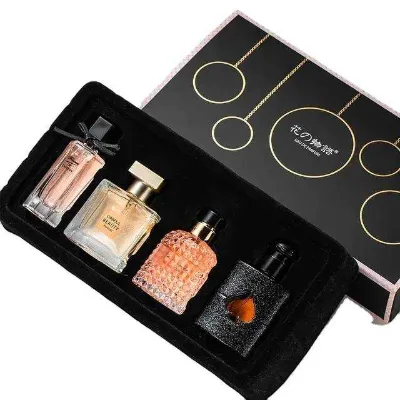
Explore 30 listings for a luxury long-lasting perfume set featuring glass bottles, floral scents, and longevity up to 24 hours. Buyers can compare capacities from 30ml to 100ml, customization options, and packaging details to find suitable wholesale suppliers.
Key considerations
Products List
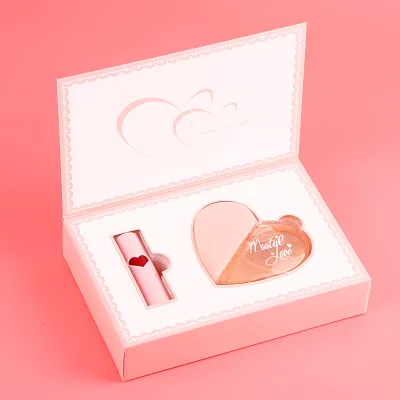


Aromatherapy-Designed: Exquisite Luxury Perfume Oil Gift Set, Fully Customized
$0.50 - $1.00
MOQ: 3000 Pieces


Exquisite Luxury Aromatherapy Gift Set: Customized with Premium Perfume Oils
$1.50 - $2.00
MOQ: 3000 pieces


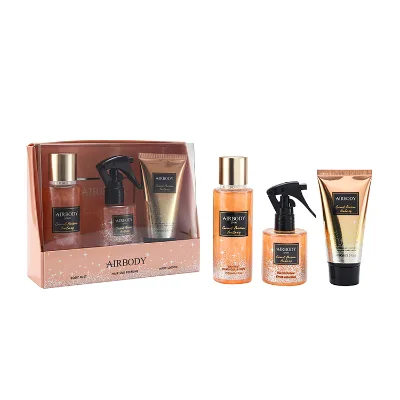


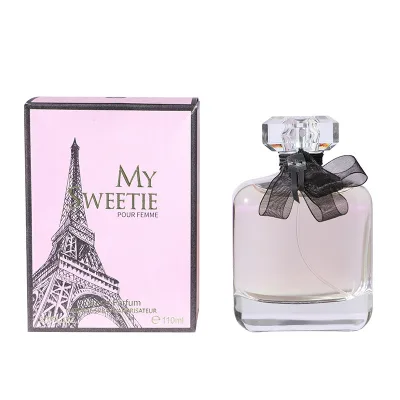
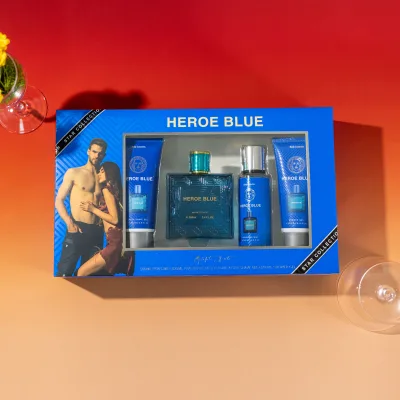

Comprehensive Sourcing Guide
Strategic Sourcing Guide for Luxury Long-Lasting Perfume Sets
Understanding Product Specifications and Material Composition
When sourcing a luxury long-lasting perfume set, the primary focus must be on the technical attributes that define the product's quality and longevity. The core keyword implies a high-end offering, which is reflected in the observed material specifications. The container material is consistently identified as glass, a critical choice for preserving the integrity of the fragrance and maintaining the premium aesthetic expected in luxury segments. The glass bottle serves not only as a vessel but as a structural component that protects the liquid state of the perfume from light degradation and evaporation.
The formulation of the perfume itself is a significant differentiator. Data indicates a variety of fragrance concentrations, ranging from Eau de Cologne to Parfum and Eau de Parfum. The "Luxury" classification often correlates with higher concentrations of aromatic compounds, which directly impacts the longevity of the scent. Observed specifications list longevity ranges of 12 hours to 24 hours, a metric that buyers must verify against actual performance claims. The state of the product is liquid, and the form is consistently a spray, utilizing a mechanism designed for even distribution.
Raw materials are another critical specification point. Some listings indicate vegetable-origin raw materials, suggesting a potential alignment with natural or botanical sourcing trends, though this should be confirmed on a per-supplier basis. The gender positioning varies, with options available for unisex, male, and specific niche markets. The scent profiles observed include floral bouquets and sweet fragrances, which are common in the luxury sector. Capacity specifications are diverse, ranging from small trial sizes like 5ml or 7.5ml up to standard 30ml and 100ml units. Sets often combine multiple sizes, such as a 30ml unit in a set of four, or single high-volume 100ml bottles. The packaging is typically a box, with specific models noted as "1:1 Brand Perfume" or "Regular perfume," indicating the need to distinguish between branded goods and private label or generic luxury-style offerings.
Compliance, Certification, and Regulatory Verification
In the B2B procurement of perfumes, compliance is not merely a formality but a prerequisite for market entry and consumer trust. While the provided data does not list specific certification bodies or test results, the "Luxury" and "High Quality" attributes necessitate rigorous verification of regulatory adherence. Buyers must investigate whether the supplier adheres to international standards for cosmetic safety, particularly regarding the ingredients used in the vegetable-origin or synthetic components.
The origin of the product is listed as China, with production specifically noted in Guangdong. This geographic context is vital for understanding the regulatory environment. Buyers should verify that the supplier complies with the regulations of the destination market, such as the EU's Cosmetic Regulation (EC) No 1223/2009 or the US FDA guidelines. The "Customized" standard observed in the specifications suggests that many suppliers offer private labeling, which introduces additional compliance layers. When customization is involved, the buyer assumes responsibility for ensuring that the final product meets the labeling and ingredient disclosure requirements of the target market.
Furthermore, the "Standard" field in the data mentions values like "original" and specific volume standards (5, 7.5, 10, 15, 30ml). These are likely internal or regional standards rather than international safety certifications. A prudent buyer must request documentation proving that the "High Quality" claim is backed by third-party testing. This includes verifying the safety of the fragrance composition, ensuring that allergens are within permissible limits, and confirming that the glass packaging meets safety standards for breakage and chemical resistance. Without explicit certification data in the source material, the procurement strategy must prioritize suppliers who can transparently provide these compliance documents upon request.
Cost Drivers and Pricing Structure Analysis
The pricing for luxury long-lasting perfume sets is influenced by a complex interplay of factors, including material costs, brand positioning, and order volume. The observed price range in the market is substantial, spanning from $0.50 to $59.99 USD. This wide variance indicates that the "luxury" designation is not solely determined by the base price but by the combination of packaging, concentration, and brand equity.
The lower end of the price spectrum likely corresponds to smaller capacities, generic models, or lower concentration levels such as Eau de Cologne. Conversely, the higher price points are associated with larger volumes (e.g., 100ml), higher concentrations (Parfum), and premium packaging features like the "Luxury" branding and "High Quality" assertions. The "Customization" attribute is a significant cost driver. Orders requiring custom fragrances, private labeling, or unique bottle designs will inherently carry higher unit costs due to the setup fees and specialized production runs.
Minimum Order Quantity (MOQ) also plays a pivotal role in cost structure. The observed MOQ range is 1 to 5000 units. For buyers testing the market, the ability to accept small orders (MOQ of 1) allows for low-risk sampling. However, to achieve the most competitive unit pricing, buyers must be prepared to scale up to higher volumes. The "Small Orders: Accepted" flag suggests flexibility, but the economic efficiency of the supply chain is maximized at the higher end of the MOQ spectrum. Buyers should calculate the total landed cost, including the unit price, shipping (noted as Sea Freight), and any customization fees, to determine the true cost per unit.
Typical Applications and Market Positioning
The applications for luxury long-lasting perfume sets are diverse, catering to various consumer segments and retail channels. The "Unisex" and "Male" gender options, combined with "Floral" and "Sweet" scent profiles, indicate a broad market appeal. These products are suitable for department stores, specialty fragrance boutiques, and online retail platforms that cater to the luxury lifestyle market.
The "Perfume Set" configuration, often containing multiple sizes or complementary items, is particularly effective for gifting and promotional purposes. The "Key: Perfume Set" attribute highlights the product's utility as a curated collection, which adds value for consumers looking for a complete experience. The "Long Time Leaving Fragrance" keyword suggests that these products are marketed towards consumers who prioritize endurance and value, making them suitable for daily wear or special occasions where a lasting impression is desired.
The "1:1 Brand Perfume" model indicates a specific application in the market for consumers seeking high-end scents at a more accessible price point, often referred to as "dupes" or inspired fragrances. This positioning allows suppliers to target a demographic that desires the luxury aesthetic and performance without the premium price tag of established designer brands. The "Regular perfume" model serves the general mass-market luxury segment, while the "Customized" option allows for niche marketing strategies where brands can create exclusive scents for specific customer bases.
Supplier Evaluation and Selection Criteria
Selecting the right supplier is critical for ensuring the consistency and quality of the perfume set. Given the "Customization: Available" and "Fragrance: Customized" attributes, buyers should prioritize suppliers with robust R&D capabilities and flexible manufacturing processes. The production location in Guangdong, China, is a known hub for cosmetics manufacturing, offering access to a mature supply chain and skilled labor.
When evaluating suppliers, buyers should assess their ability to meet the "High Quality" standard. This involves reviewing their production facilities, quality control protocols, and history of delivering on "Longevity of Fragrance" claims. The "Mode of Transportation: Sea Freight" suggests that the supply chain is optimized for bulk shipments, which is typical for international B2B trade. Buyers should verify the supplier's logistics capabilities to ensure timely delivery and proper handling of glass containers to prevent breakage.
The "Model Number" variations (e.g., XT-10-#8955, XT-03, P78, P23) indicate a diverse product portfolio. A reliable supplier should be able to provide detailed specifications for each model, including the exact capacity, scent profile, and packaging details. The ability to handle "Small Orders" is a positive indicator of supplier flexibility, but buyers must ensure that the quality remains consistent regardless of order size.
Quality Control and Performance Verification
Quality control in the perfume industry requires a multi-faceted approach, focusing on the chemical stability of the fragrance, the integrity of the packaging, and the accuracy of the labeling. The "State: Liquid" and "Form: Spray" attributes necessitate testing for nozzle functionality and leak prevention. The "Glass Bottle" material must be inspected for clarity, thickness, and resistance to chemical interaction with the perfume liquid.
The "Longevity of Fragrance" claims of 12 to 24 hours are a key performance metric. Buyers should request sample testing to verify these claims under controlled conditions. This involves evaluating the scent's projection, dry-down, and persistence on the skin over time. The "Vegetable Origin" raw materials require verification to ensure they meet the stated natural claims and are free from contaminants.
Packaging quality is equally important. The "Box" and "1 Box" specifications indicate that the outer packaging must be durable and visually appealing. The "Luxury" branding implies that the unboxing experience is part of the product value. Buyers should inspect the printing quality, material strength, and assembly of the boxes. Additionally, the "Standard: Customized" option requires strict adherence to the agreed-upon design specifications to avoid discrepancies in the final product.
Long-Term Procurement and Supply Chain Considerations
Sourcing luxury perfume sets is a long-term commitment that requires strategic planning beyond the initial transaction. The "Customized" nature of many products means that the relationship with the supplier will evolve as the buyer's brand grows. Buyers should establish clear communication channels for ongoing product development and quality assurance.
The "Sea Freight" mode of transportation suggests that lead times may be extended, requiring careful inventory management to avoid stockouts. Buyers should consider the "Production: Guangdong" location when planning their supply chain, accounting for potential logistical delays or geopolitical factors that could impact shipping.
As the market evolves, the demand for "Vegetable Origin" and "Natural" ingredients may increase. Buyers should proactively discuss sustainability initiatives with their suppliers to ensure long-term alignment with consumer values. The "High Quality" and "Luxury" positioning requires a consistent supply of premium materials, making supplier stability a key consideration. By maintaining a robust partnership with a capable supplier, buyers can ensure a steady flow of high-performance, long-lasting perfume sets that meet the expectations of the luxury market.
FAQs
How is the longevity of the fragrance defined in these sets?
The fragrance longevity is defined as lasting between 12 to 24 hours on the skin. This duration depends on the specific concentration level, which ranges from Eau de Cologne to Parfum, and the specific model selected from the available inventory.
What materials are used for the perfume containers?
The containers are consistently made of glass to preserve the liquid state of the perfume. This material choice protects the fragrance from light degradation and maintains the premium aesthetic expected in luxury segments while ensuring chemical resistance.
Which customization options are available for buyers?
Customization is available for fragrance profiles, packaging, and specific model requirements. Buyers can request tailored scents or private labeling, though this may involve additional setup fees and requires verification of target market compliance standards.
Can small order quantities be accepted for testing?
Yes, small orders are accepted with a minimum order quantity starting from just one unit. This flexibility allows buyers to sample products before committing to larger bulk purchases that typically range up to 5000 units for optimal pricing.
What capacity sizes are offered in the product sets?
Available capacities include 30ml units sold in sets of four, as well as single 100ml bottles. Other standard sizes mentioned in the specifications range from 5ml to 30ml, catering to various consumer needs and gift set configurations.
Where are these perfume sets produced and shipped from?
Production occurs in Guangdong, China, with shipping typically arranged via sea freight. This location is a known hub for cosmetics manufacturing, offering access to a mature supply chain while requiring careful logistics planning for international delivery.
Which gender categories and scent profiles are available?
Options include unisex, male, and specific niche markets with floral bouquet and sweet scent profiles. The products are designed to appeal to broad consumer segments, with concentrations varying from Eau de Parfum to Parfum for different longevity requirements.